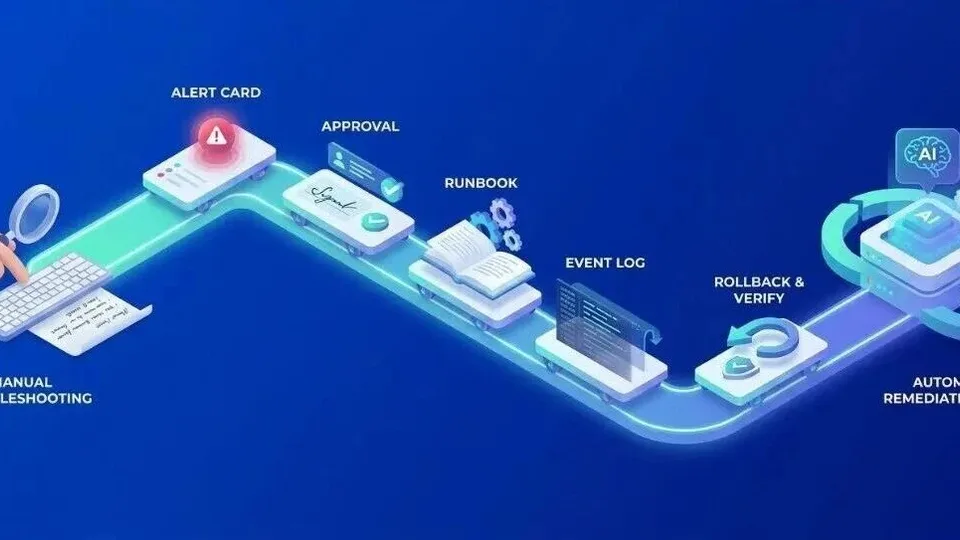
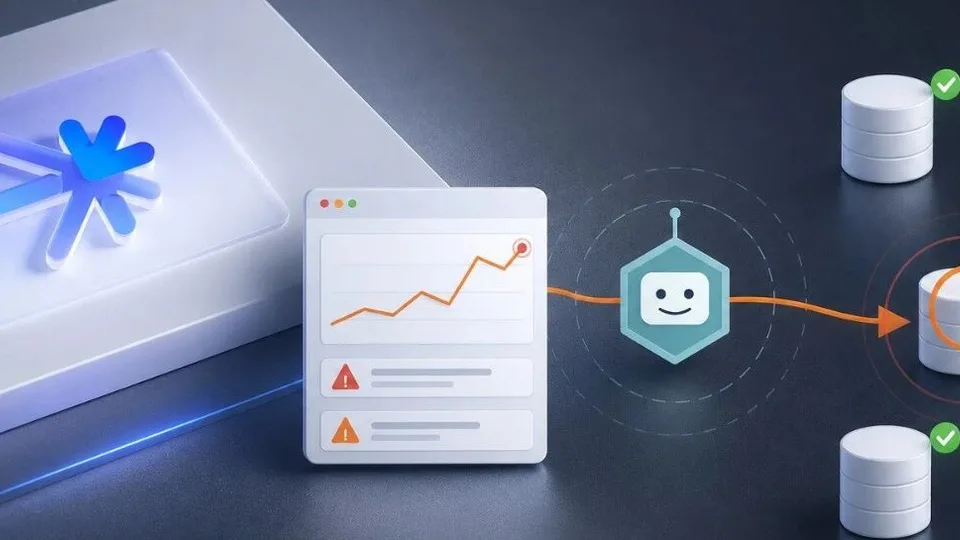
The article examines why manual alert handling stalls at massive scale, outlines the risks of naïve auto‑rollback, and presents a step‑by‑step framework—including event control planes, executable runbooks, safety guards, and staged automation—to reliably move from human‑only to fully automated incident response in high‑throughput environments.
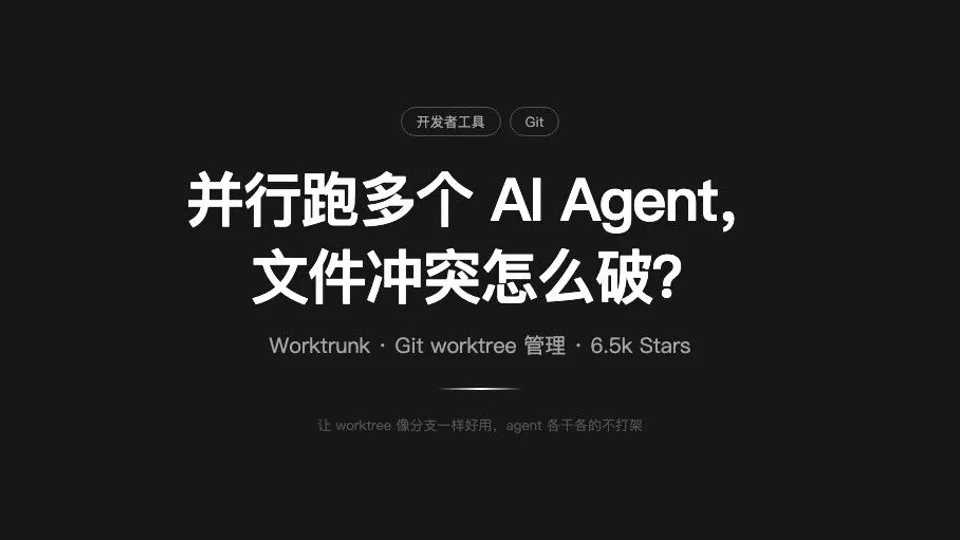
Worktrunk, a Rust‑based CLI tool, streamlines Git worktree management so each AI coding agent can work in its own isolated directory, eliminating file‑level conflicts and simplifying the full lifecycle—from creation and parallel execution to merging, cleanup, and advanced features like hooks, shared caches, and AI‑generated commit messages.
This article explains why HTTPS is essential for personal websites, covering encryption, browser security warnings, admin login protection, modern web API requirements, SEO benefits, link sharing credibility, and practical deployment considerations like certificate management and Nginx configuration.
This guide explains the principles, syntax, common parameters, practical examples, error handling, and performance differences of scp and rsync, helping system administrators decide which tool to use for small one‑off copies, large incremental syncs, bandwidth‑limited transfers, and production deployment scenarios.
The article dissects Airwallex's Optimize 360, an AI‑driven engine that balances authorization rates, costs, fraud risk, and long‑term payment continuity across the entire payment flow, detailing its four core capabilities, real‑world use cases, and performance data.
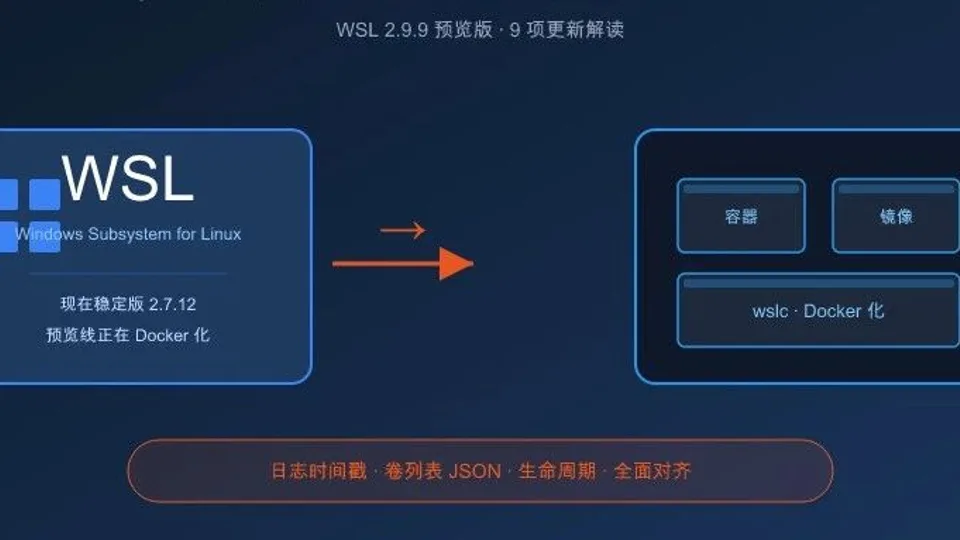
Microsoft’s WSL 2.9.9 preview adds Docker‑style commands, timestamped logs, JSON volume listings, container lifecycle fixes, and network failure visibility, signaling a shift toward native Docker‑compatible container experiences on Windows, while also introducing compatibility risks for scripts that depend on the previous JSON schema.
The article examines why a single‑level alerting approach fails at massive scale, outlines the five practical limitations it creates, and presents a step‑by‑step framework—classification matrix, routed channels, SLA timers, escalation policies, and on‑call discipline—to allocate limited human attention to the most business‑critical incidents.
The article systematically dissects common data‑preparation failure patterns in performance testing, explains root‑cause tracing techniques such as SQL log sampling and dynamic timestamp generation, and proposes a three‑layer, engineering‑driven pipeline—including JSON‑Schema validation, Drools rule checks, and read‑only API verification—to ensure reliable, reproducible test data.
The article demonstrates how STAROps full‑stack correlation combined with the Yaoci Agent’s deep database diagnostics can turn a frontend latency alert into a precise root‑cause finding—such as a missing index in RDS or a Lua script blocking Redis—through three real‑world L3 to L4 case studies.
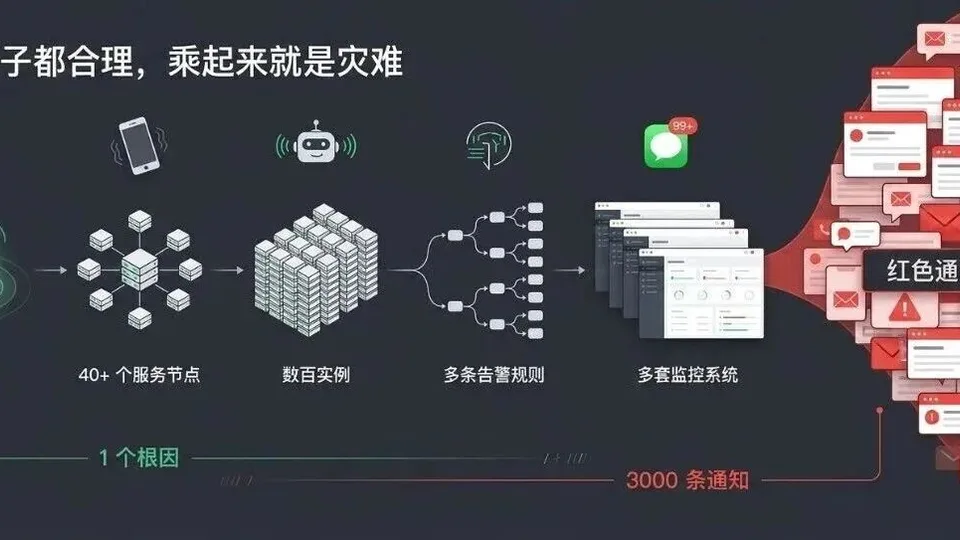
A 40‑second DB jitter triggered over 3,000 alerts, but by applying a five‑layer alert‑convergence strategy—deduplication, grouping, inhibition & silencing, dependency‑based aggregation, and AI‑powered clustering—teams can reduce noise by up to 90 %, turning a storm of notifications into a single actionable signal.
This guide explains why mastering the Linux directory hierarchy is essential for sysadmins, outlines the FHS standard, details each top‑level directory such as /etc, /usr, /var, and provides practical commands, examples, and safety tips for navigating, troubleshooting, and managing files across common distributions.
The article explains why discovering performance problems just before release is risky and proposes moving performance testing earlier in the software lifecycle—defining measurable goals during requirements, validating components during development, checking service boundaries during integration, and using CI/CD for continuous feedback.
Linux users can run WeChat through several community‑driven approaches—including deepin‑wine, virtual machines or Docker containers, third‑party Electron wrappers, and simply using the mobile app—each with its own trade‑offs in stability, isolation, and convenience.
This article provides a comprehensive Q&A guide on China’s ICP registration system, covering the differences between ICP filing and ICP licensing, the regulatory history, management authorities, personal versus enterprise filing, step‑by‑step filing procedures, sub‑domain rules, overseas server considerations, change handling, common rejection causes, and migration between cloud providers.
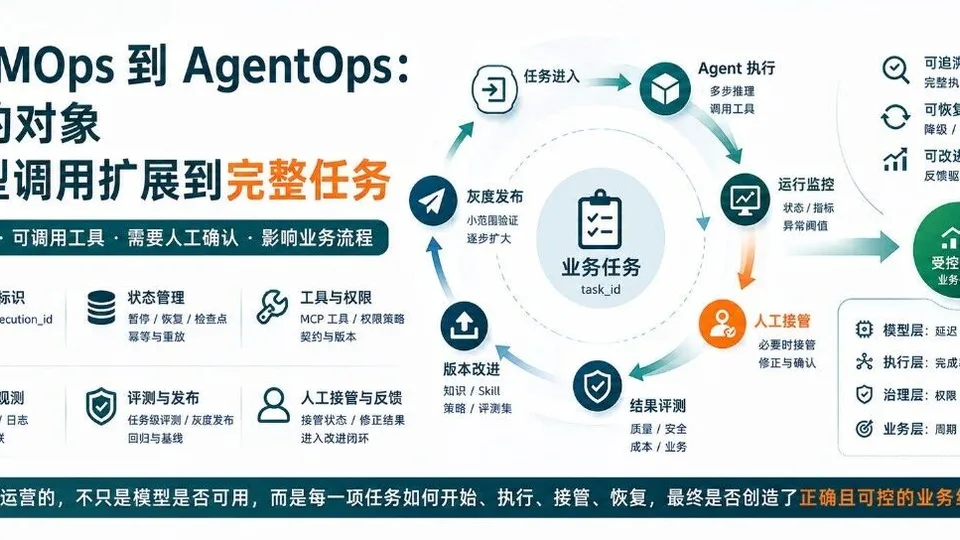
This article argues that enterprises need AgentOps, not just LLMOps, to manage AI agents that execute multi-step tasks with tools, state, and human oversight, detailing six key capabilities: task identity, state checkpoints, component versioning, end-to-end observability, task-level evaluation, and human-in-the-loop as a first-class operational state.
The author details their journey from Conda to Docker and a global Nginx gateway to create a maintainable, scalable deployment architecture for personal projects, explaining why Docker Compose organizes internal services while a single Nginx container handles public entry, HTTPS, and multi-project routing via a shared Docker network.
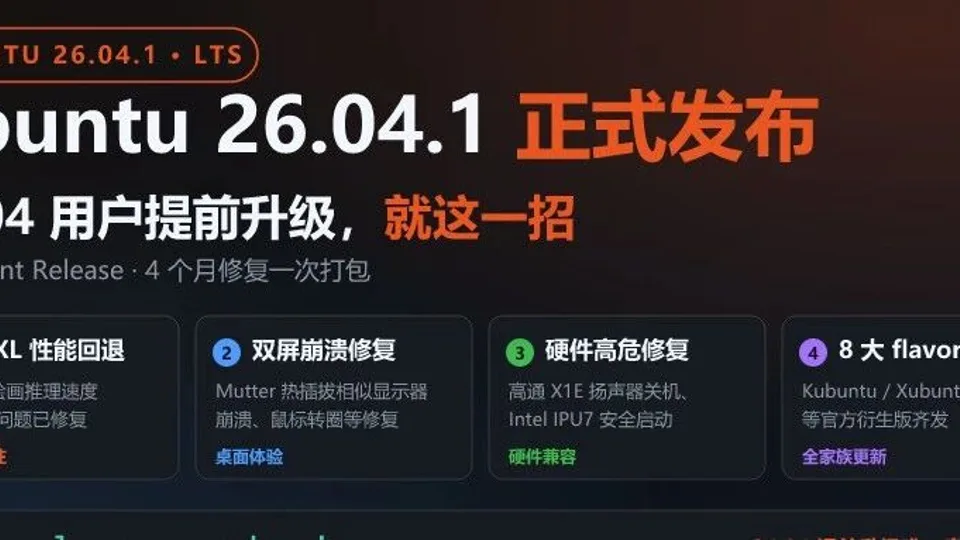
Ubuntu 26.04.1 LTS point release bundles four months of security patches and bug fixes, introduces no new features or kernel, and offers a single manual upgrade path for 24.04 users via the do-release-upgrade -d command, while other users can simply update in place.
This guide walks through installing the xmind-to-markdown MCP tool, configuring the local MCP service in CodeBuddy, handling encoding and path issues, executing the conversion commands, and verifying that the resulting Markdown preserves the original mind‑map hierarchy and content.
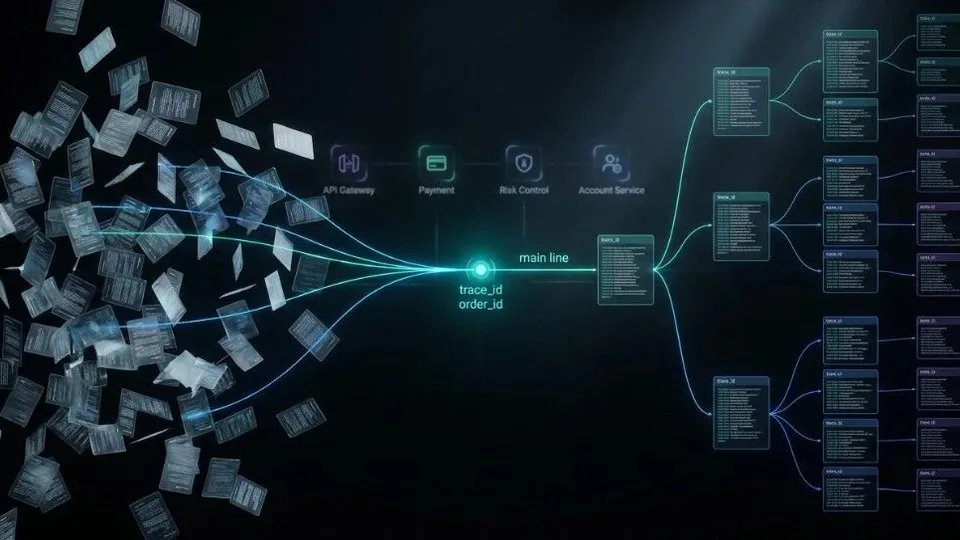
The article explains how to turn millions of independent error logs into a coherent, request‑level waterfall and business‑level story by injecting trace_id, business keys, and cross‑signal foreign keys, while addressing async boundaries, sampling, naming consistency, and storage costs.
This comprehensive guide introduces tcpdump, the Linux equivalent of Wireshark, and walks through 20 frequently used command combinations covering basic packet capture, filtering by host, port, protocol, output formatting, performance tuning, advanced BPF filters, real‑world troubleshooting scenarios, and best‑practice recommendations for production environments.