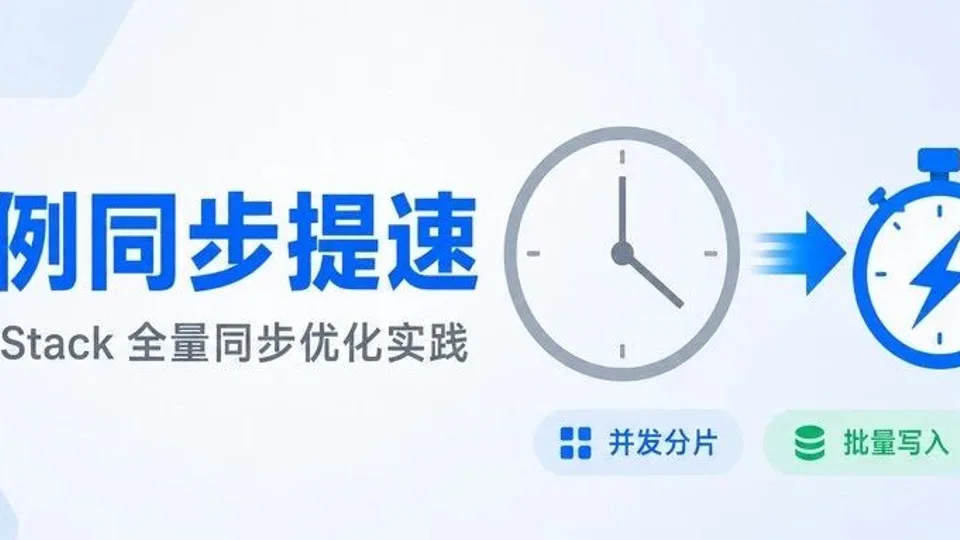
Engineers reduced OpenStack instance full-sync time from 41–54 minutes to 5 minutes 58 seconds for 27,000 instances by parallelizing cursor-based pagination with boundary sharding, preloading associated data per round, and batching database writes into fewer transactions while handling marker semantics, boundary invalidation, and error tracking.
This tutorial shows how to install the WorkBuddy Points Assistant skill and configure a macOS launchd service to automatically claim daily check-in points and cat travel rewards every 30 minutes without keeping the WorkBuddy client open, using local authentication tokens and a custom Python script.
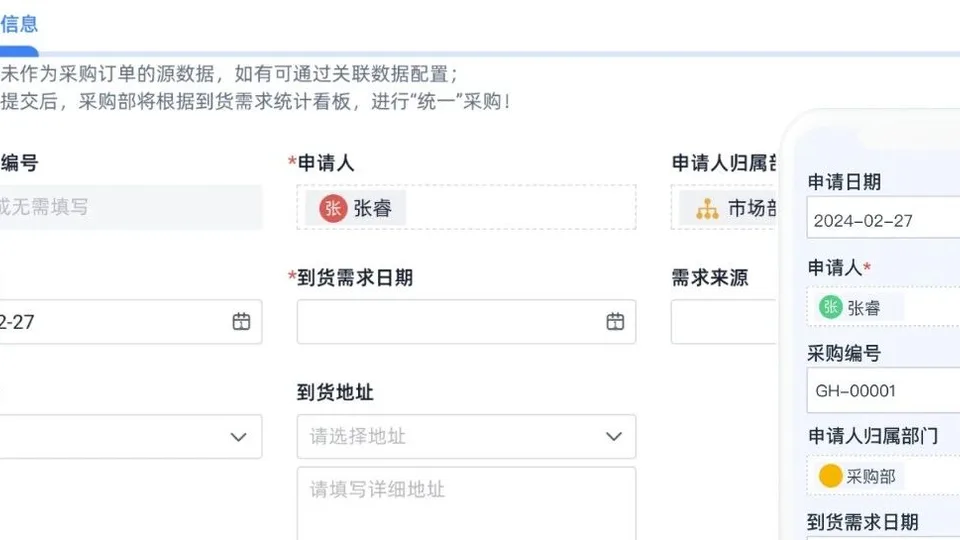
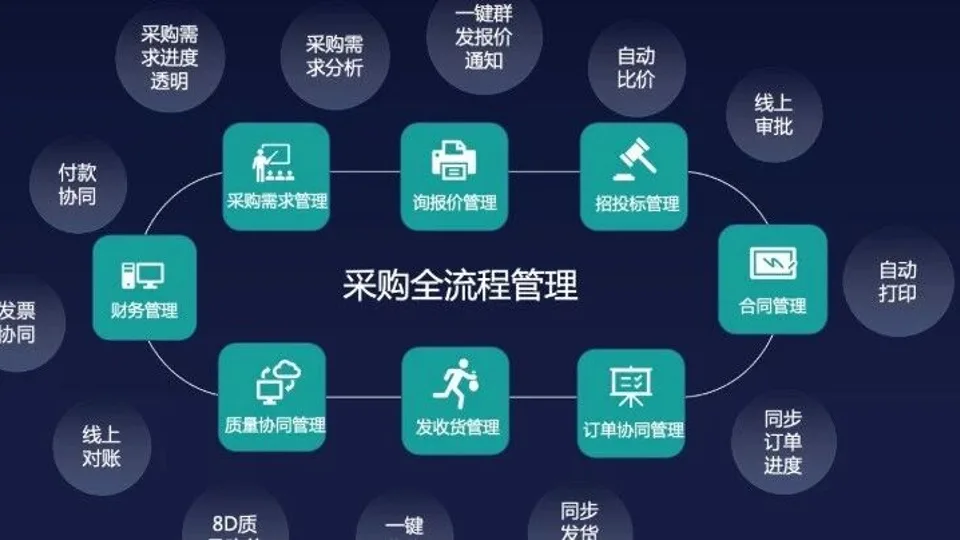
A procurement veteran shares nine essential forms — request, plan, supplier registry, price comparison, approval, order tracking, receipt inspection, payment reconciliation, and supplier review — that create a traceable, evidence-based purchasing loop from requirement to retrospective.
This tutorial introduces Multipass, a free command-line tool from Canonical for quickly creating and managing Ubuntu virtual machines on Linux, Windows, and macOS, covering installation, VM lifecycle commands, cloud-init automation, and a comparison with VMware.
Claude Code's tool_decision events only capture accept/reject with a generic source field merging eight judgment sources, while the newer safety_event adds 14 categories but suffers from join gaps, attribute truncation, and missing events for unattended rejections, requiring joined audit tables and CI validation to identify actual blockers.
The article outlines three core dilemmas in vulnerability operations — unclear impact scope, fear of breaking changes, and outdated knowledge — and demonstrates an AI-powered workbench that combines deployment inventories with authoritative vulnerability data (NVD, OSV.dev) to accurately identify affected systems, validated against two 2026 CVEs.
This comprehensive guide categorizes 50+ essential Linux commands for system troubleshooting, covering processes, memory, CPU, disk I/O, filesystems, networking, logs, and text processing, with practical examples, parameter explanations, output interpretation, and risk-level classifications to help ops engineers build rapid diagnostic reflexes.
This article details 18 practical procurement cost formulas across six domains — total cost calculation, price variance analysis, savings measurement, supplier performance, process cost control, and inventory funding — each with concrete examples and application guidance to unify data standards and enable traceable cost reduction.
This article details using Ansible to automate server inspection, configuration convergence, and application deployment across 60 heterogeneous Linux nodes, covering inventory design, idempotency patterns, rolling deployments with health checks, drift detection, and production-grade practices for reliability and auditability.
This article analyzes the Claude Code 2.1.305 change where managed-mcp.json stdio servers using variables only in env no longer undergo allowedMcpServers checks, detailing the version history, matching logic, verification commands, and how to block them using deniedMcpServers.
A step-by-step guide to resolve the Docker Engine stopped error on Windows 11 by enabling CPU virtualization, starting Docker Desktop Service, updating WSL, switching the Docker daemon, and launching Docker Desktop as administrator.
A comprehensive guide to diagnosing Linux server CPU spikes using systematic evidence chains: verify alert scope, identify processes and threads, distinguish user/kernel/interrupt time, analyze memory and I/O pressure, leverage perf and language runtimes, check container quotas, correlate deployments and cron jobs, and validate fixes with repeatable measurements.
This article analyzes load balancing selection between Layer 4 (LVS, cloud NLB) and Layer 7 (Nginx, cloud ALB) through real failure cases, covering core concepts, deployment guides, capacity planning, monitoring, and troubleshooting to help architects place each function at the right network layer.
This article details a production-grade high-availability framework for vLLM-based LLM inference services on Kubernetes, covering layered health checks, multi-level model warmup, automated failover, degradation strategies, metrics-driven alerting, and troubleshooting patterns derived from real incidents.
This article compiles seven expert perspectives on why Linux dominates the server market, covering historical security flaws in Windows/IIS, performance advantages of epoll-based web servers, lower licensing costs, lighter resource footprint, native container support, stronger open-source ecosystem, and the Matthew effect that cemented Linux's position.
Traditional Prometheus monitoring missed micro-bursts, TCP zero-windows, fsync storms, conntrack exhaustion, and startup file traversal — eBPF kernel-level tracing revealed all five root causes in a production Kubernetes cluster.
At CNCC 2026, Sugon unveiled Fabricview, a platform that centrally manages millions of network devices and uses AI-driven analytics to detect and resolve link-level faults before they stall large-scale model training.
This comprehensive guide details a 14-step process for investigating and responding to SSH brute-force attacks on Linux servers, covering evidence preservation, login analysis, configuration auditing, account verification, cron job inspection, process and network forensics, file integrity checks, emergency containment, system hardening, lateral movement detection, and post-incident review with rollback procedures.
This guide provides a structured 10-minute triage process for sudden MySQL replication lag, covering IO/SQL thread diagnosis, GTID gap analysis, source write-rate checks, replica resource contention, and safe mitigation actions with ready-to-run evidence-collection scripts.
This guide details the step-by-step process for unblocking a banned WeChat account using the official self-service tool, including manual unblocking steps, SMS verification, and friend-assisted verification with strict eligibility requirements for helpers, plus tips to avoid future bans.