The article analyzes how GPT-6 Astra's Computer-Use capability shifts AI from chat to action, requiring product managers to redesign workflows for agent handoff, establish human-AI collaboration principles (visibility, pause points, takeover), and build vertical data flywheels to train domain-specific agents.
This analysis of Harvey, a $15.5B legal AI company, reveals its 'vertical Neo-Lab' model that integrates real legal workflows, legal engineers, expert evaluations, agent runtimes, and synthetic training environments into a closed loop, prioritizing task definition and evaluation before model training, offering five lessons for enterprise AI startups.
The article examines how AI agents have transformed high‑risk, high‑value tasks in finance, healthcare, and industrial manufacturing by acting as digital workers, detailing concrete scenarios, quantitative gains, and the common logic that underpins their deployment.
The article explains that generic large‑language‑model agents such as Claude CoWork stumble on real‑estate tasks because of extremely long decision chains, non‑standard data formats, heavy reliance on personal expertise, and zero tolerance for errors, and shows how DeepLinkRE‑LLM built a vertical‑focused agent with proprietary data, a knowledge graph, expert‑validated skills, and end‑to‑end execution to deliver accurate, traceable reports and reshape enterprise organization.
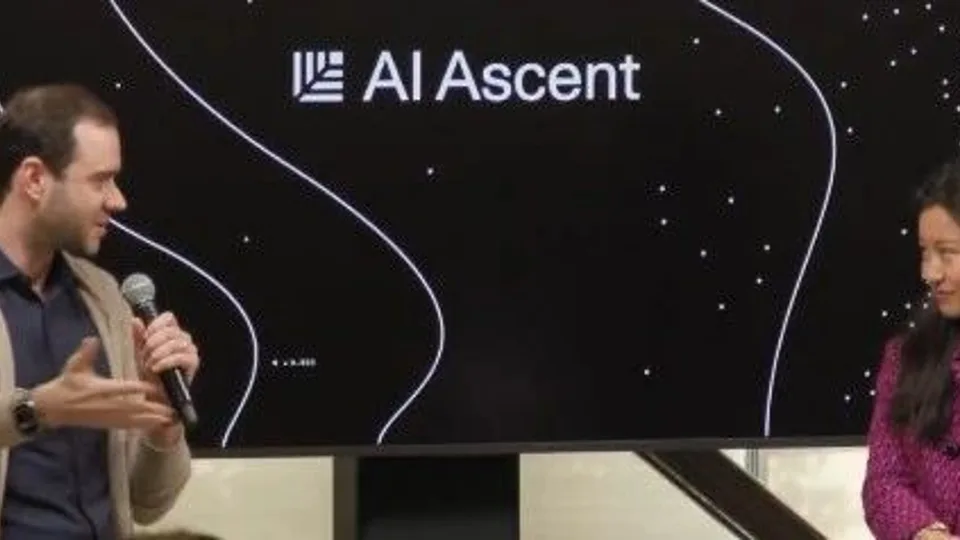
In a Sequoia Ascent interview, Andrej Karpathy argues that large language models are reshaping software into a new computing paradigm, making many existing apps obsolete, emphasizing verifiable tasks as the remaining human moat, and predicting CPUs will become auxiliary to AI‑driven agents.
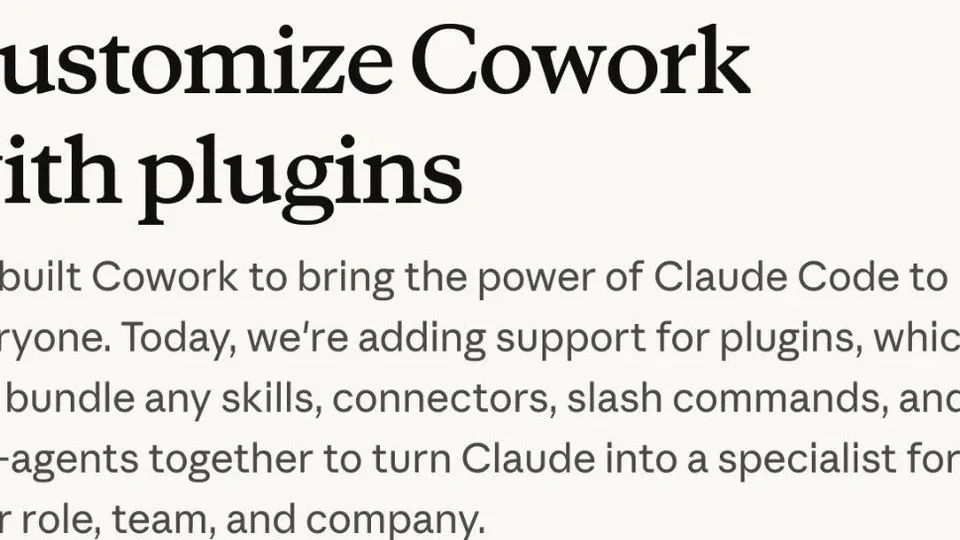
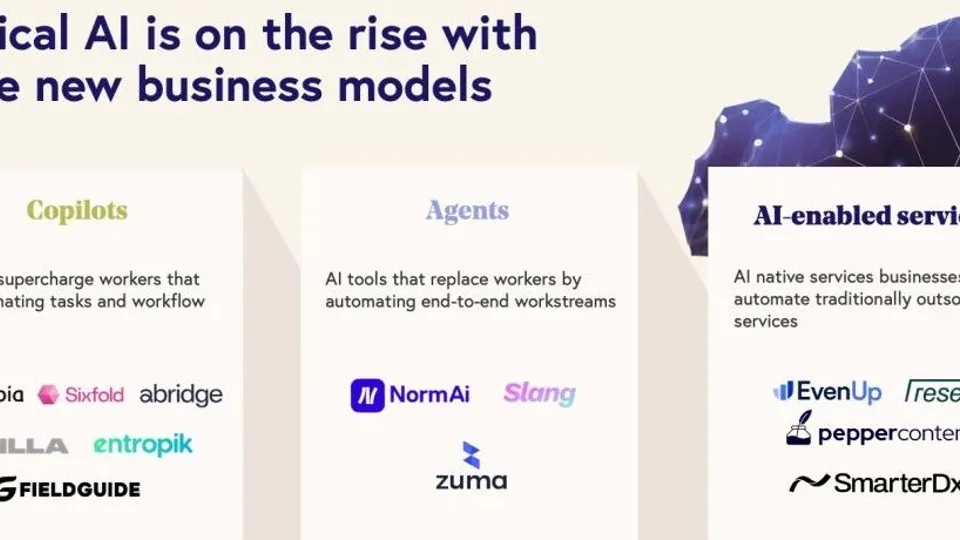
The article examines how Anthropic’s Claude Cowork with plugins lets lawyers build custom AI workflows that cut operating costs dramatically, contrasts this DIY approach with vertical AI platforms like Harvey, and analyzes how these dynamics are reshaping the legal market and its competitive landscape.
The article examines why current AI agents fall short of expectations, highlighting weak business understanding, limited execution, controllability issues, high customization costs, and the gap between model capabilities and engineering, while proposing SaaS firms' advantages, vertical scenario focus, security concerns, and future development trends.
The article revisits Rich Sutton’s “The Bitter Lesson” to argue that AI startups focusing on narrow, workflow‑driven solutions will soon be outpaced by increasingly powerful, general‑purpose models, and it outlines the strategic implications for founders, investors, and the broader AI ecosystem.
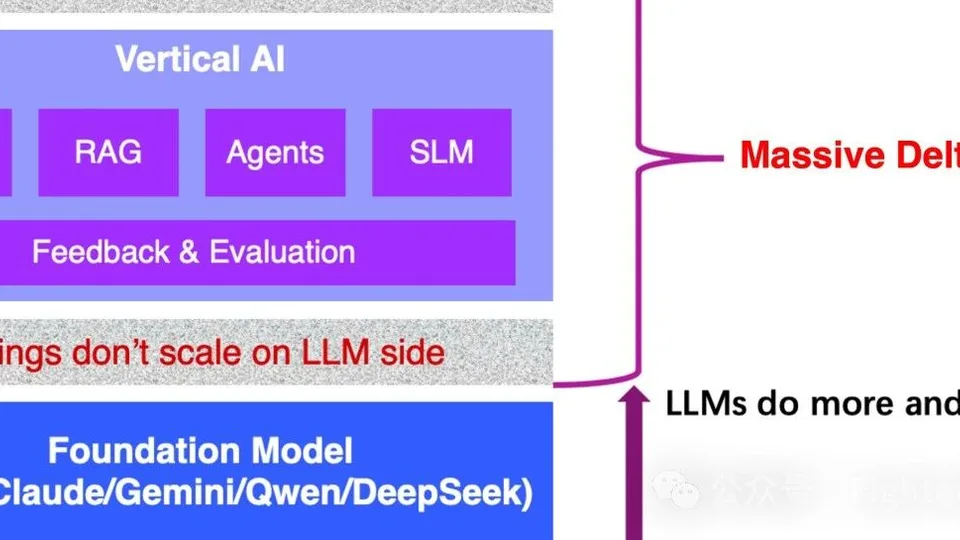
The article examines whether the surge of general‑purpose large language models such as Manus, Claude Sonet, and Qwen undermines the Bessemer Venture Partners claim that Vertical AI will grow tenfold, by analysing market size, use‑case demand, technical challenges, emerging business models, and competitive moats.
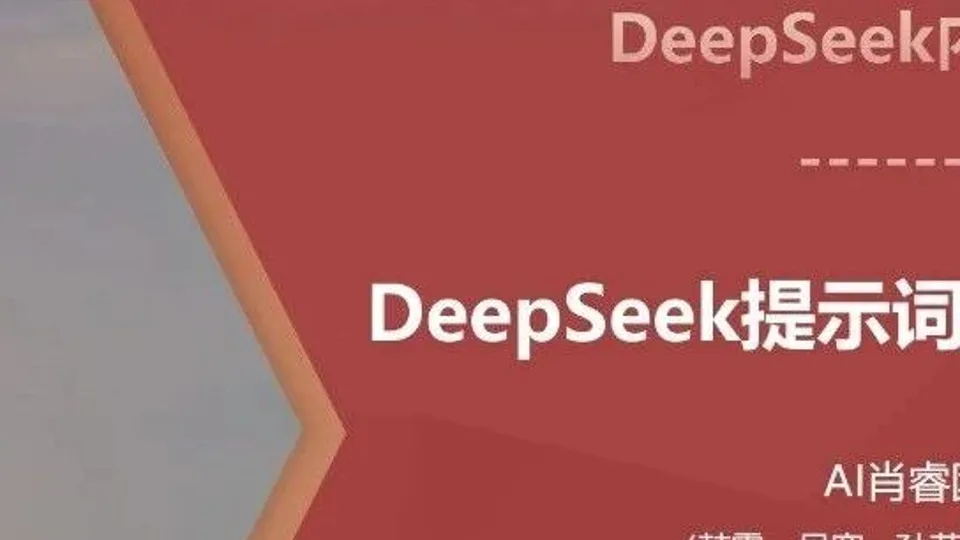
The article analyzes DeepSeek‑R1’s low‑cost inference architecture, Chinese language optimizations, novel prompt‑engineering techniques, and the practical challenges of deploying large domestic models, offering insights into vertical AI applications and the evolving open‑source ecosystem in China.
The article distills five key insights from a SaaStr panel with leaders from GitHub, Ramp, Cloudflare and Figma, highlighting AI as an enabler, the need for rapid experimentation, rigorous evaluation, flexible roadmaps, and democratization, and compares each company’s product strategy, UX, value addition, and AI team structures.
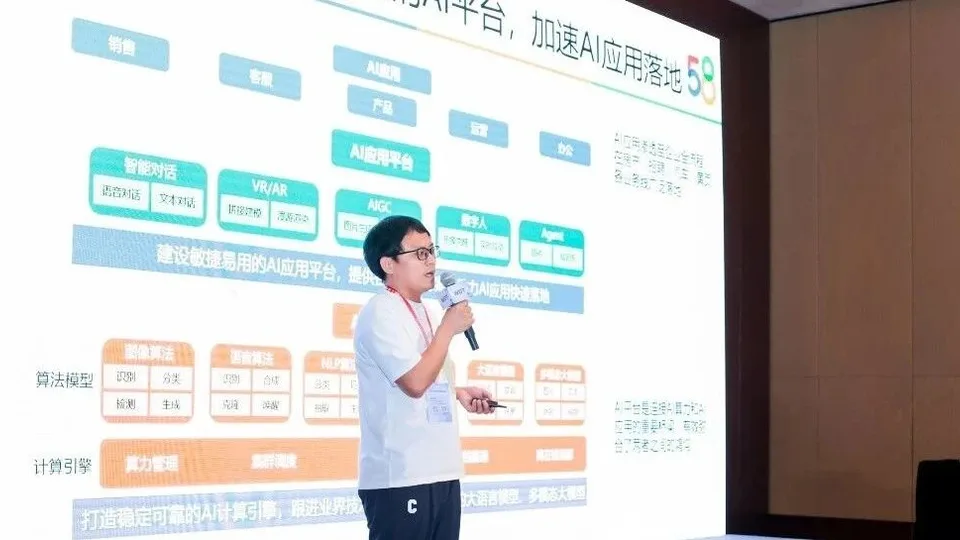
In this article, 58.com AI Lab senior director Zhan Kunlin explains how the company built a multi‑layer AI platform, created a vertical large‑language model called LingXi, and developed an AI Agent system with RAG capabilities to accelerate practical AI applications across various business scenarios.
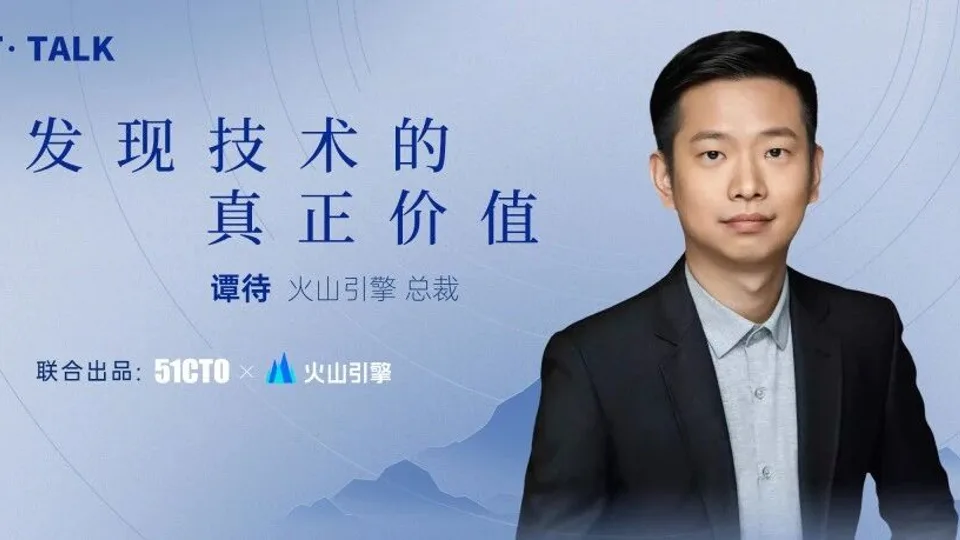
In this interview, Volcano Engine’s president Tan Dai explains how the rise of large models reshapes the AI landscape, why training thresholds now favor a pyramid of ultra‑large, medium‑size, and vertical models, and how a cloud‑first, multi‑model approach can address cost, security, and scalability challenges for enterprises.
This report, based on Professor Xiao Yanghua’s presentation at the World AI Conference, examines why vertical domains need general large models, outlines their key capabilities such as open‑world understanding, combinatorial innovation, evaluation, complex instruction execution, task planning, and symbolic reasoning, and discusses current limitations and optimization strategies for domain‑specific deployment.