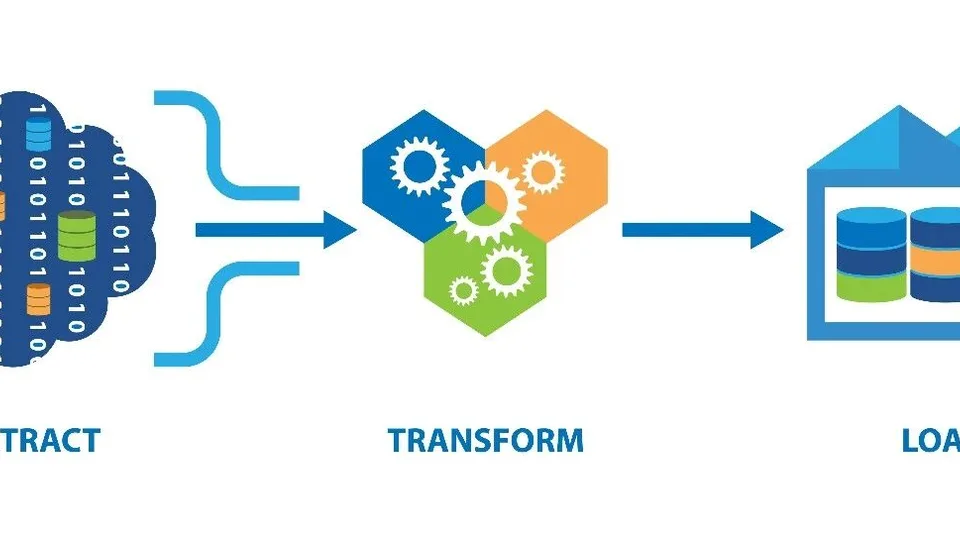
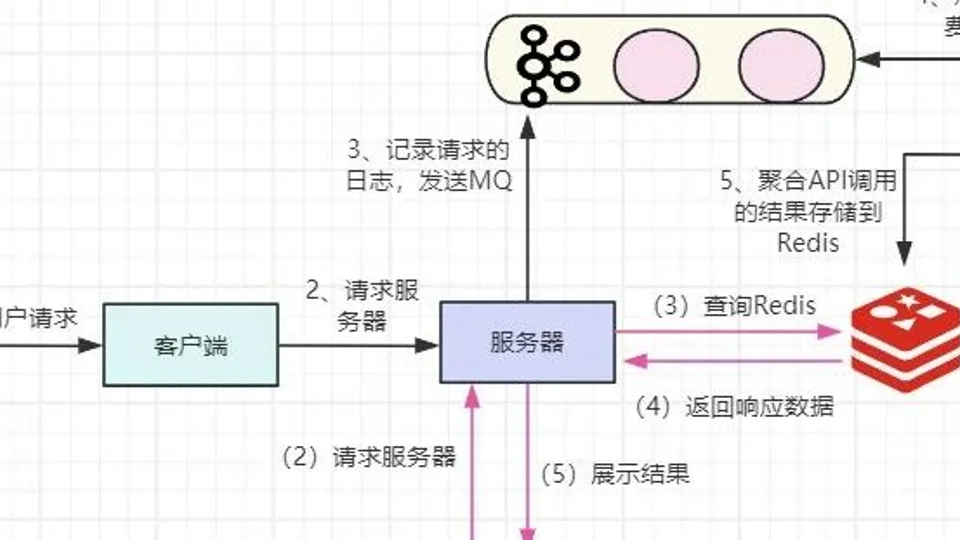
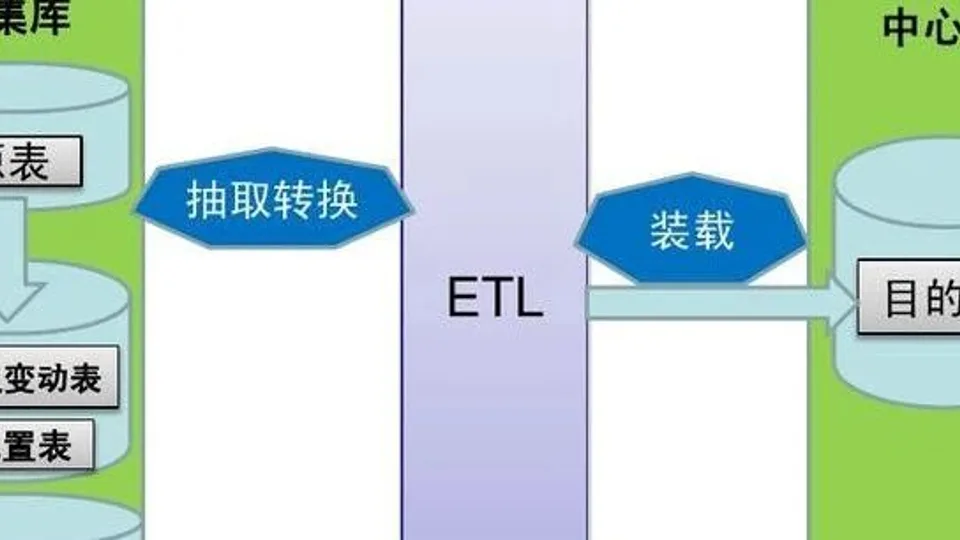
This article explains the four common data integration patterns—ETL, ELT, API‑based, and message‑queue approaches—detailing their core workflows, suitable scenarios, advantages, and trade‑offs so readers can choose the method that best fits their business and technical constraints.
This article compares three practical approaches—direct database storage, a Flink‑Kafka‑Redis‑Grafana pipeline, and an ELK stack—to achieve real‑time API request counting for high‑concurrency scenarios, outlining their architectures, advantages, and trade‑offs.
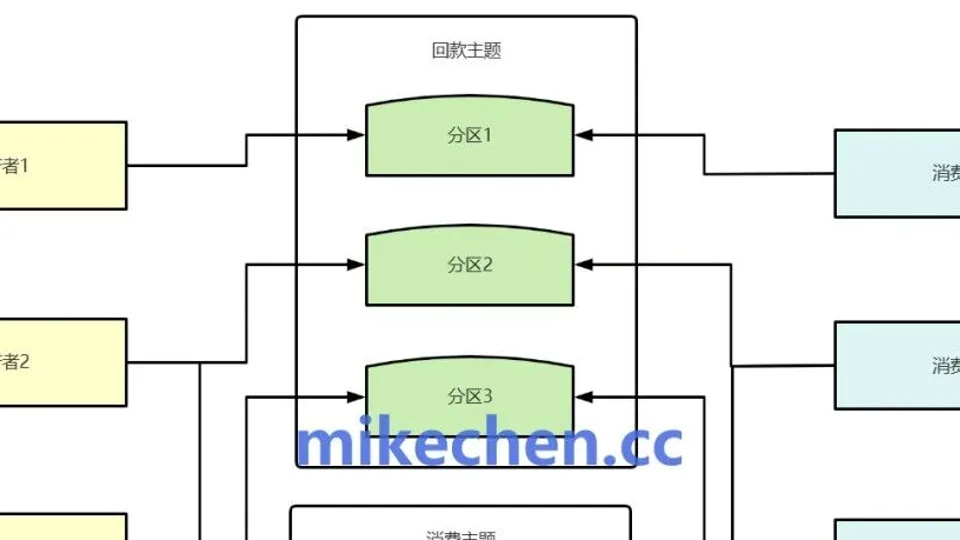
This article walks through the challenges of a fast‑growing e‑commerce platform during peak sales, explains why Apache Kafka is the ideal asynchronous messaging backbone, and provides a complete Go implementation—including producers, consumers, best‑practice patterns, and real‑world use cases—to achieve high throughput, fault tolerance, and seamless scalability.
During a gray‑release of JDK 25 on Ctrip's massive Spark and Flink clusters, silent data corruption appeared in Parquet and ORC files, traced to a G1GC Optional Evacuation bug that moved JNI‑pinned objects, a root cause later back‑ported and fixed in JDK 25.0.3.
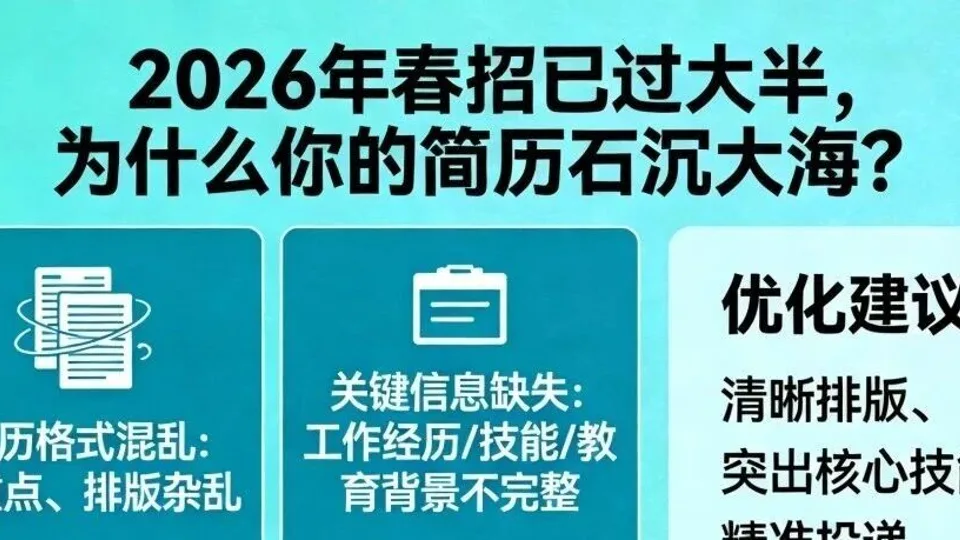
In the 2026 spring hiring season, many big‑data job seekers see their resumes disappear because they still focus on offline batch processing, while employers now demand real‑time streaming, AI‑driven data pipelines, and cloud‑native deployment skills such as Flink, vector databases, and Kubernetes.
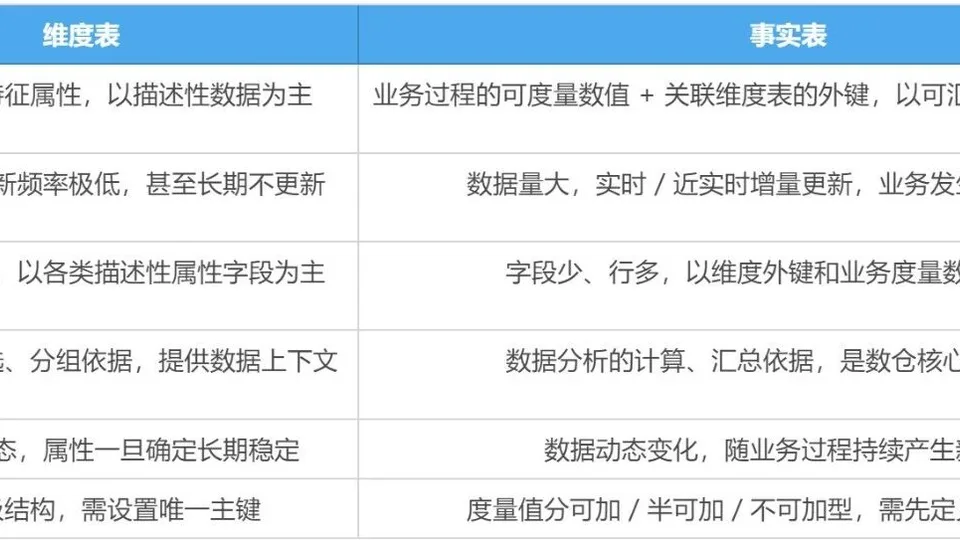
This article explains the fundamental differences between fact tables and dimension tables in a data warehouse, covering their core contents, key characteristics, design best‑practices, types, how they interrelate, and maintenance tips for reliable analytics.
This article compiles a comprehensive set of data‑warehouse interview questions—including self‑introduction prompts, SQL and window‑function challenges, data‑skew solutions, architecture design, file‑format trade‑offs, governance, and team‑leadership topics—to help candidates prepare for first, second, and third‑round interviews at leading tech firms.
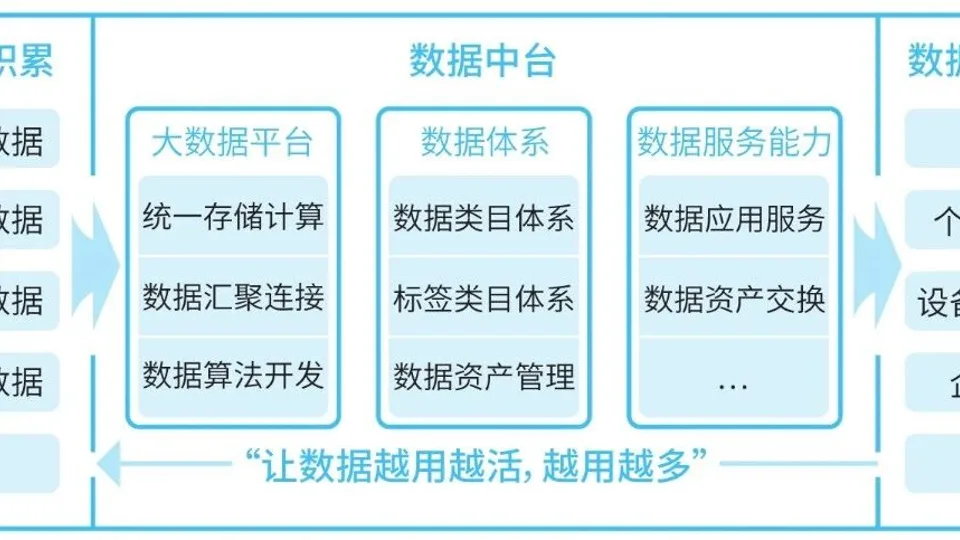
The article defines a data middle platform as a unified capability that continuously aggregates, governs, and serves enterprise data, outlines its six‑module architecture, details practical technology choices, governance steps, performance optimizations, and a four‑stage implementation roadmap, and warns against common pitfalls such as business‑tech misalignment and neglect of unstructured data.
The article explains how traditional Parquet‑based lakehouse architectures, optimized for large‑scale scans, struggle with AI workloads that need ultra‑low‑latency random access, and how Lance redesigns the storage format, indexing and write path to provide O(1) addressing, native vector support, and seamless integration with native execution engines.
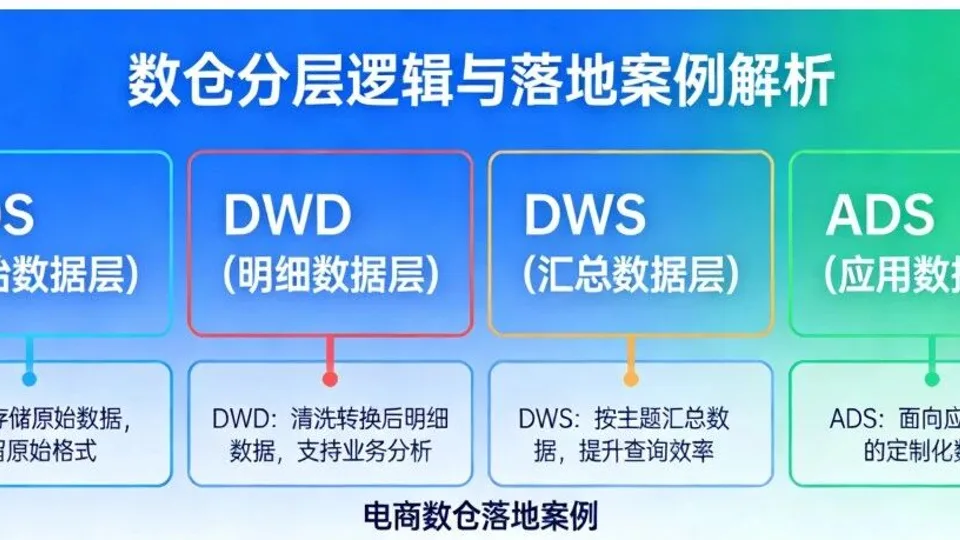
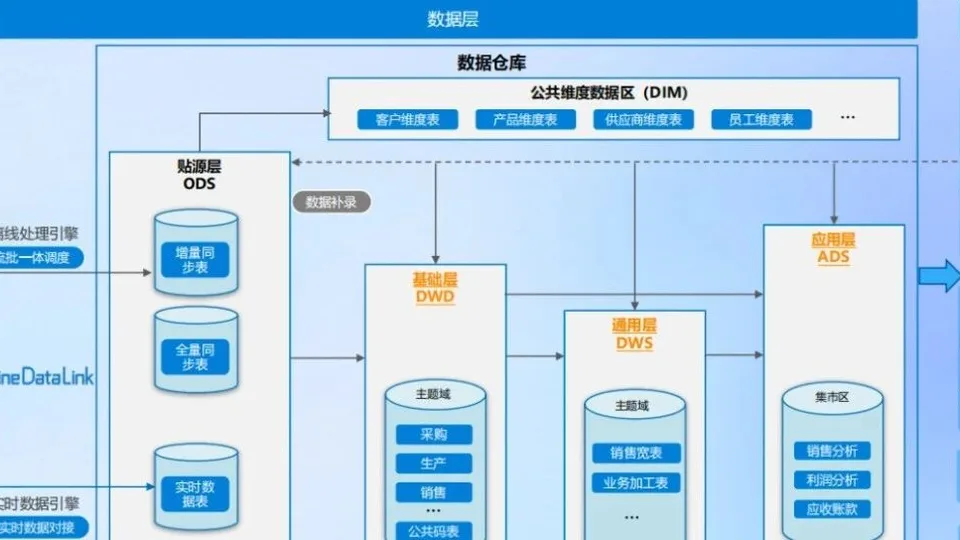
Interviewers at top tech firms like Alibaba, ByteDance, and Tencent expect candidates to explain DWD layer design focusing on stability and reusability, and this guide provides a step‑by‑step framework, concrete examples, and common pitfalls to help you craft a concise, high‑scoring response.
This article analyzes how large‑language models for code, exemplified by Claude Code, are integrated into an e‑commerce data‑warehouse ecosystem, defining data‑rights boundaries, introducing agentic workflows, decoupling cognitive and execution runtimes, and establishing standardized I/O contracts to achieve safe, scalable AI‑assisted development and governance.
In the era of AI and multi‑cloud, this article analyzes the core challenges of data governance—data silos, quality gaps, and compliance risks—and explains how Apache Gravitino’s unified metadata architecture together with OpenLineage’s standardized lineage model provide a scalable, automated solution for intelligent, real‑time data management.
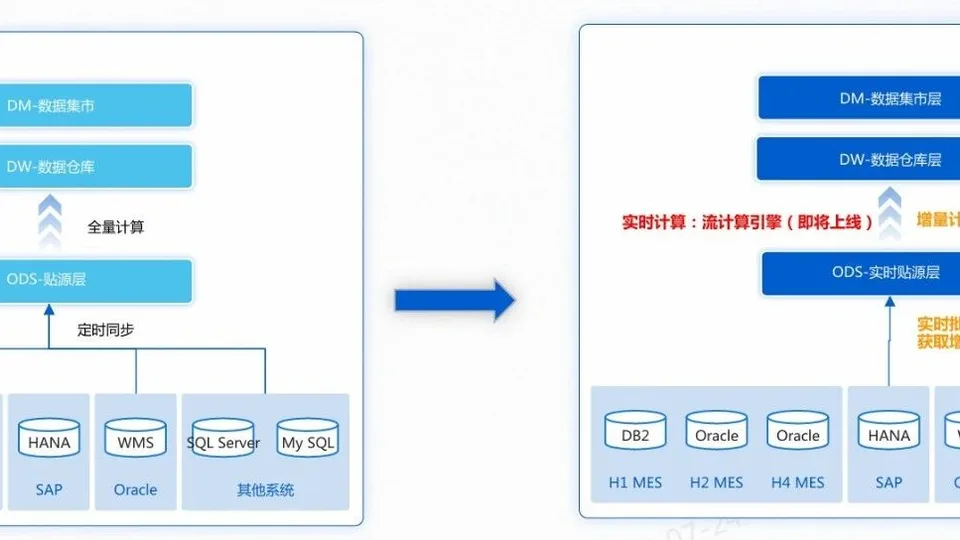
The article explains the fundamental differences between offline and real‑time data warehouses, covering their core logic, layered designs, dimensional modeling, typical architectures such as Lambda, Kappa and stream‑batch hybrid, and provides guidance on selecting the appropriate solution based on latency, team expertise, cost and workload characteristics.
This article breaks down Dremel's columnar encoding for nested data, detailing the definition‑level and repetition‑level concepts, showing step‑by‑step examples of encoding and reconstructing JSON‑like schemas, and explaining the limits of single‑column reconstruction.
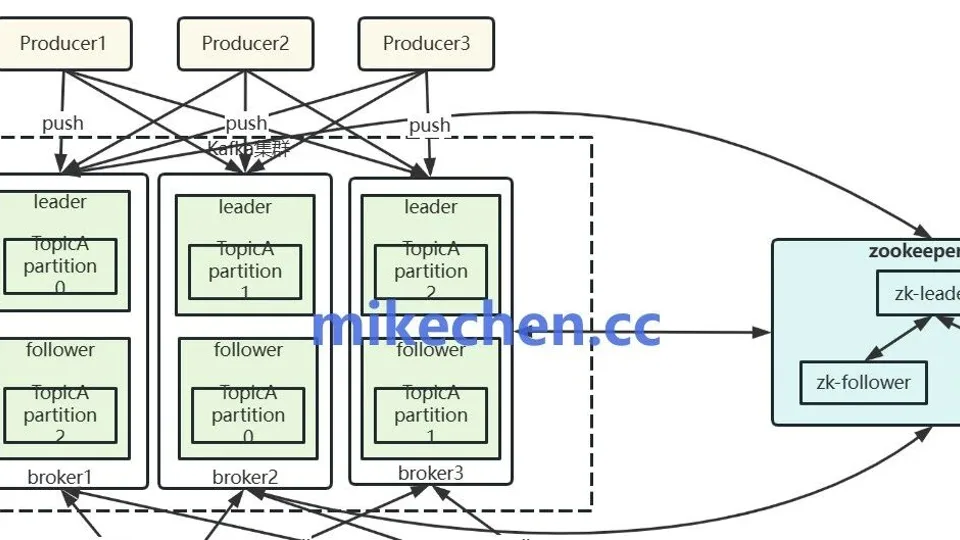
This article breaks down Kafka's high‑throughput design by detailing how partitioning enables parallelism, sequential disk writes and zero‑copy reduce I/O overhead, and OS page cache maximizes memory efficiency, together allowing millions of messages per second.
This guide explains why data standards are essential for data warehouses, outlines the four categories of standards, and provides a step‑by‑step process—including research, framework design, template creation, review, implementation, and ongoing maintenance—to help practitioners and interviewees establish robust, business‑aligned data standards.
This article compares ETL and ELT across workflow, efficiency, data volume, supported data types, resource consumption, transformation capabilities, technical requirements, error handling, and maintenance cost, and provides practical criteria for enterprises to select the most suitable approach.
This article outlines MaxCompute's 15‑year transformation from a traditional structured‑compute engine to an AI‑native data warehouse, detailing its data, heterogeneous compute, and model capabilities, showcasing three core ability pillars, real‑world case studies, and future development directions.
This article explains how Kafka’s sequential disk writes, zero‑copy data path, partition‑based parallelism, and configurable broker and partition settings enable linear‑scale throughput that can reach millions of transactions per second in large‑scale streaming systems.
The article explains why traditional transactional databases hinder analytics, introduces seven essential data‑warehouse modeling techniques—3NF, Kimball star schema, snowflake, wide table, Data Vault 2.0, activity model, and entity‑centric modeling—detailing their advantages, drawbacks, and how to choose among them based on analysis needs, data volume, usability, flexibility, and performance.