This article explains Spark Structured Streaming’s new Real-Time Mode introduced in Spark 4.1, detailing how it reduces latency to the millisecond level by redesigning micro‑batch processing, concurrent stage scheduling, streaming shuffle, and checkpointing, and compares it with Flink’s native streaming.
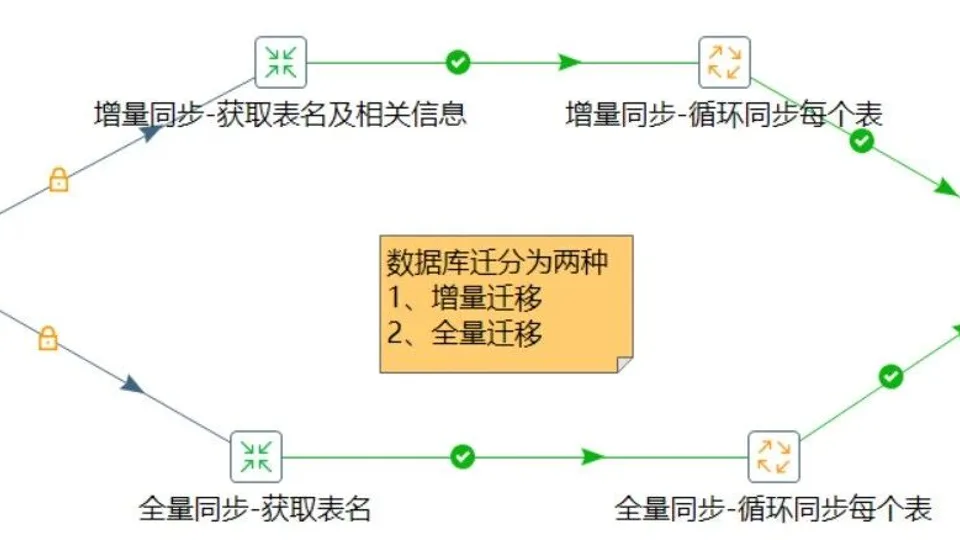
The article explains how to decide between incremental and full data synchronization based on business patterns, describes three table types, outlines critical incremental‑sync details such as checkpointing, transaction integrity, large‑batch handling and log retention, and shows how to merge increments into full snapshots in a data‑warehouse pipeline.
This article explains how DataWorks integrates data quality specifications directly into the SQL development workflow using Data Contracts, addressing governance lag, versioning gaps, and trust issues while providing a unified, version‑controlled, and automated quality assurance process for offline data pipelines.
This roundup compiles the latest releases across major data platforms—including ClickHouse, Apache Fluss, Delta Lake, StarRocks, Apache Pulsar and DolphinScheduler—highlighting version numbers, key feature additions, security fixes, and emerging trends shaping the big‑data ecosystem.
Fanatics unified its fragmented data stack by building a StarRocks‑powered Lakehouse on Apache Iceberg, replacing Redshift, Snowflake, Athena, and Druid, which cut costs by up to 95%, delivered sub‑second dashboard queries on petabyte‑scale data, and enabled real‑time and historical analytics on a single platform.
The article presents nine concrete, formula‑based metrics across completeness, reuse, and compliance dimensions—such as cross‑layer reference rate, summary query ratio, model reuse coefficient, lineage divergence, field description coverage, layering info coverage, domain ownership, naming compliance, and field‑consistency—to objectively assess data‑warehouse health and guide continuous improvement.
This article presents a series of seven technical case studies—including Tencent Cloud’s Iceberg‑based batch‑stream integration, AI‑driven data governance with Apache Gravitino, Xiaohongshu’s lakehouse evolution, and a multimodal data‑lake solution—detailing challenges, architectural designs, implementation steps, performance results, and future directions.
This article provides a comprehensive guide to Spark UI, explaining each primary and secondary tab, the key metrics they expose, and how to interpret them for performance bottleneck detection, followed by two detailed case studies and practical tuning recommendations for Spark workloads.
This article presents a comprehensive design for a layered storage and unified scheduling platform that archives MySQL historical data, reduces storage costs, ensures high‑performance queries, and enables efficient data analysis through tiered hot, warm, and cold storage using big‑data technologies.
This article explains Ray Data’s execution pipeline, detailing the LogicalOptimizer’s architecture, core abstractions, rule‑based optimization process, and both logical and physical rule sets, with concrete code examples and practical illustrations of each optimization technique.
This article details Ant Group’s Flex vectorized engine built on Velox, covering the current state of vectorization, Flex’s architecture (Flink + Velox), core feature development, correctness guarantees, large‑scale deployment results, and future directions for full‑link vectorization and broader hardware support.
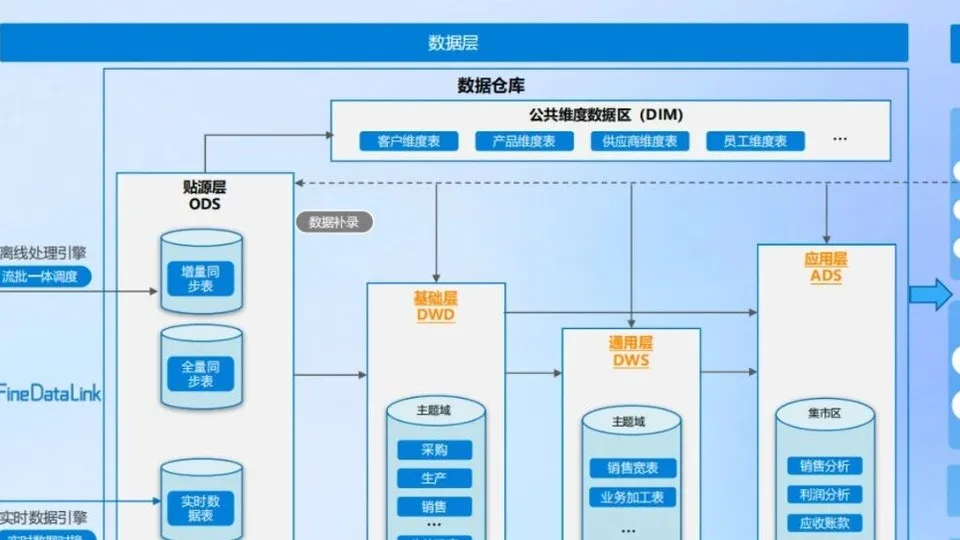
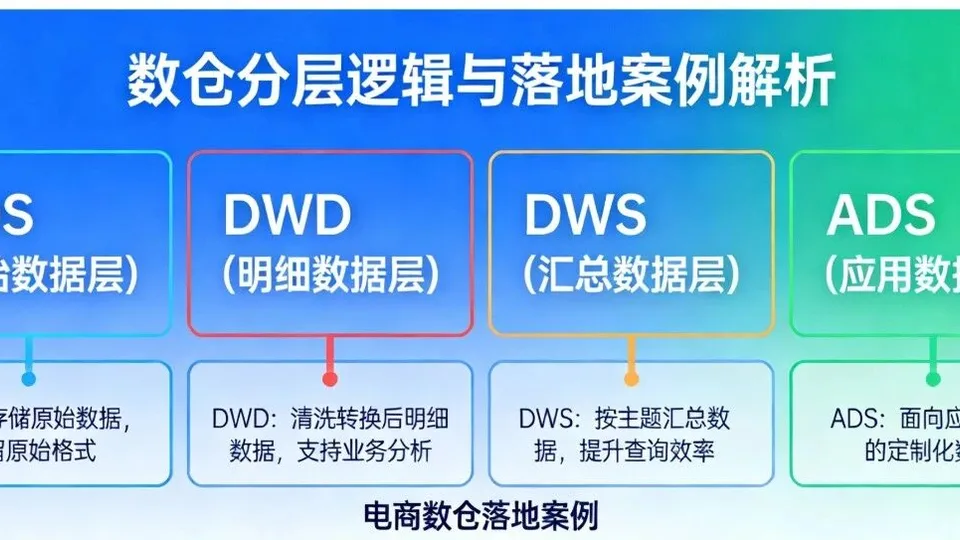
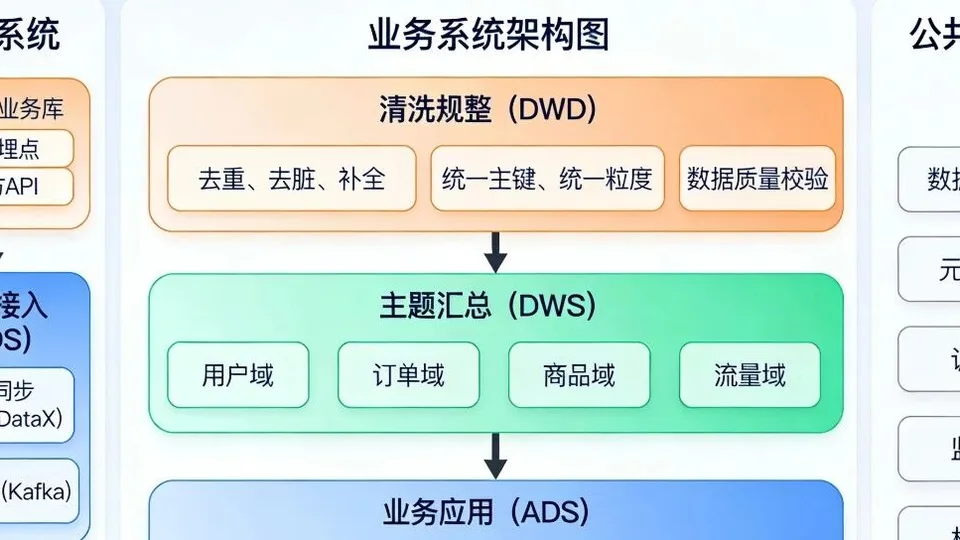
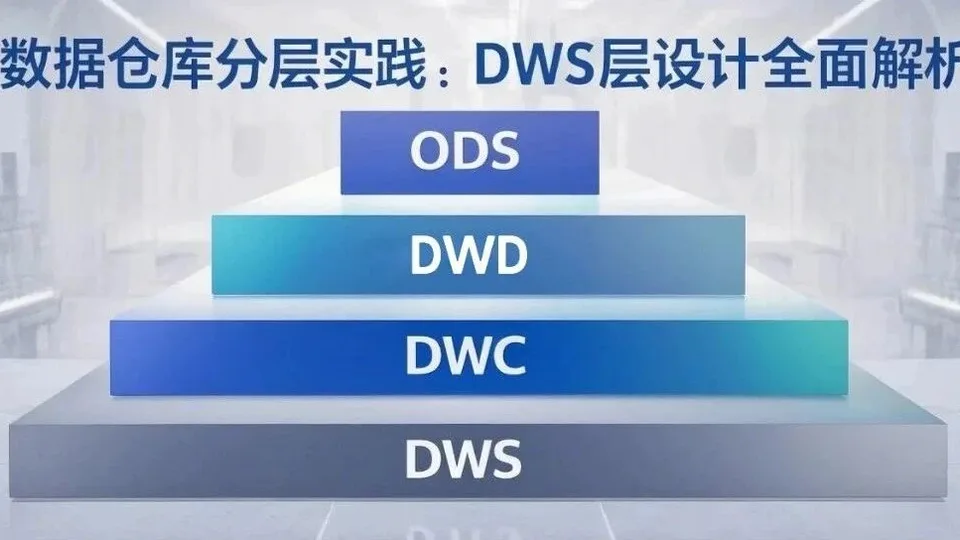
This guide explains why data warehouses need a four‑layer architecture, defines the exact responsibilities and processing rules for ODS, DWD, DWS, and ADS, provides an end‑to‑end e‑commerce example, and lists common pitfalls with practical solutions.
This guide walks data engineers through the entire process of creating clear, production‑ready data architecture diagrams—from identifying the diagram type and defining layers, to selecting tools, drawing step‑by‑step components, applying visual standards, avoiding common pitfalls, and validating the final design for stakeholders.
This article outlines Kafka's role as a leading MQ middleware, highlighting its key traits of decoupling, asynchronous processing, and throttling, compares it with traditional messaging systems, and provides a structured list of basic, intermediate, and advanced topics plus interview questions for in‑depth study.
Python’s reputation for slowness can be overcome by selecting the right tools—Numba, PyPy, CuPy, JAX, Ray, Joblib, async I/O, memory profilers, and big‑data frameworks—delivering speedups from 6× to over 50× with minimal or no code modifications.
This article explains how to extend a Flink CDC job that already syncs an entire MySQL database to Doris so that newly created tables are automatically created in Doris in real time, using the CdcTools utility, side‑output streams, and asynchronous I/O.
A performance comparison of Amazon EMR Serverless Storage on a 3 TB TPC‑DS benchmark shows up to 55 % cost reduction and 25 % faster runtimes for shuffle‑intensive Spark jobs, while outlining usage limits and providing Python tools to analyze shuffle data from Spark event logs.
This article provides a comprehensive, business‑driven analysis of the Data Warehouse Service (DWS) layer, covering its core positioning, design goals, modeling and aggregation tactics, storage optimizations, typical challenges with practical solutions, and best‑practice recommendations for building efficient, cost‑effective data services.
The article explains how traditional Flink monitoring suffers from scattered metrics, manual root‑cause analysis, and lack of actionable advice, and introduces a cloud‑native system built on Strands Agents and Amazon Bedrock that automatically collects metrics, performs LLM‑powered analysis, generates optimization recommendations, and interacts with users via natural‑language dialogue and real‑time streaming output.