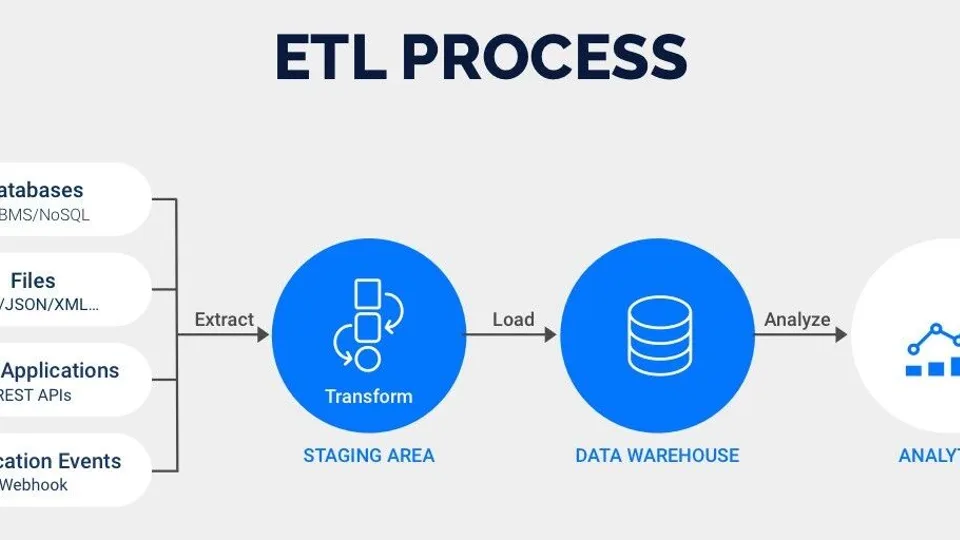
The article examines the limitations of traditional batch and stream processing, explains how Hologres Dynamic Table combines declarative freshness settings with stateful incremental computation to bridge the gap between low‑cost batch jobs and low‑latency streaming, and presents benchmark results and real‑world case studies.
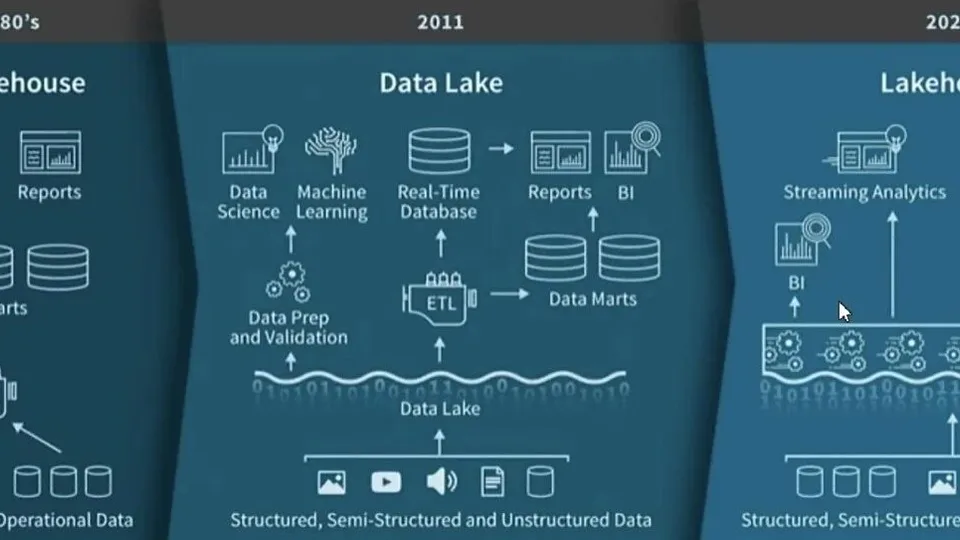
This article systematically explains the definitions, architectures, advantages, disadvantages, and evolution of data warehouses, big‑data platforms, data lakes, data middle platforms, and lake‑warehouse integration, helping practitioners choose the right terminology and technology for their projects.
Apache Paimon 1.4 redefines itself as an AI multimodal data lake by introducing row tracking, data evolution, Blob and Vector tables, Variant shredding, and Lumina‑BTree global indexing, each explained with concrete examples, configuration flags, and storage layouts that illustrate how the new capabilities enable unified storage and efficient retrieval of diverse data types.
The article explains how big‑data techniques such as collaborative filtering, time‑aware recommendations, and behavior‑sequence profiling transform e‑commerce and retail by revealing individual consumer intent, boosting conversion rates by up to 30% and enabling more precise pricing and inventory decisions.
The article details MaxCompute's AI‑driven evolution, covering its multilayer architecture, multimodal storage management, SQL AI functions, the Python‑based MaxFrame framework, and several industry case studies that demonstrate performance gains and flexible resource scheduling for large‑scale AI workloads.
The article analyzes how Tencent Cloud's TBDS platform tackles the AI era's multimodal data lake challenges through a native storage format (Lance), elastic Ray‑based compute, standardized metadata with Gravitino, and automated governance via Lakekeeper, citing architecture details, performance numbers, and real‑world deployments.
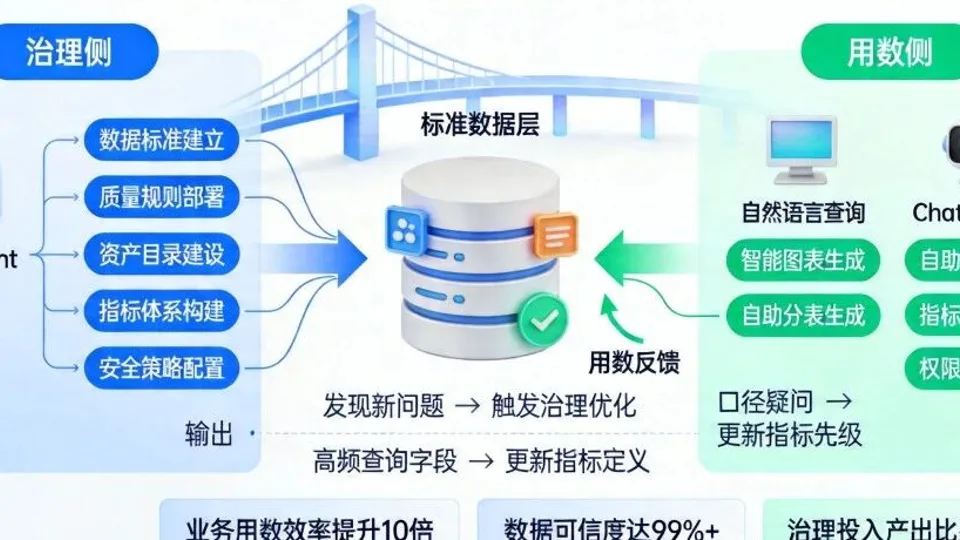
The article analyzes how leading internet companies embed AI agents across the entire data‑warehouse lifecycle to automate governance, presenting real‑world case studies from Alibaba, ByteDance, JD.com and Tencent, and quantifies benefits such as over 65% reduction in manual effort, 50% drop in metric duplication, and a 40% boost in resource utilization.
The article explains how fragmented ERP, MES, and CRM data create silos, outlines the five-layer data architecture lifecycle, identifies three common implementation challenges, and offers practical criteria for selecting the right storage and processing solutions to turn data into reliable business assets.
OPPO’s data‑lake team, led by David, detailed their transition from Hive‑Spark to a unified multi‑modal lake, leveraging Gravitino for cross‑engine metadata management and the open‑source Curvine cache to eliminate data silos, boost I/O performance, and support massive image, recommendation, and AI‑Agent workloads.
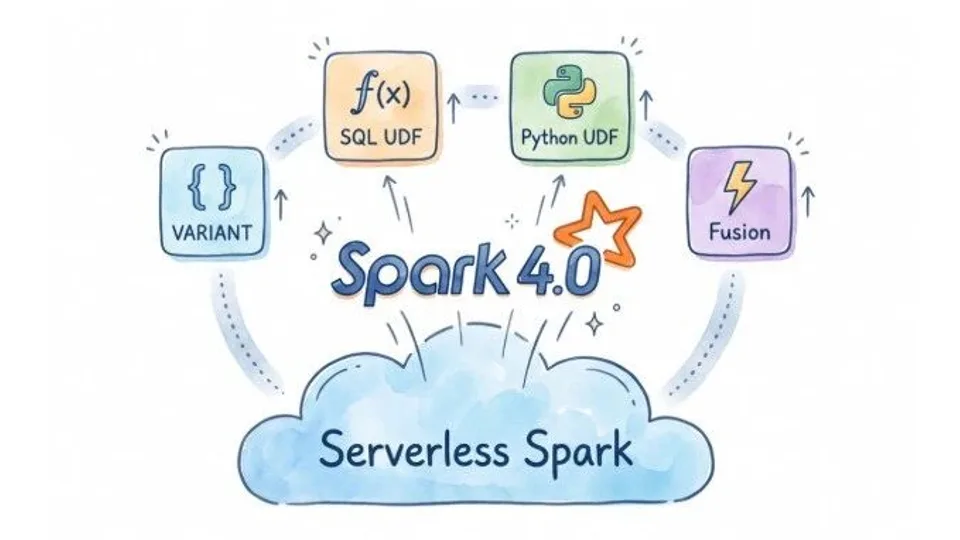
Apache Spark 4.0 introduces a high‑performance VARIANT data type for semi‑structured JSON, native SQL UDFs that eliminate Python UDF bottlenecks, a richer Python DataSource API, a new pipeline syntax, upgraded Structured Streaming state management, and Alibaba Cloud EMR Serverless optimizations that together deliver up to 30% speed gains and seamless migration from Spark 3.x.
When attribution analysis on over 900 million rows slowed to more than 40 seconds and threatened cluster stability, Ctrip's smart attribution team rebuilt the architecture with Ray and DuckDB, achieving sub‑15‑second query times, 160 % performance gain, and complete resource isolation.
The article analyzes why metadata management often stalls in enterprises—due to scattered, inactive, and business‑misaligned metadata—and outlines a step‑by‑step approach to define core asset, relationship, and semantic information, automate collection from data flows, and build a queryable metadata network.
This article details Xiaohongshu's data platform evolution from a simple ClickHouse‑based ad‑hoc system to a Lambda‑style architecture and finally a lakehouse solution, highlighting how the adoption of a new incremental computing model reduced architectural complexity, resource consumption and development effort each to roughly one‑third while delivering sub‑second query performance on petabyte‑scale data.
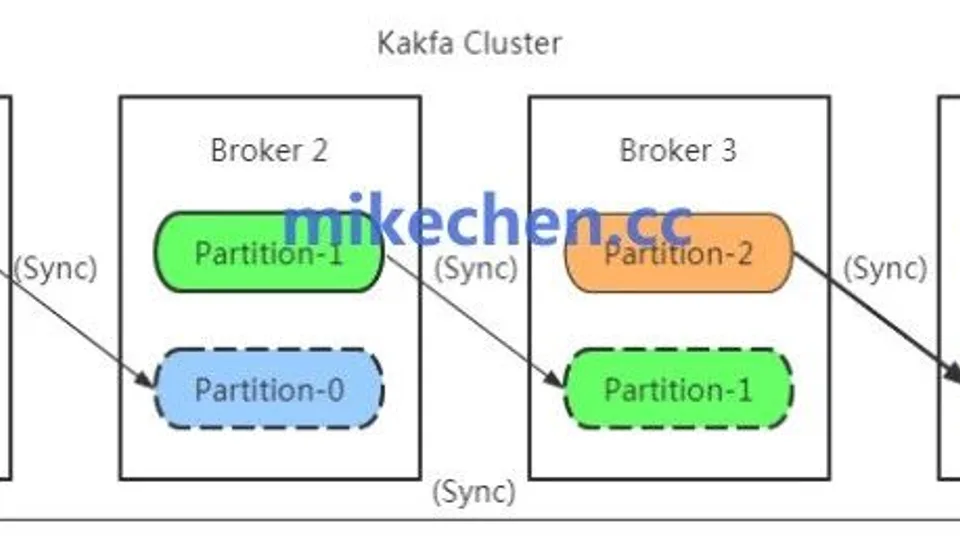
This guide explains practical techniques to dramatically increase Kafka consumer throughput, including scaling consumer instances or partitions, tuning fetch and poll parameters, and implementing a multithreaded consumer model, while also covering hardware, JVM, and OS optimizations and monitoring recommendations.
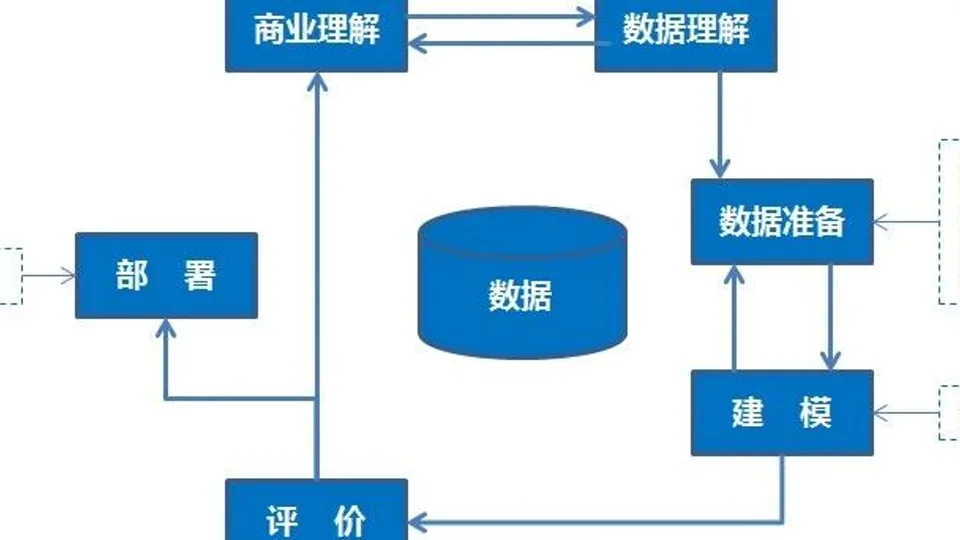
The article explains that enterprise data mining isn’t about extracting raw numbers but about discovering underlying business patterns, relationships, anomalies, and trends—such as churn risk, production issues, product bundling opportunities, and profit‑draining steps—while emphasizing that stable, integrated data foundations are the real prerequisite for valuable insights.
This article provides a comprehensive, step‑by‑step guide to mastering Spark SQL in high‑concurrency, billion‑row scenarios, covering the execution chain, architecture layers, Delta Lake integration, performance tuning, production‑grade streaming and batch pipelines, Kubernetes deployment, parameter management, observability, and real‑world case studies.
Spark 4.0 delivers 20‑50% performance gains and new features like Spark Connect, VARIANT types, and enhanced SQL, but it also introduces breaking changes such as mandatory JDK 17, dropping Scala 2.12, default ANSI mode, removal of Mesos, and altered JDBC type mappings, requiring careful planning and staged migration to avoid runtime failures.
Apache Iceberg v3 introduces deletion vectors, row‑level lineage, a native VARIANT type, default column values, and nanosecond timestamps, delivering up to ten‑fold faster updates, native CDC, seamless semi‑structured data handling, and industry‑wide adoption that effectively ends the format war between lake and warehouse solutions.
This article analyzes Xiaohongshu's data platform evolution—from a simple ClickHouse‑based analytics layer to a Lambda architecture and finally a lakehouse design—highlighting how adopting a new incremental computing model reduced architecture complexity, resource consumption, and development effort each to roughly one‑third while delivering sub‑second query performance on petabyte‑scale data.
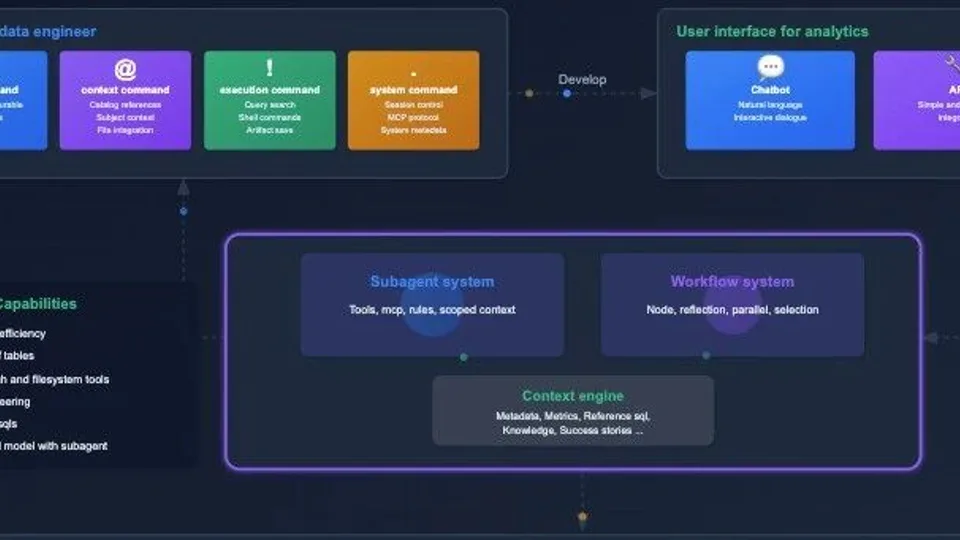
Facing fragmented workflows and tool overload in modern data engineering, Datus-agent introduces an AI‑native, open‑source agent that builds evolving contextual maps, encapsulates domain‑specific sub‑agents, and automates the full data‑pipeline lifecycle—from natural‑language queries to SQL generation, quality checks, and task scheduling—enabling analysts and engineers to collaborate efficiently.