This article explains big data technology architecture by tracing a real-time sales dashboard pipeline, detailing each layer—data sources, ingestion, messaging, storage, compute, query, visualization—and cross-cutting concerns like scheduling, metadata, quality, and resource management, while comparing offline, real-time, lakehouse, and cloud-native architectures and distinguishing technical layers from data warehouse layers.
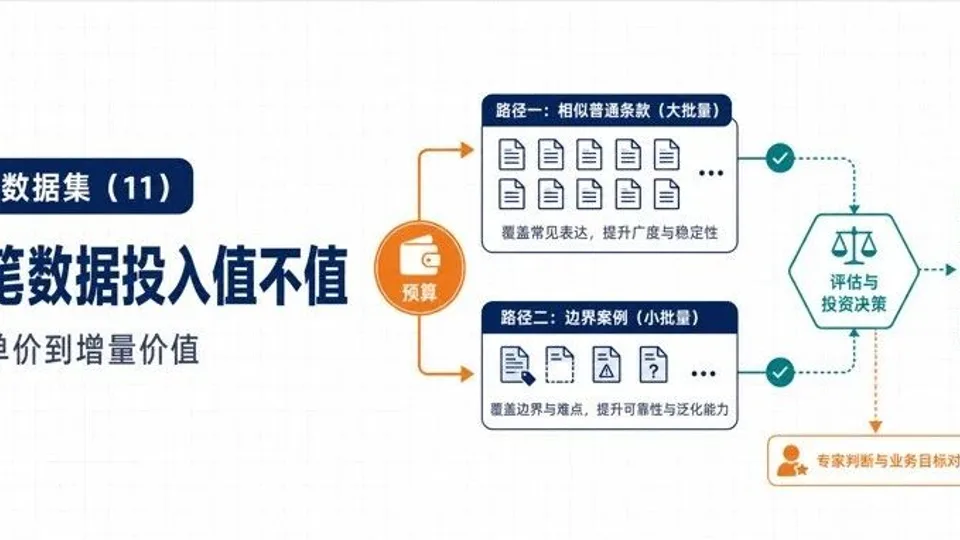
This article defines a rigorous framework for dataset investment decisions by breaking down total cost of ownership into five categories, validating marginal data value through controlled experiments and learning curves, and establishing stage-gated financial criteria to prevent over-investment in low-impact data.
This article explains how EMR Serverless Ray's AI Functions (ray.data.ai) integrate model inference into distributed data pipelines, covering pipeline integration, concurrency control, result tracking, usage monitoring, and practical examples for text, image, video, and audio processing with code samples.
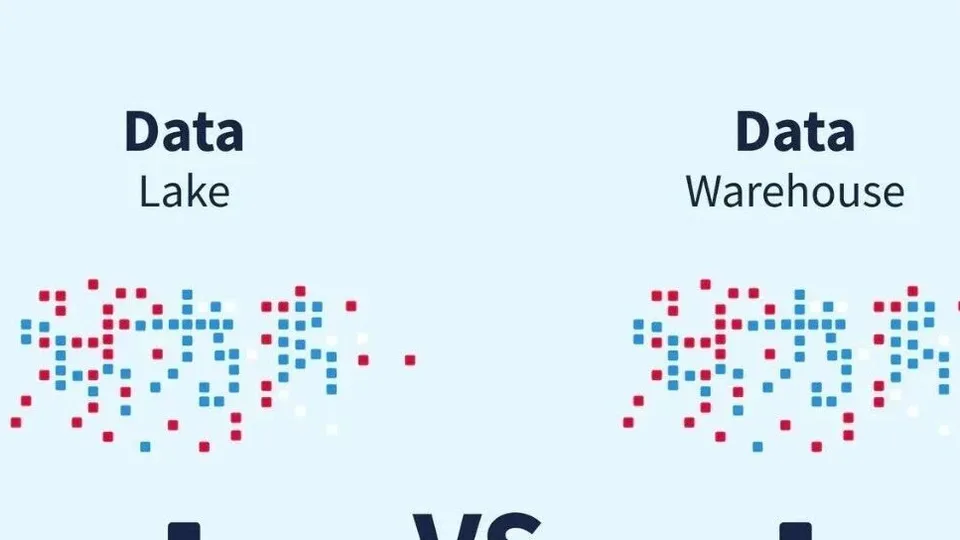
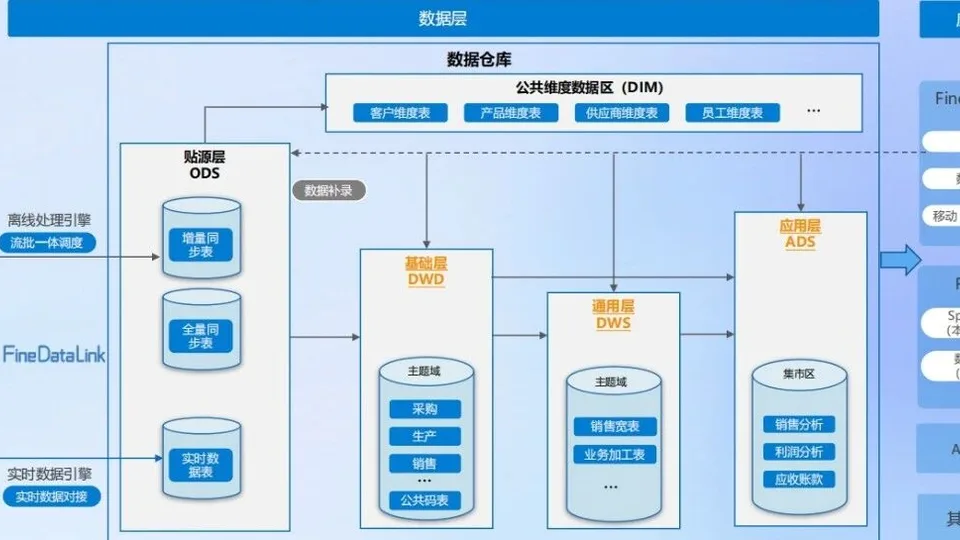
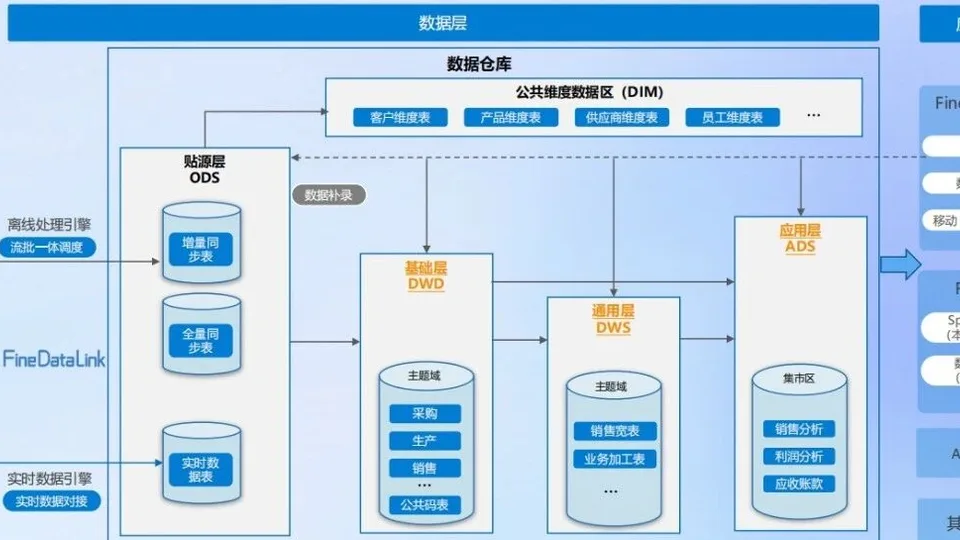
This article explains the core differences between data lakes and data warehouses, detailing their architectures (ODS/DWD/DWS/ADS layers, schema-on-write vs schema-on-read), how they complement each other in a combined architecture, and provides three key questions to guide technology selection based on data types, user roles, and team capacity.
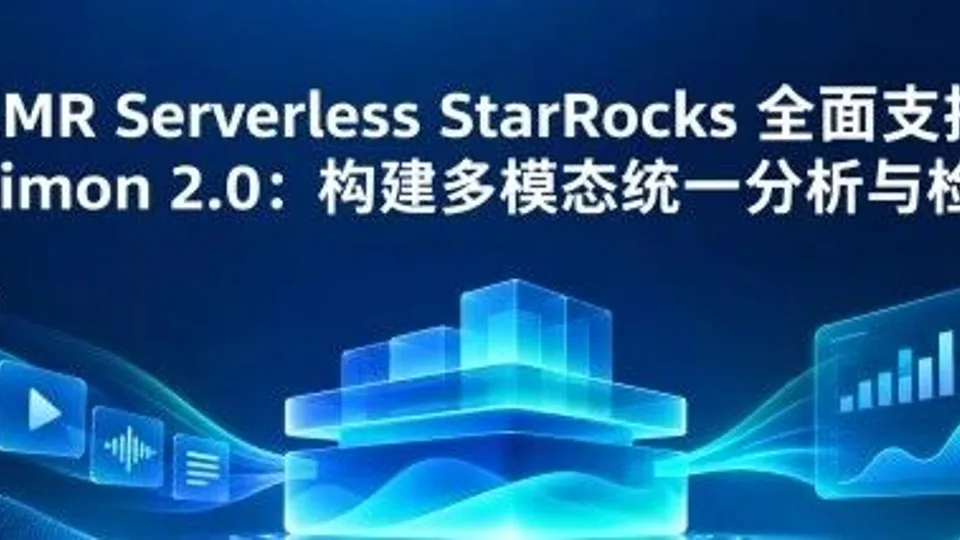
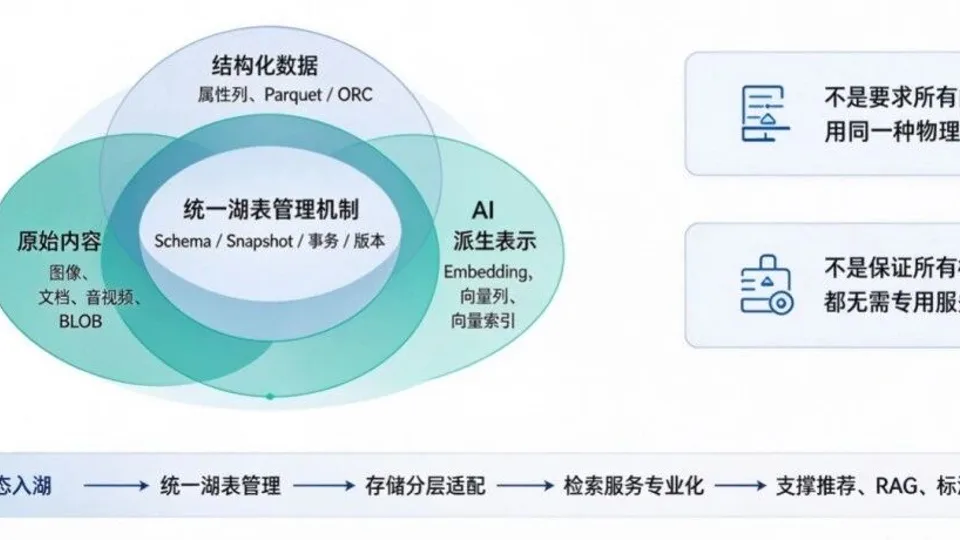
Alibaba Cloud's EMR Serverless StarRocks now fully supports Apache Paimon 2.0, enabling unified multimodal analytics and retrieval by integrating vector search, full-text search, scalar filtering, and BLOB handling within a single lakehouse architecture, with best practices for data management and query optimization.
This step-by-step guide walks new users through enabling MaxAgent standard edition, confirming account permissions, asking a structured first question about MaxCompute external tables, validating the AI response against official documentation, reviewing conversation history, and understanding the shared Credits quota model for sustainable usage.
This article analyzes five root causes of data duplication, classifies duplicate types, compares SQL deduplication methods (DISTINCT, GROUP BY, ROW_NUMBER), covers source-level prevention with unique constraints and idempotency, explains real-time CDC deduplication strategies, and outlines a five-step process for building sustainable data quality governance.
This article explains exactly-once processing semantics in data engineering, contrasting it with at-most-once and at-least-once, detailing why retries cause duplicates, the roles of checkpoints, idempotency, and transactions, why technical exactly-once doesn't guarantee business correctness, and the four critical failure tests needed before production deployment.
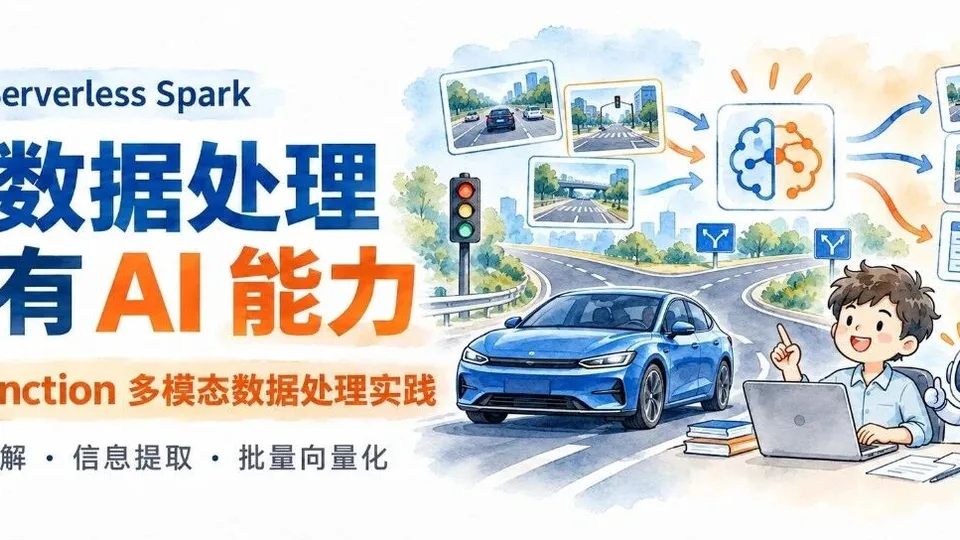
A leading automaker processes hundreds of millions of road images using Alibaba Cloud EMR Serverless Spark AI Functions for scenario extraction and vector embedding, integrating multimodal model calls into Spark jobs via SQL, PySpark, and Ray to enable efficient retrieval and sample selection for autonomous driving training.
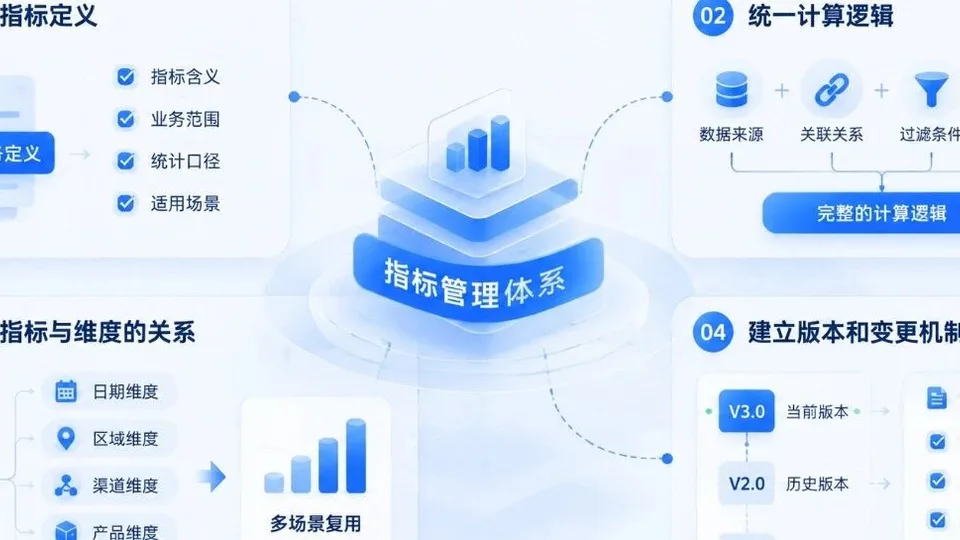
This article explains the distinct roles of data warehouses, metric platforms, and BI tools, demonstrating why a data warehouse alone cannot unify business metric definitions, and provides a five-step framework for building a metric management system that ensures consistent calculations, version control, and cross-departmental reuse.
Benchmark tests show EMR Serverless Ray combined with Lance achieves sub-second vector retrieval on billion-scale autonomous driving datasets (768-dim, L2, top-20k), with P50 latency of 1.23s for pure vector search and 3.95s for multi-filter queries, enabling integrated multimodal Python workflows for embedding generation, reranking, and sample mining.
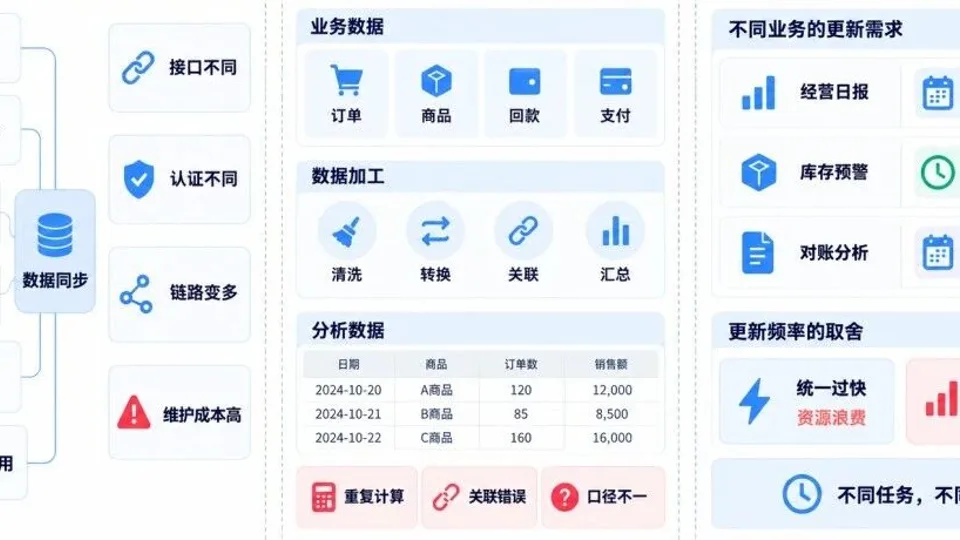
This article explores the complexities of data synchronization across heterogeneous systems and introduces FineDataLink 5.0 as a unified platform supporting 100+ data sources with offline batch, incremental, and CDC real-time sync modes, visual ETL, data quality checks, and task scheduling for reliable data pipelines.
This whitepaper defines AI-driven autonomous data governance with a five-layer architecture, three autonomy levels, and human-in-the-loop boundaries, detailing implementation scenarios, a DataGovernance-MLOps loop, phased rollout strategies, ROI metrics, organizational changes, and a retail case study showing 93% asset coverage and 68% ticket reduction.
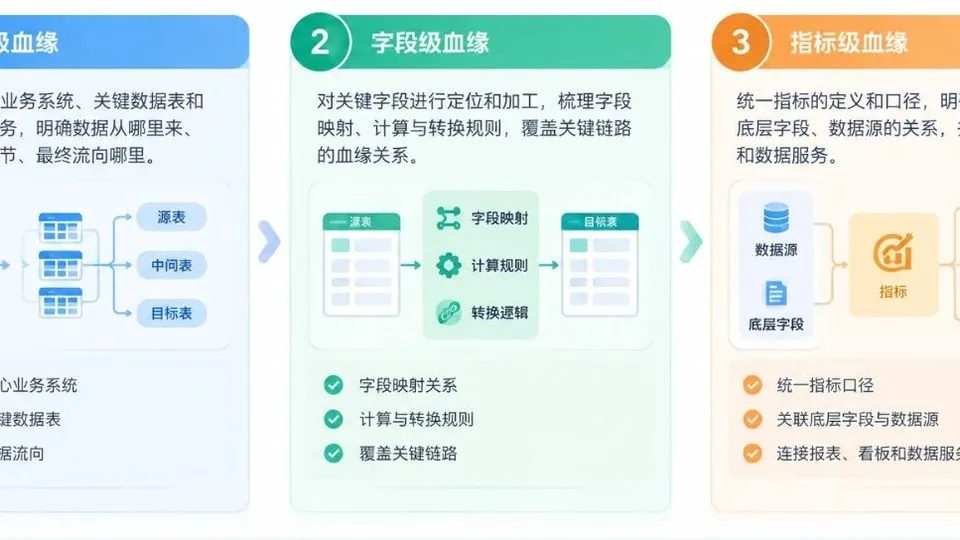
This article explains how to implement data lineage at three levels—table, field, and metric—detailing the purpose, methods, and limitations of each, and recommends a phased approach for enterprises to build traceable, assessable, and maintainable data governance.
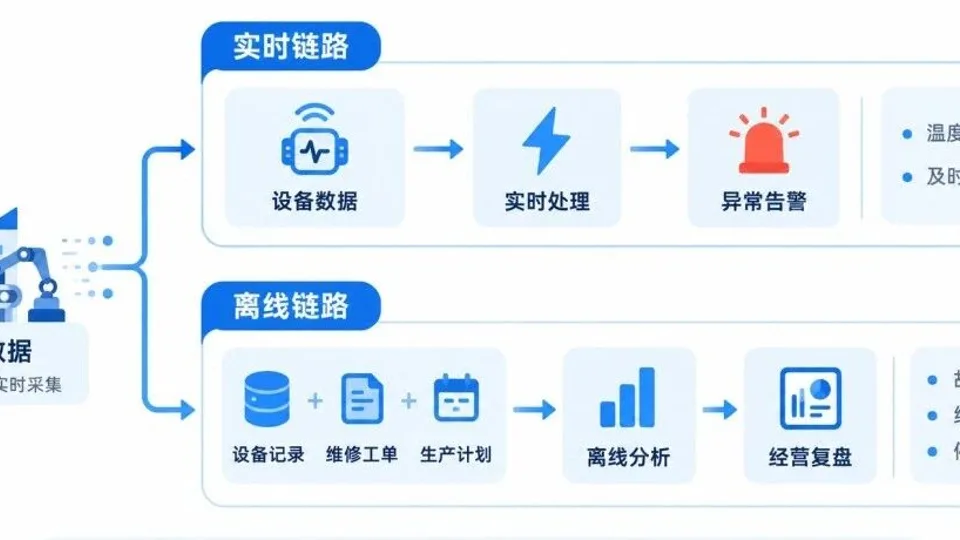
This article contrasts real-time and offline computing, showing how they serve distinct business needs—real-time for immediate alerts, batch for accurate periodic analysis—and provides a practical framework for choosing and combining both while keeping key metrics consistent.
This article tests Polars 2.0 against 1.43.2, revealing that join row order is no longer stable, Int64+UInt64 operations now return Int128 instead of Float64 for exact precision, and LazyFrame.collect() defaults to the streaming engine—though not all queries gain out-of-core capability.
This article explains how StarRocks integrates with Apache Fluss to enable SQL queries across real-time streaming data and historical lakehouse data, detailing the architecture, catalog setup, union read mechanics, performance optimizations, and future roadmap for unified analytics.
Alibaba Cloud's Flink and Fluss integration enables Streaming Agents to continuously ingest multimodal data, maintain real-time context via lake-stream unified storage, and power applications like live sports commentary, short-video marketing, and store monitoring with millisecond latency and cost efficiency.
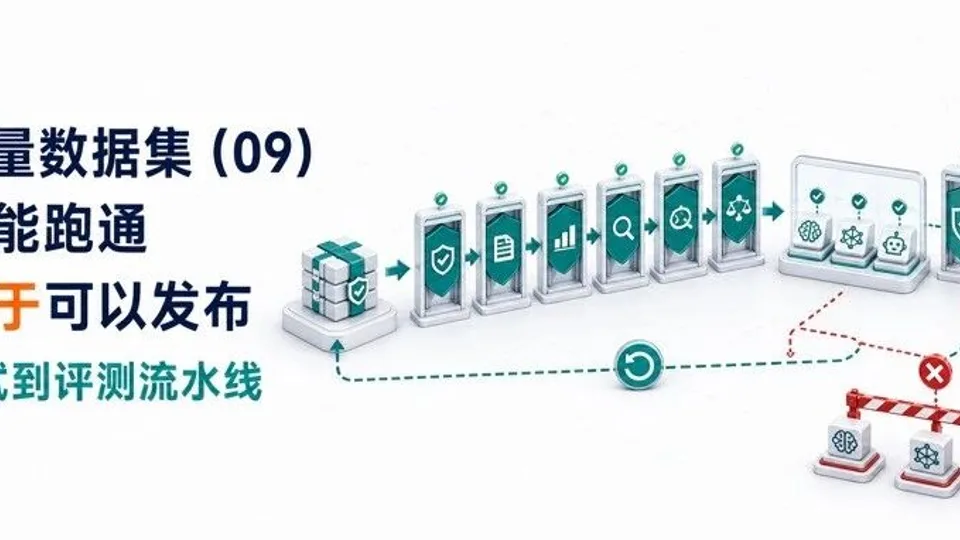
The article details a continuous delivery pipeline for high-quality datasets, combining Dataset CI for contract validation and Eval CI for task regression, with automated quality gates, manual approvals, canary releases, and full-baseline rollback, using a policy knowledge base as a running example.