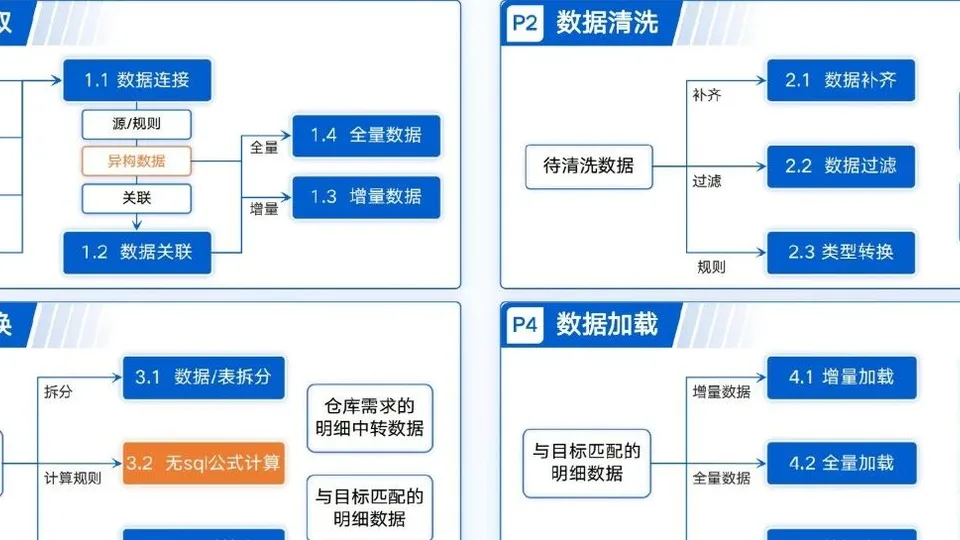
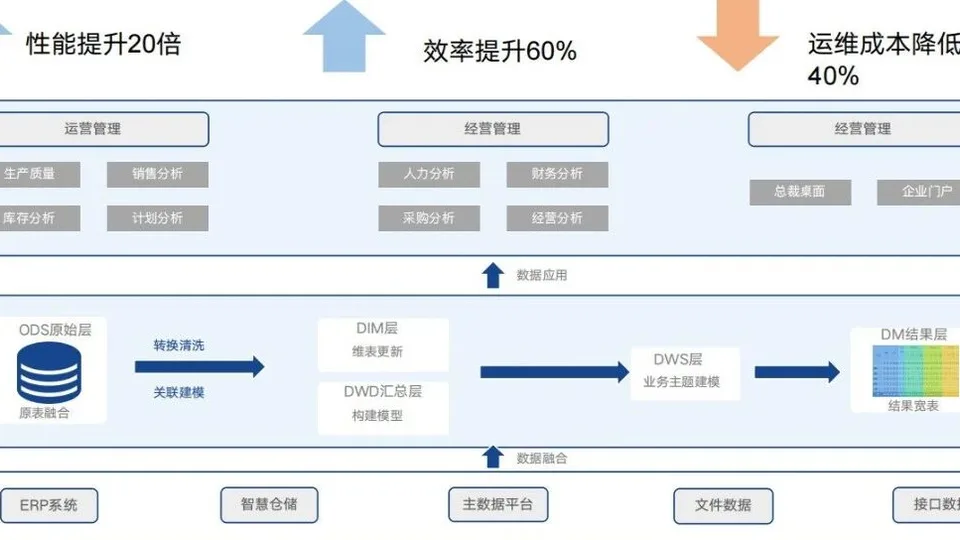
This article explains data architecture from the ground up, covering data sources, storage options such as operational databases, data warehouses and data lakes, ETL processing steps, layered data modeling, service delivery methods, and governance practices to ensure reliable, secure, and business‑driven data management.
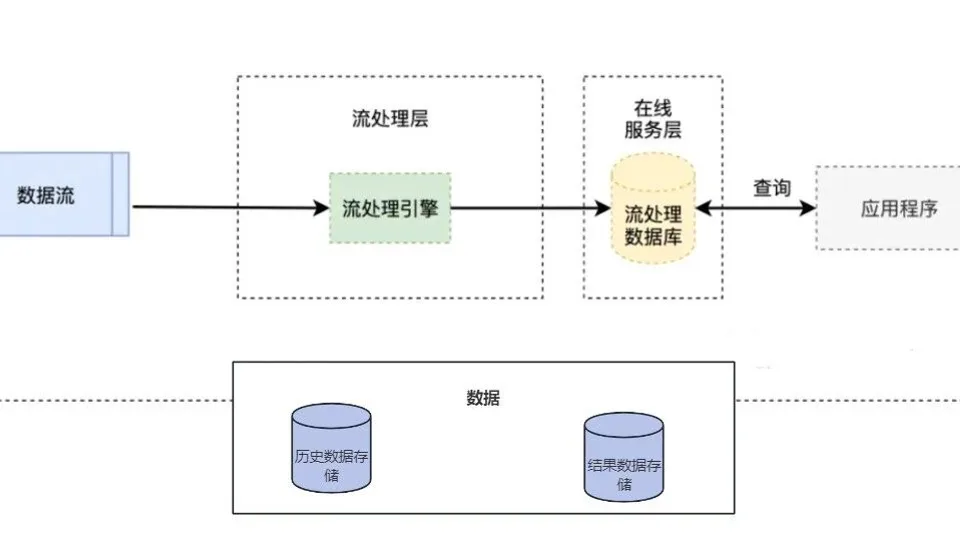
The article explains that real‑time data processing requires not only speed but also accuracy, stability, and long‑term maintainability, compares Lambda, Kappa, and unified batch‑stream architectures, discusses lakehouse storage, and provides practical guidance on selecting the most suitable approach for different project needs.
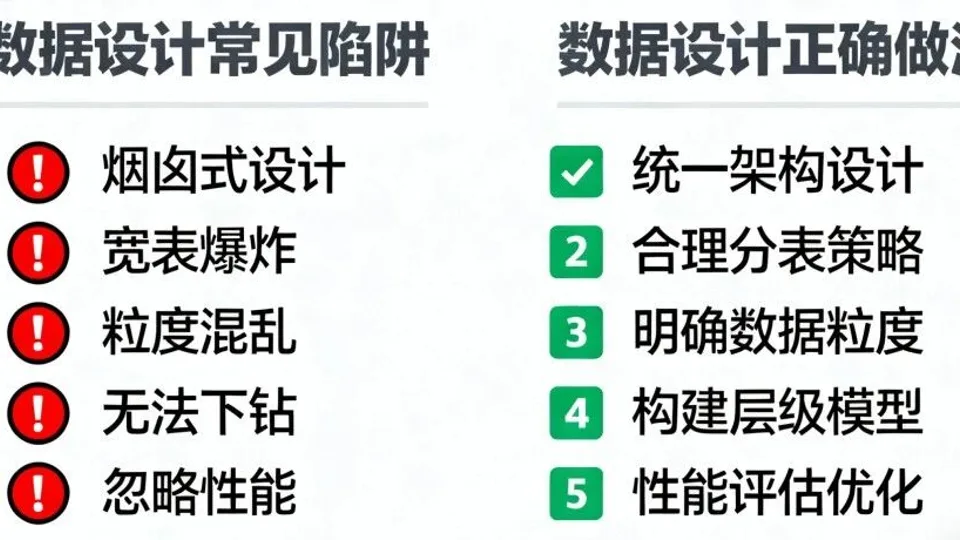
This article dissects the five most common pitfalls when transitioning from DWD to DWS aggregation tables—such as chimney‑style designs, over‑wide tables, grain mismatches, missing drill‑down keys, and performance neglect—and offers concrete, production‑ready solutions to create reusable, efficient, and cost‑effective data‑warehouse layers.
This article explains the concept, key terminology, and practical implementation of Vintage (cohort) analysis in financial services, detailing how to build tables and curves, integrate data pipelines, and use the insights to optimize marketing strategies, credit risk assessment, and operational efficiency.
This article details Gaode Maps' end‑to‑end lakehouse solution for massive, high‑frequency trajectory data, covering the challenges of real‑time visibility, query performance, and storage cost, and explaining how a hot‑warm‑cold tiering architecture built on Apache Flink, Paimon, StarRocks, Redis and Lindorm delivers millisecond‑level queries while cutting storage expenses.
When business requirements change every few days, traditional data architectures become rigid, tightly coupled, and slow, causing endless cycles of overtime; this article analyzes the root causes and presents a layered, configurable, and API‑driven approach—including moderate redundancy, data catalogs, and decoupled layers—to enable data systems to adapt quickly and reliably.
This article details iQIYI's evolution from a tightly coupled private‑cloud Kafka setup to a cloud‑native AutoMQ architecture, describing the challenges of scaling, the development of the Stream platform and Stream‑SDK, the migration to hybrid and public‑cloud Kafka, and the resulting cost and elasticity improvements.
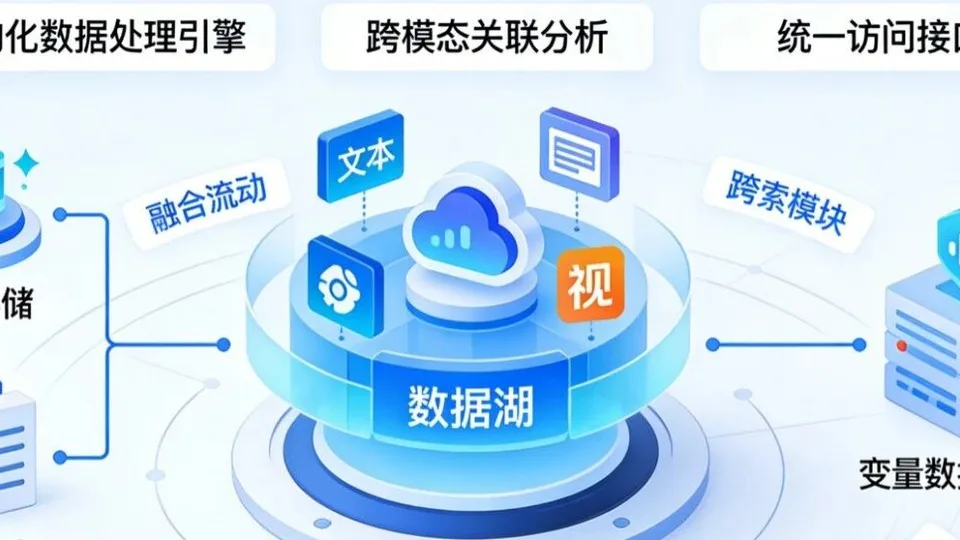
This article provides a practical framework for SMEs to select and implement data platform architectures, comparing traditional warehouses, lakehouse, and multimodal data lakes across cost, ROI, and operational efficiency, with scenario-based recommendations and a lightweight lakehouse implementation guide using open-source stack Flink, Paimon, StarRocks, and MinIO.
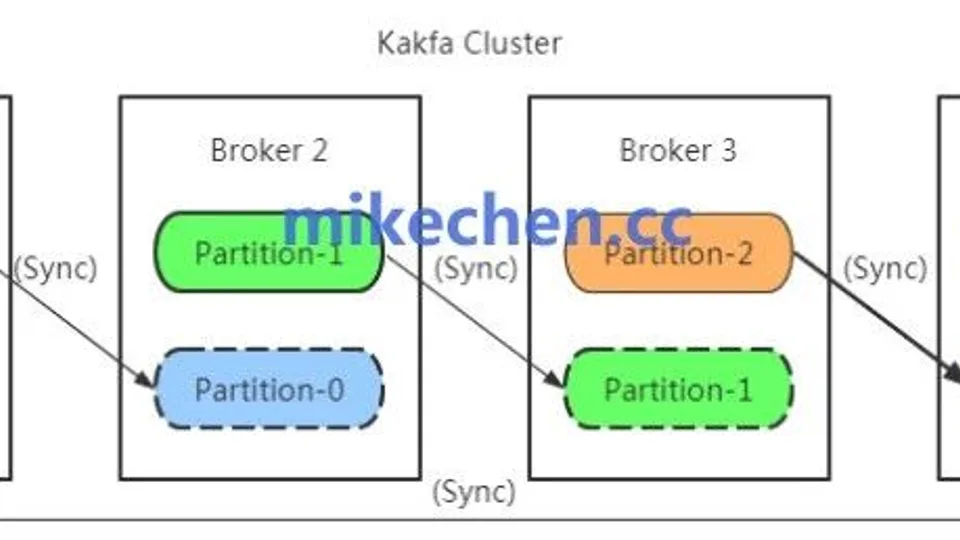
This article explains Kafka’s core mechanisms for preventing data loss, covering replica architecture, leader‑follower roles, ACK policies with ISR, log persistence and flush strategies, as well as producer idempotence and transactional support that together ensure reliable, exactly‑once delivery.
This article details Gaode Maps' end‑to‑end lakehouse solution for handling high‑frequency, high‑volume trajectory data, covering the challenges of real‑time visibility, multi‑scenario queries, storage cost, and data silos, and describing the layered storage architecture, performance validation, and future expansion plans.
This article explores how artificial intelligence enhances data warehouses by automating model design, generating SQL from natural language, optimizing resource scheduling, and enabling business users to converse directly with data, while also reviewing leading tools and future cloud‑native trends.
This article compiles the most frequently asked interview questions for 2026 data‑warehouse development engineers, covering core concepts, layer architecture, SQL optimization, window functions, Hive vs Spark, data skew solutions, modeling metrics, slowly changing dimensions, scheduling tools, data quality monitoring, and real project experience.
This article details Xunlei's migration from a fixed Hadoop cluster to Alibaba Cloud EMR Serverless Spark, outlining the platform's background, pain points, technical upgrade goals, serverless capabilities, archive data access methods, Kyuubi integration, and the resulting business and technical benefits.
The article details JD’s data lake architecture, its 500 PB scale, self‑developed Hudi extensions—including LSM‑Tree‑based MoR tables, custom indexing, IO optimizations, Flink stream scheduling, and NativeIO SDK—along with benchmarks, community contributions, and future roadmap for real‑time big‑data processing.
The article explains why many companies fail with fragmented data models, defines what an enterprise‑level data model is, outlines its four key benefits, and provides a detailed six‑step implementation guide—including scope definition, data investigation, layered architecture, standardization, tool selection, and iterative rollout—to avoid common pitfalls.
This article details a full-chain optimization of a Flink CDC real-time data warehouse pipeline syncing 20 MySQL instances to StarRocks via Kafka, resolving GC crashes, checkpoint failures, and 30-minute latency through resource scaling, parallelism redesign, memory tuning, checkpoint configuration, and startup strategy changes, achieving 5-second end-to-end latency and 100% checkpoint success.
The article explains what data elements are, why they matter for efficiency and market competition, and provides a step‑by‑step framework—including data inventory, standardization, governance, and application—to help enterprises transform raw data into valuable, actionable assets while avoiding common pitfalls.
This guide walks you through setting up a secure, elastic, and high‑performance AI data processing platform on Alibaba Cloud by combining DataWorks, MaxCompute, and MaxFrame, covering the four essential steps, code examples, best‑practice tips, and common troubleshooting advice.
StarRocks and Apache Paimon have been progressively integrated across multiple releases, enabling a unified lakehouse architecture that supports multi-source federated analysis, time-travel queries, native readers/writers, distributed planning, and advanced profiling, while delivering performance gains that bring Paimon query speed on par with native StarRocks tables.
The "Academic Path" lecture series at Tsinghua University taught non‑CS students practical Python techniques—including Requests, AJAX, Selenium, PDF parsing, and multiprocessing—to extract, process, and analyze financial data, culminating in hands‑on case studies of ESG news, A‑share reports, and IFC databases.