LinkedIn, facing planetary‑scale data volumes, found Kafka’s architecture hitting fundamental limits and built Northguard—a decentralized, log‑striped streaming platform with Raft‑based metadata and an Xinfra migration layer—to gradually replace Kafka’s core responsibilities while maintaining compatibility.
A big data expert from a large tech company builds a full Hadoop/Spark/CDH stack for a traditional enterprise with only hundreds of thousands of daily records, causing high maintenance costs, half-hour query delays, and eventual departure; the case underscores the importance of matching technology to business scale, with StarRocks proposed as a lightweight alternative.
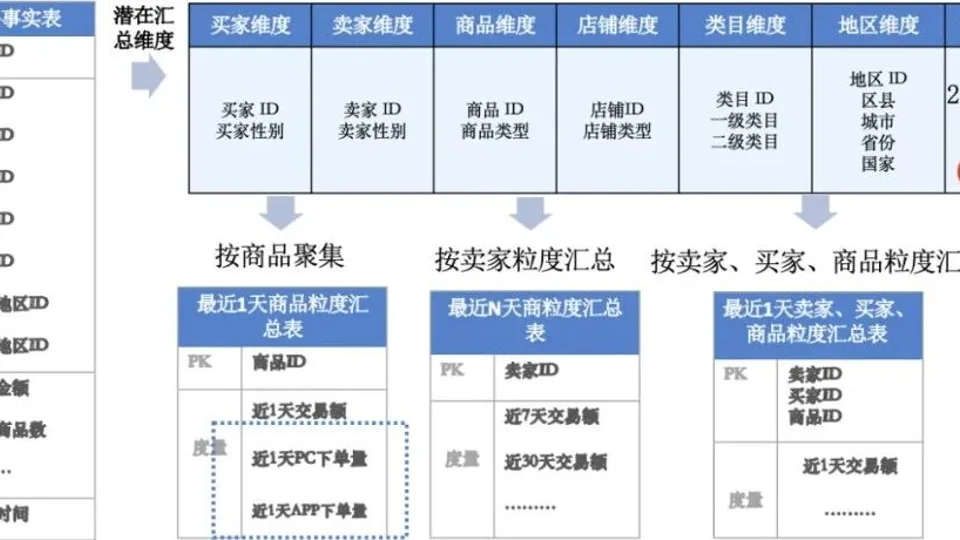
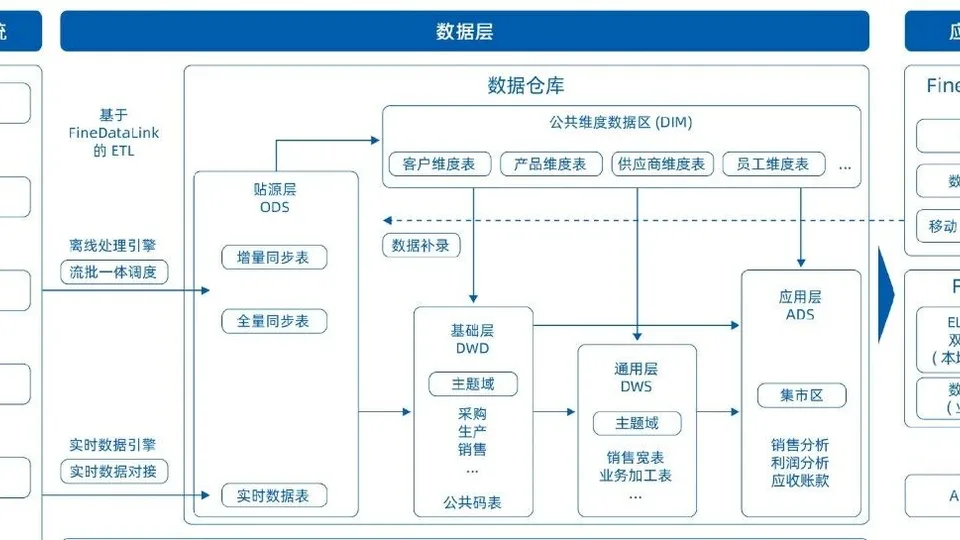
This guide explains the DWD (detail) and DWS (summary) layered modeling approach combined with wide‑table driving, covering model positioning, design principles, concrete schema examples, implementation techniques, performance tips, and common pitfalls to help build clean, reusable, high‑performance enterprise data warehouses.
The Tsinghua University Big Data Capability Project applied GRU‑based deep learning, pulse‑event encoding, and advanced feature engineering to transform discrete refinery energy data into continuous sequences, achieving prediction accuracies of 84.2%, 82.7% and 81.6% for fuel gas, medium‑pressure and low‑pressure steam respectively.
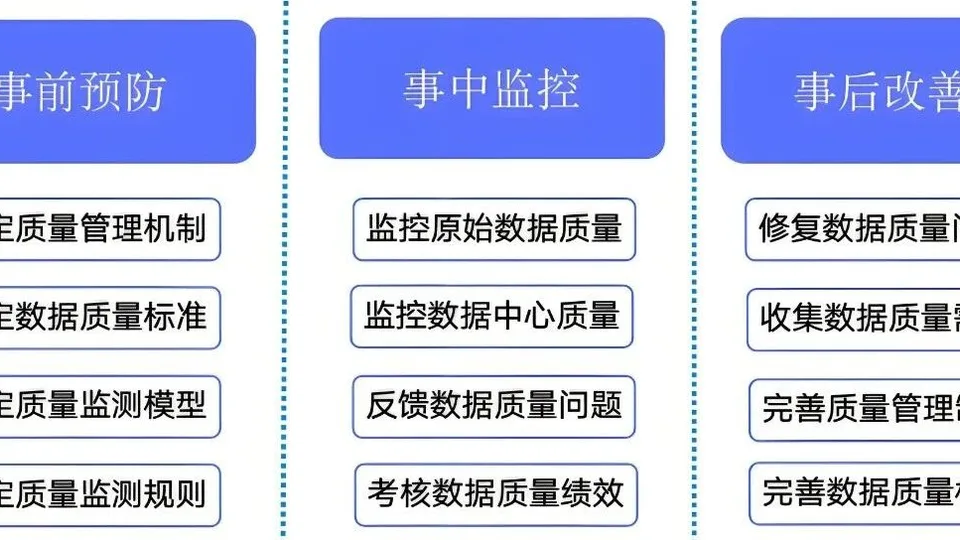
This guide explains the core data‑warehouse terminology—from ODS, DWD, DWS, and ADS layers, through fact and dimension tables, SCD handling, partitioning and bucketing, to data quality dimensions, common data issues, ETL vs. ELT, data lake vs. warehouse, and OLTP/OLAP concepts—providing a complete reference for new data engineers.
This guide explains how to reliably export over a billion Elasticsearch documents within a few hours by using Point‑In‑Time (PIT) snapshots combined with parallel Slice processing, covering diagnostics, performance modeling, consistency levels, failure recovery, and resource isolation.
This article explains how Taotian Group unified real‑time and offline data using Paimon as lake storage and StarRocks for high‑performance OLAP, eliminating costly sync pipelines, cutting refresh time by about 80%, saving nearly ten million yuan annually, and detailing the architecture, cluster safeguards, configuration tweaks, monitoring, and future roadmap for large‑scale promotional events.
This comprehensive guide explores Kafka’s core value as a message queue, explains producers, consumers, topics, partitions, and replication, dives into cluster architecture, zero‑copy I/O, resource planning for disks, memory, CPU and network, and provides practical configuration, consumer‑group management, and operational tooling tips for building high‑throughput, highly available Kafka deployments.
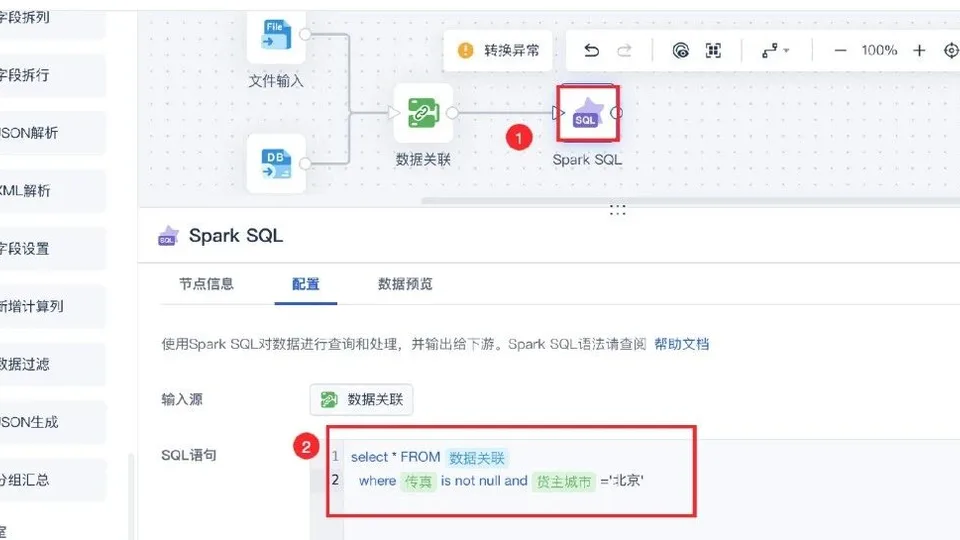
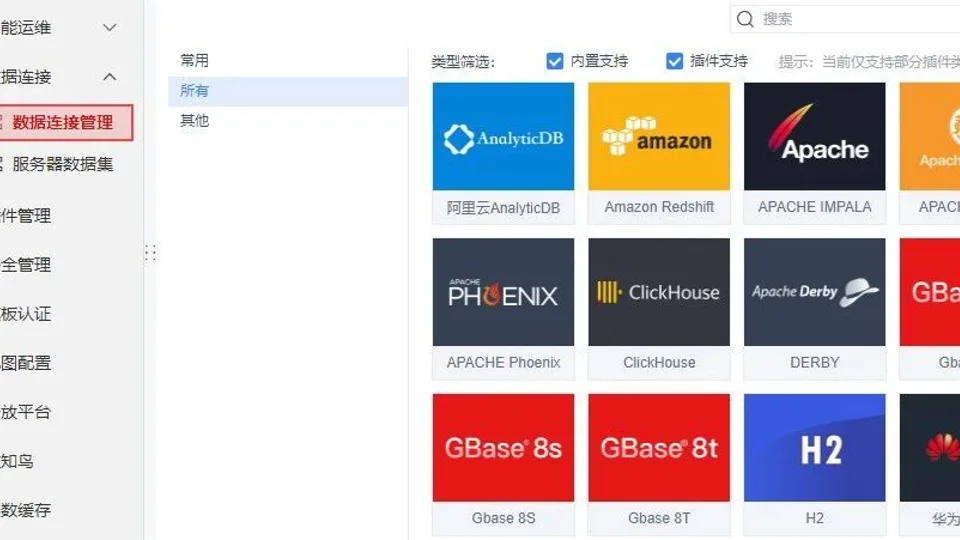
Although Spark excels at large‑scale, complex computations and offers high‑level APIs like DataFrame and SQL, real‑world projects often require additional tools for data ingestion, task scheduling, and simple streaming, so combining Spark with a data‑integration platform such as FineDataLink yields a more efficient and maintainable pipeline.
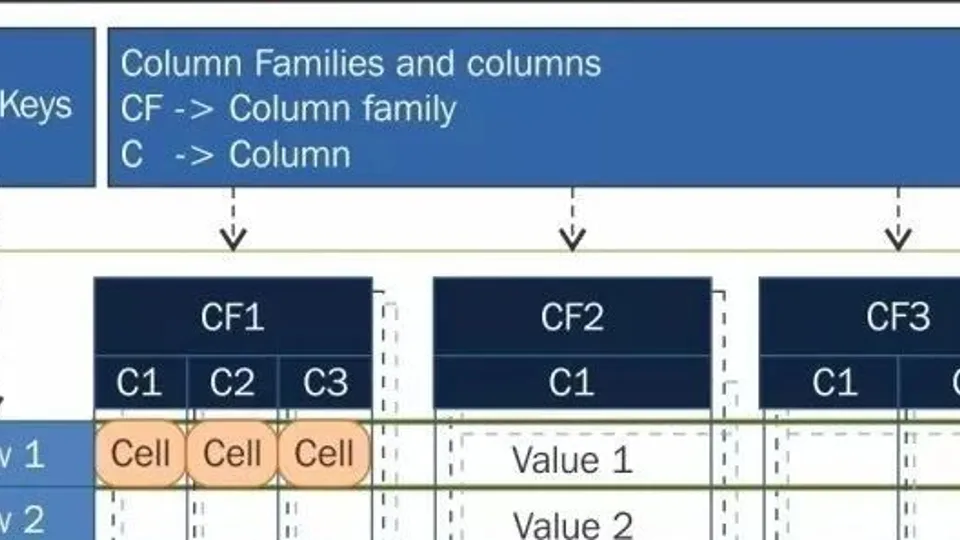
The article provides a detailed technical analysis of Apache Atlas, describing its core components, type system, JanusGraph‑based graph storage on HBase, the mapping of various metadata types to vertices and edges, and the three‑phase parsing and validation process that together support scalable Hadoop governance.
This article explains how to inject the LanceSpark plugin into Spark, covering the core LanceSparkSessionExtensions class, various ways to register extensions, the custom parser and planner strategy implementations, and the underlying Spark mechanisms such as injectParser, injectPlannerStrategy, and PredicateHelper.
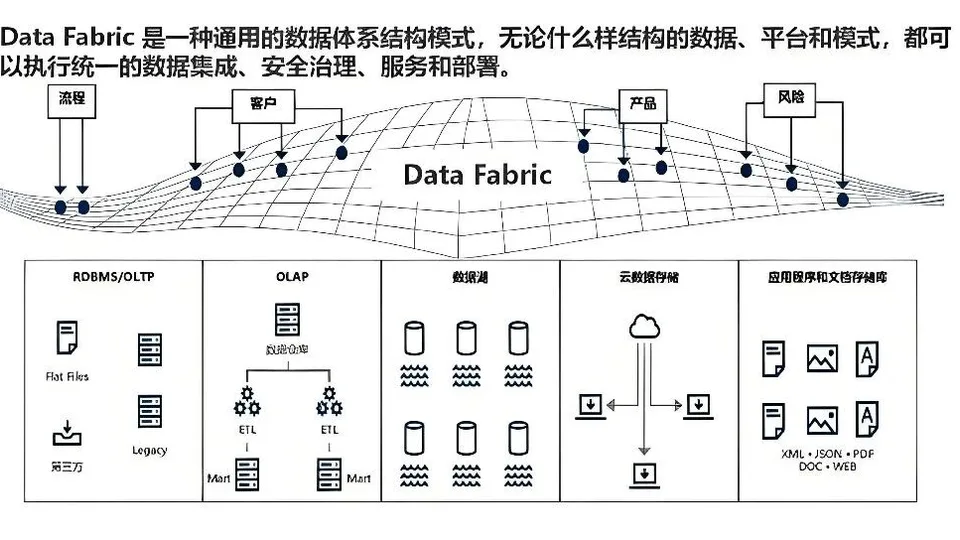
This article explains the concept of Data Fabric, debunks common misconceptions, outlines the three key drivers behind its rise, and provides a practical four‑step roadmap—including metadata, semantic layers, policy engines, and AI—to help teams of any size adopt the technology.
This article details the challenges of comparing billions of rows during large‑scale data migrations, presents a multi‑step solution using union‑all grouping, hash‑based aggregation, and intelligent primary‑key detection, and explains platform features, performance optimizations, and future enhancements that reduced comparison time by up to 70%.
The article examines Kettle's historical strengths, outlines the growing pains large companies face with its batch‑oriented, file‑based workflow, and evaluates FineDataLink as a domestic alternative that offers real‑time sync, simplified configuration, and better collaboration, while also weighing its costs and migration effort.
This article examines the shortcomings of traditional big‑data engines for AI workloads, presents a Ray‑based heterogeneous fusion architecture that unifies CPU/GPU scheduling, Python ecosystems, and streaming‑batch processing, and details fault‑tolerance, checkpointing, compute‑storage separation, resource‑utilization, scalability, and observability improvements that enable thousands of nodes and dramatically higher GPU efficiency.
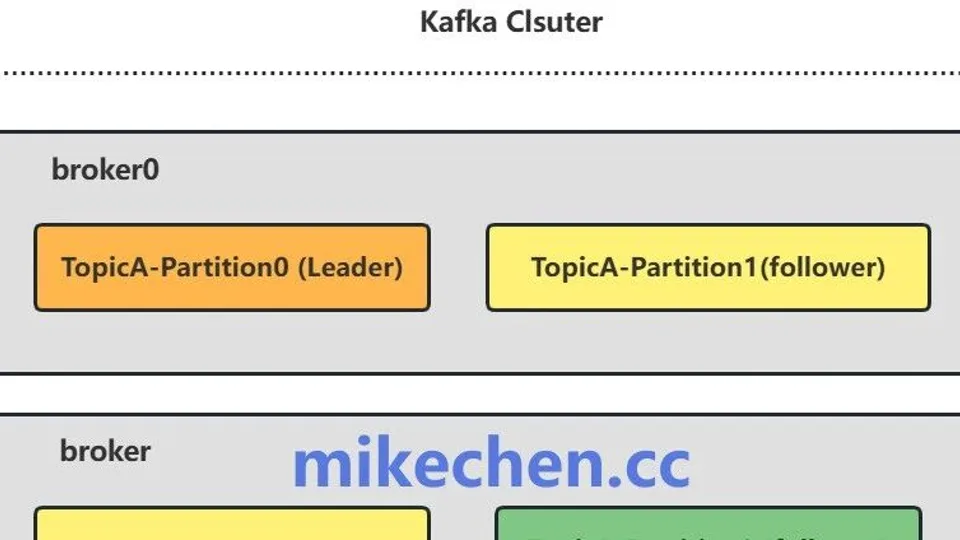
This article explains Kafka's high‑availability architecture, covering multi‑replica replication, leader‑follower election and failover, the role of In‑Sync Replicas, and producer acknowledgment settings with min.insync.replicas for reliable, zero‑data‑loss streaming.
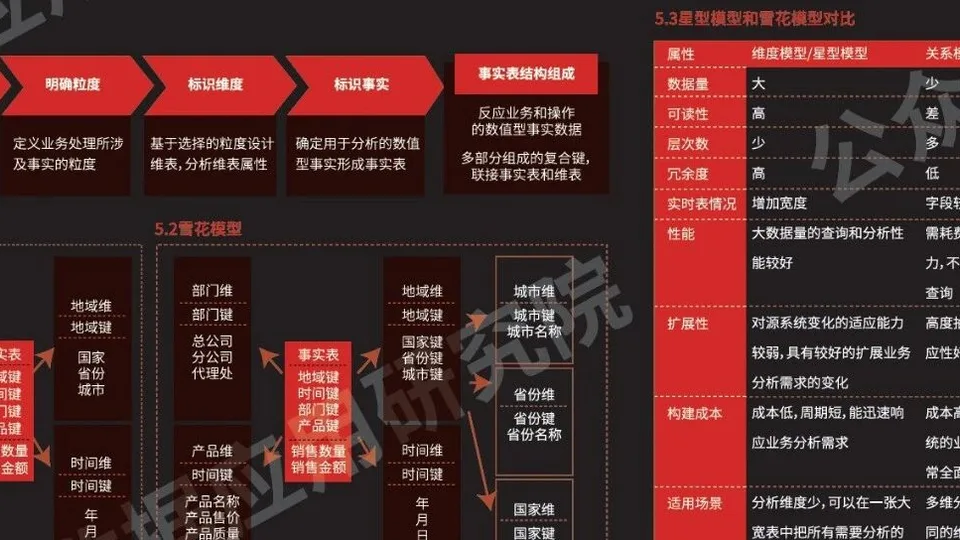
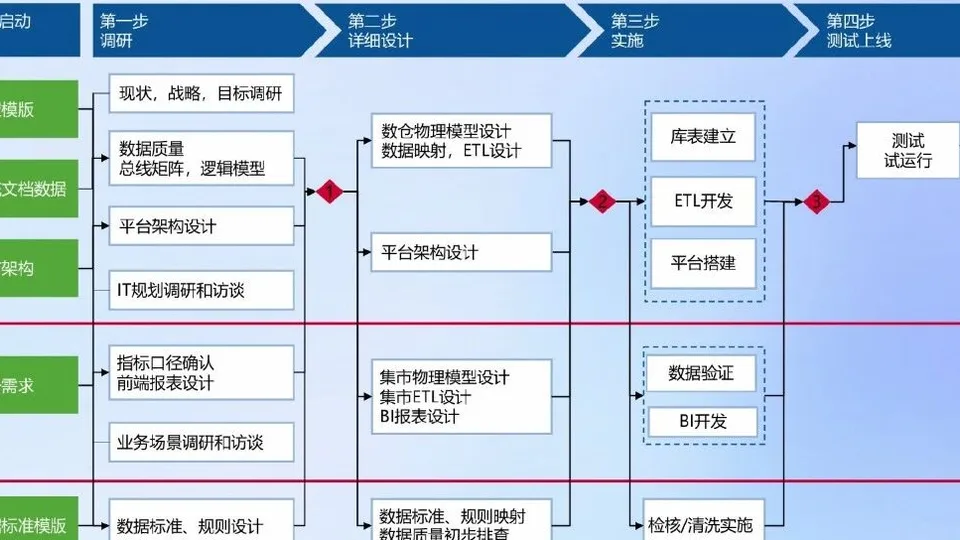
The article explains why scattered, unprepared data hampers analysis, defines data warehouses versus traditional databases, outlines the three‑layer architecture (ODS/Staging, DWD, DWS/ADS), details the ETL process, introduces dimensional modeling, and discusses metadata, data‑quality management, and emerging cloud‑native and real‑time trends.
This article outlines a comprehensive roadmap for data warehousing, covering fundamental concepts, essential big‑data tools, practical implementation steps, advanced architectural topics, and emerging trends such as cloud‑native warehouses and machine‑learning integration, helping readers build a solid knowledge base.
The article breaks down the four Elasticsearch tokenizers tested in the latest Soft Exam, explains their behavior with concrete examples, discusses why search technology is now essential for architects, and predicts future exam trends, offering practical study guidance.
The article explains why rising data volumes inflate cloud bills, identifies poor data modeling as the root cause, and outlines five practical steps—field pruning, proper data layering, pre‑aggregation, hot/cold data segregation, and model documentation—that together can save a company hundreds of thousands of compute dollars each month while boosting query performance.