Blockchain relies on three fundamental technologies—SHA‑256 hashing, public‑key cryptography, and proof‑of‑work consensus—each ensuring data integrity, secure identity verification, and decentralized block creation, with detailed examples illustrating hash collisions, transaction signing, and nonce‑driven mining challenges.
This tutorial explains how to build a fully decentralized peer-to-peer (P2P) blockchain network in Go using the go-libp2p library, covering background concepts, installation, host creation, stream handling, block synchronization, and step-by-step commands to run multiple nodes and observe consensus.
This article explains why more enterprises are adopting blockchain, outlines its core advantages such as immutable distributed ledgers and smart contracts, and presents four practical ways—BaaS, public platforms, open‑source deployments, and custom protocols—for companies to experiment with the technology.
When running an Ethereum full node, Geth can panic with a runtime error "index out of range" caused by LevelDB's shortenb function exceeding its unit array, especially once the database size reaches terabytes, and a simple code tweak can prevent the crash.
This article clarifies that blockchain smart contracts are neither traditional contracts nor inherently smart, explains transaction fundamentals, explores how platforms like Ethereum enable programmable conditions, and examines the security, confidentiality, integrity, and availability challenges they introduce.
This article explains Bitcoin's transaction‑packaging process, the step‑by‑step mining workflow, the causes of blockchain forks—including both natural and intentional splits—and the criteria used to select the best chain as the main chain, providing a comprehensive technical overview.
This step‑by‑step guide shows how to set up a Mac development environment, create a Truffle project, install OpenZeppelin, write and compile a simple ERC20 token contract, deploy it to a Ganache private Ethereum network, and interact with it via MetaMask.
This tutorial explains the fundamentals of Proof‑of‑Stake, compares it with Proof‑of‑Work, and provides a step‑by‑step Go implementation of a PoS blockchain with TCP networking, validator selection, and code snippets for building and running the system.
MIT’s Media Lab unveiled a programmable droplet platform that manipulates liquid droplets on a low‑friction PCB for uses ranging from a self‑painting palette to a Pac‑Man‑style game console, while researchers at Victoria University of Wellington proposed a quantum‑time‑entangled blockchain that secures data with temporally entangled photons, offering theoretical resistance to future quantum attacks.
This article explains common Solidity vulnerabilities—including overflow, underflow, function visibility pitfalls, delegatecall misuse, and reentrancy attacks—illustrates each issue with concrete code examples, and shows how to mitigate them using SafeMath and proper contract design.
The article explains how blockchain technology is poised to transform investment operations and financial markets over the next decade, citing early adopters like Northern Trust and ASX, discussing regulatory challenges, and highlighting perspectives from industry leaders on efficiency, transparency, and disruption.
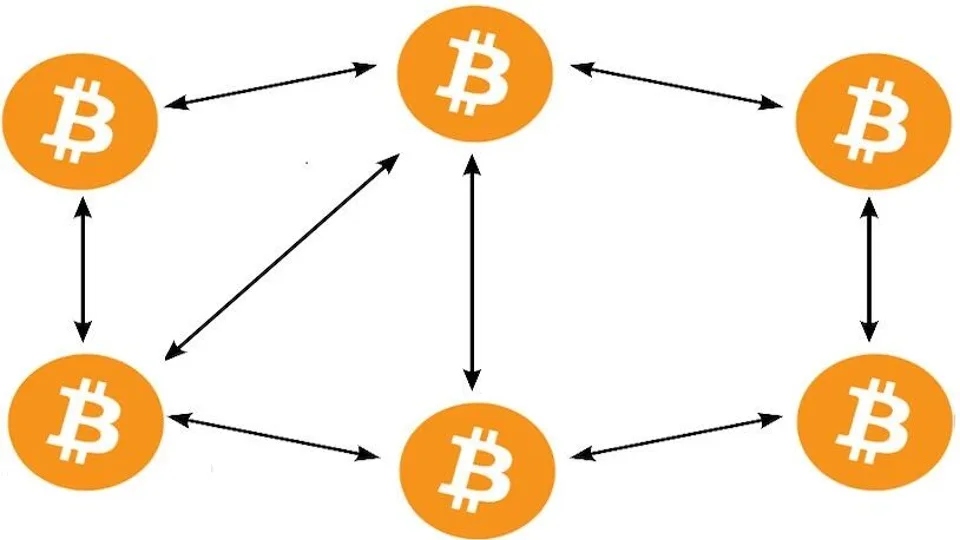
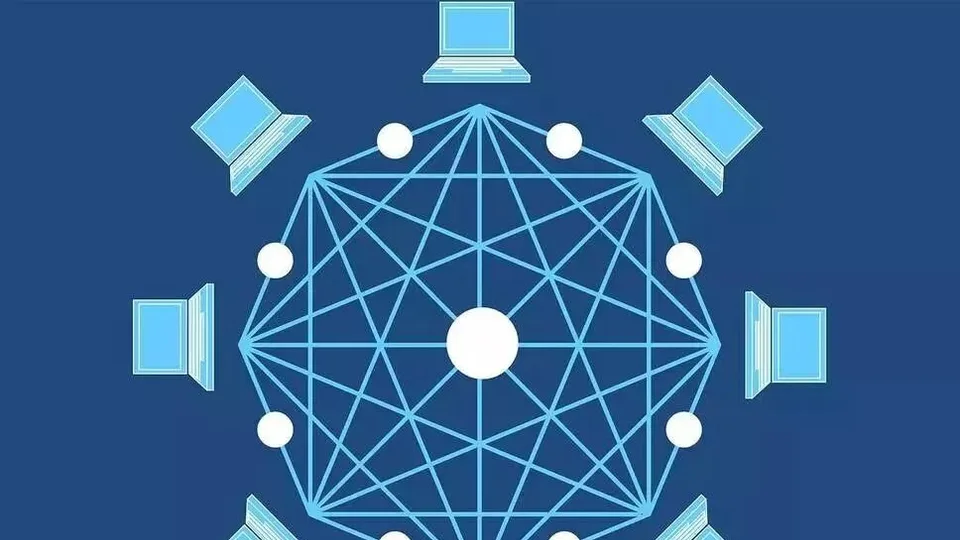
This tutorial walks through creating a fully decentralized peer‑to‑peer blockchain in Go, covering the background of P2P networks, installing the go‑libp2p library, defining block structures, implementing validation and host creation, handling streams for data exchange, and running multiple nodes to synchronize state without any central server.
This article combines humorous blockchain anecdotes with a clear, illustrated explanation of blockchain fundamentals and a complete Python tutorial that walks you through creating a blockchain, implementing proof‑of‑work, exposing it via Flask APIs, and handling node consensus.
This article guides developers through extending a simple Ethereum voting DApp by introducing ERC20 token-based weighted voting, covering token concepts, Solidity contract design with structs and mappings, functions for buying tokens, voting, and fund transfer, as well as deployment, testing, and front‑end integration steps.
The article examines the 2018 outlook for enterprise blockchain, detailing performance, resilience, security, supportability, and integration challenges while outlining architectural principles, Hyperledger Fabric contributions, and the role of blockchain-as-a-service in moving from proof‑of‑concept to production deployments.
This article explains blockchain fundamentals and demonstrates a Java implementation, covering block structure, immutability, hashing, Merkle trees, transaction handling, proof‑of‑work mining, and unit tests with complete code examples.
This article explains the detailed process of Bitcoin transaction packaging, the steps miners follow to create new blocks, and how both natural and intentional blockchain forks arise, including the criteria for selecting the best chain and the differences between hard and soft forks.
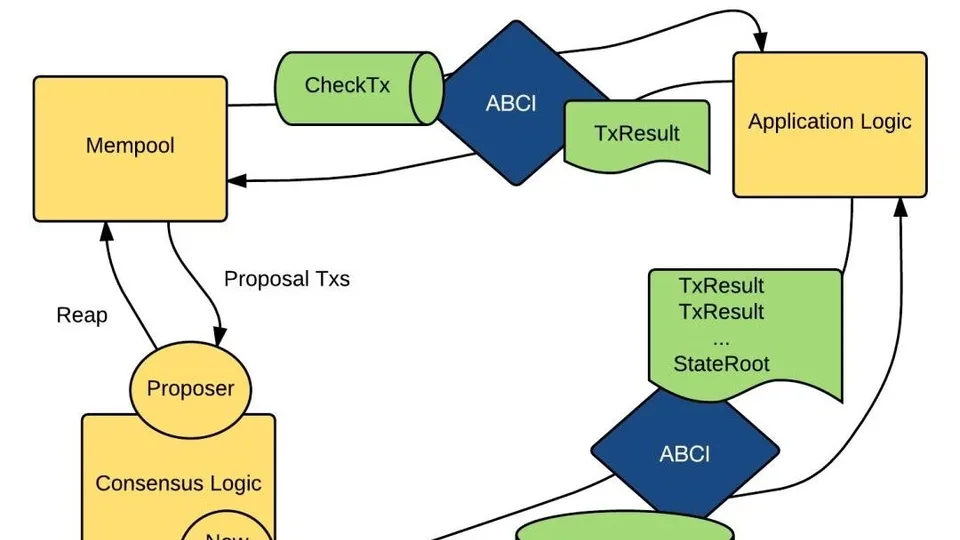
This article introduces Tendermint’s modular blockchain framework, explains its Core and ABCI components, provides step‑by‑step installation and execution of the built‑in key‑value store example, demonstrates transaction creation and querying, and walks through the Go source code for CheckTx, DeliverTx, and Commit functions.
The article explains the concept of Decentralized Autonomous Organizations (DAOs) as blockchain‑based entities that encode governance rules in smart contracts, illustrates early attempts like the 2016 DAO project, and discusses the inherent security challenges of immutable code.
This tutorial walks through creating a decentralized voting application on Ethereum using Solidity contracts, Ganache for local blockchain simulation, Web3.js for RPC interaction, and Truffle for compilation, migration, and front‑end integration, covering setup, contract code, deployment, and both console and web UI interactions.