This step‑by‑step guide shows how to set up a local development environment, write and deploy Solidity smart contracts with Truffle, configure MetaMask, and create a JavaScript front‑end to launch a functional pet‑shop DApp on an Ethereum private chain.
Hyperledger Fabric, an open‑source blockchain framework from the Linux Foundation, provides immutable ledgers, consensus mechanisms, and identity management to address trust challenges in scenarios like inter‑bank settlement and supply‑chain finance, detailing its data structures, modules, transaction flow, and core services.
The Lightning Network is a layer‑2 protocol for Bitcoin that creates off‑chain payment channels enabling near‑instant, low‑cost transactions by routing payments through a network of multi‑signature wallets, and while still under development, it promises to significantly improve cryptocurrency scalability.
The article explains how Ethereum aims to replace centralized cloud services with a decentralized network of nodes, giving users control over their data and creating a global, democratic computing platform, while also noting the challenges of security, usefulness, and scalability.
This tutorial walks through creating a basic Java blockchain that includes block structures, transaction modeling, a proof‑of‑work mining process with configurable difficulty, and functions to compute wallet balances, providing complete source code and explanatory diagrams.
The article explains how Ethereum uses blockchain to host decentralized applications, outlines the three categories of dApps—including fund‑management, hybrid financial/off‑chain, and governance apps—describes their open‑source nature, and discusses examples such as censorship‑resistant micro‑blogging and decentralized autonomous organizations.
This article explains the role of the txpool in Ethereum, details its configurable startup parameters, shows how to inspect pending and queued transactions, clarifies the nonce‑based placement of transactions, and offers practical tips for managing gas price and queue limits.
The article surveys practical blockchain use cases—from real‑time trusted information sharing and copyright protection to supply‑chain traceability, financing, cross‑border payments, asset tokenisation and decentralized currencies—highlighting their cost, speed and transparency benefits while noting that technical, regulatory and ecosystem challenges still limit widespread adoption.
This article traces the ancient origins of ledgers, their evolution through digitization, and explains how modern cryptographic advances have enabled distributed ledgers and blockchain to transform trust, data management, and record-keeping from static paper systems to dynamic, consensus-driven digital networks.
This guide explains why Ethereum transactions may remain unpicked, then shows how to cancel or replace them by manually managing the nonce and adjusting the txpool lifetime setting, including the required command‑line flags and default configuration values.
This article explains how blockchain, as a decentralized and trust‑less ledger, enables digital identity, tokenized assets, smart contracts, automated governance, and streamlined settlement across sectors such as finance, government, and healthcare, while also discussing its challenges and future potential.
This article explains Bitcoin’s innovative UTXO (unspent transaction output) model, why traditional account‑based systems are unsuitable, and provides a complete Node.js implementation covering transaction inputs, outputs, coinbase and regular transfers, complete with code examples and execution details.
The article explains what a double‑spend attack is, illustrates it with a concrete example, and describes how Bitcoin prevents such attacks through its blockchain ledger, Simplified Payment Verification (SPV) and Bloom‑filter techniques, highlighting the low data requirements for lightweight nodes.
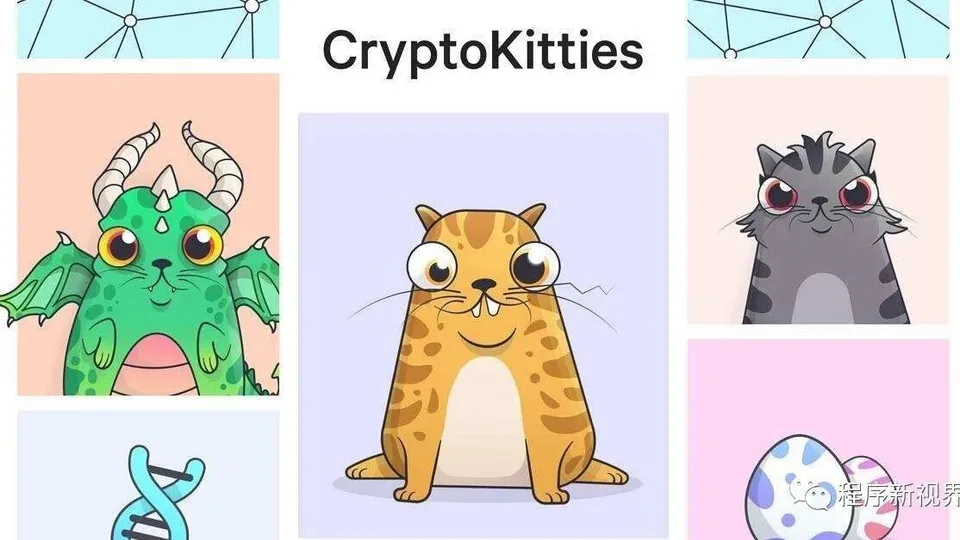
This article explains CryptoKitties' gameplay, Ethereum smart‑contract architecture, token standards, market dynamics, breeding mechanics, and how technical players can automate data collection, price monitoring, and automated buying or birthing to earn ETH.
This article explains Ethereum’s underlying architecture, contrasting it with Bitcoin, describing its blockchain structure, state management, and the Ethereum Virtual Machine, while highlighting the flexibility of its Turing‑complete language, high‑level contract development, and the trade‑offs of computational cost.
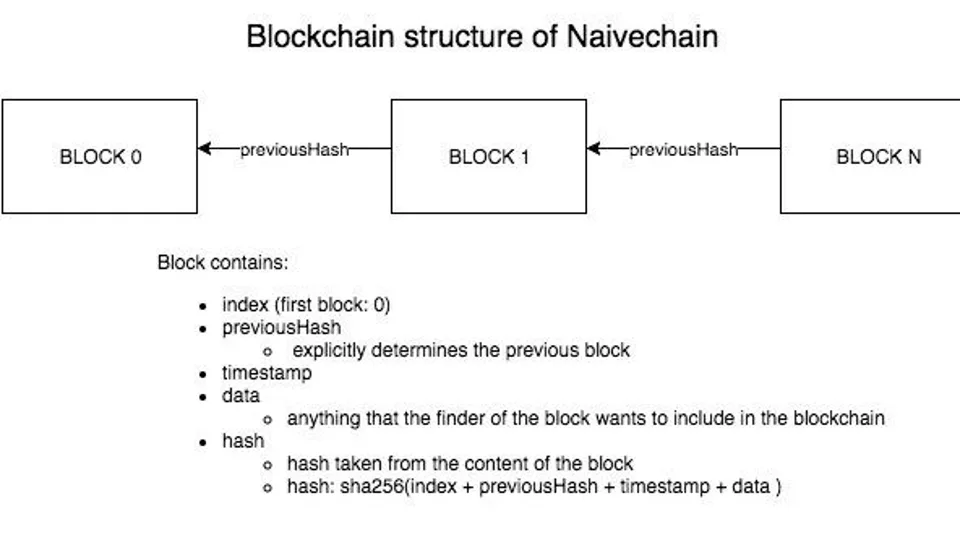
This article introduces the fundamental concept of blockchain as a sequential, distributed ledger, then walks through a concise Node.js implementation of a minimal blockchain in roughly 200 lines of code, providing a practical foundation for readers interested in exploring blockchain development.
The article explains how CPUs, despite being usable for early cryptocurrency mining, are inefficient due to limited parallelism and general‑purpose design, while GPUs and ASICs provide massive parallel integer processing that makes them far more effective for modern proof‑of‑work algorithms.
This article explains the concept of UTXO, how it underpins Bitcoin transactions, compares the UTXO model with traditional account‑based payment systems, illustrates transaction flows with concrete examples, and outlines the three core principles governing UTXO‑based ledgers.
The article explains Bitcoin mining as a proof‑of‑work process that secures the blockchain, describing how miners solve cryptographic puzzles, the role of nodes, reward economics, difficulty adjustment, and the overall impact of this decentralized, trust‑less system.