This guide offers a structured, step‑by‑step learning path for absolute beginners and curious investors, covering quick video introductions, deeper reading, podcasts, classic papers, advanced courses, economics research, and up‑to‑date community resources to help understand and evaluate cryptocurrencies.
This guide walks through typical Ethereum node synchronization problems—including memory‑IO errors, invalid hash chains, peer‑connection failures, unexpected shutdowns, and noisy logs—offering concrete diagnostics, command‑line checks, and a curated list of peers to restore stable syncing.
This article demystifies blockchain by explaining its fundamental structure of linked blocks, how hashes ensure integrity, the differences between public and private blockchains, and illustrates smart contract use cases such as automated rent payments, providing clear examples and visual diagrams for beginners.
This guide provides a step‑by‑step curated list of videos, articles, podcasts, books and courses for absolute beginners, casual learners, and aspiring experts to understand and invest in blockchain and crypto assets.
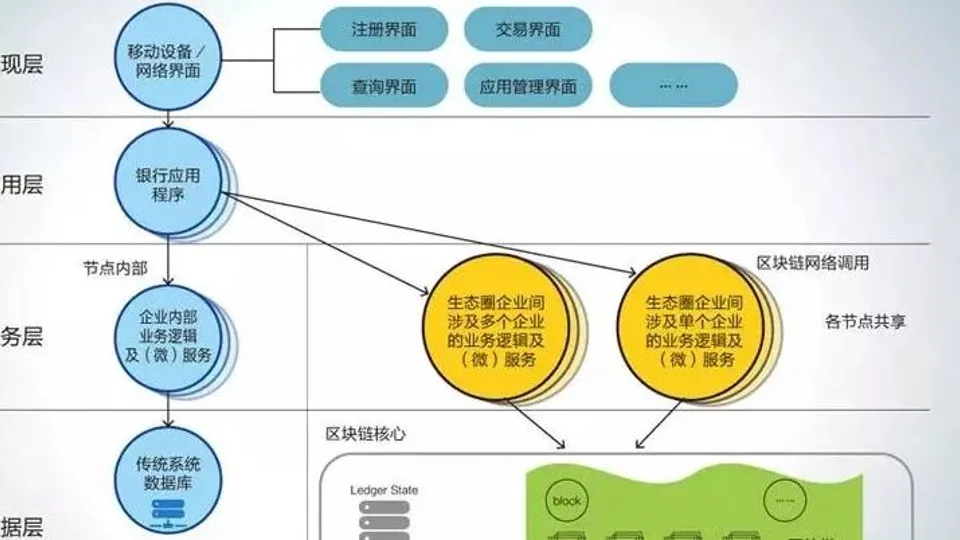
This article examines blockchain's core mechanisms, its influence on system architecture—including tight coupling, security, privacy, and consensus challenges—and presents China Merchants Bank's practical implementation of a blockchain‑based cross‑border clearing system.
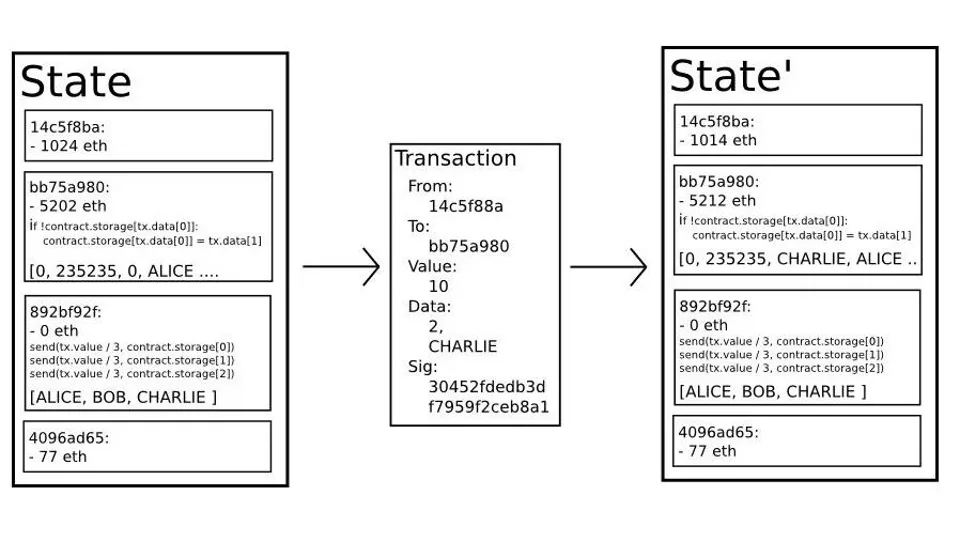
This article introduces the fundamentals of blockchain technology, explaining how blocks and hashes form an immutable chain, contrasts public and private blockchains with real‑world examples like Bitcoin and smart‑contract scenarios, and provides simple pseudocode illustrating how such contracts could be executed.
This article explains blockchain fundamentals, its core features like distributed ledgers and data authentication, and explores practical applications such as crowdfunding, smart contracts, supply‑chain management, decentralized cloud storage, fast secure payments, and IoT device connectivity.
This article explains the fundamentals of blockchain technology, its key features such as decentralization, smart contracts, and security, examines its advantages and drawbacks, and explores practical applications and challenges of implementing blockchain solutions in the tourism sector, including ticketing, ride‑hailing, and hotel reservations.
This guide explains the purpose of Geth’s attach command, compares it with the console option, and provides step‑by‑step examples for connecting to a running Ethereum node on both Linux (using the IPC file) and Windows environments.
This comprehensive guide explains blockchain fundamentals, its core technologies such as blocks, hash functions, Merkle trees, consensus mechanisms and smart contracts, and explores diverse industry applications—from digital currencies and finance to supply‑chain, healthcare and IP—while also offering investment insights and future outlooks.
This article explores blockchain fundamentals, its classification, core mechanisms such as decentralization, public‑key cryptography and consensus, examines how blockchain reshapes system architecture and introduces challenges like security, privacy, and smart‑contract legality, and details China Merchants Bank’s practical implementation of a blockchain‑based cross‑border clearing platform.
Ethereum is a blockchain platform that extends Bitcoin’s decentralized consensus with a Turing‑complete language, enabling developers to create smart contracts, token systems, decentralized autonomous organizations, and a wide range of financial and non‑financial decentralized applications, while addressing scalability, mining, and security challenges.
Alibaba's Tmall International leverages blockchain technology to create a global traceability system that assigns each imported product a tamper‑proof digital identity, enhancing transparency, authenticity verification, and supply‑chain coordination across dozens of countries and thousands of brands.
This tutorial explains blockchain as a special distributed database, covering its core concepts such as block structure, hash immutability, mining difficulty, dynamic difficulty adjustment, and chain forks, while highlighting its advantages, limitations, and typical use cases like cryptocurrencies.
The article explores blockchain’s fundamental data structure—a hash‑linked list forming an immutable ledger—and its broader vision of enabling trust‑less, decentralized systems that can reshape finance, governance, and many coordination problems, while warning that speculation currently overshadows its true potential.
This article explains blockchain as a decentralized, public ledger that eliminates middlemen, outlines its relationship to Bitcoin, highlights cost‑saving potential for banks, compares it to traditional cloud computing, and contrasts it with centralized e‑currencies like Tencent's Q‑coin.
When a frequently used Ethereum account (hot account) sends multiple transactions, an incorrect nonce can cause the 'replacement transaction underpriced' error, but by understanding pending transactions, gas price requirements, and choosing either client‑managed or custom nonce strategies, developers can reliably prevent and resolve this issue.
This article explains the fundamentals of blockchain technology, covering its definition as a distributed database, the structure of blocks and chains, mining, decentralization, node verification, and the five key characteristics that make it secure and transparent.
This guide explains Ethereum’s native and token unit hierarchy, shows how to convert between wei, gwei, ether and other denominations using geth console and Web3.js functions such as toDecimal, fromDecimal, toBigNumber, fromWei, toWei, and demonstrates sending transactions and querying balances.
This article explains the essential concepts of blockchain testing, covering its unique characteristics, testing difficulties, required technical knowledge, key test scenarios, performance metrics, and future directions toward automated and unified testing across industries.