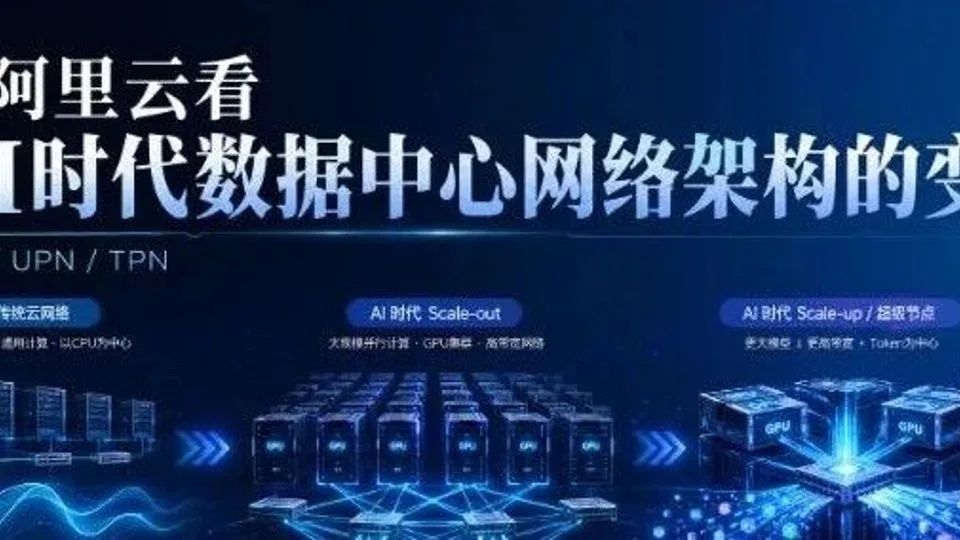
The article traces the evolution of data‑center networking from general‑purpose cloud traffic to AI‑native designs—HPN for massive GPU scale‑out, UPN for super‑node scale‑up, and TPN for token‑centric inference—highlighting the shift from bandwidth to token throughput, latency, and cost.
The article analyzes why Nova VM port attach and detach operations can take 70‑90 seconds due to full‑cache refresh and coarse locks, proposes incremental cache updates and fine‑grained port locks, and shows benchmark results that cut attach time to 10‑17 s and detach time to about 7 s while eliminating lock contention and consistency errors.
The article details the design and implementation of VPC NAT gateway v2.0, explaining how new control‑plane fields, rule‑generation changes, and forwarding‑plane enhancements allow a single configuration to connect entire source VPCs to target VPCs, reducing complexity and operational cost.
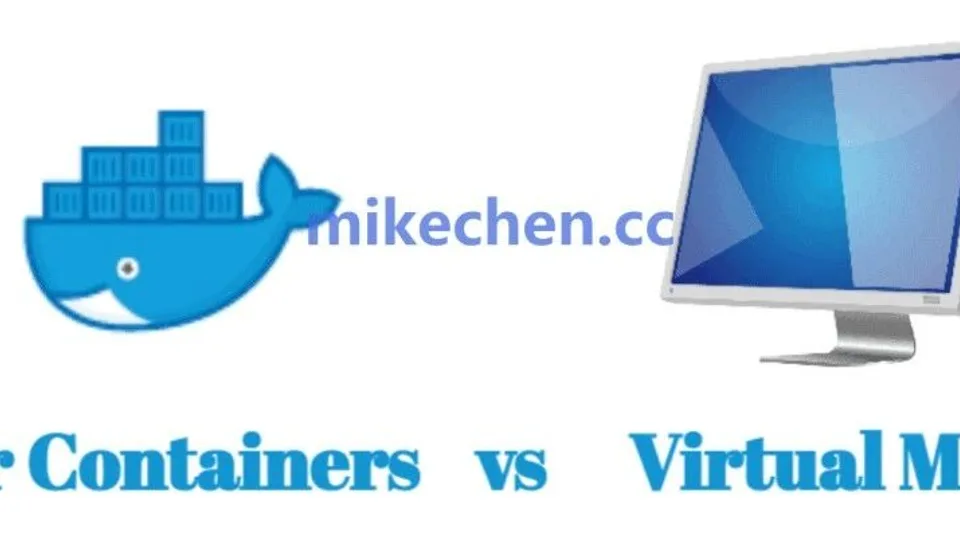
The article compares Docker containers with traditional virtual machines across four core aspects—resource consumption, isolation mechanisms, startup speed, and deployment efficiency—showing that containers use shared kernels for lower memory and CPU overhead, provide process‑level isolation, start in under a second, and enable rapid CI/CD workflows.
MiniStack is an open‑source, lightweight alternative to LocalStack that emulates over 40 AWS services on a single port, runs real infrastructure components like RDS and Redis, offers faster startup, lower memory usage, HTTP/2 support, drop‑in compatibility, multi‑tenant isolation, and easy installation via PyPI, Docker, or source.
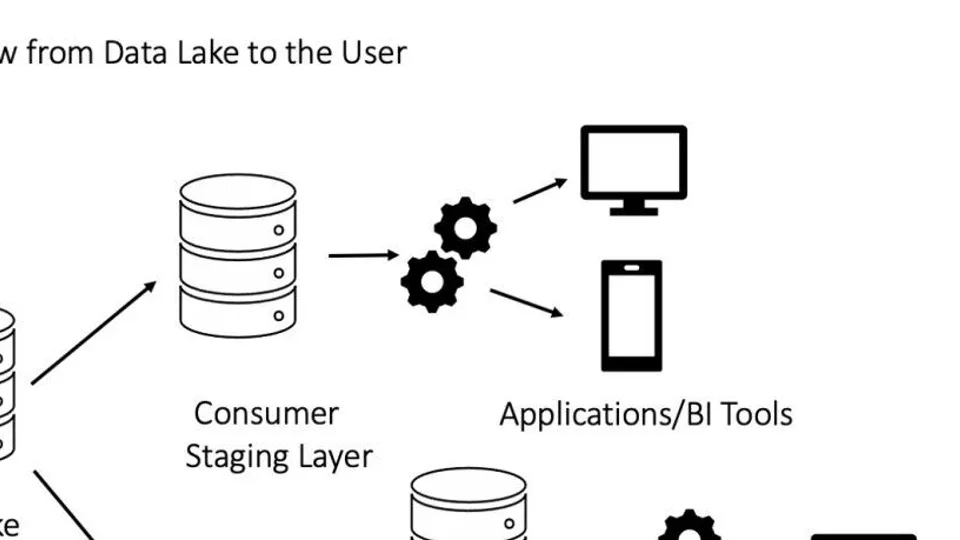
The article explains how Data as a Service (DaaS) builds on data lakes and SaaS models to centralize governance, cut duplication and infrastructure costs, accelerate real‑time analytics, support cloud‑native deployments, and enable mobile/web applications through unified APIs.
AWS has completed a Day‑0 rapid adaptation of Xiaomi’s open‑source MiMo‑V2.5‑Pro model, enabling developers worldwide to run the 1‑trillion‑parameter, 1‑million‑token model on Amazon Trainium chips with high‑throughput, low‑latency inference via Neuron SDK integration, and offers three deployment paths—EC2, SageMaker, and EKS/ECS.
This case study details how a media platform processed 2,500 short‑series episodes in three days using a serverless AWS pipeline that merged and transcoded videos while reducing total cost by 60% compared with a MediaConvert‑only solution.
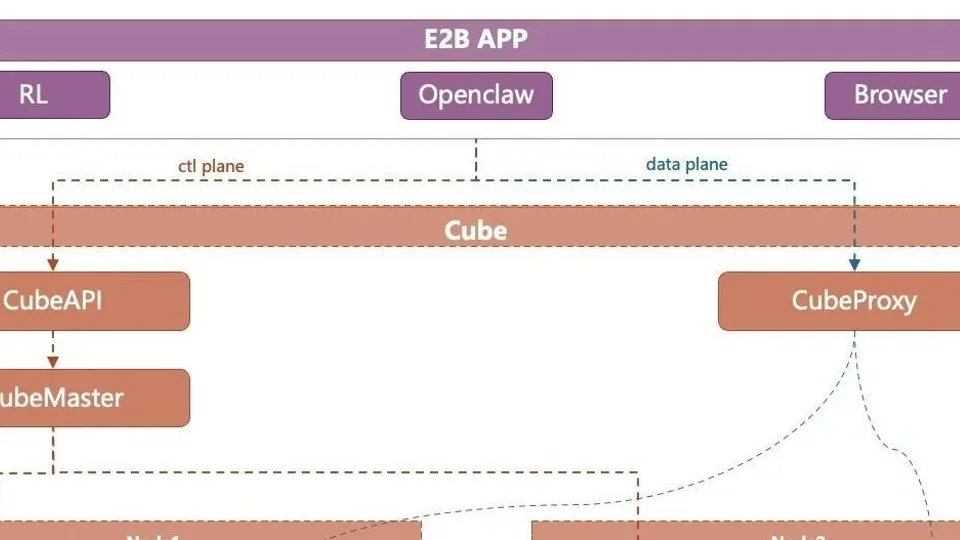
Cube Sandbox, an open‑source AI sandbox runtime built with RustVMM on KVM, achieves sub‑60 ms cold‑start times, under 5 MB memory per instance, and hardware‑level isolation, outperforming Docker containers and traditional VMs while remaining 100 % E2B compatible.
The article analyzes Alibaba Cloud Elasticsearch’s shift from keyword‑based to Agent‑native search, detailing the Agent Native architecture, hybrid retrieval 2.0, FalconSeek engine performance gains of up to 300%, cost reductions of 40‑70%, and the ecosystem of ES Skills, cloud‑native enhancements, and observability that together enable a scalable AI search platform for enterprises.
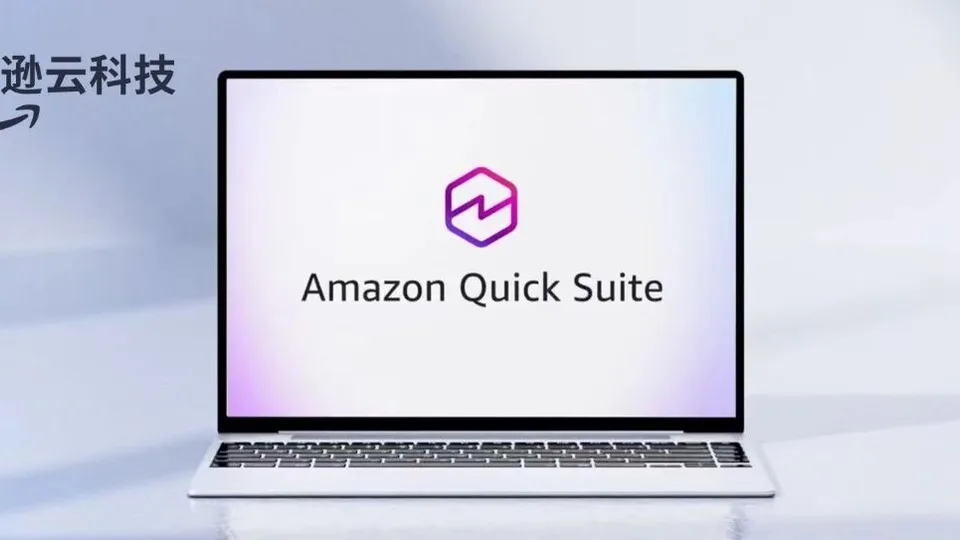
Amazon Quick Suite lets non‑technical users query enterprise data with natural language, integrating unified data access, AI‑driven analysis, and collaborative Spaces, while providing step‑by‑step guidance for connecting databases, creating datasets, dashboards, Topics, and chat‑based Q&A to accelerate data‑driven decisions.
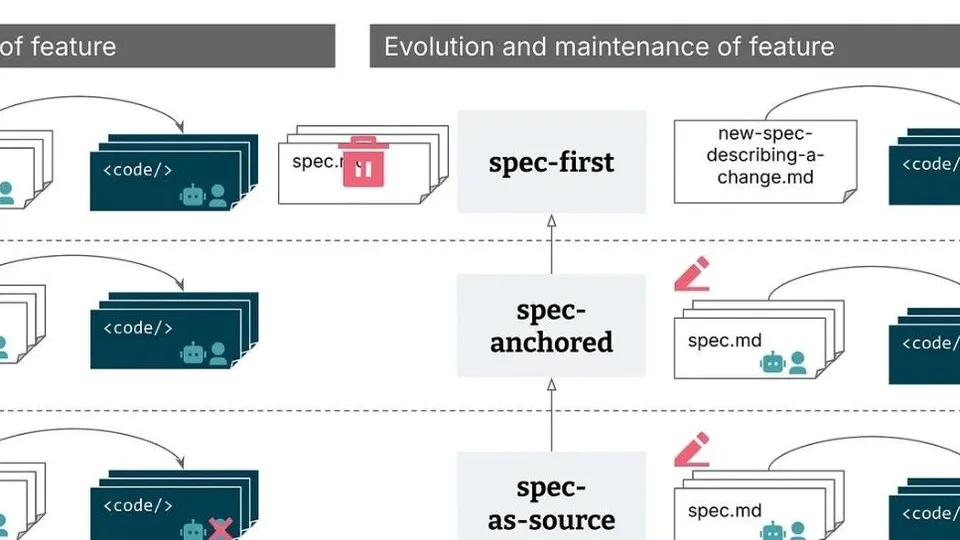
The author shares a detailed, spec‑driven workflow that combines Claude Code’s generative AI with AWS serverless services, outlining planning, modular stack design, token‑limit handling, and practical lessons for building reliable, maintainable cloud applications.
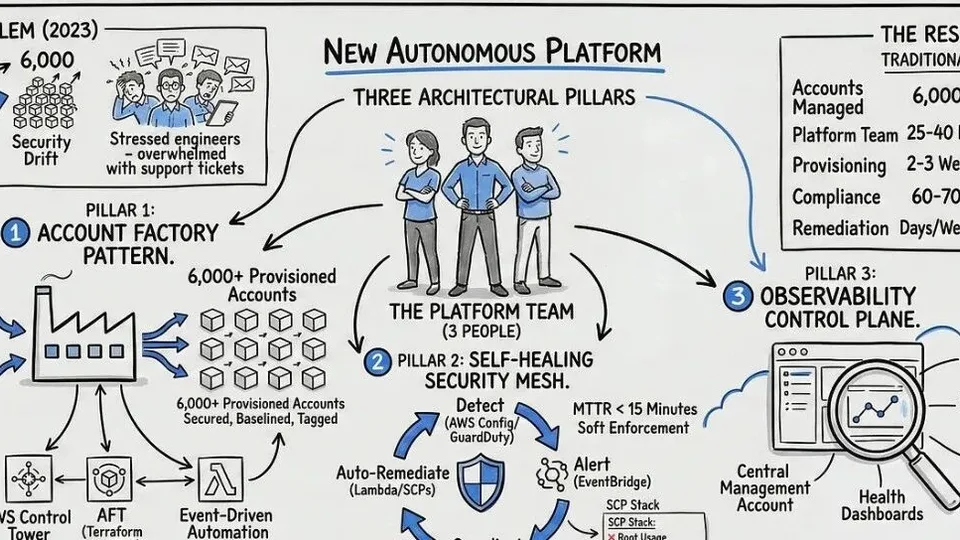
This article details how a SaaS platform transformed its AWS multi‑account management from manual, toil‑heavy processes to a fully automated, self‑healing system that now handles over 6,000 accounts with just three engineers, achieving sub‑5‑minute provisioning, 99.8% compliance, and massive cost savings.
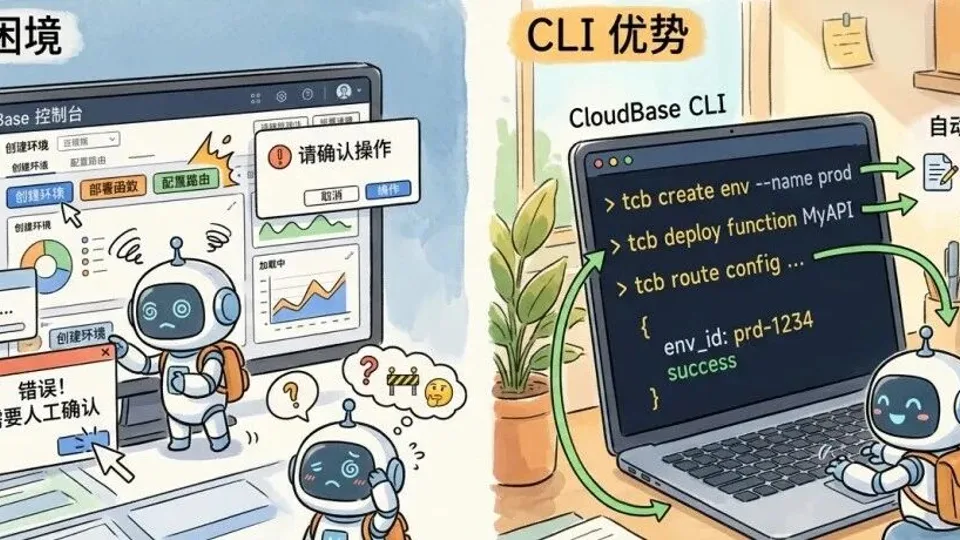
The article introduces CloudBase CLI V3, a redesign for AI agents that adds 15 top‑level commands, self‑explanatory help, JSON‑structured output, in‑terminal documentation, and demonstrates a complete end‑to‑end ticket‑system deployment using only the command line.
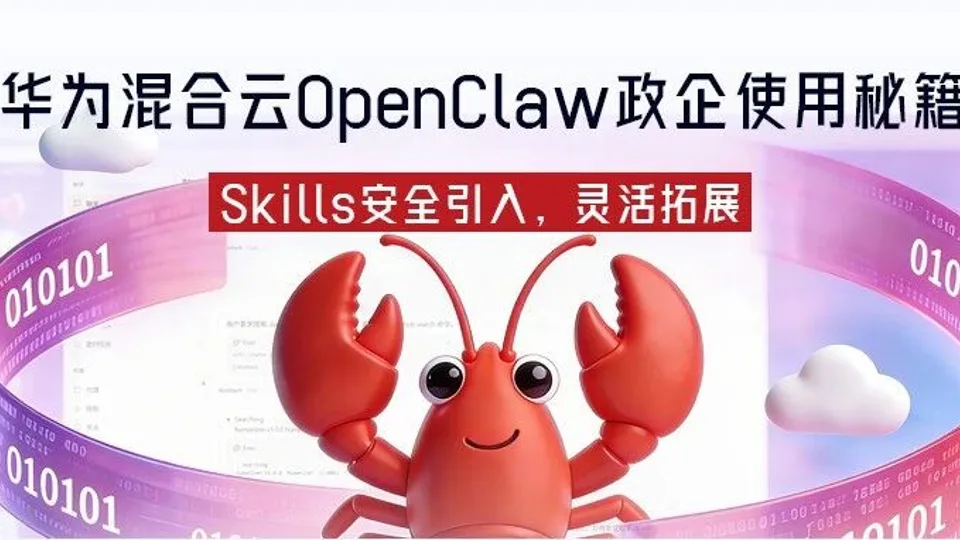
Huawei’s new hybrid‑cloud Claw solution addresses the security and accessibility challenges of AI Skills by providing an offline‑compatible, locally deployed ClawHub‑Lite that enables secure Skill acquisition, one‑click import, and instant invocation with RBAC controls, while supporting custom Skills and integration with popular IM platforms.
The article analyzes the rapid rise of OpenClaw‑style AI agents, the security and resource challenges they introduce, and how Tencent Cloud’s Agent Runtime provides a lightweight, fast‑starting, highly concurrent, sandboxed infrastructure that decouples state from compute, supports checkpointing, and enables secure, scalable deployment for enterprise AI workloads.
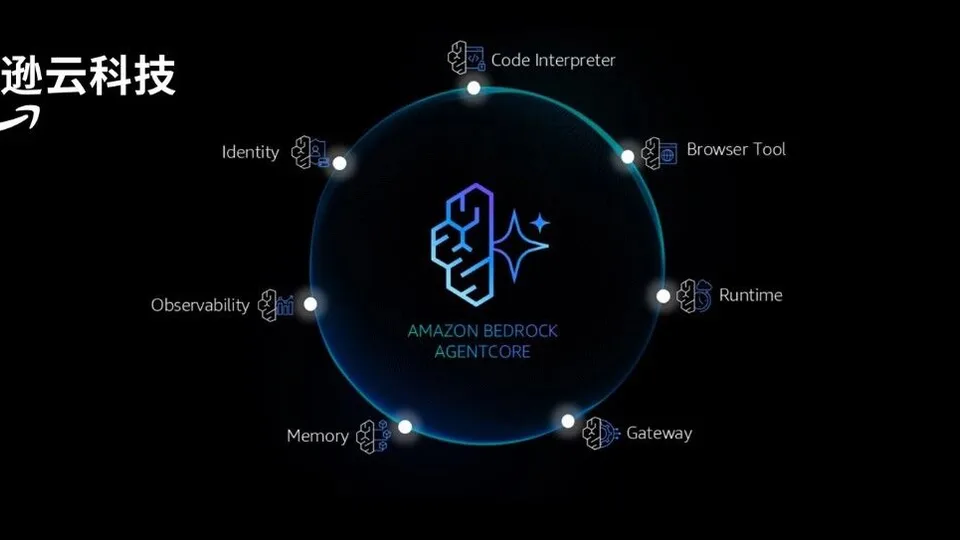
The article explains how uncontrolled cloud spending arises from resource leaks and mis‑configured scaling, critiques traditional cost‑reporting methods, and presents an AI‑powered solution built with Strands Agents and Amazon Bedrock AgentCore Runtime that offers natural‑language queries, automated anomaly detection, multi‑account aggregation, and serverless deployment for immediate cost control.
The article examines why many cloud strategies rely on proprietary services, then introduces a range of open‑source cloud platforms such as AppScale, Kubernetes and OpenStack, and essential tools for monitoring, cost control, and infrastructure‑as‑code like ELK, Prometheus, Terraform and Ansible, highlighting their flexibility and cost benefits.
The article explains the definitions, core differences, and practical use cases of IaaS, PaaS, and SaaS, using a simple "meal" analogy and real‑world DevOps platform scenarios to help programmers and ops engineers quickly grasp each service model and its appropriate audience.
This guide explains how to build a secure, multi‑tenant data lake on Alibaba Cloud by combining OSS Access Points with VPC Gateway Endpoints, covering architecture overview, step‑by‑step configuration, policy examples, and best‑practice considerations for private‑network access.