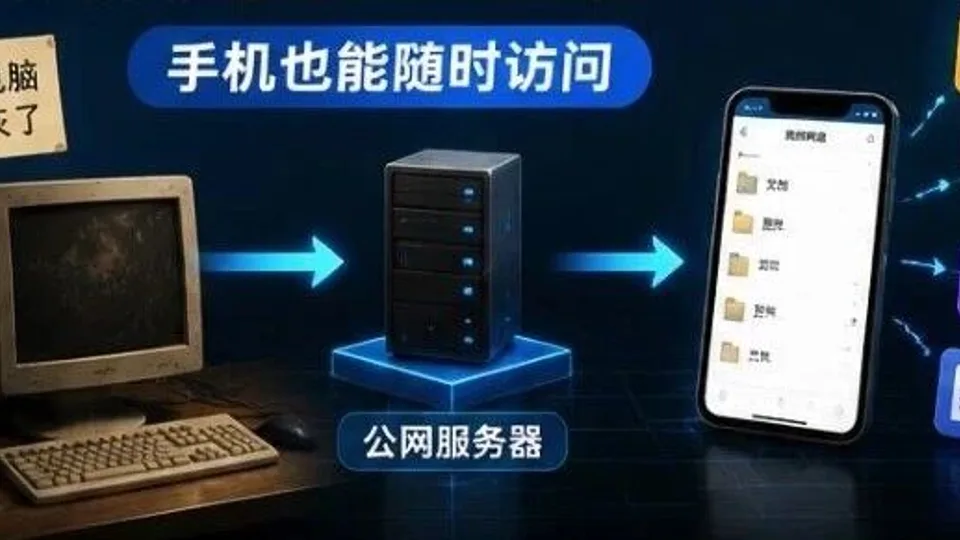
This guide shows how to convert an unused home computer into a personal cloud storage service by installing Cloudreve, using a public‑IP cloud server and FRP for NAT traversal, configuring both server and client, and optionally enabling P2P mode for faster direct access from any device.
The article analyses how Kimi’s AI Agent workloads are deployed on Alibaba Cloud using ACK and the ACS Agent Sandbox, detailing the challenges of massive concurrency, rapid sandbox start‑up, state continuity, cost‑effective scaling, and the security and scheduling mechanisms that enable production‑grade performance.
The article walks through the evolution of e‑commerce search from simple keyword matching to multi‑modal retrieval, explains a generic architecture that fuses text and image embeddings, details core techniques such as dense, sparse and hybrid models, vector similarity metrics, quantization methods like SQ and BBQ, and demonstrates how Elasticsearch Serverless provides a server‑less, cost‑effective platform to implement the end‑to‑end solution.
The article explains why enterprises need separate fee permissions on the AstraFlow platform, compares system and custom IAM policies, presents a single Deny policy that blocks 20 billing‑related APIs, and provides a three‑step guide to create, bind, and verify the policy, showing the resulting access matrix.
The GoTerra case study shows how Alibaba Cloud OpenSearch’s industry‑algorithm edition transformed a multilingual, multi‑modal e‑commerce search platform by introducing a four‑layer architecture, custom analyzers, white‑box vector indexing, parallel recall, and time‑based elastic scaling, cutting P99 latency from 250 ms to under 70 ms while boosting development efficiency and controlling costs.
The open‑source Google Workspace CLI, which turned the Workspace API into a unified, human‑ and AI‑friendly command‑line tool and quickly amassed thousands of GitHub stars, led its creator Justin Poehnelt to be dismissed by Google amid concerns over branding and internal politics.
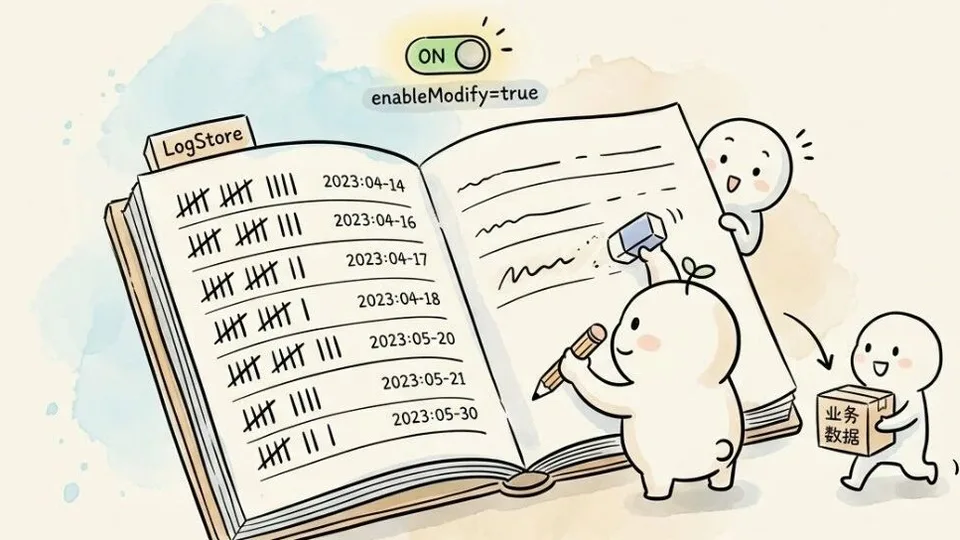
The SLS LogStore team explains why they introduced native update and delete capabilities to the traditionally append‑only log service, detailing the design trade‑offs, the enableModify flag, row‑level addressing, API usage, practical scenarios such as billing corrections, risk label refreshes, LLM feedback, and operational edits, and the limits of the new feature.
Since the EU Data Act took effect in late 2025, new regulations worldwide are turning cloud selection into a compliance‑driven decision, adding legal jurisdiction, data residency, and supply‑chain resilience as critical factors alongside cost and performance.
The article explains how a Content Delivery Network (CDN) uses edge PoP nodes, caching, TTL settings, and versioned URLs to move static resources closer to users, reducing latency from hundreds of milliseconds to single‑digit milliseconds and improving overall web performance.
The article explains how cloud computing reshaped software development, defines the cloud architect role, outlines required skills, compares major cloud providers, details design principles, certification paths, and career prospects, providing a comprehensive guide for aspiring cloud architects.
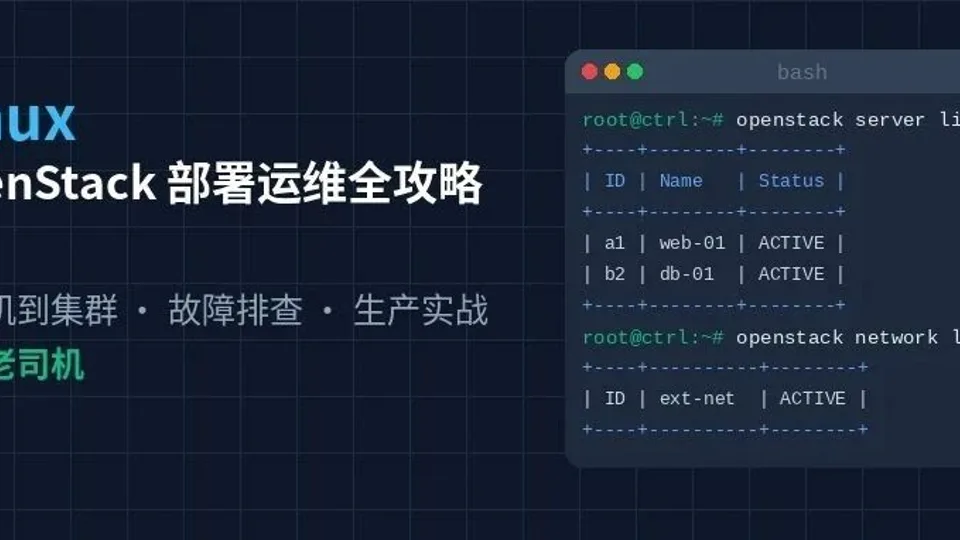
This comprehensive guide walks you through OpenStack deployment from a single‑node DevStack test to a production‑grade HA cluster with Kolla‑Ansible, covering hardware planning, component configuration, performance tuning, network setup, troubleshooting, monitoring, backup strategies, and useful operational scripts.
The article shows how unchecked cloud spending can erode profits, presents real‑world cases from e‑commerce, Spotify and an AI startup, explains the FinOps framework that links technical decisions to financial outcomes, and offers a step‑by‑step roadmap for CTOs to embed cost awareness into architecture.
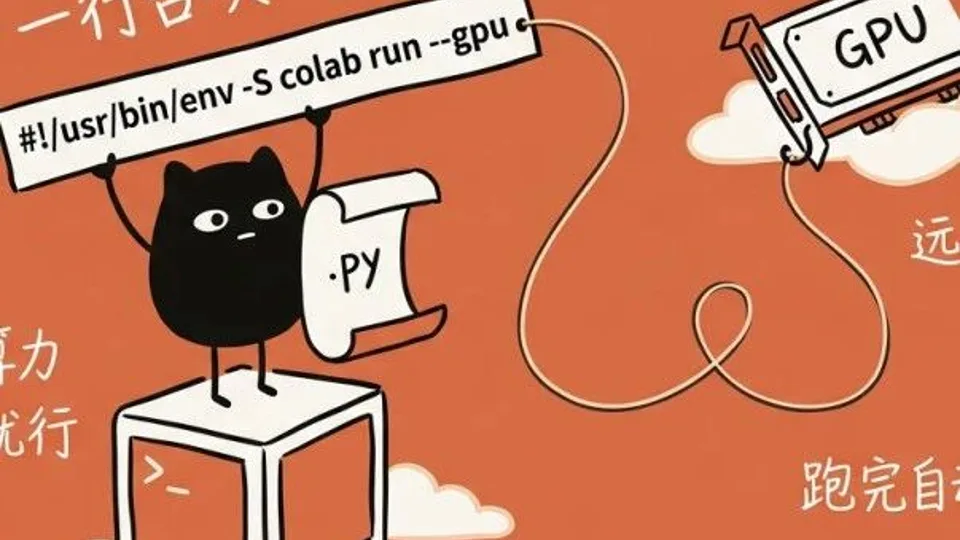
The article introduces Google Colab CLI, a command‑line interface that moves Colab notebooks from the browser to the terminal, detailing its installation on Linux/macOS, authentication steps, core features like instant VM provisioning, kernel state persistence, shebang GPU scripts, and practical examples such as fine‑tuning Gemma 3‑1B.
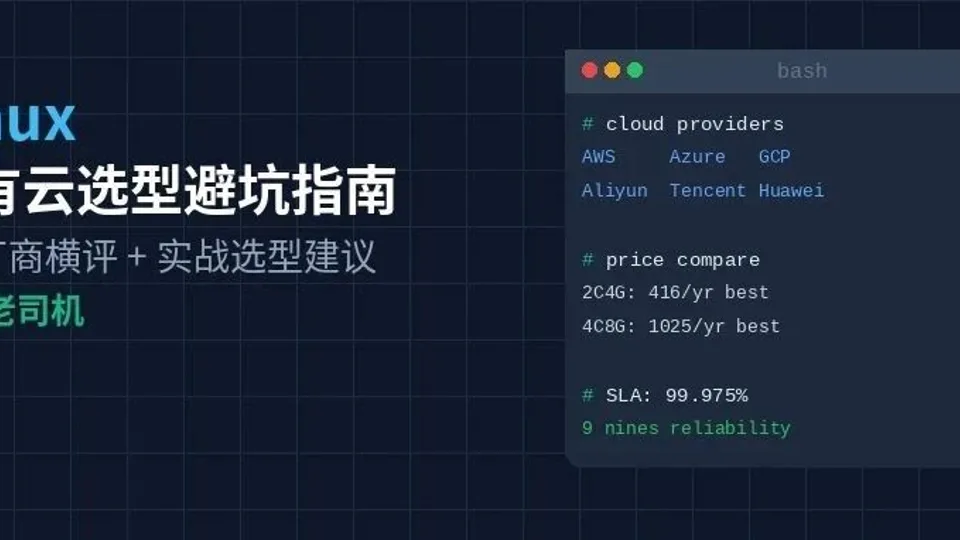
The article explains the fundamentals of public, private and hybrid cloud, compares major Chinese and international providers with detailed price tables, outlines six core advantages of public cloud, and offers scenario‑based selection advice and common pitfalls to help enterprises avoid overspending and choose the most suitable cloud solution.
This guide explains why many companies move from single‑cloud to multi‑cloud, outlines the technical pitfalls of managing resources across AWS, Alibaba Cloud, Azure and others, and provides a step‑by‑step Terraform workflow—including providers, state backends, modules, CI/CD integration, drift detection, policy as code, cost estimation and disaster‑recovery—to build a maintainable, secure multi‑cloud IaC solution.
The article analyses how Vibe Coding platforms let ordinary users create full‑stack applications with natural language, exposing challenges such as agent runtime, sandbox isolation, multi‑tenant resource boundaries and cost efficiency, and shows how Tencent CloudBase redesigns cloud services to address these issues, achieving up to 3.8× faster provisioning and 52% token savings.
VM live migration in large cloud clusters suffers from high CPU load and long downtime; Baidu Cloud integrated Intel Xeon 6 processors with built‑in QuickAssist Technology to offload memory compression, achieving up to 60% reduction in migration duration, 20% lower CPU usage, and sub‑10 ms pause windows.
The article analyzes the challenges of large‑scale live VM migration, introduces Intel Xeon 6 CPU‑integrated QAT hardware acceleration, compares pre‑ and post‑QAT workflows, and reports a 60% reduction in migration time, 20% CPU savings, and sub‑10 ms downtime in Baidu Smart Cloud production.
The article examines how Alibaba Cloud OSS Vector Bucket solves the data‑scattered, costly, and inefficient retrieval problems of massive multimodal media asset platforms by unifying storage, providing semantic vector search, and cutting operational expenses up to 95%.
This article demonstrates how to leverage StarRocks AI Function on EMR Serverless to perform sentiment analysis, intelligent classification, information extraction, and PII redaction on financial text entirely within SQL, eliminating data export, reducing latency, and ensuring compliance while providing concrete code examples, performance benchmarks, and best‑practice recommendations.