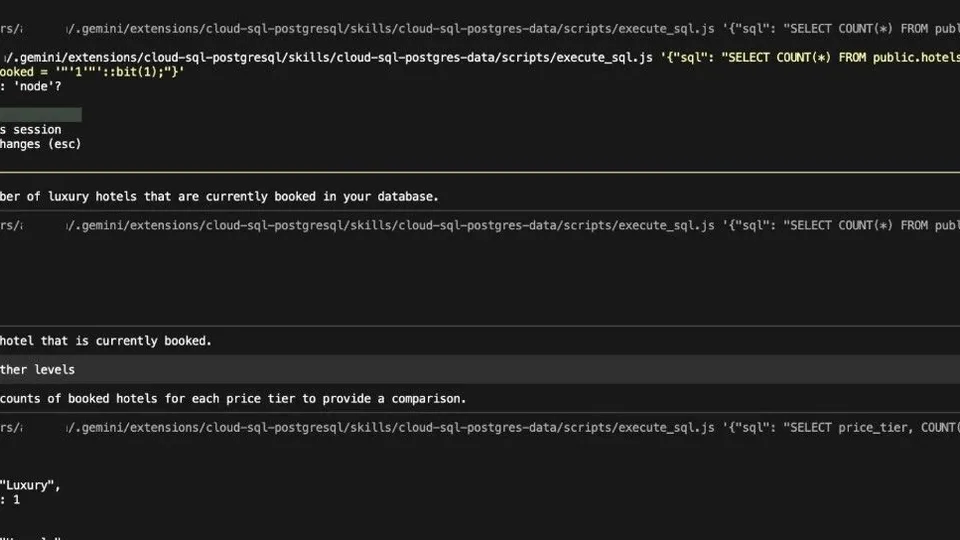
The article explains how Gemini CLI’s shift from traditional Tools to progressive Agent Skills streamlines Cloud SQL for PostgreSQL extensions, reducing context overload, enabling on‑demand skill loading, zero‑manual installation, and cross‑platform execution, and provides step‑by‑step commands for exploring and using these new capabilities.
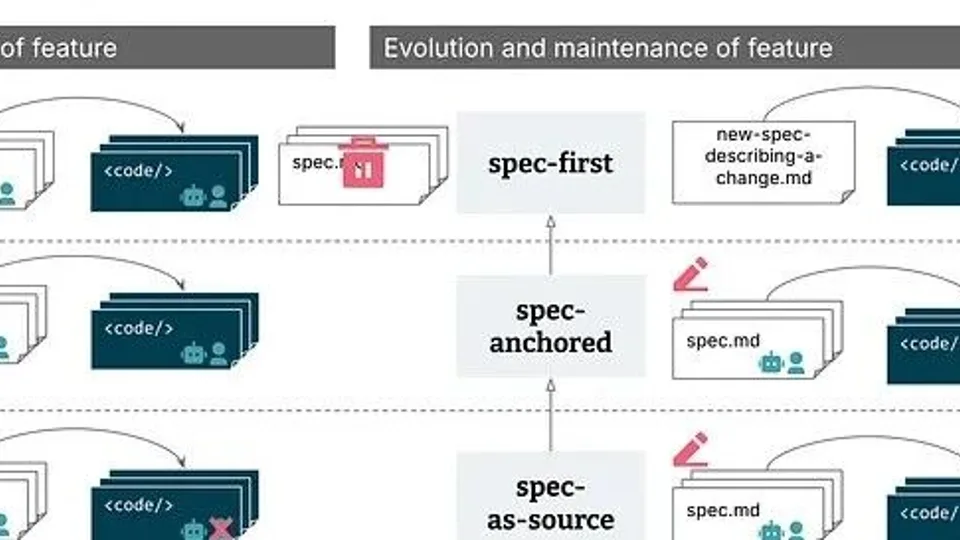
The article details a practitioner’s method of using Claude Code and spec‑driven development to plan, prototype, and deploy modular serverless stacks on AWS, highlighting the benefits of early specification, AI‑assisted coding, context‑window limits, and iterative testing for reliable software engineering.
The article compares deploying the OpenClaw open‑source core versus using a platform’s built‑in xxclaw, evaluating server ownership, token costs, capability boundaries, and long‑term controllability to help readers decide which cloud route best fits their needs.
F1 TV Premium leverages Amazon Web Services' media stack, source‑side timecode alignment of 24 video streams, epoch‑locked CMAF packaging, and HEVC tile encoding to give hardcore fans a fully customizable, millisecond‑accurate multi‑view streaming experience on any device.
The article explains how hybrid cloud combines rapid, scalable cloud environments with stable on‑premises systems to cut costs, improve performance, meet compliance, and boost developer velocity, while orchestration platforms like Spacelift, Terraform, and Ansible make this multi‑environment management practical.
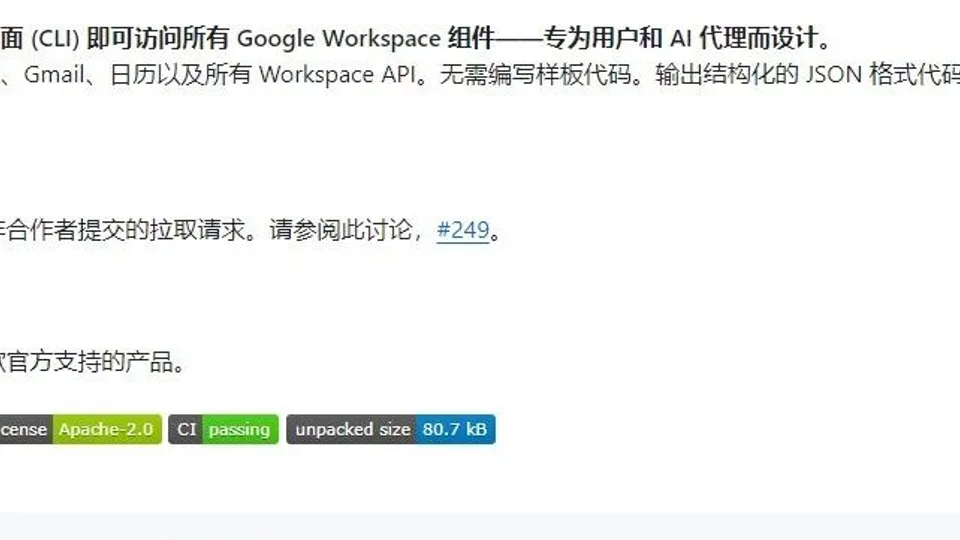
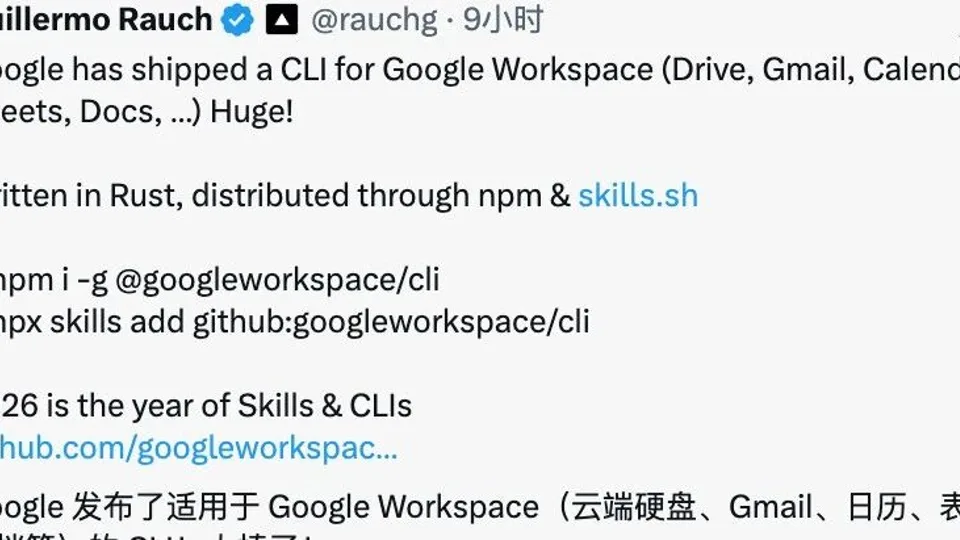
Google recently open‑sourced a Workspace CLI that unifies Drive, Gmail, Calendar and other APIs into a single command‑line tool, offers structured JSON output for AI agents, provides built‑in Agent Skills, and includes detailed installation instructions, while warning that it lacks official Google support.
The gws CLI bundles every Google Workspace API into a single command‑line tool, offering dynamic command generation, structured JSON output, and native MCP support for AI agents, with easy npm installation, step‑by‑step usage examples, OpenClaw integration, and essential tips to avoid common pitfalls.
Google has open‑sourced the Google Workspace CLI (gws), a Rust‑based command‑line tool that lets you manage Drive, Gmail, Calendar, Sheets, Docs, Chat and more with a single command, offering dynamic API discovery, extensive authentication options, built‑in Agent skills, and a Model Armor security layer, while noting current limitations and setup considerations.
This guide walks you through deploying the Qwen 3.5‑plus model on Alibaba Cloud ACK/ACS using the ACS Agent Sandbox, creating a CoPaw sandbox, configuring model access, integrating with DingTalk, and optionally using the sandbox’s pause‑and‑wake features.
This guide explains how to build a highly resilient AWS Direct Connect network—distinguishing redundancy from true resilience, modeling failure and maintenance scenarios, applying AS‑Path prepend and route withdrawal, deploying a maximum‑resilience topology with dual connections per location, enabling BFD for sub‑second fault detection, and regularly testing failover—to keep critical workloads online during planned windows or unexpected incidents.
This guide explains what Cursor Cloud Agents are, how to access them via the editor, web UI, or third‑party integrations, outlines three typical scenarios, walks through GitHub repository linking, troubleshooting steps, a quick‑start checklist, and details the Cloud Agents API for automated workflows.
This guide explains why traditional block and file storage struggle with massive unstructured data, introduces MinIO as a high‑performance, Go‑based S3‑compatible object storage, and provides step‑by‑step instructions for single‑node and erasure‑coded multi‑node deployments, TLS setup, client usage, policies, monitoring, backup, and troubleshooting.
This guide walks through the step‑by‑step process of deploying a daily‑triggered Python program to Alibaba Function Compute, covering account login, function creation, code packaging, runtime configuration, network settings, trigger setup, and verification of execution logs.
This article walks through using Kiro AI IDE to develop an Amazon EMR Flink monitoring system, detailing spec‑driven development, MCP integration, steering rules, the full backend and frontend stack, and shows how the workflow cuts implementation time from 60–80 hours to about 10 hours, delivering a 6–8× efficiency gain.
The article introduces Cloud ProxyPool, a Go‑based distributed IP proxy pool built on Tencent Cloud Functions (SCF) that bypasses WAF IP restrictions, provides step‑by‑step deployment, client configuration, CA certificate installation, proxy settings, a monitoring dashboard, and outlines supported use cases such as crawler IP rotation, IP testing, HTTPS interception, and integration with tools like Burp Suite.
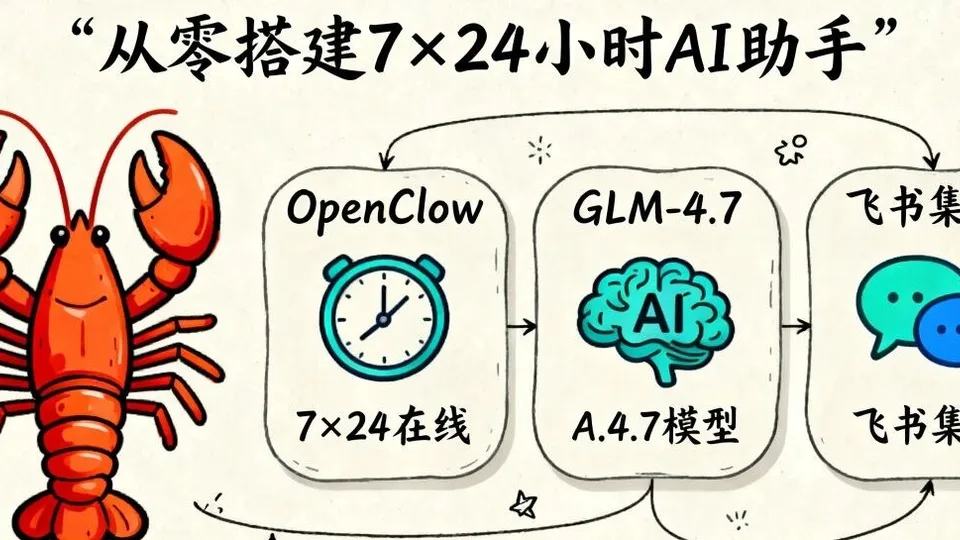
This step‑by‑step guide shows how to deploy OpenClaw on an Alibaba Cloud ECS instance, replace its default model with GLM‑4.7, configure a Feishu bot, and verify a continuously running AI assistant that can handle code, web browsing, and system tasks.
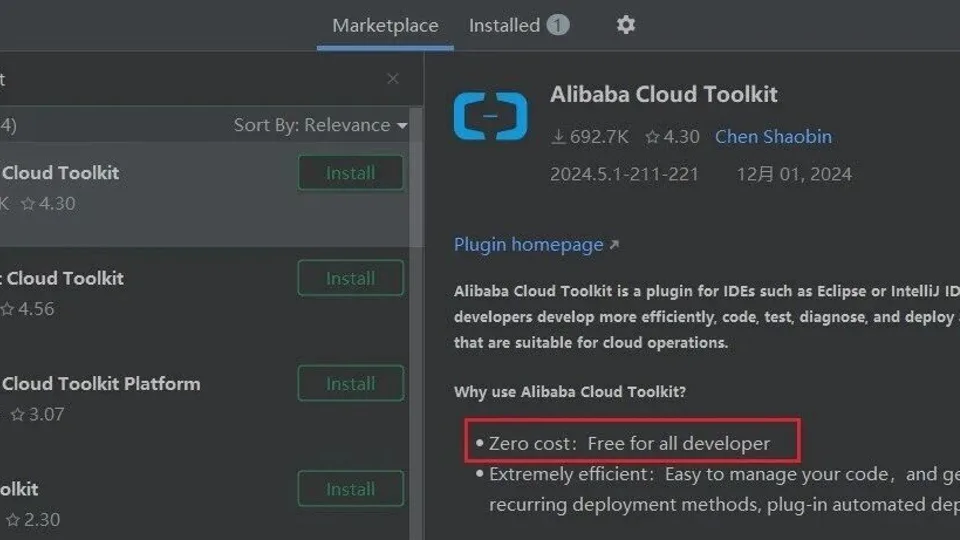
This article walks through installing Alibaba's CloudToolkit IntelliJ IDEA plugin and using it to automate the packaging, upload, and one‑click deployment of a SpringBoot application to a Docker container on a remote server, including terminal and file‑transfer features.
Using Amazon Global Accelerator, NLB, and Direct Connect can cause asymmetric routing that blocks UDP traffic, but adding a NAT gateway and adjusting route tables creates symmetric paths, restores bidirectional UDP communication, and scales with multi‑IP support, albeit with added cost.
This article walks through using Amazon OpenSearch Service’s vector search and ML connector together with the DeepSeek large language model to create a low‑cost, high‑efficiency enterprise knowledge base, covering architecture, step‑by‑step deployment, RAG pipeline configuration, and conversational search extensions.
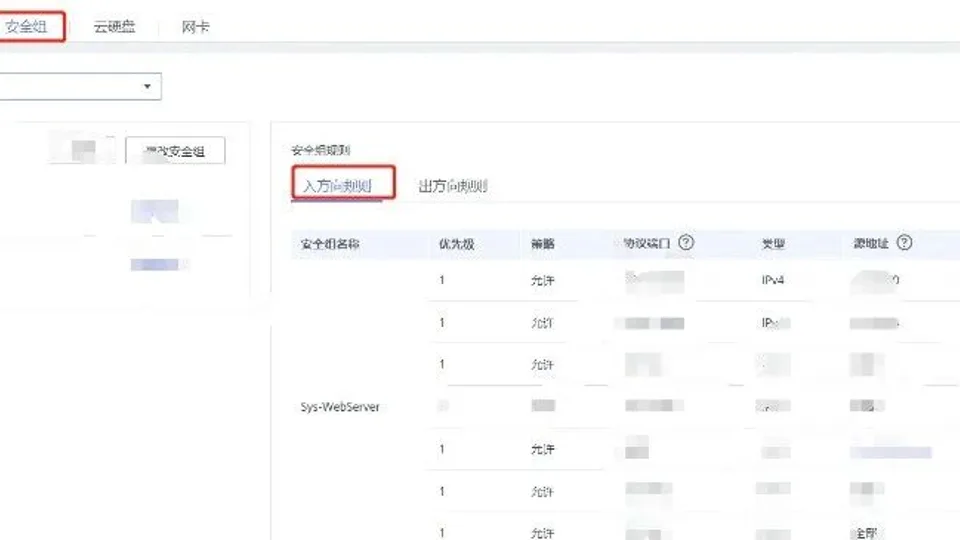
The article walks through configuring a low‑cost Huawei Cloud ECS instance and adjusting security‑group rules, then setting up an Nginx stream proxy to expose an internal RDS MySQL instance to the public internet, allowing external connections without purchasing a dedicated public IP.