The article presents an end‑to‑end automated solution for AWS resource tagging that scans all accounts, discovers services, identifies resources missing specified tags, and batch‑applies them, while offering configurable workflows, performance optimizations, permission requirements, and optional AI‑driven MCP integration for smarter governance.
This article explains why Amazon EC2 Mac instances are ideal for running OpenClaw as a 24/7 Apple‑ecosystem AI assistant, compares cloud versus local Macs, outlines cost and security benefits, and provides a step‑by‑step CloudFormation deployment guide with configuration details for iMessage, Screen Sharing, and full‑disk access.
This guide walks through Alibaba Cloud SLB’s architecture, product variants, and environment prerequisites, and step‑by‑step Terraform provisioning for CLB, ALB, and NLB, covering health checks, HTTPS setup, traffic routing, performance testing, best practices, security hardening, monitoring, and disaster‑recovery procedures.
This article examines the challenges of managing massive AWS cost and usage data, critiques existing tools, and presents Amazon Q Developer combined with the Model Context Protocol (MCP) as an AI‑driven solution that offers natural‑language interaction, multi‑source integration, intelligent anomaly detection, and fully automated cost‑management workflows, illustrated through three real‑world scenarios.
This article outlines fifteen frequent cloud‑architecture mistakes—such as orphaned resources, misconfigurations, poor team communication, over‑reliance on single tools, and lack of governance—explaining why they happen, their architectural impact, and practical steps to avoid costly outages and inefficiencies.
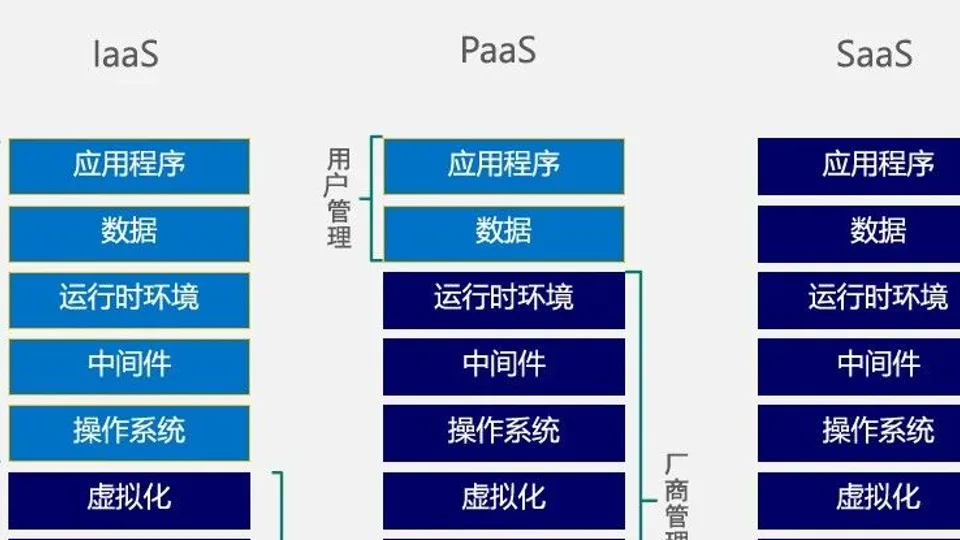
The article breaks down IaaS, PaaS, and SaaS by defining each model, explaining the responsibilities of providers and users, illustrating typical products and use‑cases, and offering a practical decision framework for enterprises to select the most suitable cloud service.
This guide walks you through installing the Moltbot AI assistant on Alibaba Cloud's lightweight application server, configuring Baidu's Bailei API key, opening required ports, generating access tokens, and accessing the chat interface, plus a quick overview of the pre‑installed Shadow Cloud Computer image.
This tutorial walks you through deploying the AI‑powered Clawdbot agent on Tencent Cloud Lighthouse, covering server creation, SSH access, one‑click template installation, interactive onboarding configuration, model and Discord integration, gateway startup, pairing, and verification to achieve a continuously running personal AI assistant.
Amazon Graviton5, the newest custom ARM‑based EC2 processor, delivers up to 25% higher compute performance, up to 33% lower core‑to‑core latency, 5× larger L3 cache, and network and storage bandwidth gains of 15%–20%, while offering superior energy efficiency and real‑world speedups reported by customers such as Adobe, Epic Games, Airbnb, Atlassian and SAP.
This article explains the prerequisites, usage steps, and Java code for sending single SMS verification messages using Alibaba Cloud's SendSms service, including notes on batch limits and signature handling.
Amazon S3 Vectors, now generally available, reduces vector‑storage costs up to 90%, scales a single index to 20 billion vectors, delivers sub‑second query latency and 1,000 PUT /s write throughput, and integrates with Bedrock, OpenSearch, CloudFormation, and PrivateLink for end‑to‑end AI workloads.
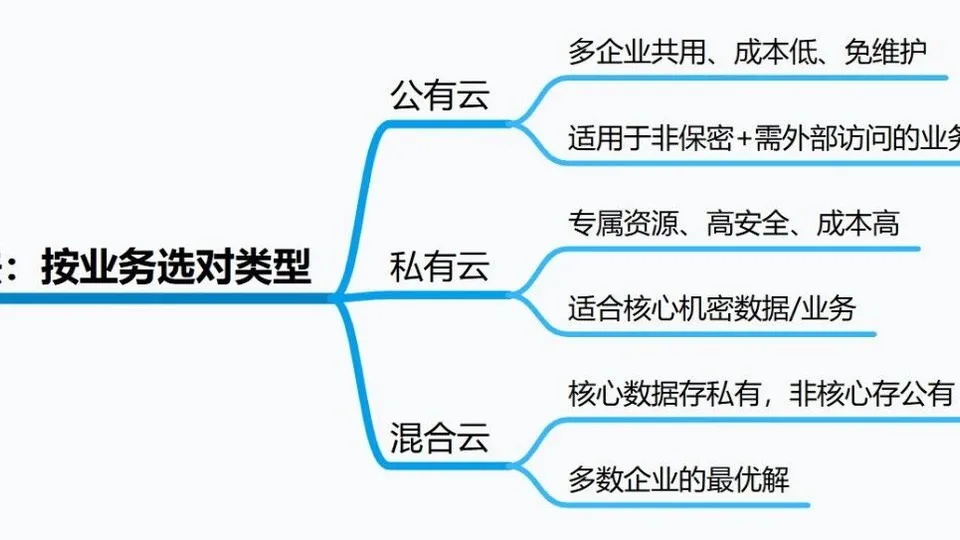
Many enterprises spend heavily on cloud services yet see little efficiency gain because they misunderstand cloud computing’s true value, select the wrong deployment model, or ignore key pitfalls; this article explains core concepts, selection criteria, benefits, real‑world use cases, and common mistakes to avoid.
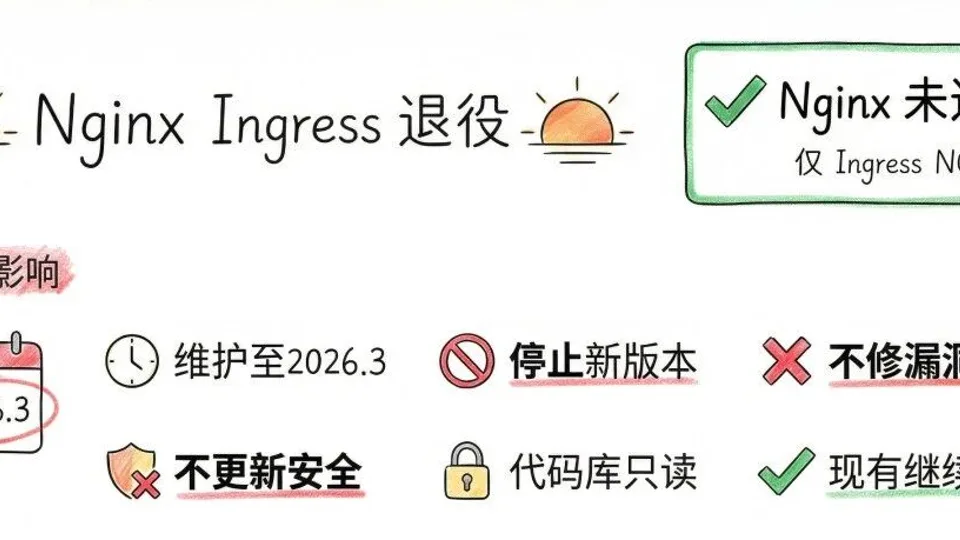
This article provides a clear, step‑by‑step explanation of Nginx, Ingress, Ingress Controllers, the Ingress API, Nginx Ingress, Higress, and the next‑generation Gateway API, comparing their roles, strengths, weaknesses, and migration paths within Kubernetes‑based cloud‑native environments.
This guide explains how to set up the open‑source btcloud project to create a self‑hosted BaoTa Panel cloud, covering required environment, installation steps, configuration, common issues, and the security and flexibility benefits of a private deployment.
This guide explains the fundamental differences between Layer 4 (transport‑level) and Layer 7 (application‑level) load balancers, compares Alibaba Cloud and Tencent Cloud offerings across performance, features, and pricing, and provides practical selection tips and common pitfalls to avoid.
By rethinking resource requests, eliminating unused workloads, downsizing node types, fine‑tuning autoscaling, and trimming log storage, a team reduced their Kubernetes bill by 40% while keeping the same cloud provider, demonstrating that most cost overruns stem from misconfiguration rather than the platform itself.
A hidden authentication step causes Elasticsearch clients to send each request twice—once without credentials and again after a 401 response—doubling bandwidth usage, but configuring pre‑emptive authentication in Java or Python eliminates the waste and cuts traffic costs.
This guide explains the Model Context Protocol (MCP) architecture, compares local and remote deployment modes, and provides step‑by‑step instructions for hosting MCP servers on Amazon Bedrock, Lambda, and ECS/Fargate, highlighting performance, security, and operational trade‑offs.
This guide explains Alibaba Cloud ESA's free CDN tier, covering its generous unlimited‑traffic offering, step‑by‑step application, region‑selection modes, domain integration, special port and cache configurations, renewal tricks, performance benchmarks, and comparisons with competing services.