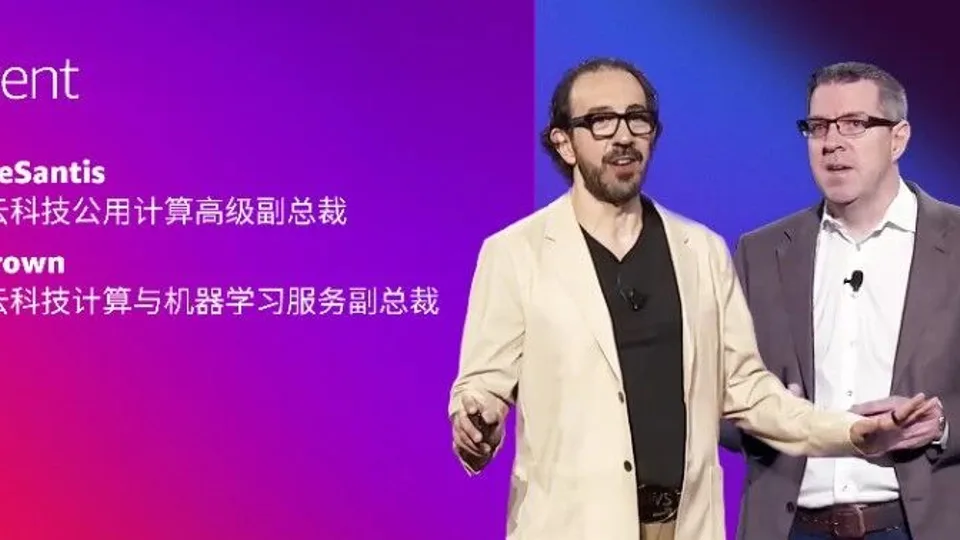
At re:Invent 2025, AWS executives Peter DeSantis and Dave Brown detailed a series of hardware and service innovations—including Graviton5, Trainium3/4, Lambda Managed Instances, Project Mantle, and S3 Vectors—showcasing how security, availability, elasticity, cost, and agility are becoming even more critical for the AI era, with concrete performance benchmarks from customers such as Airbnb, Apple, and Twelve Labs.
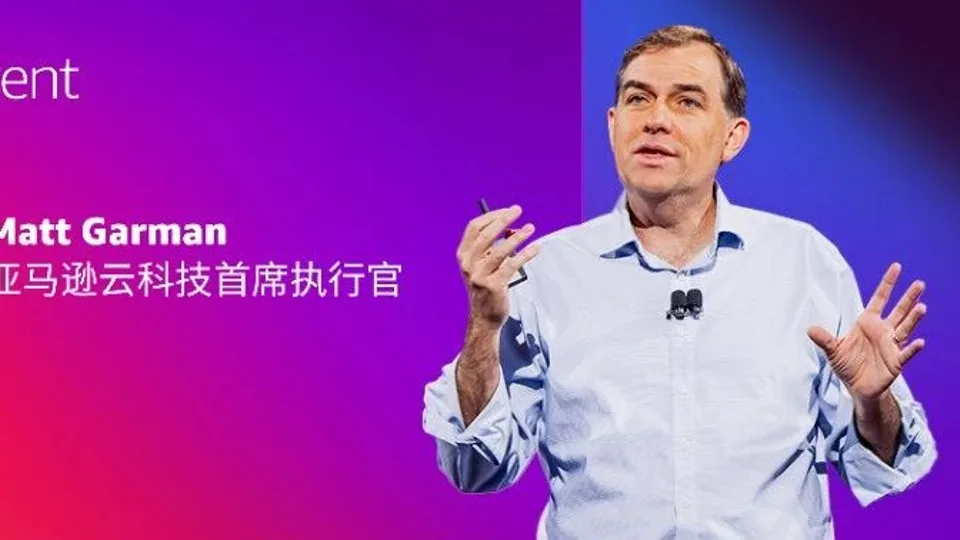
At AWS re:Invent 2025, CEO Matt Garman outlined four essential pillars for building AI agents, unveiled three frontier agents, introduced the Amazon Nova 2 model series and 25 major cloud service innovations, and argued that billions of agents will soon deliver ten‑fold efficiency gains across enterprises.
After months of puzzling over a $2,400 monthly S3 bill, we discovered a missing Cache‑Control header caused CloudFront to revalidate every request, and by adding the header we boosted cache hits from 12% to 94%, cutting costs to under $500.
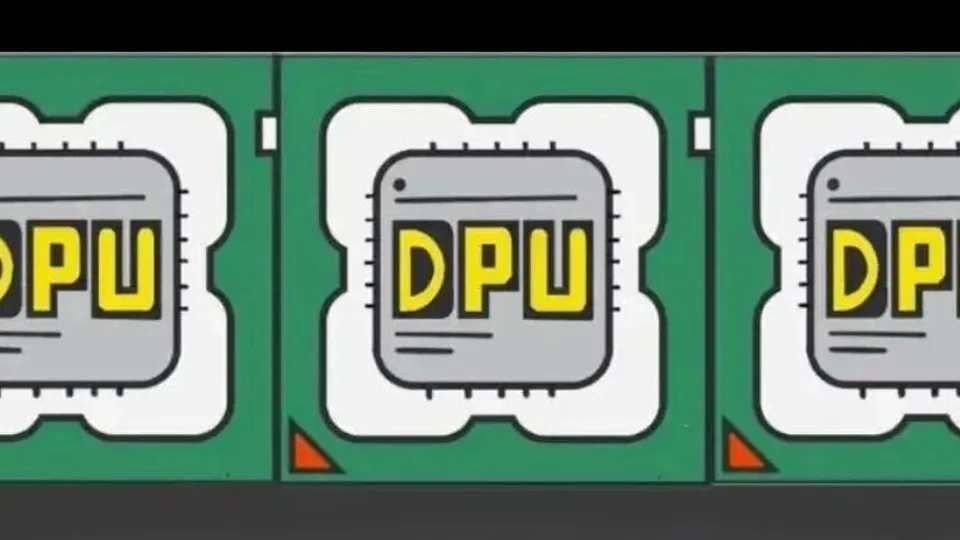
This article analyzes the technical principles, architectural innovations, and real‑world scenarios of Data Processing Units (DPUs), showing how they resolve storage‑CPU mismatches, eliminate excessive east‑west traffic, and accelerate failure recovery, thereby becoming a core infrastructure for AI and cloud computing.
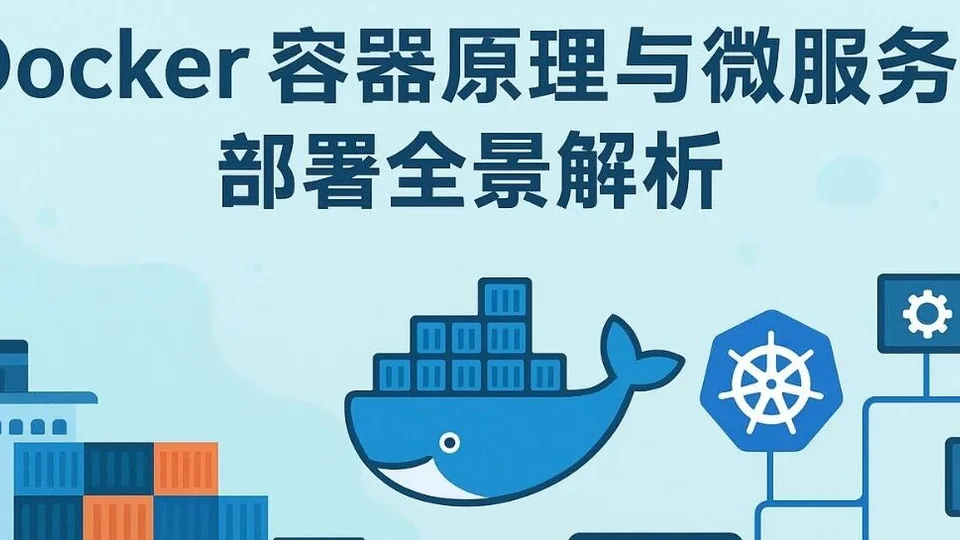
This guide explains Docker’s core concepts—including namespaces, cgroups, and union file systems—compares containers to virtual machines, outlines Docker’s architecture, and provides step‑by‑step examples for building images, using Docker Compose, and deploying microservices in development and production environments with best‑practice security and monitoring tips.
The article examines IREN’s transformation from a Bitcoin miner into a vertically integrated data‑center group, highlighting its massive owned power assets, AI cloud contracts, cost‑efficient development, high‑density wind‑cooled racks, and competitive moat that could position it as a hyperscaler within the next few years.
Amazon Bedrock introduces three service tiers—Priority, Standard, and Flex—enabling developers to match AI workload requirements with the appropriate performance level and cost, supported by concrete usage examples, a selection framework, and monitoring guidance.
The newly available Amazon EC2 P6‑B300 instance, powered by NVIDIA Blackwell Ultra GPUs, offers up to 2× network bandwidth and 1.5× GPU memory compared with its predecessor, delivering 6.4 Tbps EFA throughput, 2.1 TB GPU memory, and optimized storage options for large‑scale AI training and deployment, especially for MoE and multimodal models.
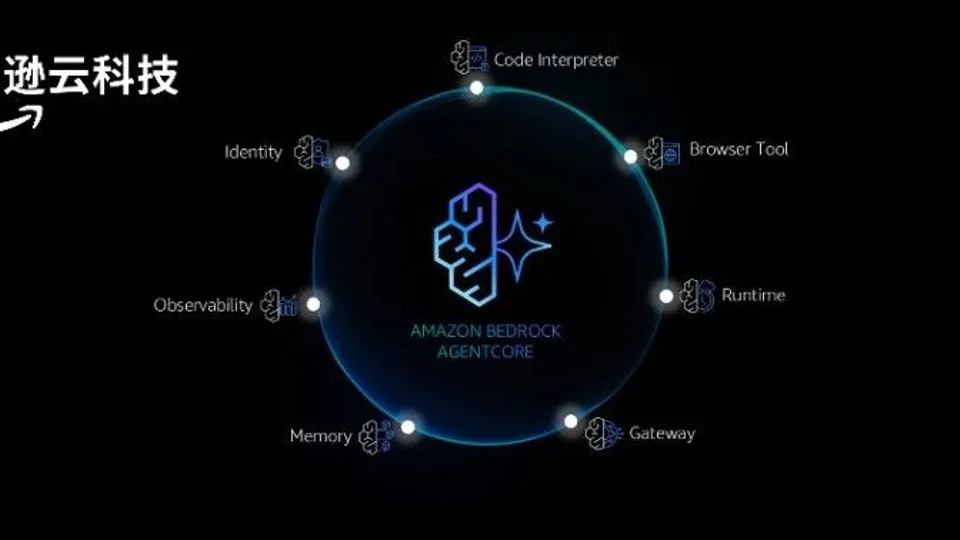
This article compares Amazon Bedrock AgentCore's container‑based and direct‑code deployment options, walks through a step‑by‑step Python example of the zip‑deployment workflow, and shows how the latter can cut iteration time from 30 seconds to about 10 seconds while simplifying setup.
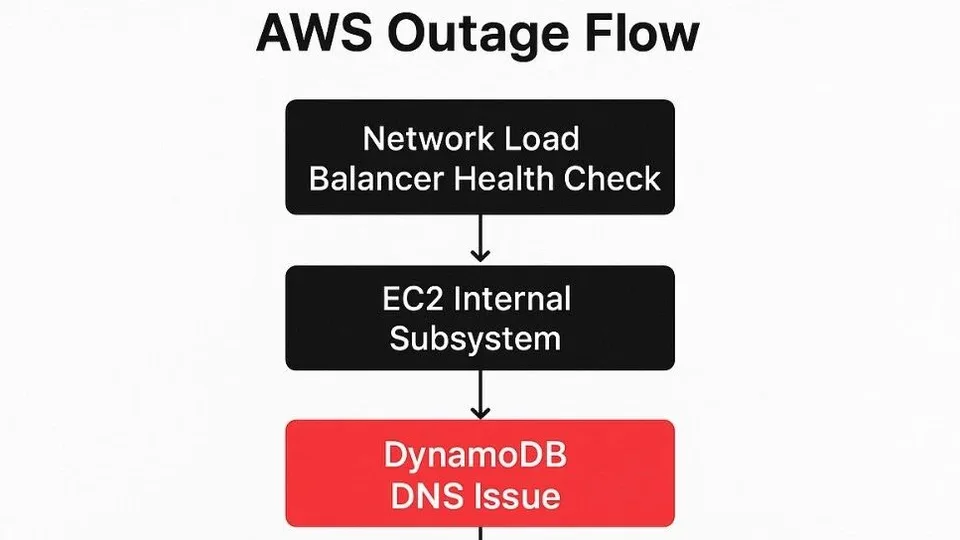
On October 19‑20 a massive AWS failure in the US‑East‑1 region crippled a large portion of the internet, exposing how a faulty internal monitoring tool, DynamoDB’s lack of cross‑region replication, and unchecked retry storms can cascade into a widespread outage, and offering concrete operational lessons for cloud teams.
This article explains how traditional kernel network stacks struggle with modern cloud data‑center workloads and introduces Baidu Intelligent Cloud's Polar solution—Polar‑TCP and Polar‑RDMA—which combine user‑space DPDK drivers, a lightweight TCP stack, and an industrial‑grade RPC framework to achieve near‑RDMA performance while preserving ecosystem compatibility.
This article introduces Terraform, an open‑source Infrastructure as Code tool, explains its core concepts such as declarative programming, resources, providers, and state management, and walks readers through the complete workflow from writing configurations to applying and destroying cloud resources.
At the 4th China IPv6 Innovation Development Conference, Alibaba Cloud showcased its rapid IPv6 deployment—boosting IDC traffic share from 12% to 40%, expanding cloud product support to 97%, and leveraging IPv6/SRv6 to meet AI large‑model network demands, while sharing best practices across industry and government partners.
On November 3, OpenAI announced a strategic partnership with Amazon Web Services, committing $38 billion to run its AI workloads on AWS’s optimized infrastructure, including EC2 UltraServer GPU clusters, with plans to reach full capacity by the end of 2026, marking a shift from its previous Microsoft‑centric collaborations.
OpenAI announced a multi‑year strategic partnership with Amazon Web Services, worth $38 billion, granting OpenAI access to AWS’s massive GPU‑powered EC2 UltraServers and scalable CPU resources to accelerate its generative AI workloads, while leveraging AWS’s security, performance, and cost advantages.
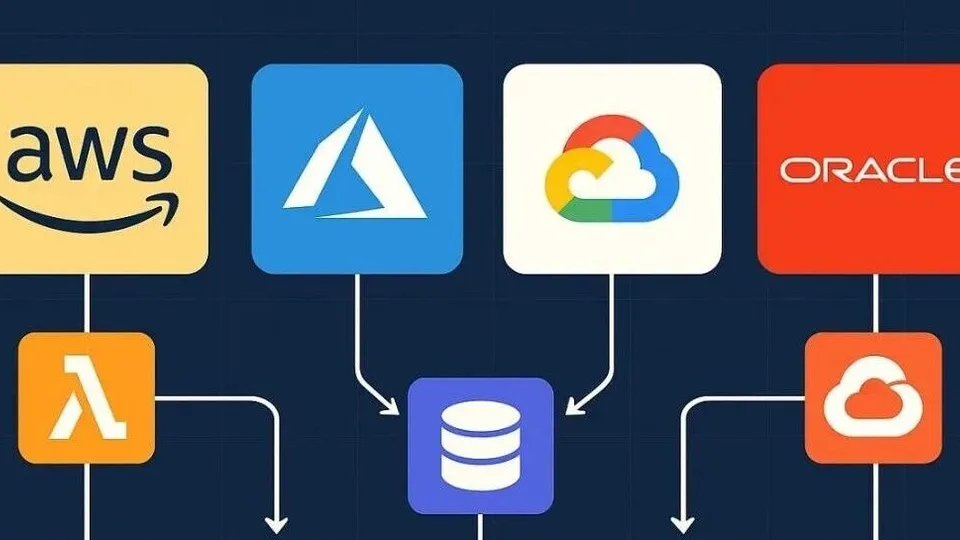
After a major AWS outage, the author spent weeks testing AWS, Azure, Google Cloud, and Oracle Cloud, comparing compute, storage, databases, networking, machine‑learning services, pricing, and ecosystem factors, and then offers concrete recommendations for different workloads and a multi‑cloud architecture.
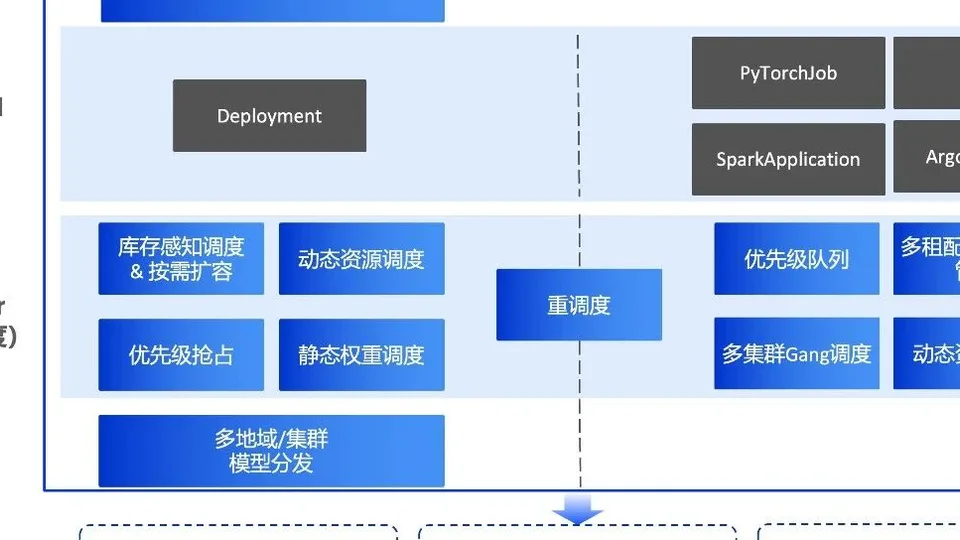
ACK One Fleet, Alibaba Cloud's enterprise multi‑cluster solution, provides inventory‑aware elastic GPU scheduling, cross‑region resource sharing, multi‑cluster HPA and model distribution, allowing AI inference and training workloads to scale efficiently, reduce costs, and maximize GPU utilization.
This article explains the fundamental differences between Layer 4 and Layer 7 load balancing, compares their performance, advantages, and use cases, and provides practical Nginx and HAProxy configuration examples to help architects choose the right approach for modern cloud and microservice environments.
This comprehensive tutorial walks you through configuring VMware NAT networking, setting up Linux network interfaces, customizing yum repositories, installing OpenStack components on both single‑node and dual‑node (controller + compute) setups, and managing Keystone, Nova, and Neutron services with practical command examples.
This article explains how a cloud testing platform leverages WebRTC to achieve sub‑200 ms bidirectional video transmission, enabling ultra‑low‑latency screen casting and remote camera feed replacement for mobile devices, and details the architecture, optimizations, performance gains, and future enhancements.