This tutorial walks readers through Docker fundamentals, image management, underlying Linux technologies, Docker Compose orchestration, and integration with Mesos, providing practical commands and examples for ops engineers and backend developers.
The article explains why, despite the apparent speed of direct internal service calls, using an API gateway provides essential benefits such as unified governance, version‑aware routing, protocol translation, security isolation, and high‑availability traffic buffering, making it a worthwhile trade‑off in most microservice environments.
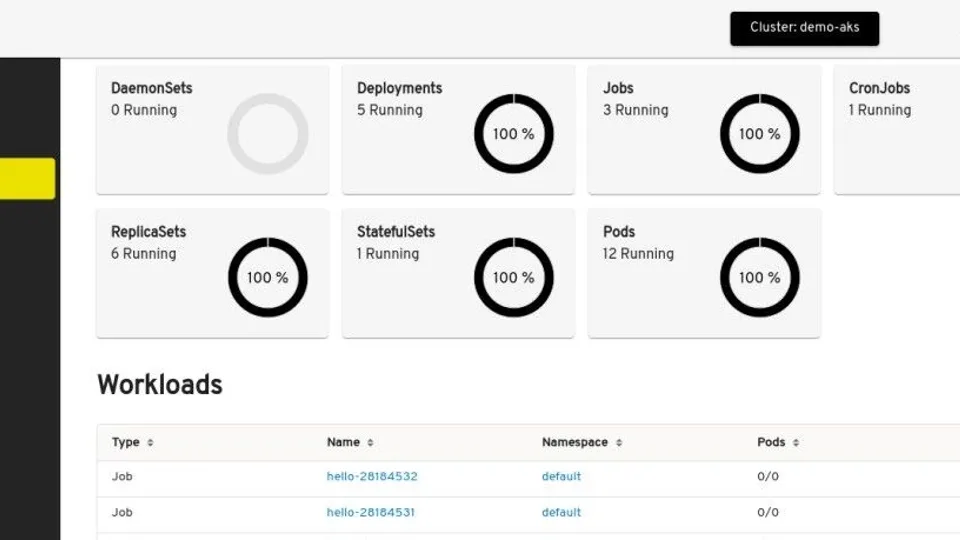
The article explains why the Kubernetes Dashboard has been deprecated due to security and multi‑cluster limitations, and introduces Headlamp as the officially endorsed, lightweight web UI that offers multi‑cluster management, strict RBAC enforcement, and extensible plugins, with simple installation steps.
This article walks Kubernetes operators through a systematic investigation of NotReady node symptoms, explaining the kubelet status mechanism, detailing each diagnostic step—from verifying node conditions with kubectl to checking kubelet, container runtime, resources, network, and certificates—and providing concrete remediation and preventive measures.
The article explains why many teams only achieve "pseudo‑containerization" by packaging binaries, and shows how true production‑grade containerization requires understanding Linux kernel isolation primitives, proper resource limits, stateless design, graceful shutdown, health probes, networking, scaling, observability and security for microservices.
The article explains how GooseFS integrates with the Lance vector format to overcome the IO bottlenecks of object storage, detailing native acceleration mechanisms such as namespace catalog services, event‑driven warm caching, automatic compaction, native transactions, and page‑level caching that together deliver up to three‑fold performance gains for AI workloads.
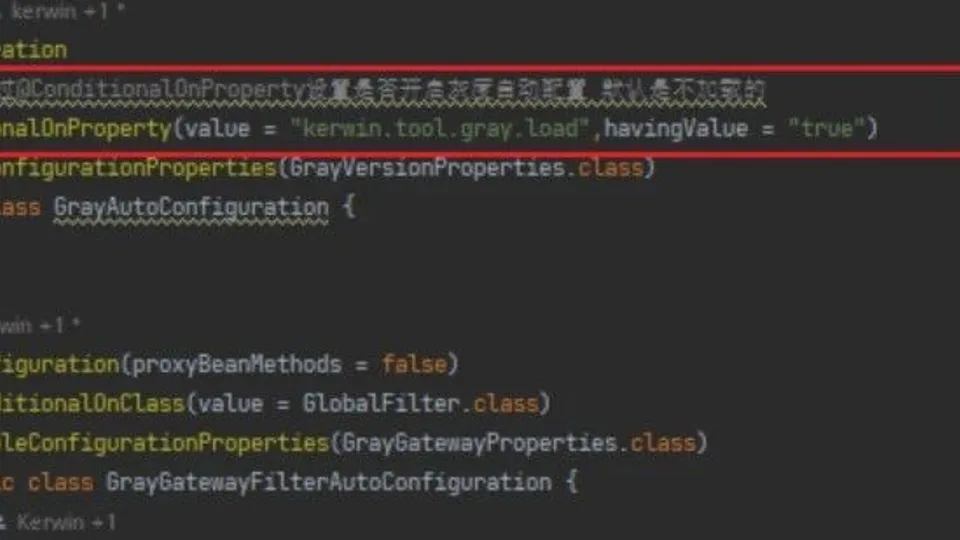
This article walks through a practical implementation of gray (canary) release in a Spring Cloud ecosystem using Nacos for service discovery, Spring Cloud Gateway for routing, Ribbon (or Spring Cloud LoadBalancer) for load balancing, and custom interceptors to control traffic based on request metadata.
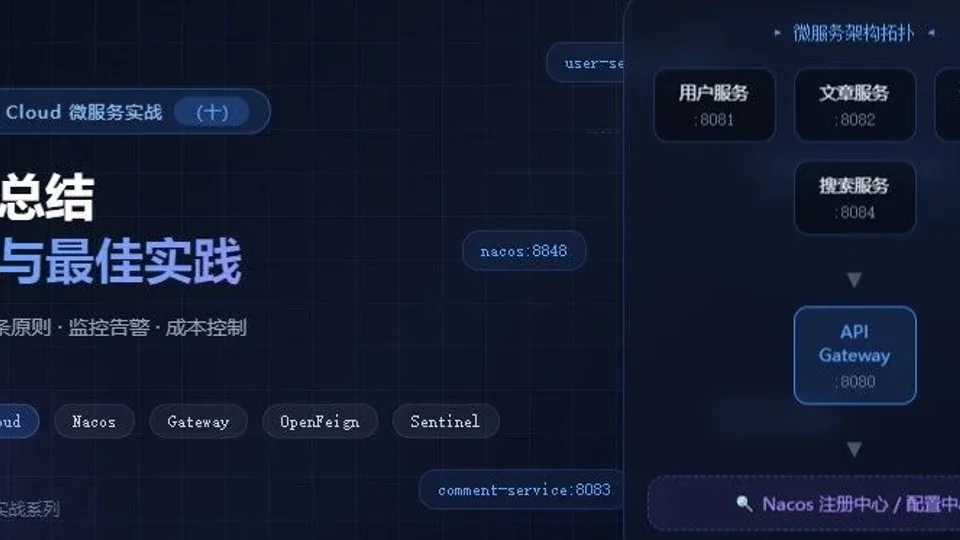
This article reviews the entire Spring Cloud microservices series, presents a full technology stack diagram, outlines production‑grade best practices for service decomposition, configuration, remote calls, rate limiting, databases, logging and monitoring, lists common pitfalls, offers performance‑tuning tips, discusses the pros and cons of microservices, and points to future directions such as service mesh, serverless and cloud‑native adoption.
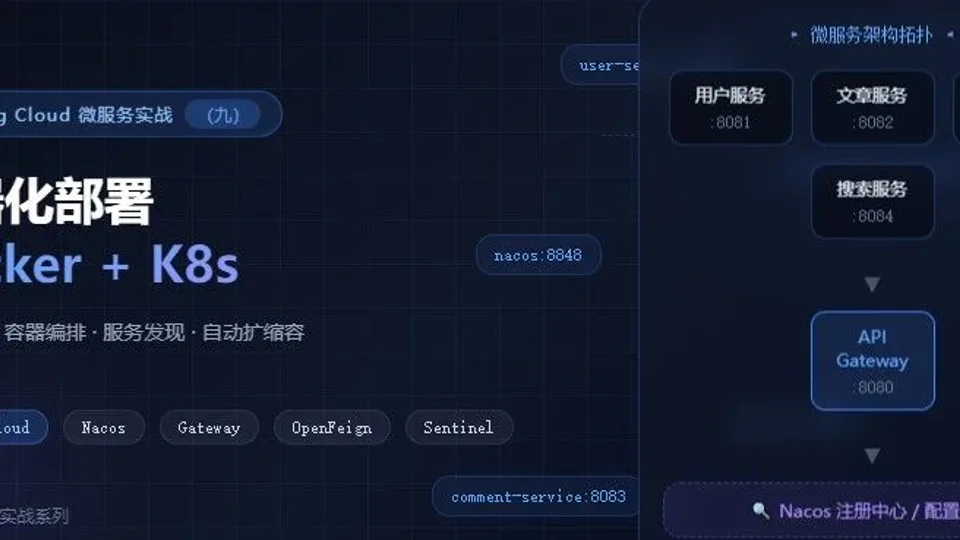
This article explains why traditional deployment is problematic, then walks through building Docker images, composing services with Docker‑Compose, deploying to a Kubernetes cluster, setting up CI/CD pipelines, and addressing common pitfalls such as slow starts and service discovery failures.
This article provides a systematic, layer‑by‑layer troubleshooting guide for Kubernetes service connectivity problems, covering pod health, service and endpoint configuration, kube‑proxy rules, CNI plugins, Ingress controllers, DNS resolution, and NetworkPolicy, with concrete commands, examples, and preventive scripts.
RocketMQ 5.0 replaces the monolithic Broker with a stateless Proxy layer that decouples compute from storage, solves scalability, multi‑protocol and cloud‑native adaptation challenges, and is demonstrated through detailed architecture comparisons, Java code samples, and two real‑world IoT and finance case studies showing significant performance and cost benefits.
This guide walks through a systematic, seven‑layer hardening methodology for Kubernetes production clusters, covering admission control, supply‑chain security, network micro‑segmentation, runtime protection, control‑plane stability, workload engineering, and observability, and provides concrete YAML, policy, and script examples to turn a merely runnable cluster into a reliably stable one.
The article explains how KCL (Kusion Configuration Language) transforms Kubernetes configuration from fragile YAML files into typed, constraint‑driven models, detailing its architecture, practical examples, CI/CD integration, and when it outperforms Helm and Kustomize for large‑scale GitOps deployments.
The author open‑sources a never‑launched WeChat e‑commerce mini‑program, recounts how 95% of its code was generated by AI, analyzes the project's architecture, the challenges faced with the original demo and AI tooling, and shares a detailed AI‑assisted development workflow.
This guide compiles the most frequently used Docker commands—covering basics, image handling, container control, volume management, networking, security, and additional utilities—providing clear screenshots to help developers boost deployment efficiency and resource management.
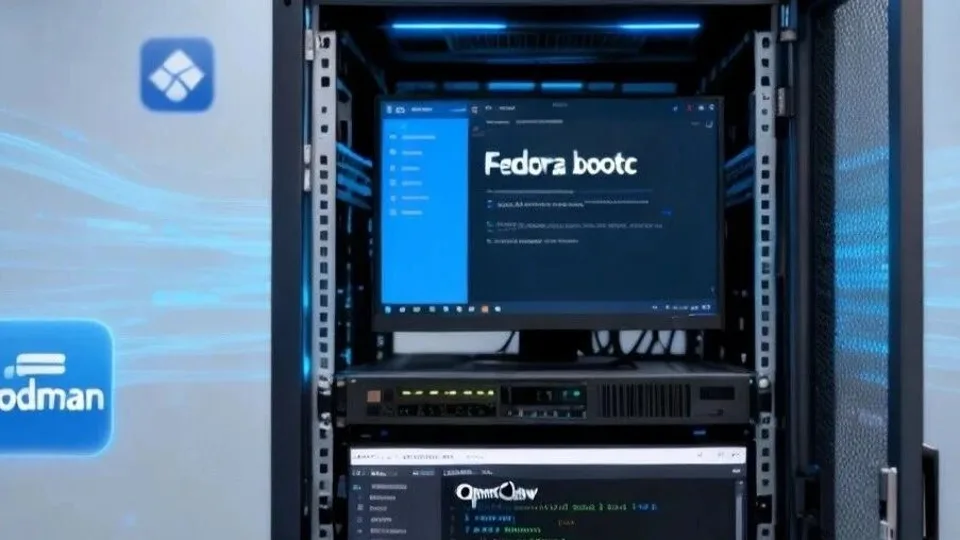
Tank OS, an open‑source project by Red Hat chief engineer Sally O'Malley, combines Fedora and OpenClaw into a bootable, root‑less container image, offering consistent, secure, and scalable management of enterprise AI agents through bootc technology.
During a high‑traffic load test, a Kubernetes 1.28 cluster appeared to stall despite low CPU and memory usage, revealing hidden bottlenecks across container limits, conntrack saturation, CoreDNS latency, and control‑plane overload; the article walks through a systematic root‑cause analysis and step‑by‑step remediation.
This article walks through a real‑world pod compromise, breaks down the six‑layer Kubernetes attack surface, and presents a step‑by‑step, enterprise‑grade defense framework—including supply‑chain hardening, identity isolation, network segmentation, secret management, runtime detection, and automated response—to build a verifiable, scalable, and continuously enforceable security posture.
A two‑day investigation of intermittent packet loss in a hybrid‑cloud Kubernetes environment revealed that an oversized VXLAN MTU caused fragmentation, prompting a step‑by‑step analysis of MTU fundamentals, diagnostic commands, Cilium configuration changes, and best‑practice recommendations for cloud‑native networks.
This article explains how to turn Helm from a simple templating tool into a production‑grade, multi‑environment delivery framework by covering Helm's core concepts, engineering upgrades, values schema, CI/CD integration, GitOps workflows, high‑concurrency considerations, and a comprehensive list of common pitfalls and best‑practice recommendations.