The article explains that running production Kubernetes clusters without regular backup and recovery plans exposes businesses to severe risks such as cluster failures, data loss, and prolonged downtime, and it details practical etcd physical and Velero logical backup strategies to mitigate these threats.
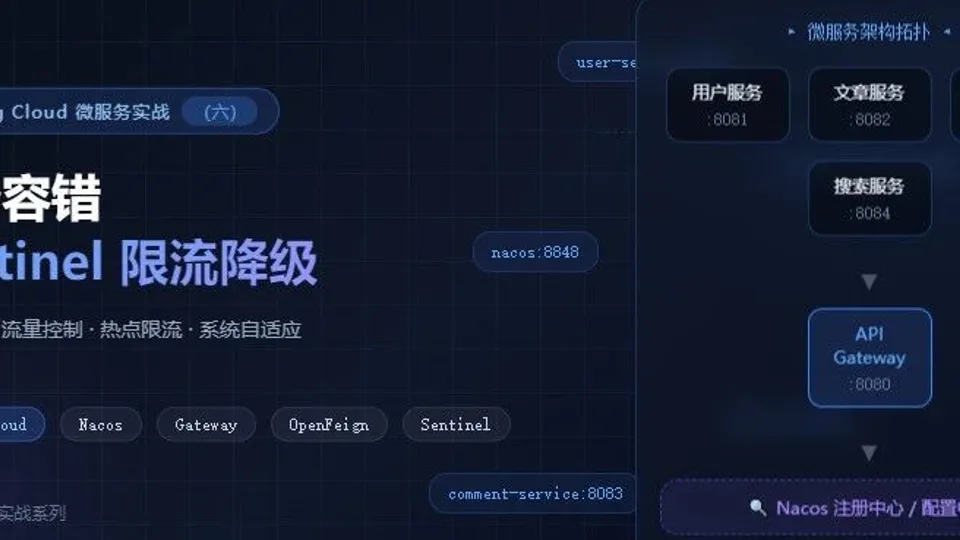
This article explains why service fault tolerance is essential in micro‑service architectures, compares Sentinel with Hystrix and Resilience4j, and provides step‑by‑step guidance on integrating Sentinel for circuit breaking, QPS and concurrency limiting, hot‑parameter control, system protection, and dynamic rule management with Nacos.
This guide explains GitOps fundamentals—declarative, versioned, automated deployments—and shows how tools like Argo CD, Flux, Helm, Kustomize, Tekton, and Sealed Secrets can speed up Kubernetes delivery, improve reliability, enhance security, and foster better collaboration across DevOps teams.
A real‑world Service timeout in a high‑traffic e‑commerce cluster exposed a saturated conntrack table, prompting a step‑by‑step dissection of Pods, Services, iptables, conntrack, CNI plugins, DNS and NetworkPolicy, and culminating in concrete production‑grade remediation tactics.
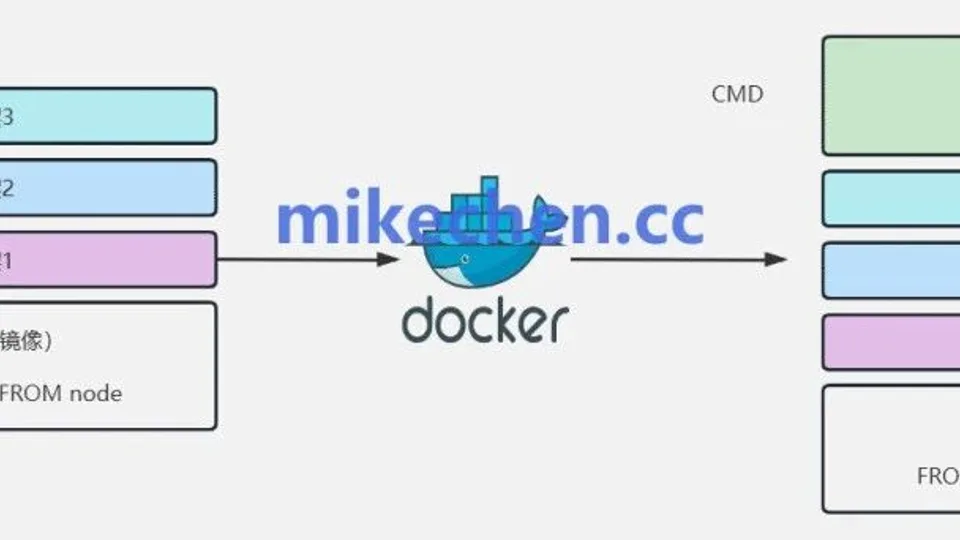
This article explains the problems Docker solves versus virtual machines, then walks through image management, container lifecycle, data volumes, networking, Dockerfile best practices—including CMD vs ENTRYPOINT and multi‑stage builds—and Docker Compose orchestration, providing concrete commands and examples for each step.
The article introduces Alibaba Cloud's Hermes observability plugin built on OpenTelemetry, which transforms the previously opaque AI agent runtime into a fully traceable system by recording every reasoning step, tool invocation, token usage, latency, and security event, enabling precise cost attribution, performance analysis, and audit of high‑risk behaviors.
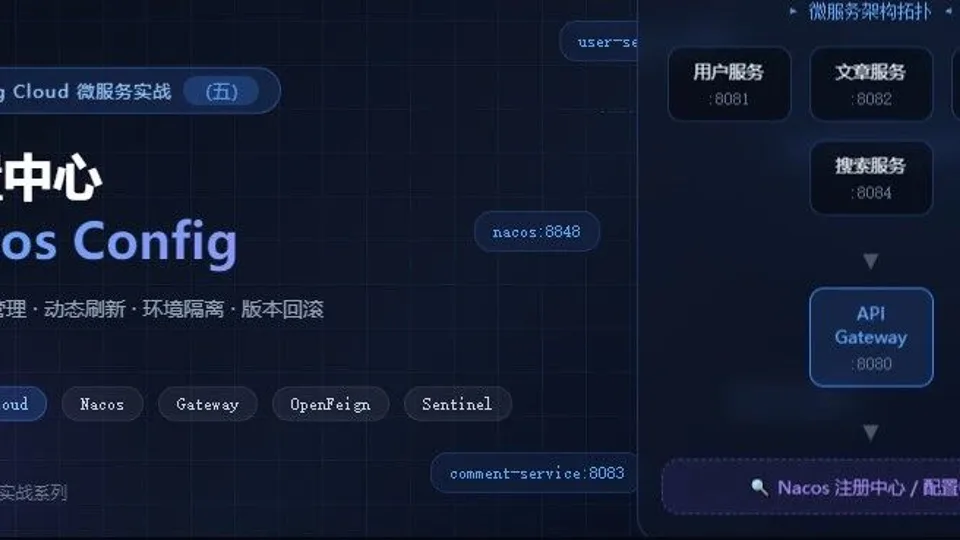
This article explains why scattered application.yml files cause configuration pain in microservices, introduces Nacos Config Center as a solution for unified, real‑time, environment‑isolated configuration management, and walks through quick setup, API usage, code integration, dynamic refresh, best practices, and common pitfalls.
The article breaks down Docker’s essential kernel features—Namespaces for isolation, Cgroups for resource limits, UnionFS for layered copy‑on‑write filesystems, and Capabilities for fine‑grained privilege control—illustrating each with clear explanations and a practical command example.
The article compares direct API calls, CLI tools, and the Model Context Protocol (MCP) for agent integration, explains MCP's token overhead, presents two token‑reduction strategies, and outlines design principles for building high‑availability MCP servers to maximize agent utility.
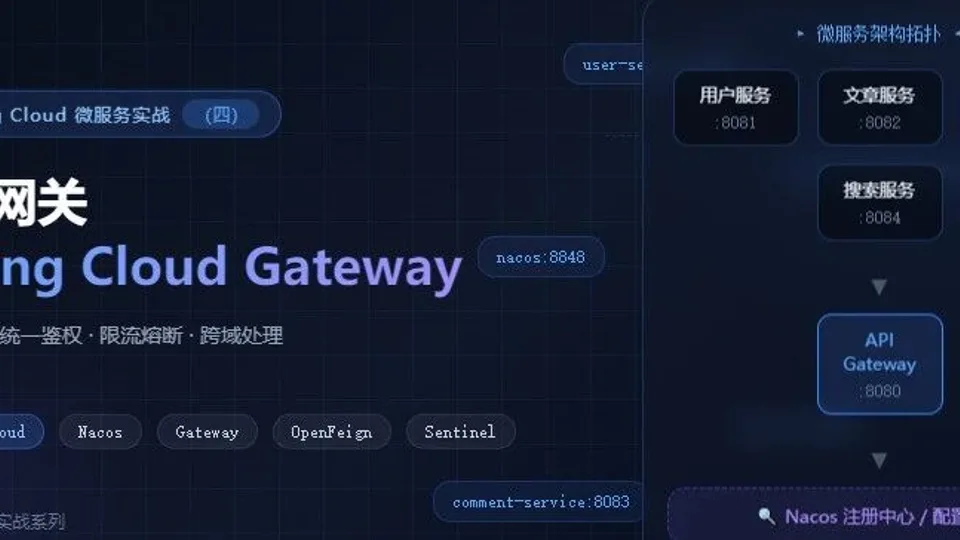
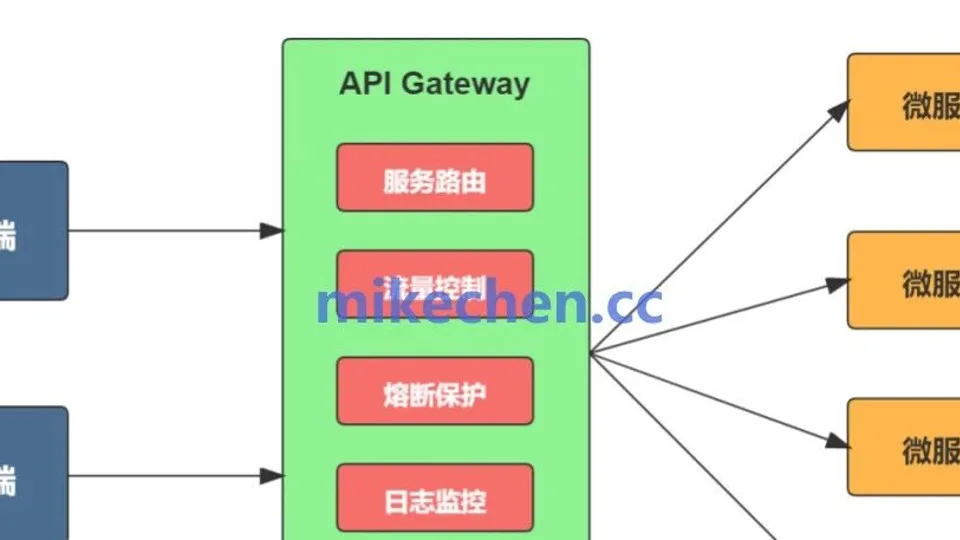
This article explains why a gateway is needed in a Spring Cloud microservice architecture, compares Spring Cloud Gateway with Zuul, introduces its core concepts of routes, predicates, and filters, and provides step‑by‑step code examples for dependency setup, configuration, custom authentication and logging filters, rate limiting, circuit breaking, troubleshooting tips, and a complete gateway configuration for a blog system.
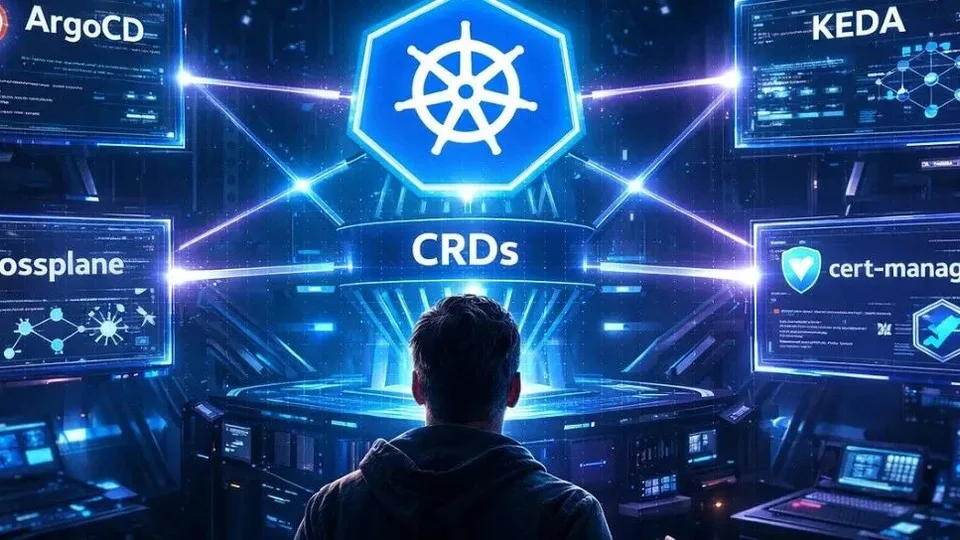
The article reveals why most Kubernetes engineers use Custom Resource Definitions without truly understanding them, explains how CRDs act as the language that extends the Kubernetes API, and provides a step‑by‑step walkthrough to create a production‑ready DatabaseCluster CRD, interact with it via kubectl and the Python client, and avoid common pitfalls.
This guide shows how to dramatically reduce container image size using Docker multi‑stage builds, choose minimal base images, automatically generate SPDX/CycloneDX SBOMs, sign images with Cosign, and integrate the whole process into CI/CD pipelines for secure, lightweight deployments.
Kubernetes v1.36 focuses on clearing technical debt rather than adding flashy features, retiring ingress‑nginx, tightening kubelet API auth, optimizing SELinux mounts, externalizing ServiceAccount token signing, expanding DRA for GPU scheduling, graduating MutatingAdmissionPolicy, and removing long‑standing legacy components, all accompanied by a concrete upgrade checklist.
When a pod is deleted in Kubernetes, the API server timestamps the request, services stop routing traffic, kubelet runs any preStop hook, sends SIGTERM followed by a configurable grace period, then SIGKILL if needed, cleans up resources, and finally removes the pod metadata, with controllers optionally recreating a replacement pod.
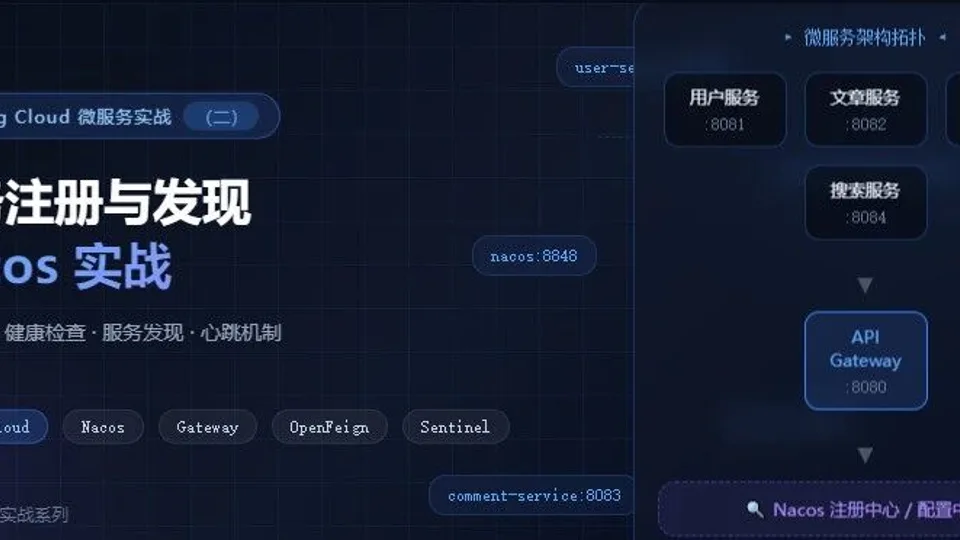
After splitting a monolithic blog into independent services, this article explains how to solve the core problem of locating services by introducing Nacos as a registration center, detailing its installation, configuration, service registration, discovery, load balancing, health‑checking, common pitfalls, and a complete hands‑on example.
This article dissects the challenges of running MySQL as a stateful workload on Kubernetes, explains why storage, consistency, and fail‑over are the real pain points, and provides a production‑grade solution that combines Longhorn distributed block storage with a carefully engineered MySQL 8.0 StatefulSet, complete with YAML manifests, performance tuning, backup strategies, and disaster‑recovery playbooks.
The article details Vivo's activity system globalization, covering multilingual support, multi‑timezone handling, multi‑tenant architecture, multi‑datacenter deployment, and a unified global code line, showing how these measures increase component reuse, lower maintenance costs, and improve global service stability.
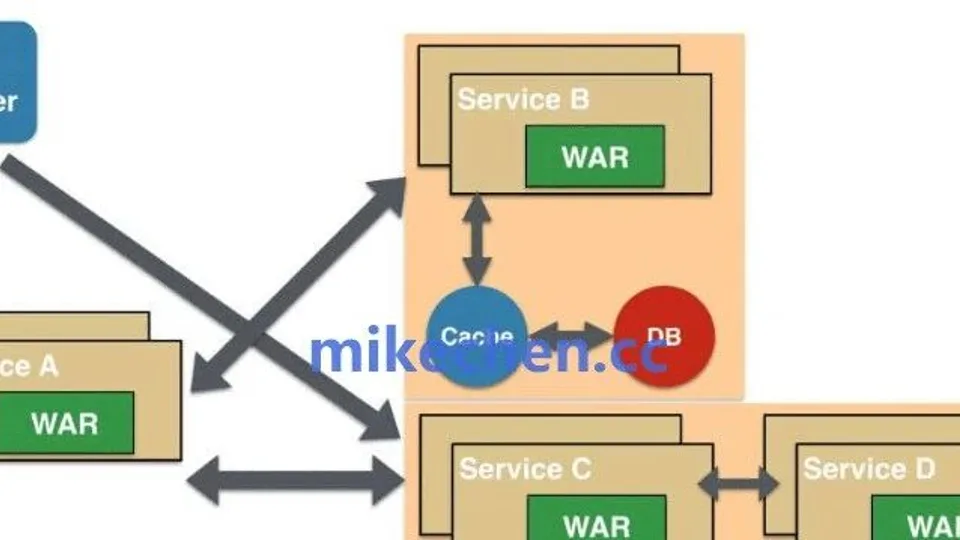
This article examines four core microservice design approaches—data sharing, aggregation, proxy, and asynchronous messaging—detailing their advantages, drawbacks, and ideal scenarios to help architects choose the right pattern for large‑scale systems.
This article provides a detailed technical overview of Spring Cloud Gateway, covering its role as a second‑generation API gateway built on Spring 5, WebFlux, and Reactor, its core responsibilities, architectural placement, key concepts like routes, predicates and filters, the request processing flow, and a concrete YAML configuration example.
AgentRun offers a cloud‑native, serverless platform that abstracts the full lifecycle of AI agents—definition, runtime, session, and event stream—while providing enterprise‑grade features such as model‑agnostic services, data‑in‑region networking, unified credential management, multi‑tenant isolation, full‑stack observability, and elastic scaling.