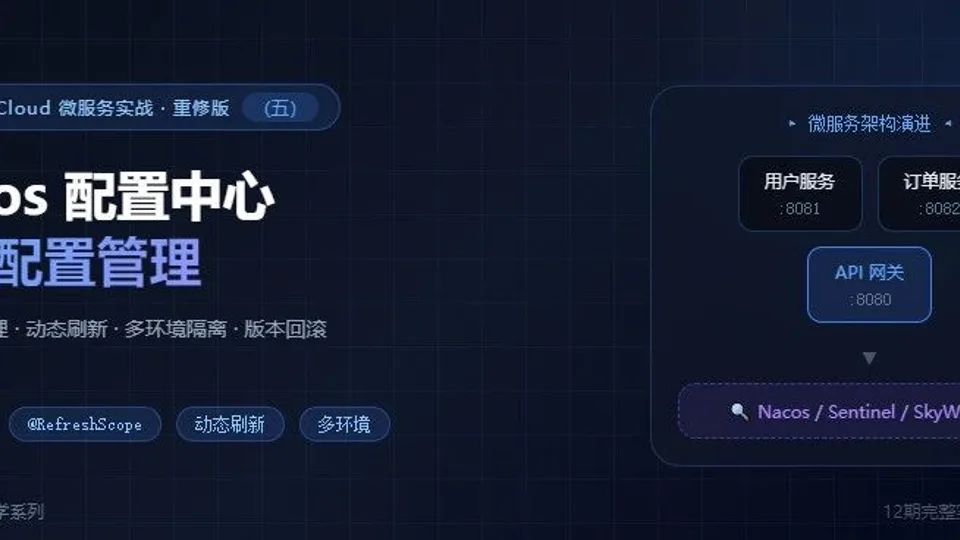
This article shows how to replace scattered application.yml files with a centralized Nacos configuration center, enabling real‑time configuration updates, environment isolation, version control, and dynamic refresh without restarting Spring Cloud services.
This article provides a comprehensive, step‑by‑step analysis of Kubernetes Pods, covering their design as a shared‑namespace container group, the role of the pause (infra) container, creation flow, lifecycle phases, resource requests and limits, QoS classes, scheduling mechanics, volume types, and detailed troubleshooting techniques with concrete command‑line examples.
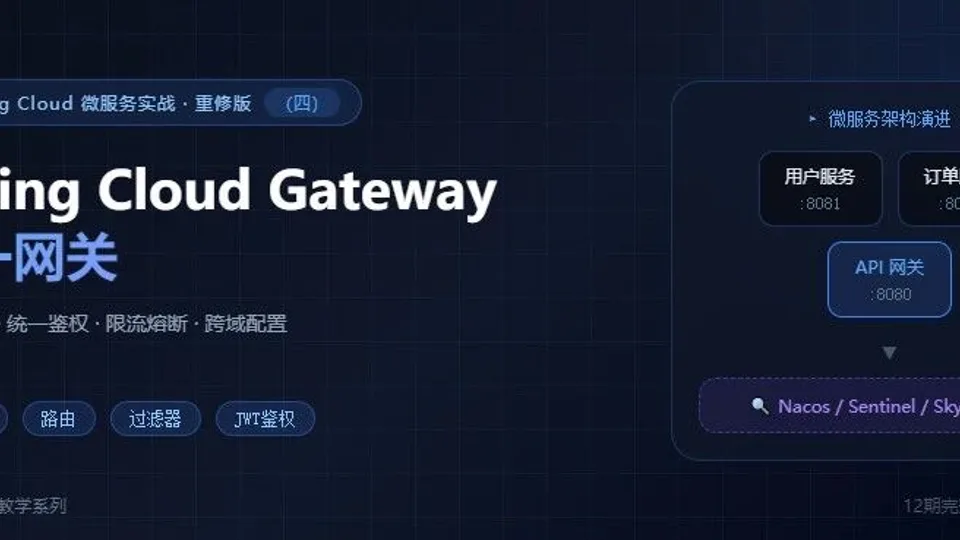
This tutorial walks through adding Spring Cloud Gateway as a single entry point for client calls to multiple microservices, covering why a gateway is needed, project structure, dependency and configuration setup, global logging and authentication filters, startup verification, and common pitfalls with solutions.
This article walks through the practical steps for building a production‑grade global multi‑cluster Kubernetes deployment using Istio multi‑primary, east‑west gateways, and Argo Rollouts, covering traffic routing, canary releases, high‑concurrency tuning, observability, data consistency, and operational best practices for large‑scale e‑commerce order services.
The article explains how the longstanding web architecture that separates stateful databases from stateless compute is being challenged by large language models and AI agents, which introduce long‑running, stateful, bidirectional workflows, exposing the need for new routing primitives such as persistent pub/sub channels rather than traditional HTTP‑load‑balancer setups.
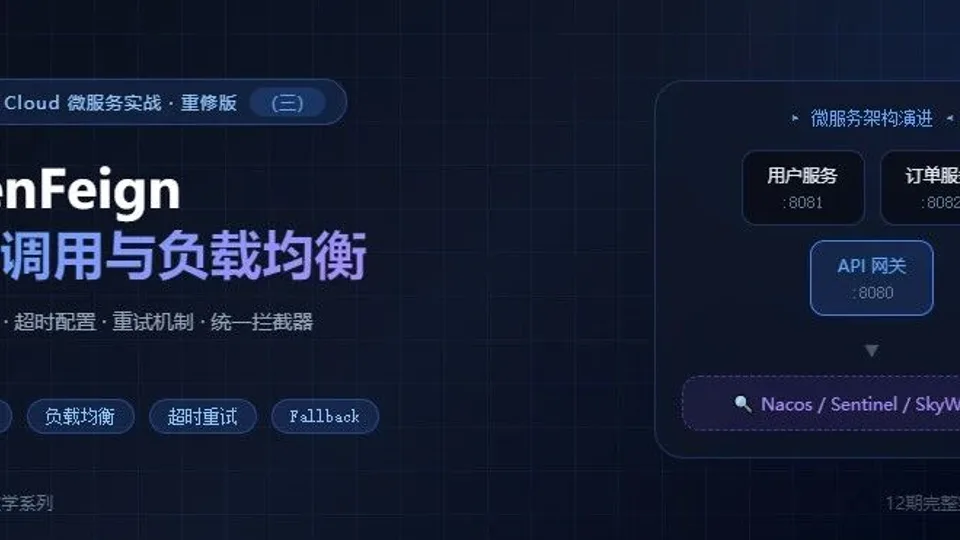
This article shows how to replace verbose WebClient/Nacos calls with declarative OpenFeign in a Spring Cloud microservice setup, reducing code by about 80%, improving readability, adding automatic load balancing, retries, logging, and circuit‑breaker support, and provides step‑by‑step configuration, code examples, and common pitfalls.
Facing hour‑level demands for new educational tools, Yuanfudao created the internal Rush platform that lets any employee describe a need in natural language and instantly receive a full‑stack application, thanks to Volcano Supabase’s AI‑native BaaS, dramatically cutting development time, cost, and operational complexity.
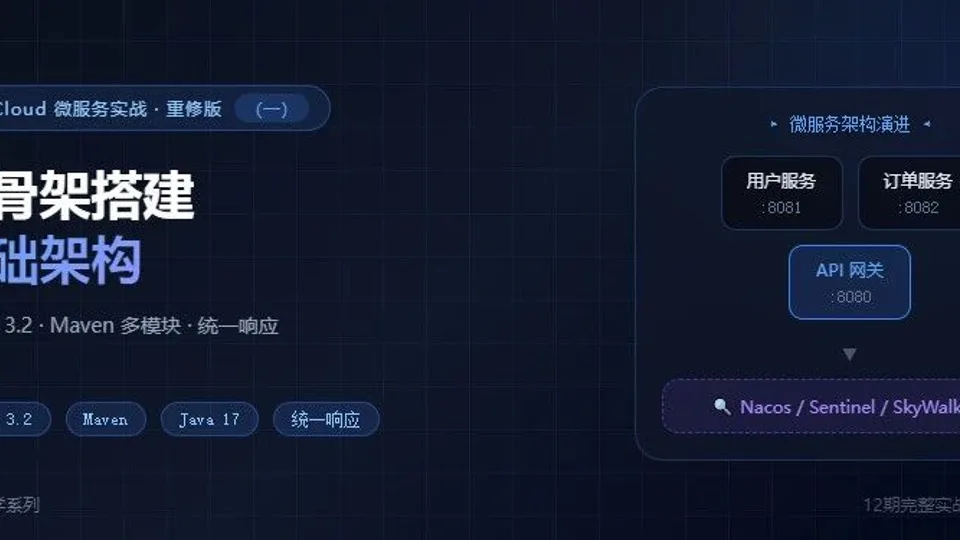
After finishing the Spring Boot source‑code series, the author launches a refreshed Spring Cloud microservices tutorial built on Spring Boot 3.x, Jakarta EE, GraalVM native images, full production‑grade demos, Kubernetes deployment, observability and performance testing, outlining a 12‑episode roadmap.
Zero‑downtime releases require coordinated control‑plane and data‑plane actions—proper RollingUpdate settings, pod lifecycle handling, service‑mesh draining, pre‑warm of dependencies, capacity safeguards, and automated monitoring/rollback—otherwise brief spikes of 502/503 errors and duplicate consumption will appear.
Nacos 3.2 expands beyond a micro‑service registry to become a unified AI asset governance platform, introducing AI Registry, MCP Registry, a three‑layer Skill security sandbox, Copilot assistance, and A2A protocol integration for seamless enterprise AI adoption.
This guide walks through the challenges of turning a locally built prototype into a globally accessible site and shows how TRAE AI IDE combined with IGA Pages enables one‑click, serverless deployment, GitHub integration, edge functions, custom domains, and sustainable CI/CD workflows for developers and product teams.
This guide walks operators through a systematic, step‑by‑step process for diagnosing Docker container startup failures, covering status checks, log inspection, detailed use of docker inspect, and categorized troubleshooting of image, configuration, resource, permission, network, and volume issues with concrete commands and examples.
The article explains how enterprises can shrink a typical three‑hour CI/CD release pipeline to a 30‑second, controllable deployment by decoupling build, verification, deployment and release, adopting incremental builds, parallel validation, GitOps, Argo Rollouts, feature flags, and rigorous governance, resulting in a 300‑fold speedup.
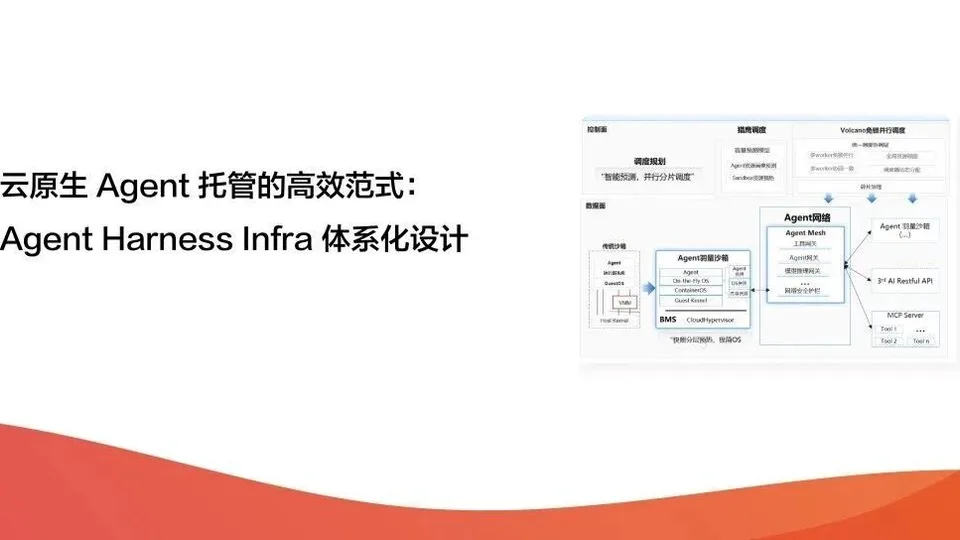
The article analyzes the challenges of deploying AI agents in cloud‑native environments—cold‑start latency, state persistence, and security isolation—and presents Huawei Cloud’s Agent Harness Infra, which uses capacity‑prediction, parallel scheduling, microVM‑based decoupling, and lightweight OS techniques to achieve up to 5× throughput, 100 ms startup and 80% warm‑start hit rates.
Using a real‑world e‑commerce supply‑chain case, the article dissects how Kubernetes’ declarative control loop, probes, scheduling, and autoscaling can be combined with proper service design, observability, and GitOps to transform a fragile deployment platform into a self‑healing, production‑grade system.
The article walks through a real‑world IP exhaustion incident in a 100,000‑Pod Kubernetes cluster, explains the IPAM call chain, analyzes trade‑offs such as consistency versus performance, and presents a layered, observable, and automated IP address management architecture using Calico, Whereabouts, and custom controllers to keep pod creation fast, reliable, and scalable.
The article explains why etcd is the single source of truth for Kubernetes, walks through its internal Raft, WAL, MVCC, and watch mechanisms, analyzes real‑world failure cases, and provides concrete architecture designs, hardware recommendations, configuration parameters, monitoring metrics, backup procedures, and best‑practice checklists to run etcd safely in production.
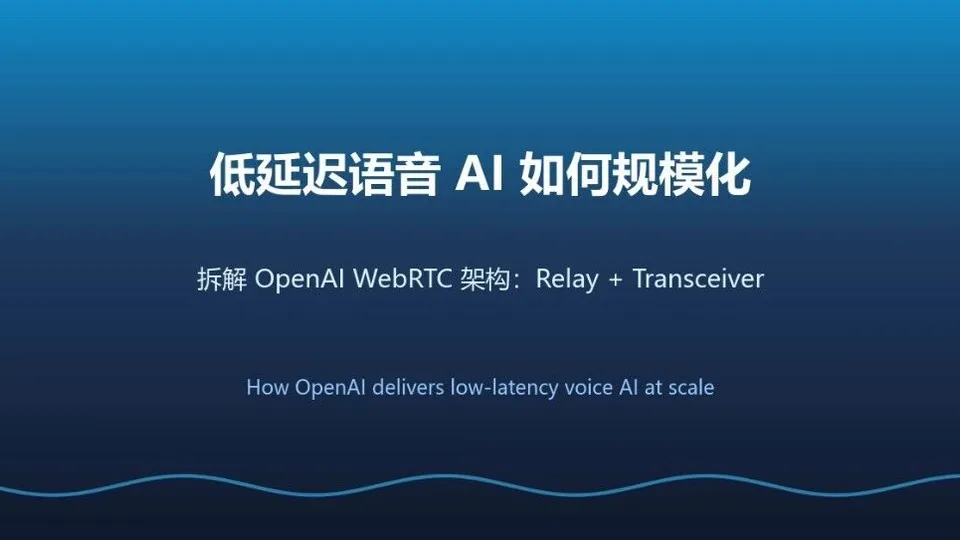
The article dissects OpenAI's engineering approach to delivering low‑latency voice AI at scale, explaining why WebRTC was chosen, how a Relay + Transceiver split solves Kubernetes integration challenges, the use of ICE ufrag for deterministic routing, and how global relay and implementation choices reduce perceived latency.
This article demystifies Docker by explaining its kernel‑level isolation, standard image distribution, runtime, and orchestration chain, and shows how to build production‑grade Dockerfiles, use Docker Compose, migrate to Kubernetes, implement observability, secure containers, and avoid common pitfalls in high‑concurrency microservice deployments.