This article walks through the complete engineering practice of turning a single‑machine demo into a cloud‑native, highly available real‑time translation robot using AgentScope Java, covering business requirements, architecture evolution, core AgentScope concepts, code examples, deployment, observability, performance tuning, and common pitfalls.
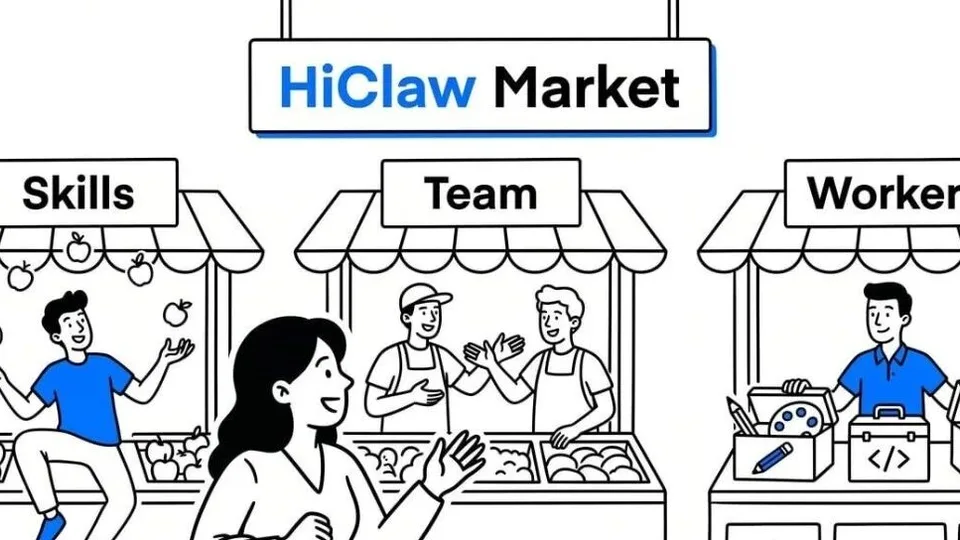
The article explains how HiClaw’s Worker templates turn ad‑hoc multi‑agent tasks into repeatable, stable processes by encapsulating skills, constraints, and SOPs, enabling easier reuse, versioning, and distribution across teams and private markets.
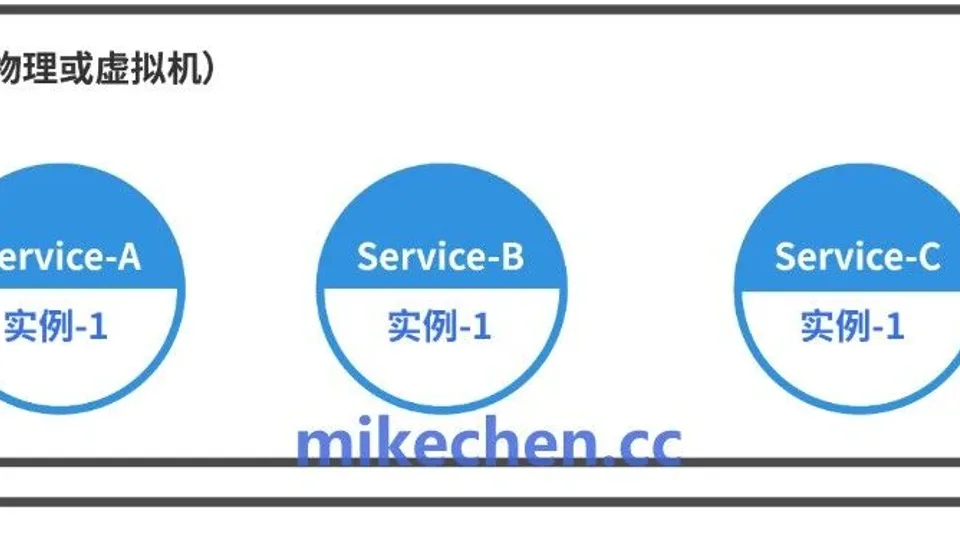
This article compares four microservice deployment strategies—single-host multi-instance, containerized with Kubernetes, serverless functions, and full orchestration—detailing their architectures, benefits, drawbacks, and suitable scenarios, helping engineers select the most appropriate approach for scalability, reliability, and operational complexity.
This article explains why Loki’s tag‑only indexing makes it a lightweight, cost‑effective log aggregation solution for Kubernetes, breaks down its micro‑service architecture and data flow, and provides a hands‑on binary deployment guide using Docker Compose.
The article examines why Go remains dominant in core cloud‑native infrastructure in 2026—thanks to its static compilation, low memory footprint, and mature ecosystem—while highlighting emerging competition from Rust in high‑performance data planes and Python in AI workloads, and outlines Go’s recent evolutions such as generics, scheduler enhancements, and native observability.
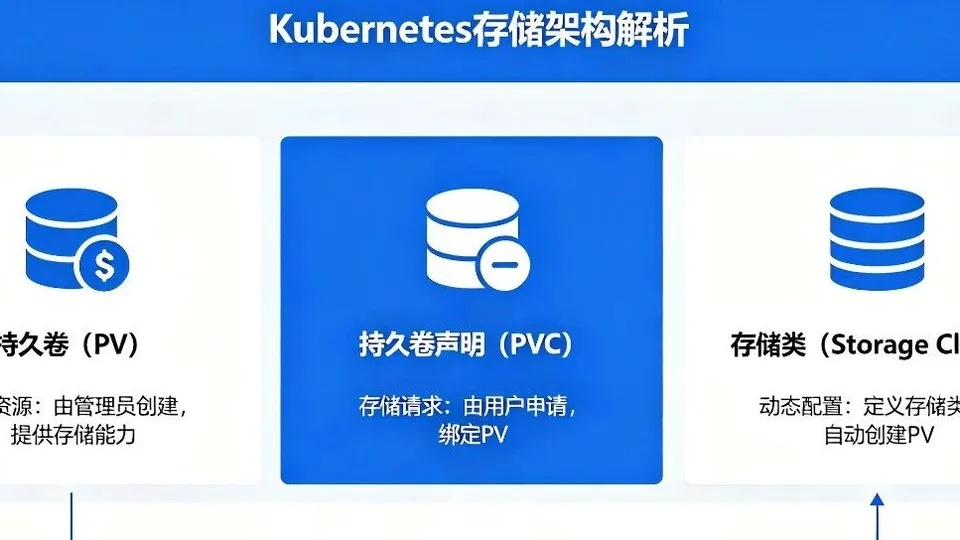
The article explains Kubernetes' storage architecture, covering ephemeral volumes like emptyDir and hostPath, persistent storage with PV/PVC (static and dynamic provisioning via StorageClass), configuration storage using ConfigMap and Secret, and enterprise‑grade plugins such as Ceph, providing code examples and practical usage guidelines.
This guide explains how to use kubeasz and Ansible to design, deploy, scale, secure, monitor, and maintain a production‑grade Kubernetes cluster, covering control‑plane HA, etcd reliability, networking, storage, capacity planning, upgrade strategies, and disaster‑recovery practices.
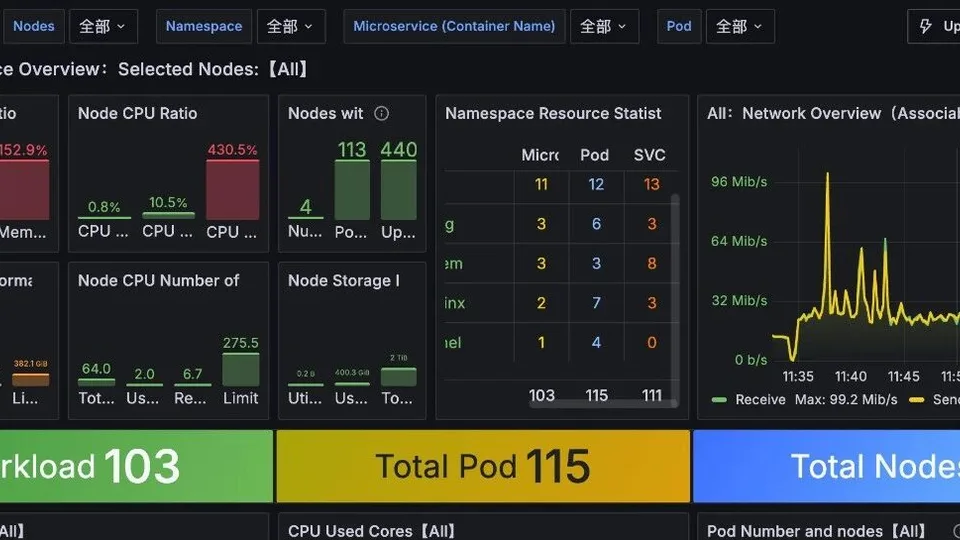
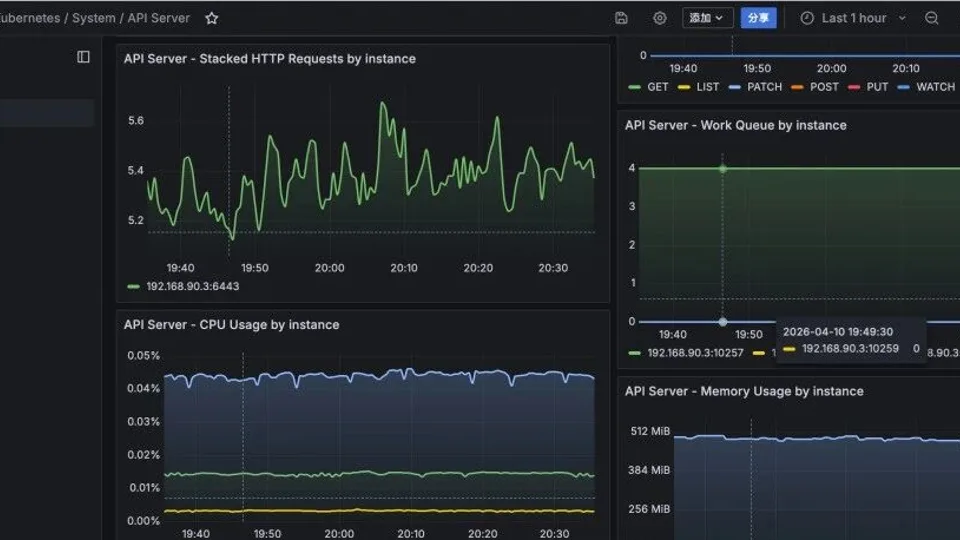
This guide walks through setting up Prometheus and Grafana to monitor a Kubernetes cluster and all business pods, covering the deployment of kube‑state‑metrics, the required RBAC objects, service definitions, and detailed Prometheus scrape configurations for both kube‑state‑metrics and cAdvisor.
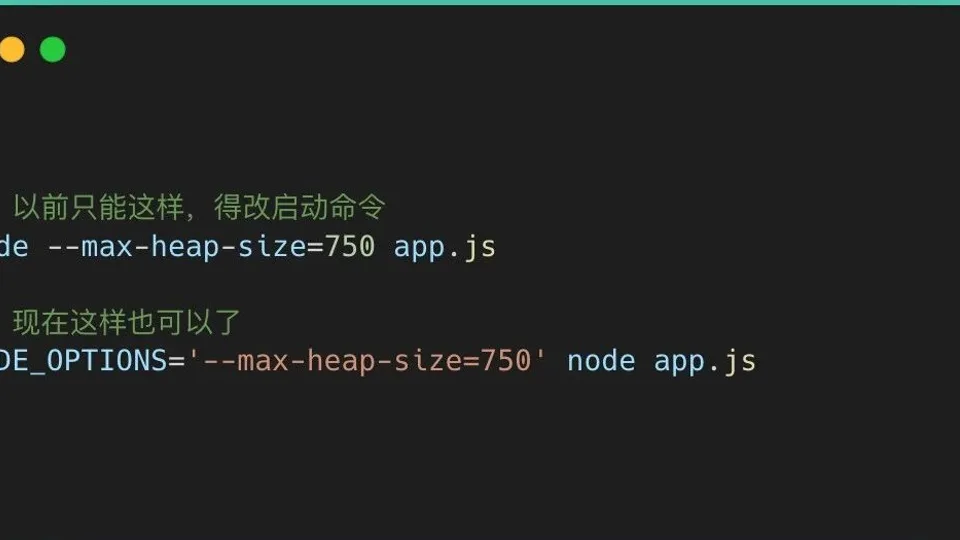
Node.js 25.9.0 adds support for the --max‑heap‑size flag in the NODE_OPTIONS whitelist, allowing containers on Kubernetes to set heap limits via environment variables, reducing OOM kills, while also introducing experimental stream/iter API, test‑module mock changes, new Web Crypto algorithms, and other enhancements.
This guide walks through deploying Prometheus and Grafana in a Kubernetes cluster using binary installation, detailing the Prometheus scrape configurations for core components, the necessary Service and Endpoints manifests, and how to reload the configuration to enable full‑stack monitoring.
Using a shipping‑container analogy, this article explains how Docker packages applications into portable images and how Kubernetes orchestrates those containers across clusters, clarifying key concepts such as images, containers, Pods, Deployments, Services, and the role of nodes in modern cloud‑native environments.
This article details the design and workflow of HiClaw, an AI‑driven, cloud‑native system that intercepts DingTalk crash alerts, isolates analysis in secure containers, and automatically generates actionable reports, dramatically reducing manual investigation time while complying with strict internal security policies.
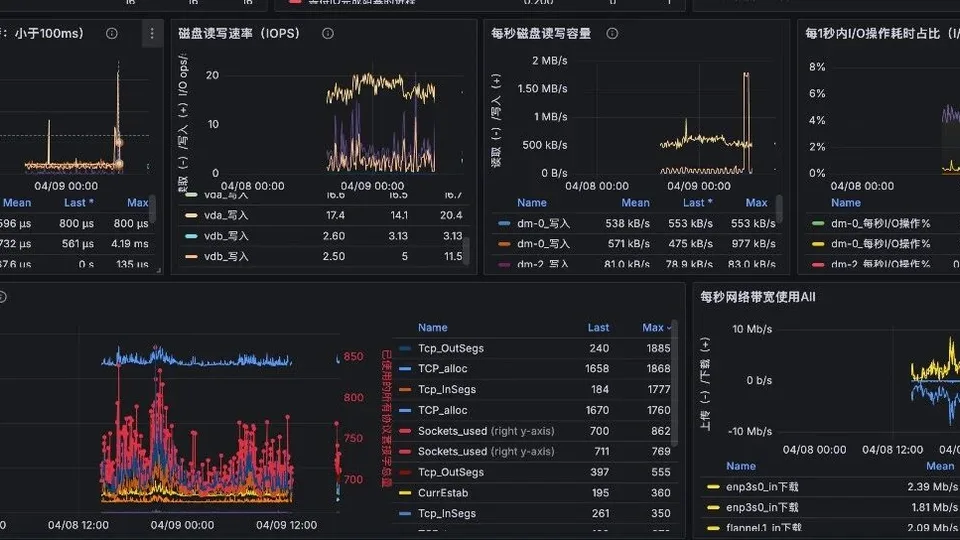
This guide walks through deploying Prometheus (v2.51) and Grafana on a Kubernetes cluster, configuring hostPath storage, setting up node‑exporter, adding scrape jobs via Kubernetes service discovery, reloading configurations, and visualizing metrics through Grafana dashboards, with complete YAML examples and screenshots.
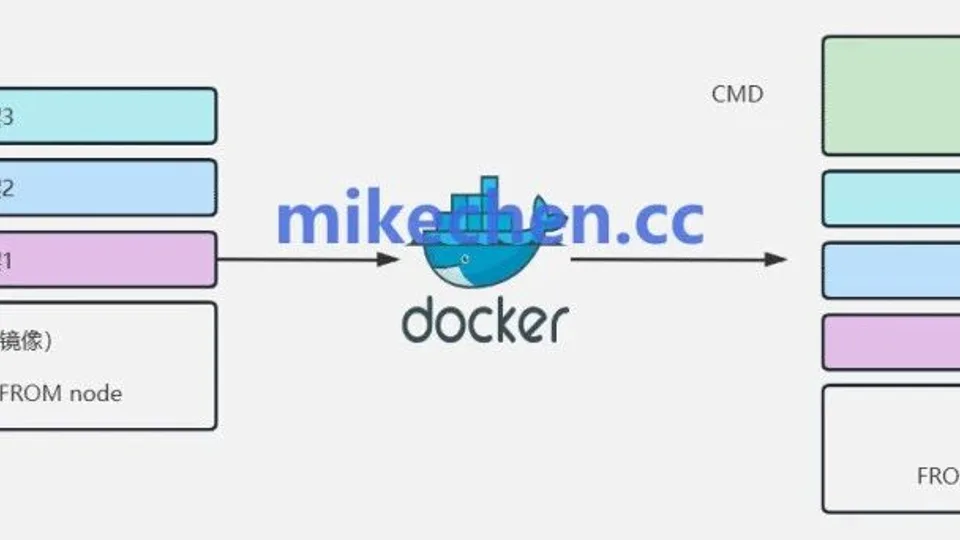
This article explains Docker's client‑server architecture, core isolation mechanisms like Linux namespaces and cgroups, the layered UnionFS image model, and how libcontainer/runc creates containers, providing a comprehensive technical overview of Docker as a cloud‑native platform.
This comprehensive guide walks you through building a production‑grade Go order service—from understanding the high‑concurrency business scenario and Go’s runtime advantages, to designing microservice architecture, handling idempotency, outbox patterns, observability, Kubernetes deployment, incident response, and testing strategies.
This comprehensive guide explains how to transform Kubernetes from a single‑cluster setup into a production‑grade, multi‑cluster platform that can handle tens of thousands of pods and high‑concurrency workloads by applying architectural, operational, and governance best practices across eight layers of the stack.
This article explains how to integrate Ceph's erasure‑coded RBD pools with OpenStack, covering the design principles, storage pool layout, performance trade‑offs, and step‑by‑step configuration for Nova and Cinder to achieve higher storage utilization while maintaining high availability.
This article details the design and implementation of a cloud‑native, real‑time monitoring system for Alibaba Cloud OpenAPI, covering background challenges, a Flink‑SLS architecture, multi‑region data processing, checkpoint and state‑backend tuning, source‑side predicate pushdown, visualization with Grafana, and production results.
The article explains how to move beyond basic ConfigMap and Secret usage in Kubernetes by covering core principles, immutable configurations, multi‑layer architecture, naming conventions, split strategies, security hardening, GitOps workflows, and concrete code examples for reliable production deployments.
The article explains that without a gateway each microservice must duplicate authentication, rate‑limiting, logging and other cross‑cutting concerns, leading to maintenance overhead and security risks, and shows how a gateway centralises these functions while providing routing, load‑balancing, circuit‑breaking and observability, backed by real‑world code examples and a comparative analysis of popular gateway solutions.