Tencent shares four kernel-level Elasticsearch optimizations: memory-based smooth rate limiting to prevent cluster avalanches, Rollup pre-aggregation cutting storage costs 10x, moving FST off-heap to manage 50TB per node, and metadata scalability improvements supporting million shards with sub-5-second index creation.
The article reviews a speaker’s ten‑year journey from building multi‑level consistency models and defining over twenty new data anomalies to exposing ANSI‑SQL’s isolation flaws, unveiling the “Eight Immortals” consistency diagram, proposing the CCDB architecture with zero‑time unlock, and finally codifying three concurrent‑system design principles.
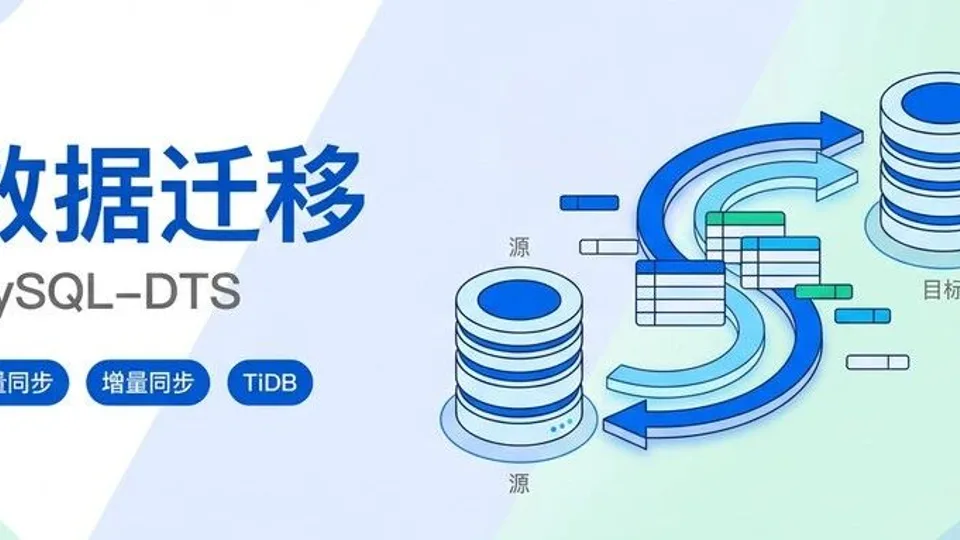
MySQL-DTS unifies structure sync, full migration, and incremental replication in a single task for MySQL sources and MySQL/TiDB targets, featuring consistent snapshots, chunked parallelism, GTID/file+pos checkpoints, and built-in pt-osc/gh-ost compatibility for seamless online schema changes.
This concluding tutorial walks beginners through SQL Server stored procedures, highlighting their speed, reusability, and automation advantages over single statements and views, and demonstrates creating, invoking (with and without parameters), altering, and dropping procedures while sharing naming conventions and common pitfalls.
SQLite powers virtually every mobile app, browser, TV and car system, with an estimated trillion live instances, yet it is written and maintained by only three people who enforce a public‑domain license and a rigorous aerospace‑grade test suite.
This article explains how database views act as virtual tables that store only query logic, allowing developers to replace repetitive, multi‑join SQL statements with a single, reusable query while improving consistency, hiding sensitive fields, and boosting development efficiency.
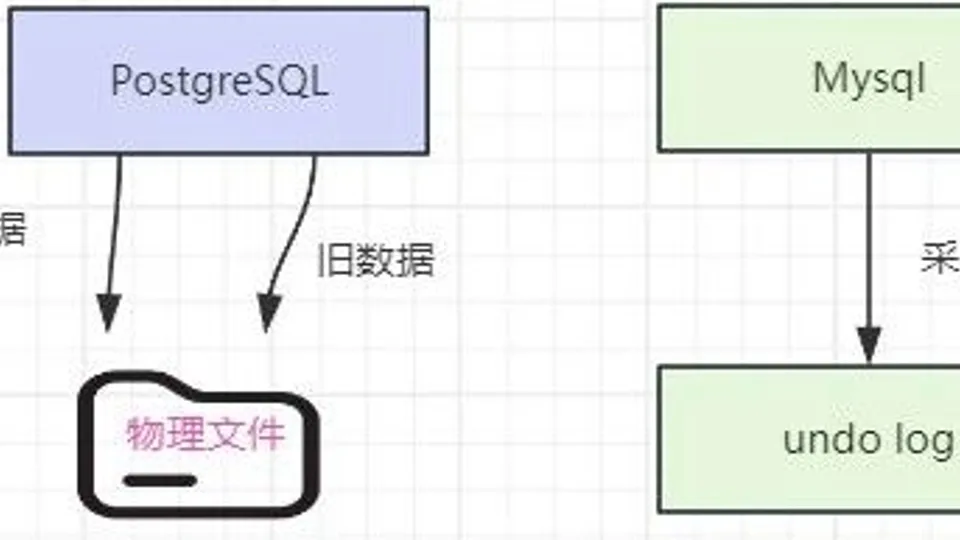
This article compares PostgreSQL and MySQL across complex query optimization, data types, MVCC implementation, transaction rollback capabilities, and cloud ecosystem support, explaining why PostgreSQL is increasingly preferred for complex analytics, vector search, and geospatial applications.
The article explains why MySQL back‑table lookups (回表) double I/O and degrade performance, defines covering indexes that retrieve all needed columns from a secondary index, shows how to identify back‑table cases via EXPLAIN, and provides step‑by‑step commands to create, test, and verify covering indexes for high‑frequency queries.
The article explains that merely placing data on multiple machines constitutes sharding—a way to split data for capacity—but true distributed systems require coordinated nodes that communicate, replicate, and handle failures, illustrated with an e‑commerce warehouse analogy and guidance on choosing between sharding and distributed databases.
The article explains how database transactions ensure atomicity, consistency, isolation, and durability, showing why they are essential for preventing data inconsistency, loss, and reconciliation errors, and provides step‑by‑step SQL examples of successful and rolled‑back transactions along with practical tips for safe usage.
The 17th China Database Technology Conference showcased DBA‑AI transformation strategies, highlighting five‑stage evolution paths, lightweight big‑data + AI architectures, and the emerging Agentic Data Stack, while warning of AI hallucination risks and emphasizing human‑AI collaboration for future data engineering.
This article explains MySQL InnoDB's MVCC mechanism, detailing how snapshot reads and current reads work, the hidden fields that drive versioning, the Read View rules for RC and RR isolation levels, and provides hands‑on SQL demos plus common pitfalls to avoid.
The article explains that indexes are the key to solving most database slow‑query problems, compares full‑table scans with indexed lookups, describes the two main index types in SQL Server, and provides step‑by‑step T‑SQL commands for creating, testing, and removing indexes while warning against over‑indexing.
When a query suddenly slows down tenfold, adding an index often fails to help; the real solution is to read and understand MySQL's execution plan, which reveals how the optimizer works, which indexes are used, and where performance bottlenecks lie, enabling systematic query tuning.
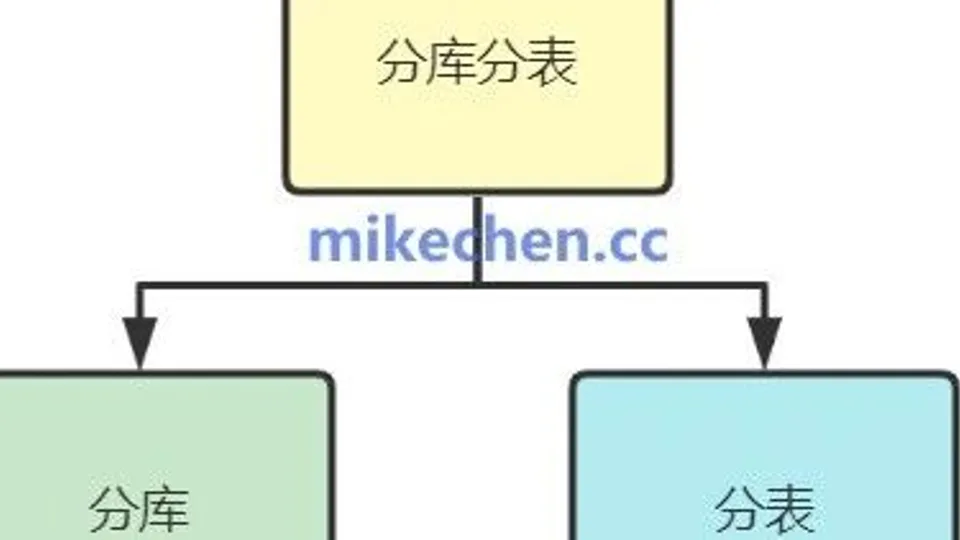
The article explains why high‑traffic MySQL deployments hit performance limits, introduces the concepts of vertical and horizontal sharding, and provides a step‑by‑step guide—including necessity assessment, shard key selection, schema design, middleware integration, and data migration—using an e‑commerce order system as a concrete example.
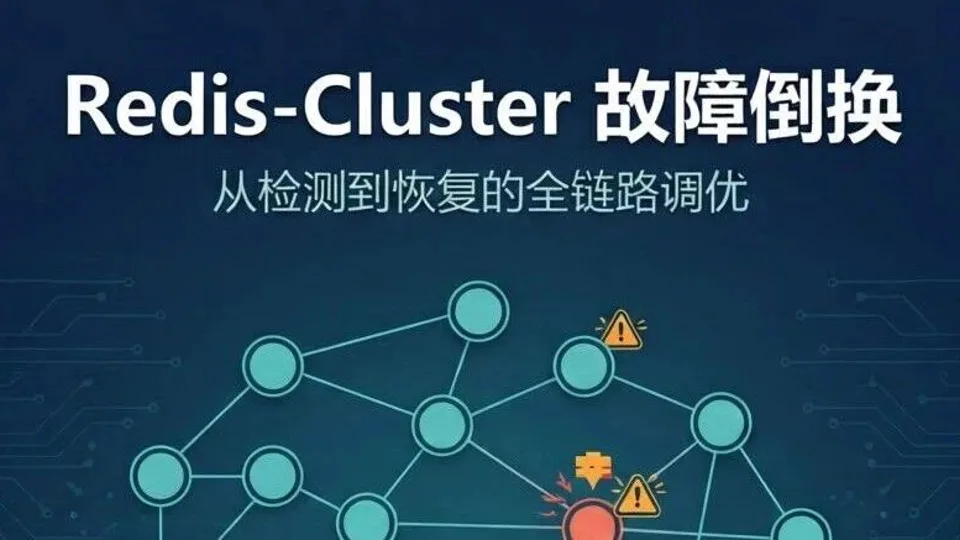
The article breaks down Redis‑Cluster failover into detection, election, failover, and client perception stages, explains the timing bottlenecks of each, and provides concrete server‑side and Lettuce client configurations that shrink end‑to‑end recovery to under ten seconds.
DBX is a lightweight ~20 MB client that natively supports Easysearch and Elasticsearch, offering quick Windows installation, graphical connection setup, SQL and native DSL query editors, and a visual filter panel, making index inspection and data retrieval fast and convenient.
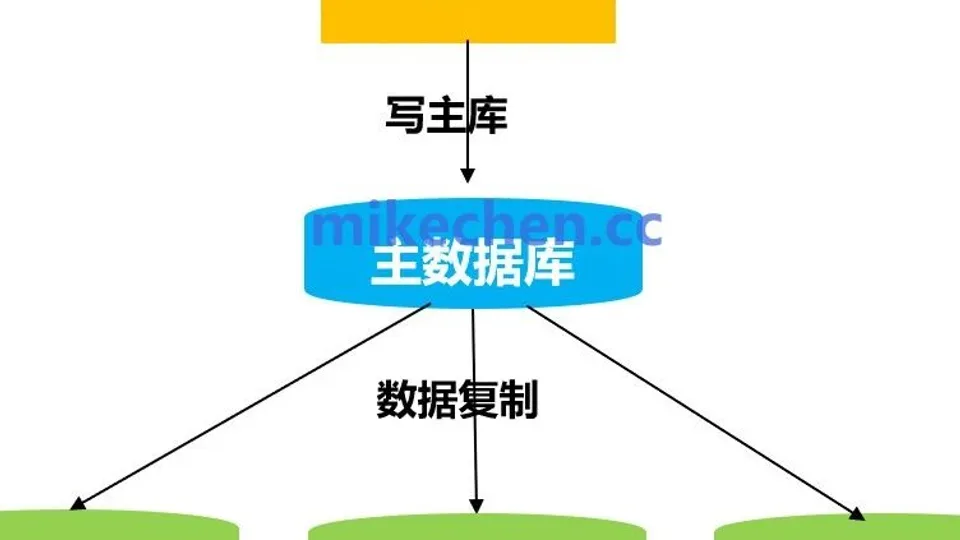
MySQL master‑slave replication separates writes to the master and reads to one or more replicas, using binary logs to record changes; the article explains its core concepts, typical scenarios like read‑write splitting and high‑availability, and provides a step‑by‑step configuration guide covering server IDs, binlog settings, replication accounts, data initialization, GTID options, and status verification.
Understanding MySQL’s lock types—table, row, and gap locks—reveals how they act as resource tokens to ensure data consistency under concurrency, while the article details their characteristics, appropriate and prohibited use cases, common pitfalls like lock degradation and deadlocks, and provides hands‑on SQL examples to reproduce and avoid these issues.
This guide explains why subqueries are essential after learning JOINs, outlines their core characteristics, common use cases, two main types, step‑by‑step examples—including single‑row, multi‑row, aggregate, and derived‑table queries—and lists five key rules to avoid pitfalls while showing when to prefer subqueries over JOINs.