This article details SQLite's SQL enhancements from versions 3.22.0 to 3.26.0 in 2018, covering boolean literals with IS [NOT] TRUE/FALSE, window functions with OVER clause limitations, FILTER clause for aggregates, UPSERT via INSERT ON CONFLICT, and column renaming via ALTER TABLE RENAME COLUMN.
This comprehensive guide walks through a complete MySQL performance optimization cycle: classifying three types of gradual slowdown, setting up slow logs and digest metrics, using EXPLAIN ANALYZE and optimizer trace to pinpoint a full-table scan on a 62M-row orders table, adding a composite index (user_id, status, created_at) via safe online DDL with three safety barriers, and establishing monitoring to prevent regression.
A comprehensive guide to diagnosing and resolving MySQL master-slave replication delay, covering root causes like large transactions, parallel replication misconfiguration, hardware bottlenecks, lock contention, missing indexes, network issues, and semi-sync replication, with practical tools, monitoring setup, and real-world case studies.
This comprehensive guide explains InnoDB's locking mechanisms including record, gap, next-key, and insert intention locks, derives locking rules with concrete examples, walks through UPDATE locking flow and lock0lock.cc source code, and analyzes three real-world deadlock cases with solutions.
This article explains why MySQL GROUP BY + ORDER BY queries become extremely slow on hundred-million-row tables even when EXPLAIN shows index usage, covering temporary tables, filesort, loose index scan limitations, scanning overhead, and solutions like pre-aggregated summary tables, partitioning, columnar engines, and query scope reduction.
Helix Foundry open-sources a local-first workflow combining HelixDB graph database and DuckDB OLAP to automatically construct enterprise ontologies from disparate SaaS sources, using deterministic entity resolution with AI-assisted descriptions, validated via snapshot-versioned SQL pipelines and human review.
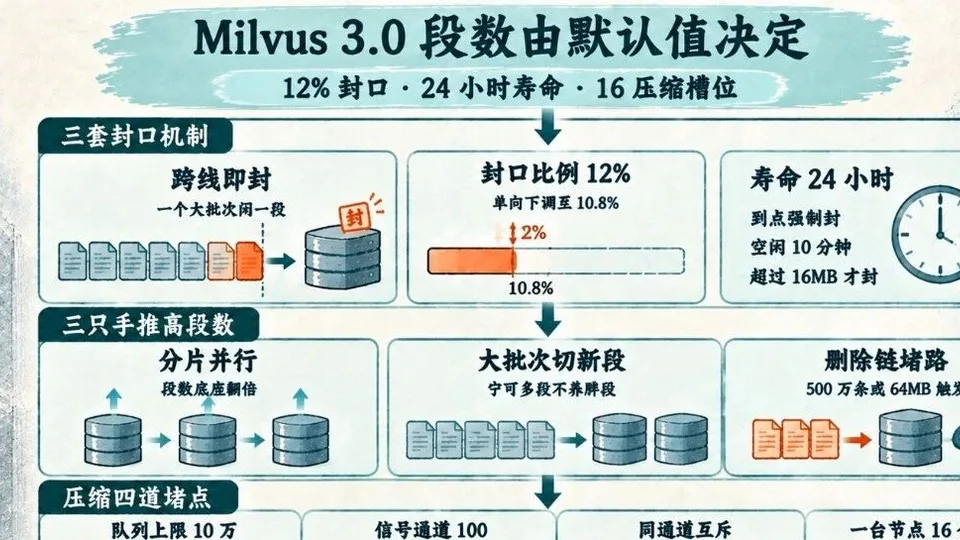
This article dissects Milvus 3.0's default segment sealing behavior — 12% fill threshold, 24-hour TTL, and 16 compaction slots — explaining how sharding, large batches, and delete chains multiply segment counts, why compaction falls behind due to queue and slot bottlenecks, and the correct troubleshooting order: seal conditions first, compaction health second, manual force merge or clustering compaction last.
MySQL 9.7.0 LTS brings enterprise-grade OpenTelemetry tracing, writable JSON Duality Views, and the Hypergraph optimizer to the community edition, while changing versioning to year-month format; the article details configuration steps, upgrade caveats, and default changes affecting replication and InnoDB logging.
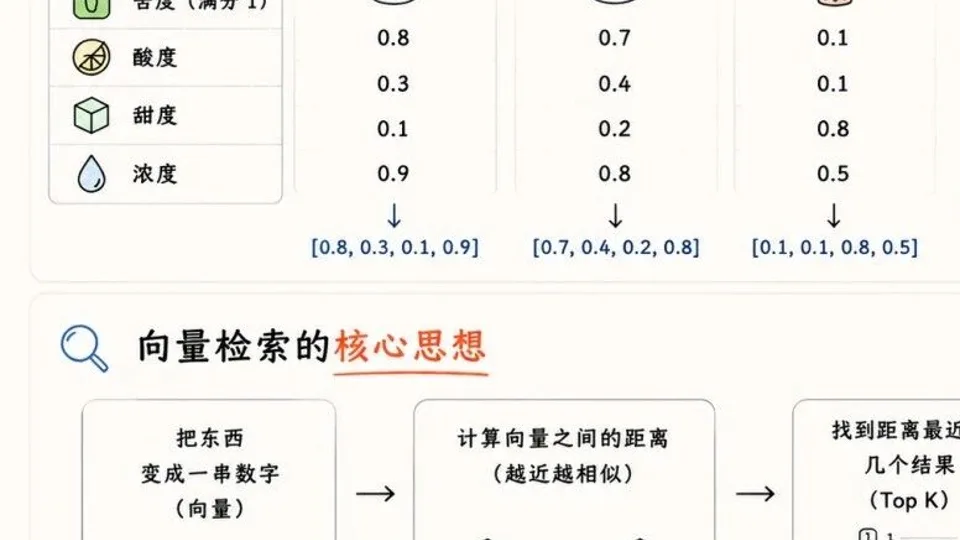
This tutorial explains vector databases from fundamentals to production: representing data as vectors, embedding models for semantic search, ANN algorithms like HNSW and IVF, hands-on ChromaDB demo for RAG, and comparison of production databases Milvus, Qdrant, Pinecone, and Weaviate with common pitfalls.
This guide details a systematic approach to MySQL index optimization: verify slow queries using performance_schema and system metrics, prove access paths with EXPLAIN ANALYZE, create indexes with rollback strategies using ALGORITHM=INPLACE and LOCK=NONE, address deep pagination with keyset pagination and N+1 queries with batch loading, and validate improvements with latency percentiles and lock metrics.
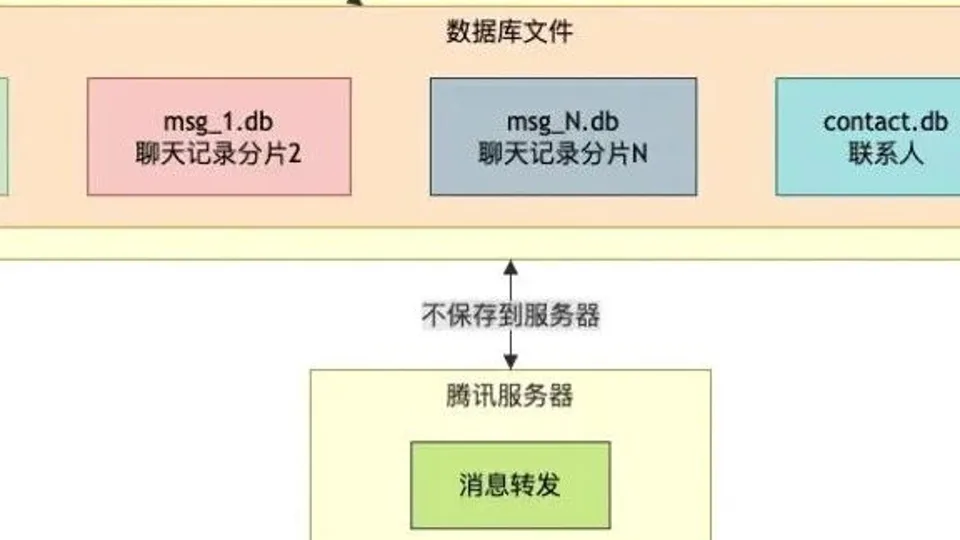
This article explains why WeChat stores chat records locally using SQLite instead of cloud databases, detailing the cost savings, privacy benefits, and performance advantages of embedded databases, along with WeChat's custom WCDB framework, FTS5 full-text search, encryption, and the trade-offs of local-only storage.
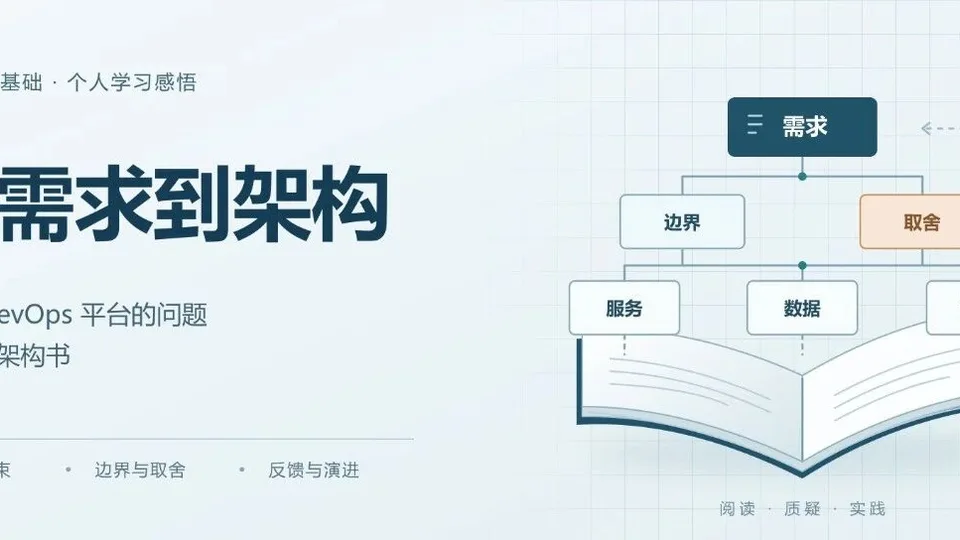
This chapter from 'Architecture Fundamentals' details relational big data architecture patterns: sharding strategies, query optimization avoiding unbounded scans, async import/export with streaming I/O, idempotency, and a bottleneck-first evolution checklist that prioritizes product-level constraints over premature scaling.
This article analyzes why MongoDB adoption lags behind Redis in China, citing MongoDB's ambiguous positioning between cache and database, operational complexity, weak JOIN support, sharding difficulties, lack of SQL compatibility, and a scarcity of specialized DBAs as key factors.
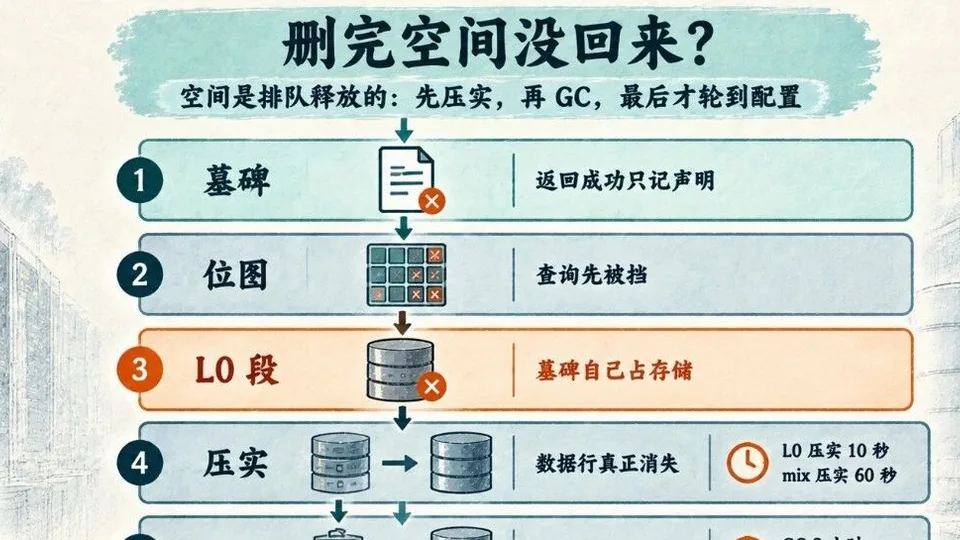
This article explains the Milvus 3.0 deletion pipeline from request to disk space reclamation, covering tombstone creation, query visibility via bitmaps, L0 segment materialization, two-phase compaction, and GC tolerance windows that delay space return by hours.
This article details a systematic approach to diagnose and resolve MySQL 8.0 replication lag by enabling WRITESET on the source, configuring LOGICAL_CLOCK with optimal worker count on the replica, and preserving commit order, complete with diagnostic queries, configuration steps, and validation metrics.
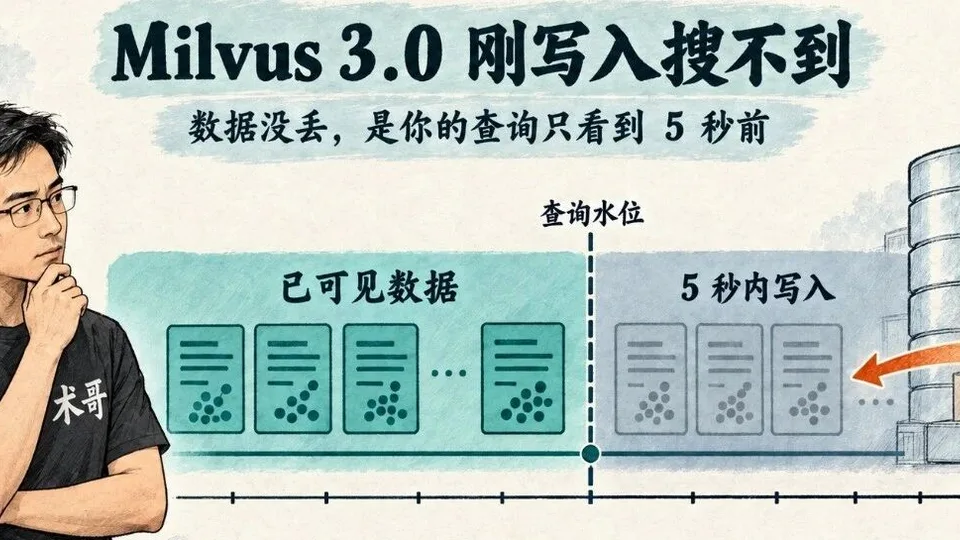
This article explains why newly inserted vectors in Milvus 3.0 may not be immediately searchable, revealing that the default Bounded consistency level sets a 5-second grace period (GracefulTime) during which recent writes fall outside the query's guaranteed timestamp (GuaranteeTs). It details the underlying mechanisms — TSO timestamps, timetick propagation, query node water-level waiting, and the four consistency levels — and provides a troubleshooting decision tree to distinguish expected behavior from actual failures.
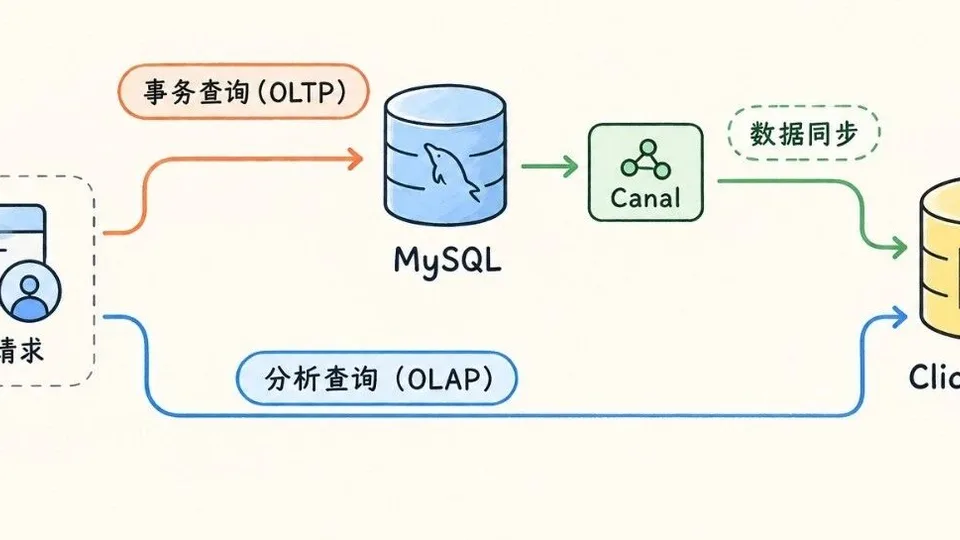
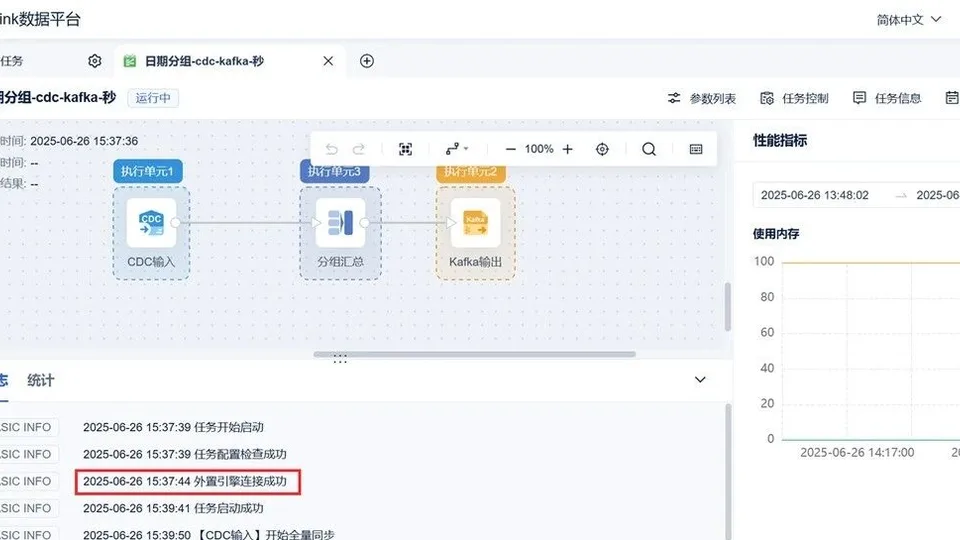
This article explains why enterprises need professional data integration platforms, detailing sync strategies (full, incremental, CDC), visual ETL workflows with a sales analysis example, real-time computing options, data quality dimensions, and operational practices for scheduling, monitoring, and failure recovery.
This article details PostgreSQL daily operations including connection management, slow query analysis using pg_stat_statements, and VACUUM maintenance for dead tuple cleanup, offering practical SQL queries, configuration guidance, and a checklist for DBAs and DevOps engineers.
This comprehensive guide covers MySQL 8.0 architecture, InnoDB storage engine, B+ tree indexing, MVCC, transaction logs, replication, source code execution paths, and a four-stage learning roadmap with best practices for performance tuning and troubleshooting.
MySQL 9.7 LTS brings enterprise-grade features like replication observability, hypergraph optimizer, PGO, and JSON Duality Views DML to the community edition, delivering up to 14% performance gains via PGO, but lacks vector similarity search functions for RAG workloads.