A step-by-step MySQL query optimization case study showing how indexing, join rewriting, composite indexes, and covering indexes reduced execution time from 30,248 seconds to 0.001 seconds with execution plan analysis.
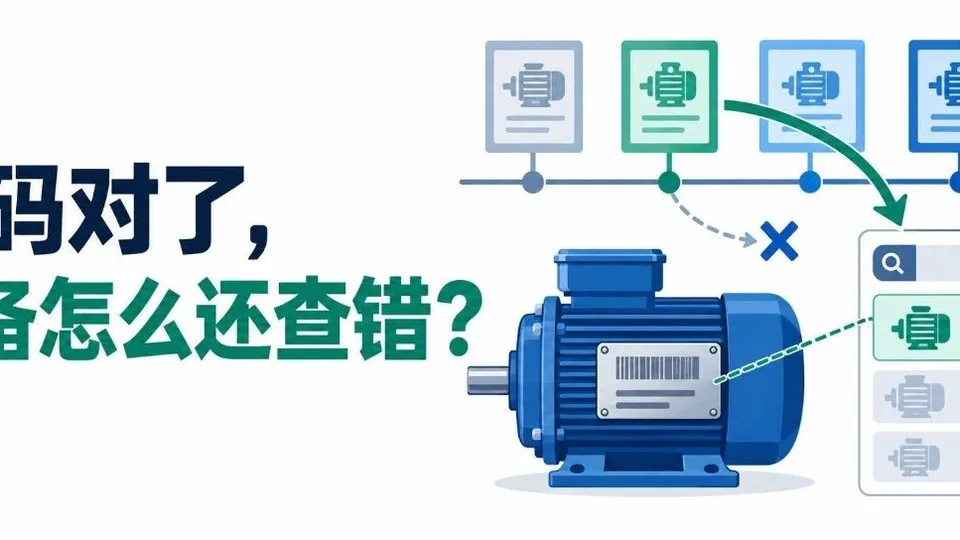
The article explains why unified equipment codes still cause report errors due to missing temporal equipment-workstation relationships, and outlines a three-layer diagnostic (identity alignment, historical relationships, query semantics) advocating reuse of existing master data and history tables, complemented by ontology for shared semantics, with regression testing to verify fixes.
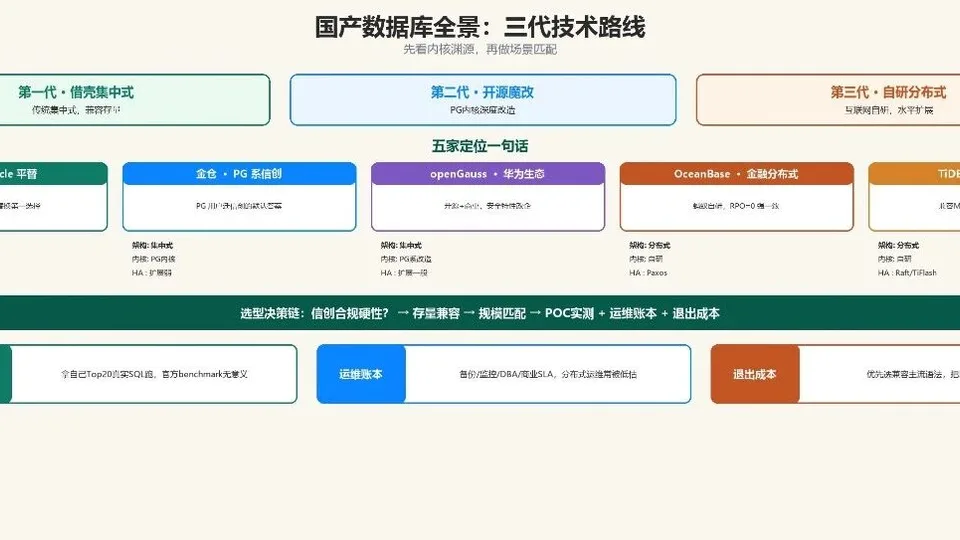
This article compares five major Chinese domestic databases across three technical generations—traditional centralized (Dameng, Kingbase), open-source modified (openGauss), and self-developed distributed (OceanBase, TiDB)—detailing their kernel origins, compatibility targets, strengths, weaknesses, and a decision framework based on compliance requirements, existing workload, scale, and operational readiness.
This article provides a comprehensive visual guide to Redis architecture, covering single-instance deployment, high-availability setups with Sentinel, Redis Cluster sharding with hash slots, replication mechanics using replication IDs and offsets, and persistence models including RDB snapshots, AOF logging, and the fork/copy-on-write mechanism.
MySQL 9.7 LTS introduces writable JSON Duality Views and the Hypergraph optimizer in the community edition, enhances replication observability and high‑availability automation, adds audit log rotation and stronger password hashing, but warns that the new optimizer requires regression testing due to mixed performance impact.
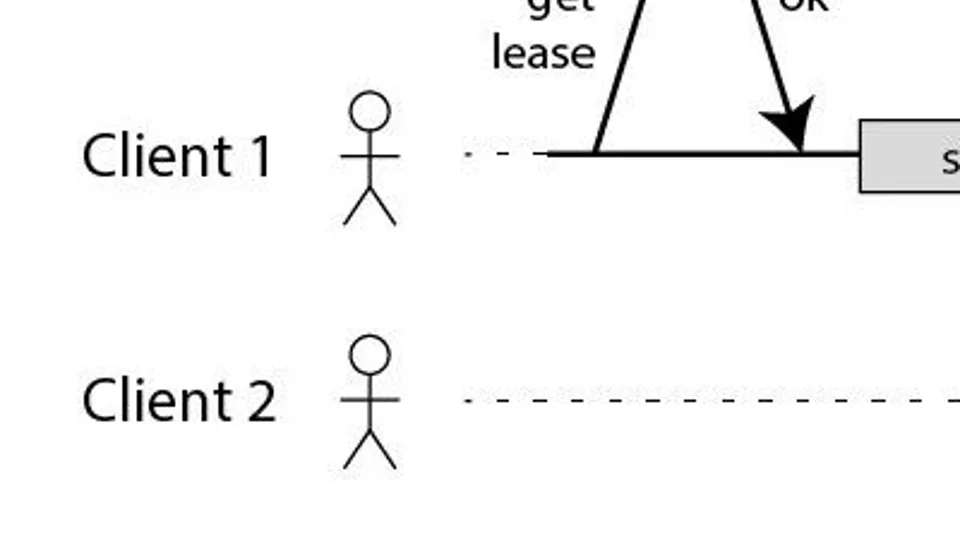
This article details seven common pitfalls in Redis distributed locking, covering atomic acquisition, ownership verification, lease expiration, watchdog limitations, replication risks, Redlock assumptions, and the need for fencing tokens, with code examples and comparisons to ZooKeeper and etcd.
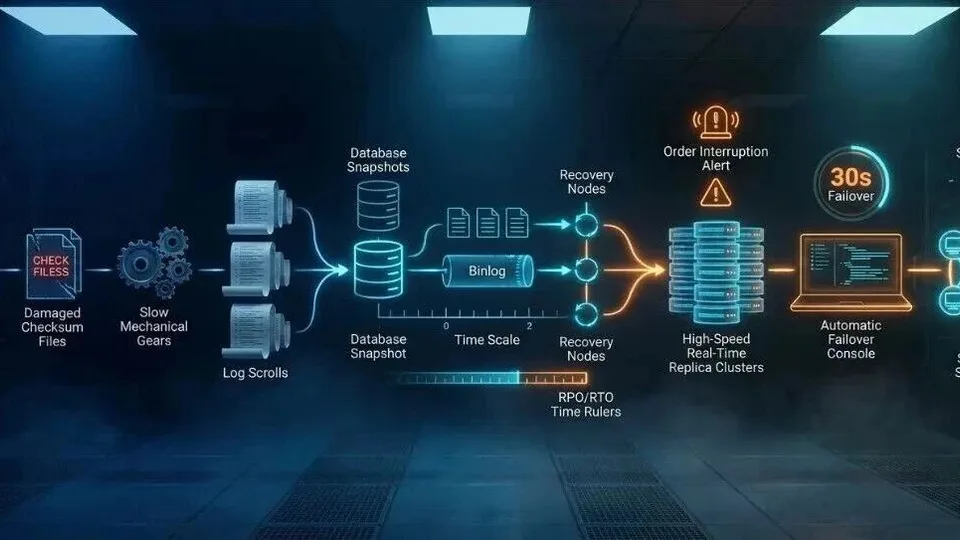
This article traces the evolution of data recovery from manual backup restoration through log replay to automated replica switching, explaining RPO/RTO trade-offs, and details how 10M QPS systems implement shard-level automatic rebuild with throttling, verification, and continuous recovery as a runtime capability.
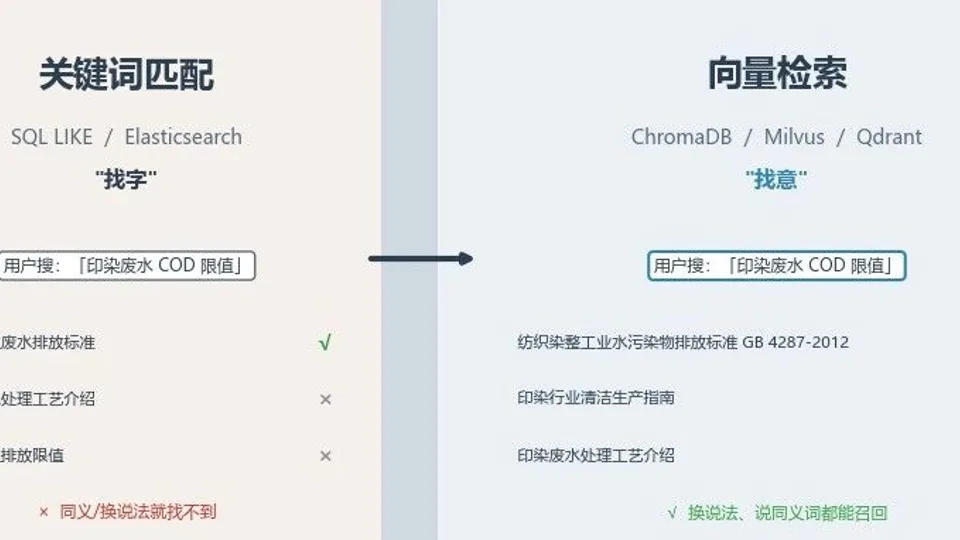
This article explains why vector databases are general-purpose similarity search engines beyond RAG, covering embedding model selection (BGE), non-RAG use cases like recommendation and anomaly detection, core operations with ChromaDB and HNSW, selection criteria for ChromaDB, FAISS, Milvus, and Pinecone, and five practical engineering lessons on recall evaluation, API workarounds, distance vs similarity, chunking strategies, and metadata filtering.
This article explains the logical execution order of SQL clauses (FROM, WHERE, GROUP BY, HAVING, SELECT, ORDER BY, LIMIT), why SELECT aliases aren't visible in WHERE, how HAVING differs from WHERE, JOIN/ON placement, LEFT JOIN pitfalls, and how to verify with EXPLAIN, distinguishing logical vs. physical execution order.
This article explains why SQL NULL represents an unknown state rather than a value, how three-valued logic (TRUE, FALSE, UNKNOWN) breaks equality comparisons, and demonstrates practical pitfalls with WHERE clauses, NOT IN subqueries, aggregate functions, and MySQL's NULL-safe operator.
pg-jev is a PostgreSQL extension that wraps TypeSafe's Jev library into SQL functions, enabling semantic classification, probability scoring, and label selection directly in queries without vector indexes or embeddings, with performance benchmarks and operational caveats.
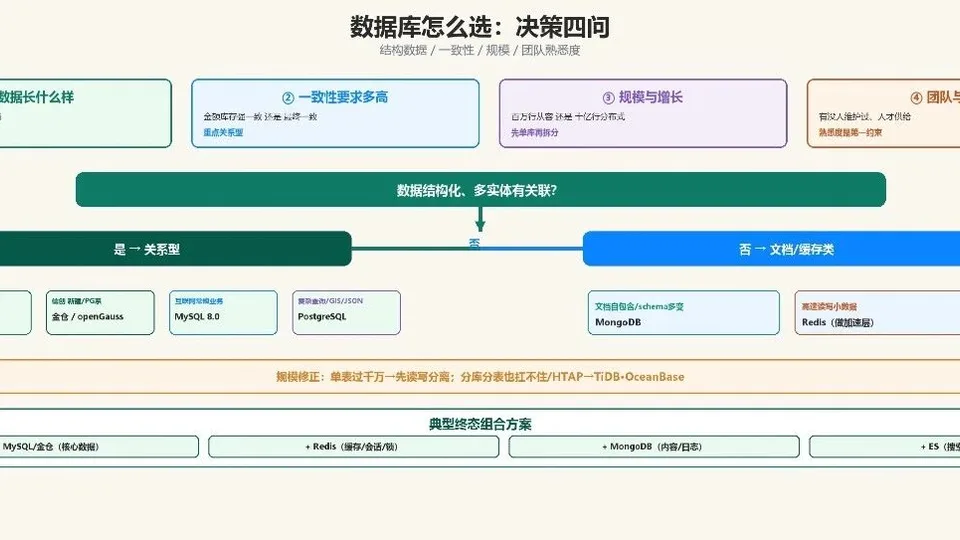
This article provides a structured decision framework for choosing databases in new projects, covering four key questions, relational and NoSQL comparisons, Xinchuang (domestic) database options, distributed NewSQL systems, a practical decision tree, typical technology stacks, and guidance on writing selection documents with POC validation.
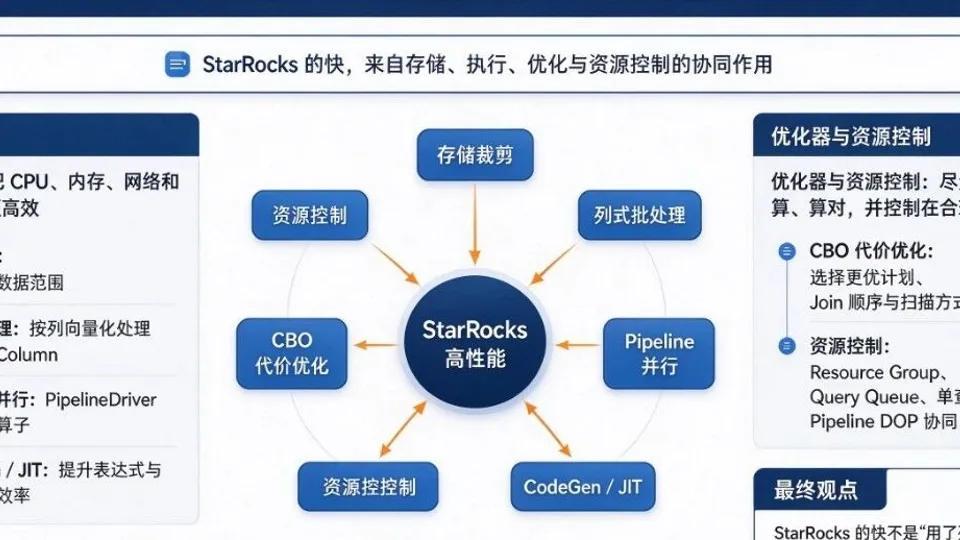
This article provides a deep technical analysis of StarRocks' vectorized execution engine and cost-based optimizer, covering pipeline scheduling, vectorized operators, CodeGen/JIT compilation, statistics-driven cost modeling, parameter tuning strategies, and production troubleshooting methodologies for low-latency analytical queries.
The article explains why a MySQL SELECT * query scanning 20 million rows won't cause server-side OOM due to its streaming protocol using a 16KB net_buffer, but warns that full table scans can pollute the Buffer Pool, though InnoDB's midpoint insertion strategy and innodb_old_blocks_time (default 1s) protect hot data from eviction.
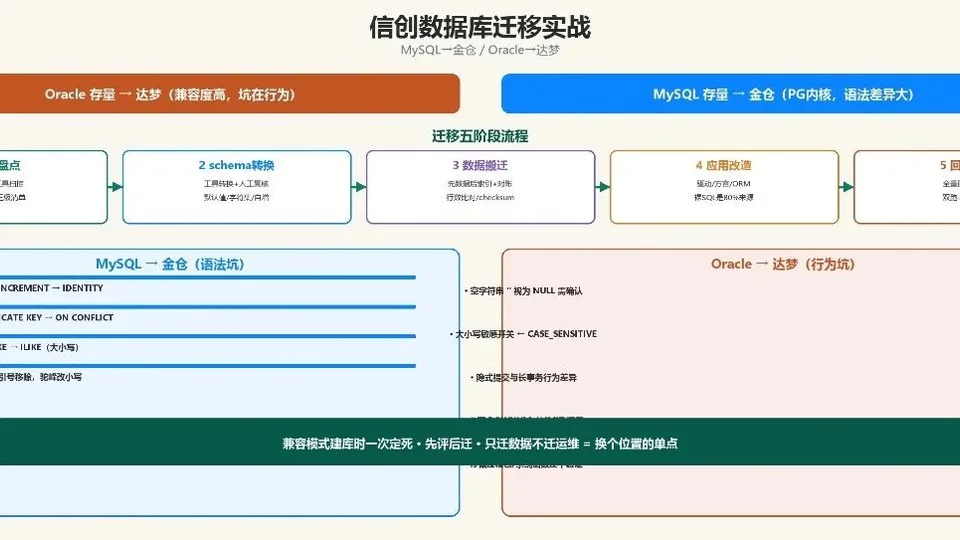
This article details a five-phase migration process for China's Xinchuang database replacements, covering Oracle-to-Dameng and MySQL-to-Kingbase routes, compatibility mode selection, schema conversion, data migration, application refactoring, regression verification, and critical dialect pitfalls like auto-increment, upsert, date functions, and empty-string handling.
This article explains how TiDB's NewSQL architecture eliminates manual sharding by providing horizontal scaling, ACID transactions, and MySQL compatibility through a distributed architecture with TiKV storage, PD scheduling, and TiFlash for HTAP workloads.
This article explains ten advanced SQL concepts including CTEs, recursive queries, temporary functions, pivoting with CASE WHEN, EXCEPT vs NOT IN, self-joins, ranking functions, delta calculations with LEAD/LAG, running totals, and datetime manipulation, with code examples for data science interview preparation.
This article explains the difference between SQL's written clause order and its logical execution order, detailing why WHERE cannot use column aliases, how HAVING filters groups, the impact of JOIN/ON placement in LEFT JOINs, and how to verify execution plans with EXPLAIN.
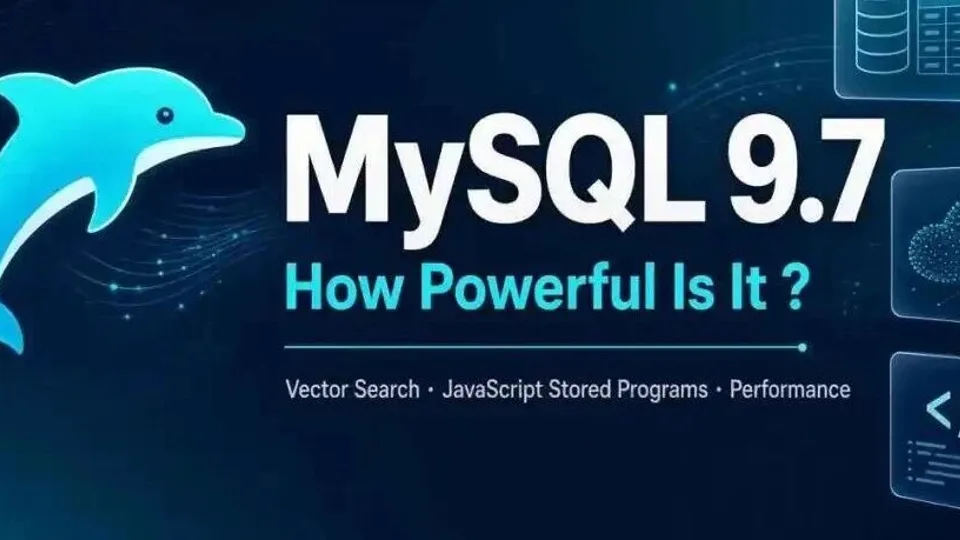
This article explores MySQL 9.7's key innovations including native VECTOR type for semantic search, JavaScript stored procedures for in-database logic, parallel bulk import from object storage, and security upgrades like mandatory caching_sha2_password, with practical code examples and upgrade guidance.