The article compares polling, WebSocket, and Server‑Sent Events (SSE) for server‑to‑client real‑time messaging, outlines each method’s drawbacks and advantages, and provides step‑by‑step demos showing how to implement SSE with a plain HTML page and a Node‑Express backend.
Using AI to redesign a front‑end page can quickly overwrite code and static assets, exposing the limits of simple Git branches; by creating a separate Git worktree, isolating the working directory, and organizing new resources in dedicated folders, developers keep the main branch stable while safely experimenting.
This article examines three server‑to‑client push methods—polling, WebSocket, and Server‑Sent Events (SSE)—detailing their mechanisms, browser compatibility, pros and cons, suitable scenarios, and provides step‑by‑step demos with Node.js/Express and plain HTML to help developers choose the most efficient solution for real‑time messaging.
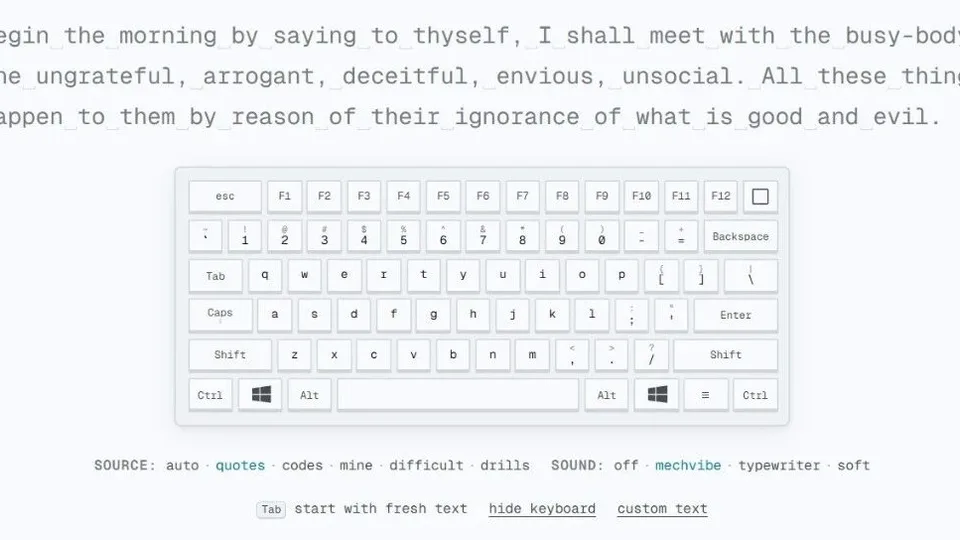
type-review is a privacy‑first, browser‑only typing trainer that adaptively unlocks letters, offers benchmark testing, detailed per‑key statistics, optional visual keyboards and sound packs, and is built with SolidJS, TypeScript and a strict three‑layer architecture.
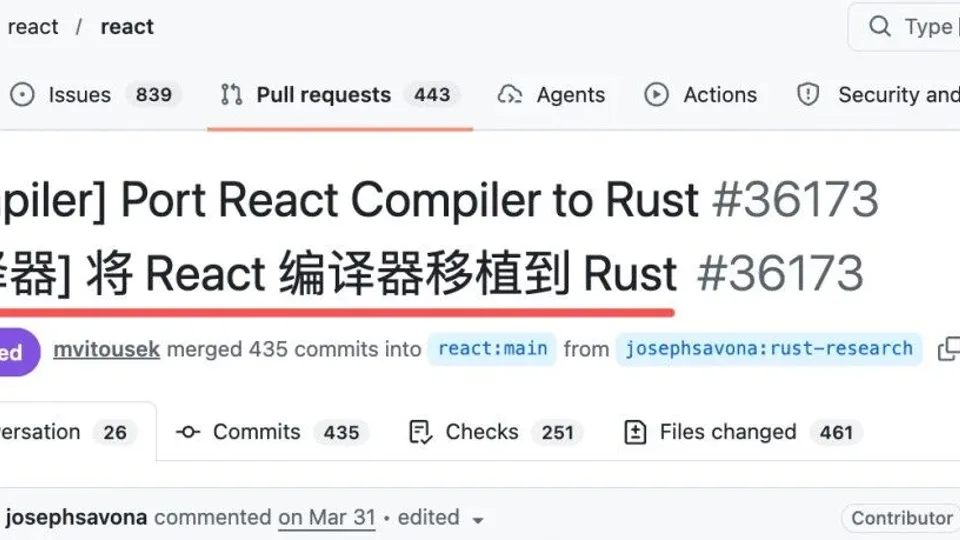
The React team merged a massive PR that ports the React Compiler from TypeScript to Rust, adding over 123,000 lines, delivering roughly 3× overall speed and 10× pure transform speed, preserving the original architecture, passing 1,725 tests, supporting Babel, OXC and SWC integrations, and largely written with Claude AI, though it remains an early‑sharing experimental build.
Meta merged a massive PR that rewrites the official React Compiler in Rust, adding 123,289 lines, delivering roughly 3× overall speed‑up (10× on pure transforms), preserving the original architecture, passing 1,725 tests, and largely authored by Claude AI.
Tencent's Kuikly framework introduces TurboDisplay, a first-screen acceleration solution that caches rendered nodes and uses dual-thread parallel rendering to achieve instant page loads on repeat visits, reducing load times by 60-80% in production apps like QQ Games and Tencent Maps.
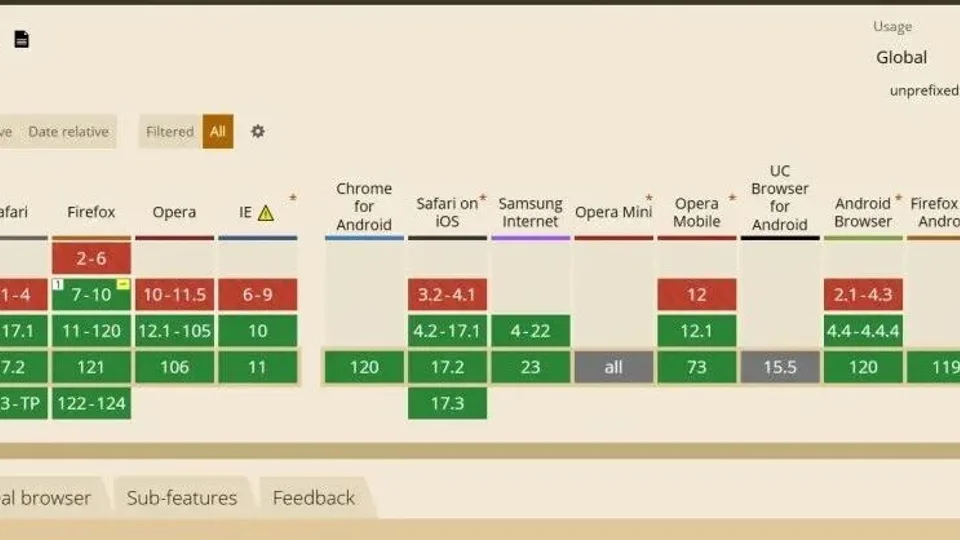
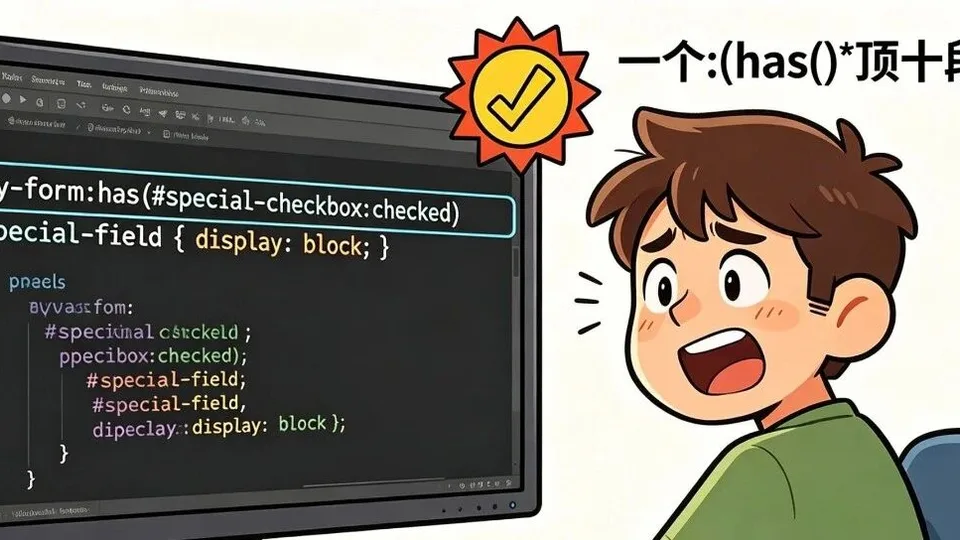
The new CSS :has() selector finally lets parents be selected based on child states, eliminating dozens of lines of JavaScript; this article demonstrates sixteen real‑world use cases, explains compatibility across major browsers, and offers performance tips for safe adoption.
The article surveys commercial file‑preview services and open‑source front‑end and back‑end solutions for DOCX, PPTX, XLSX, and PDF, compares their capabilities, limitations, and costs, and provides concrete code examples and a reusable Web Component for developers.
This article walks through using Claude Design to generate a high‑fidelity WeChat bookkeeping mini‑program via conversational prompts, automatically apply a design system, iterate with Tweaks and inline comments, then hand off the resulting React‑style JSX bundle to Claude Code for uni‑app implementation, while highlighting token costs and common pitfalls.
The author rebuilt a visually complex app homepage using React, Next.js, Tailwind CSS and AI tools (Claude, Codex, Cursor, v0.app), discovering that while the AI can generate functional code, the real challenge lies in correctly slicing the design into background assets and DOM elements to preserve visual fidelity.
Recent AI‑focused startups are abandoning Next.js in favor of TanStack's emerging stack, especially the full‑stack TanStack Start framework, which promises explicit, type‑safe routing, SSR/SSG/CSR/Streaming, and AI‑friendly architecture, challenging the long‑standing React = Next.js equation.
This article introduces NiceGUI, a pure‑Python web UI framework that lets developers create fully functional, visually appealing web applications without writing any HTML, CSS, or JavaScript, covering its core concepts, quick‑start example, advanced features, component library, layout system, data‑visualisation integration, multi‑page support, suitable scenarios, and a comparison with traditional web development.
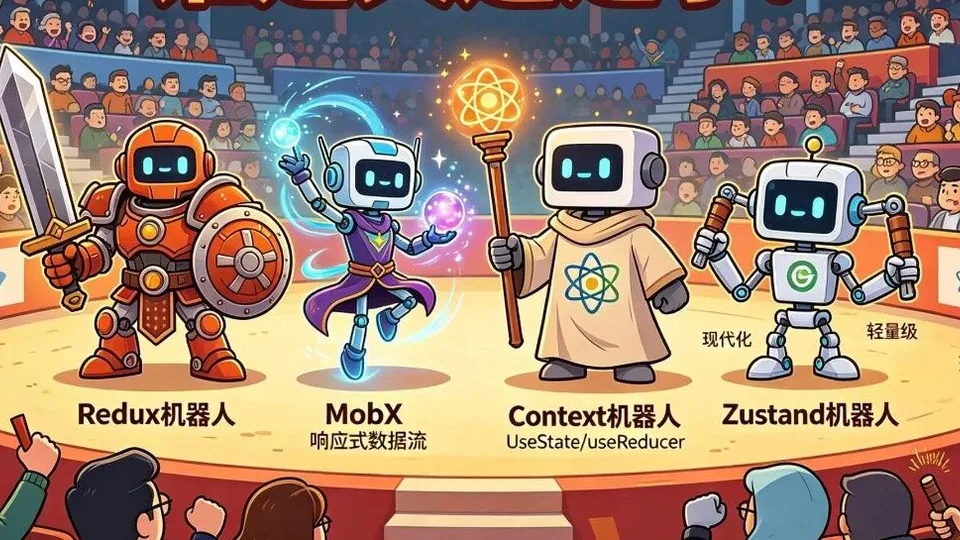
This article compares Redux Toolkit, Zustand, MobX, and React Context for global state management, offering a decision matrix, concrete code examples, practical tips, and scenario‑based recommendations so developers can choose the most suitable solution for their project's size, complexity, and team dynamics.
Motrix Next is a complete rewrite of the classic Motrix downloader, replacing Electron with Tauri 2 and Vue 3, shrinking the installer from about 80 MB to roughly 20 MB while retaining support for HTTP, FTP, BitTorrent, magnet links, browser‑extension integration, and a lightweight system‑tray mode.
The article introduces KY Design-to-HTML Skill, an AI skill for Codex and Claude that converts UI screenshots into precise HTML/CSS by following a six‑step workflow—structure recognition, asset classification, canvas adaptation, code generation, screenshot verification, and iterative correction—plus installation guidance and practical use cases.
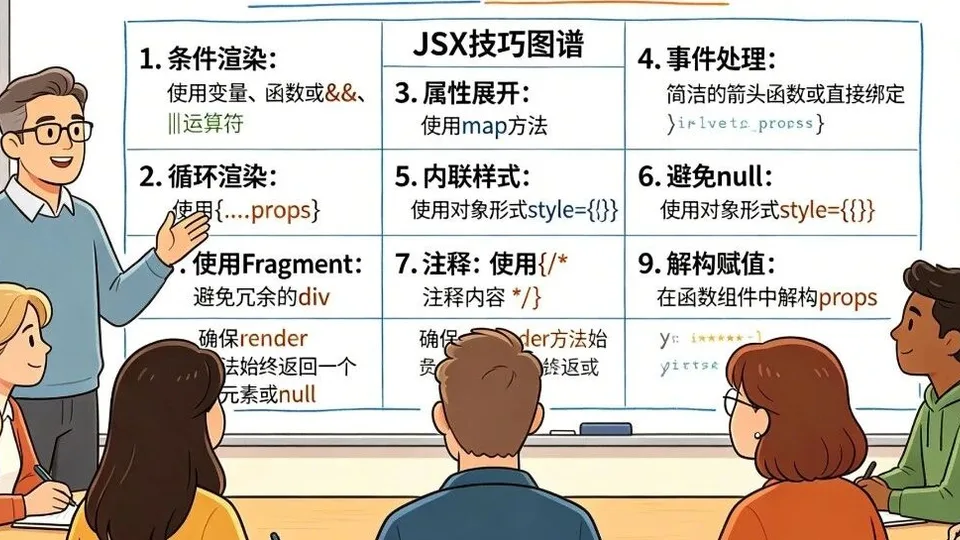
This article presents nine concise JSX techniques—such as using clsx for class concatenation, proper short‑circuit rendering, extracting deep ternaries, forwarding props with ...rest, leveraging children, memoizing style objects, correct comment syntax, fragment shorthand, and minimal boolean attributes—to boost code readability and component flexibility in React development.
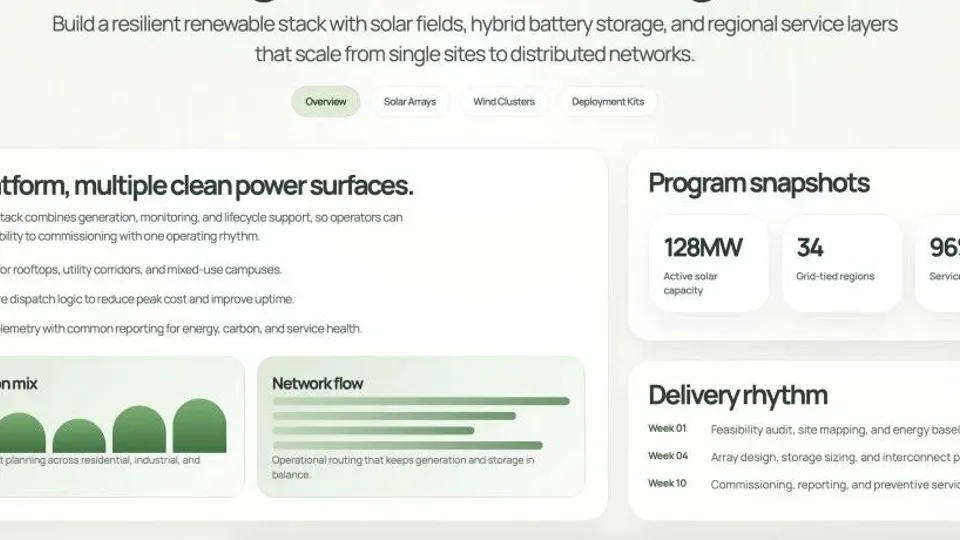
The article analyzes why AI‑generated front‑end pages often feel like a collection of cards rather than a cohesive product, showing how a redesign that adds a clear hero, narrative hierarchy, unified visual language, and purposeful CTA transforms a functional UI into a mature, immersive experience for Java/Spring Boot developers.
The article reviews the newly released docx‑editor, a client‑side WYSIWYG .docx editor built on ProseMirror with React and Vue adapters, detailing its architecture, installation, usage examples, real‑time collaboration via Yjs, AI Agent SDK integration, and practical pros and cons based on hands‑on testing.
This article details the step‑by‑step development of a WeChat mini‑program that adds location‑based check‑ins, covering fuzzy location retrieval, moving reverse‑geocoding to the backend for key protection, the failed attempt at precise GPS, and the final hybrid approach of fuzzy auto‑location combined with manual map point selection.