As AI startups abandon Next.js for TanStack’s emerging ecosystem, the article examines TanStack Start’s full‑stack React capabilities, the explicit‑over‑magic philosophy, and why the growing AI community sees TanStack as the next foundational infrastructure, suggesting Next.js will remain important but no longer the sole standard.
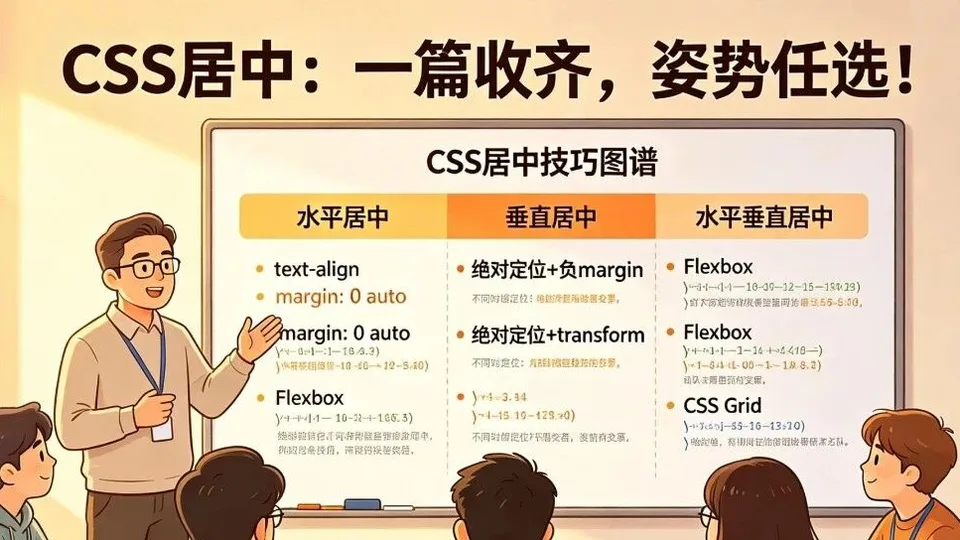
This article classifies centering scenarios, explains horizontal and vertical methods for inline and block elements, and walks through practical CSS solutions—from text‑align and margin auto to Flex, Grid, and absolute positioning—while highlighting pitfalls and a quick reference table.
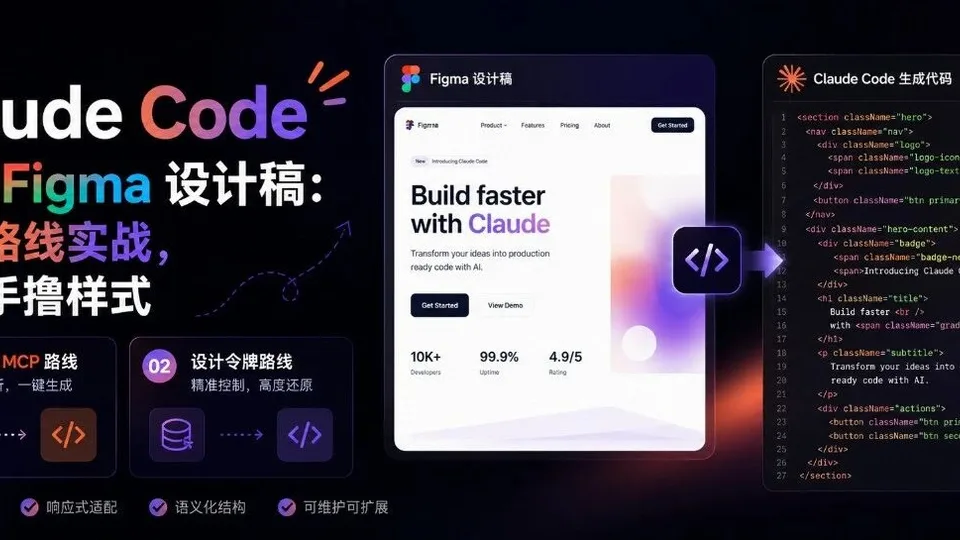
The article walks through installing Claude Code and its Figma plugin, then compares two methods—official MCP extraction and screenshot‑based visual reconstruction—to automatically generate uni‑app code from Figma designs, highlighting speed gains, precision differences, and common pitfalls when converting px to rpx.
This article walks through implementing an @document mention feature for a knowledge‑base Q&A input box, comparing a naïve contenteditable approach with a ProseMirror‑based solution, detailing schema design, plugin and suggestion handling, and the stability challenges of cursor, IME, and undo/redo.
Airbnb tackled the long‑standing difficulty of creating realistic GraphQL mock data by introducing the @generateMock directive, which combines schema, product context, and LLM‑generated content to automatically produce and continuously maintain type‑safe mock responses, dramatically speeding up local development.
The TanStack Start framework now supports both Vite and Rsbuild v2, offering teams the choice between these build tools, with a shared adapter architecture, detailed configuration example, and discussion of how the dual‑adapter approach clarifies core responsibilities and eases migration from webpack‑based setups.
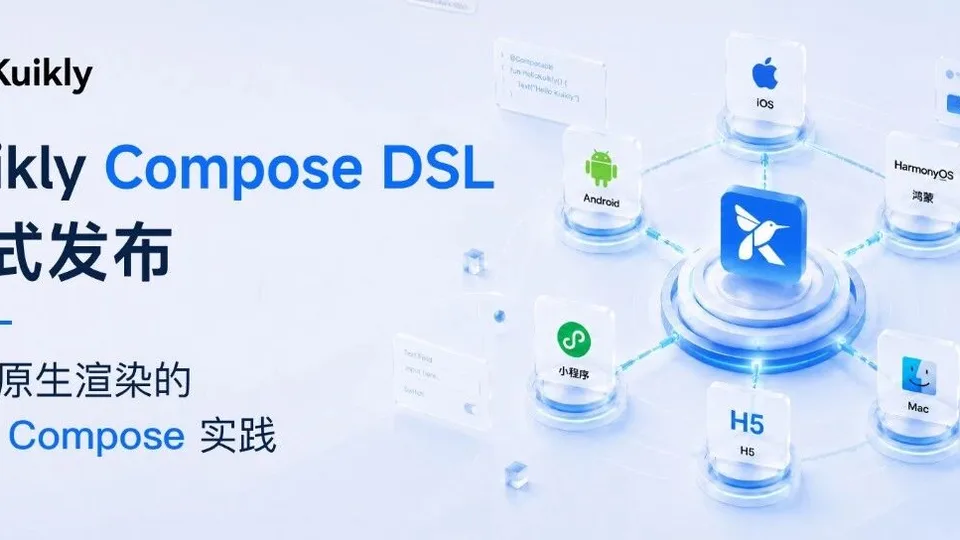
Kuikly Compose DSL extends the standard Jetpack Compose API to six native platforms—Android, iOS, HarmonyOS, H5, WeChat Mini‑Program, and macOS—by integrating a custom applier, layout mapping, gesture bridging, and native scrolling while preserving Compose semantics and enabling AI‑generated code.
Every CSS developer has faced a rule that refuses to work, tried adding !important, and still seen no change; this article explains the four‑digit specificity weight, inheritance, the dangers of !important, and how @layer can cleanly manage priority, ending with practical debugging steps and best‑practice tips.
The article explains why having both a named export and a default export for getToken in a JavaScript/TypeScript module is not a conflict, detailing their distinct syntax, import styles, appropriate use cases, and providing complete code examples for each approach.
The article explains that AI‑generated front‑end animations often appear stiff and PPT‑like, and introduces GSAP’s open‑source gsap‑skills package, which teaches AI tools proper use of GSAP’s core APIs, timelines, ScrollTrigger, Flip, SplitText, and more, with broad agent compatibility and free installation.
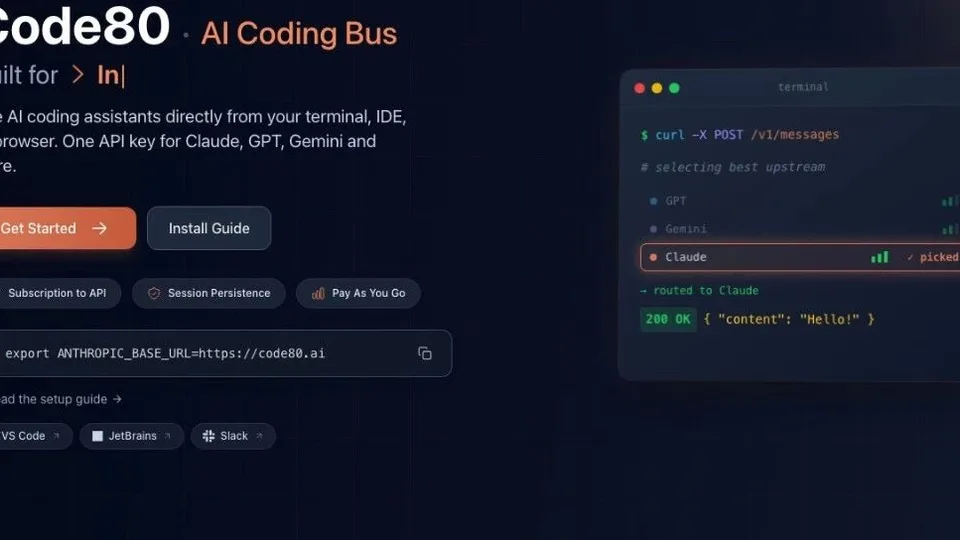
The author recounts using Claude Design to read the code80 homepage code, generate three animation concepts, refine the chosen smart‑routing sketch, and produce a pure‑HTML/CSS terminal animation that integrates seamlessly with existing Vue components while addressing accessibility and deployment issues.
@utoo/pack, the Rust‑based frontend bundler built on Turbopack, delivers 3‑10× faster cold starts and hundred‑fold HMR speed versus webpack, offers seamless webpack compatibility, integrates with Umi, Father, Dumi, and provides detailed architecture, usage guides, and real‑world performance data from Ant Group projects.
The article examines the escalating complexity of modern frontend development, citing antirez’s critique of SPA toolchains, outlining the exhaustive build steps required for a simple button, and evaluating HTMX as a minimalist alternative while presenting diverse developer perspectives on the trade‑offs.
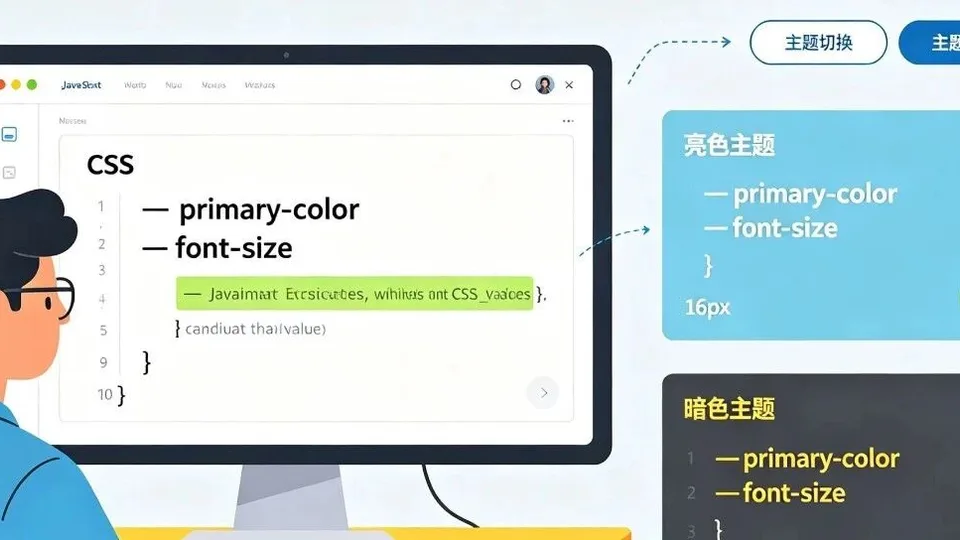
This article traces CSS’s evolution from early versions to modern, modular specifications and demonstrates how new features such as custom properties, cascade layers, container queries, :has(), nesting, logical properties, color‑mix(), subgrid, view‑transition API and anchor positioning solve long‑standing styling challenges for developers.
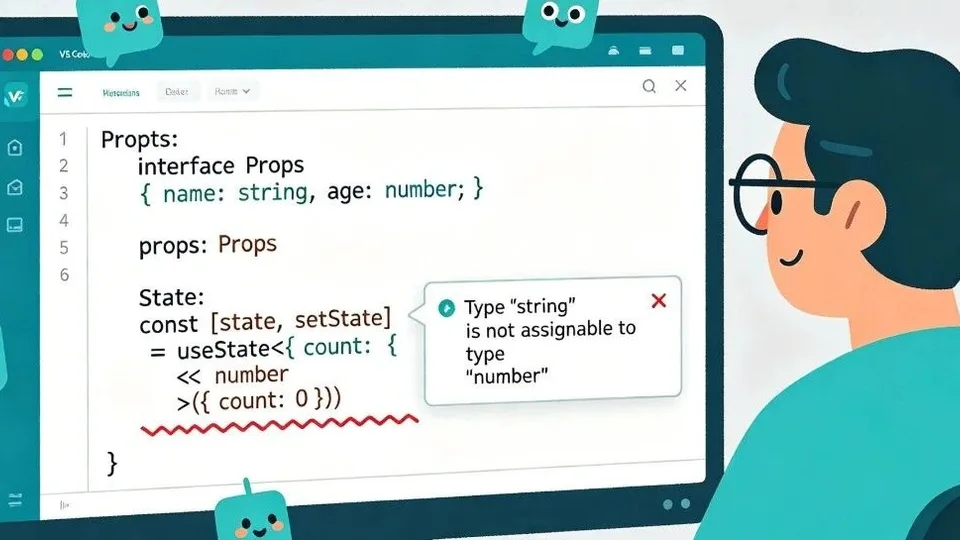
This article walks through twelve concrete TypeScript best‑practice patterns for React—covering props typing, avoiding React.FC, proper children and event types, useState and useRef inference, generic components, API‑driven type generation, strict mode, and utility types—to boost productivity and type safety.
SwitchHosts 5.0 replaces its bulky Electron base with Tauri, cutting the installer from 80 MB to about 2 MB, using Claude and GPT to plan and execute the migration, while adding auto‑updates, broader platform support, and upgraded toolchains.
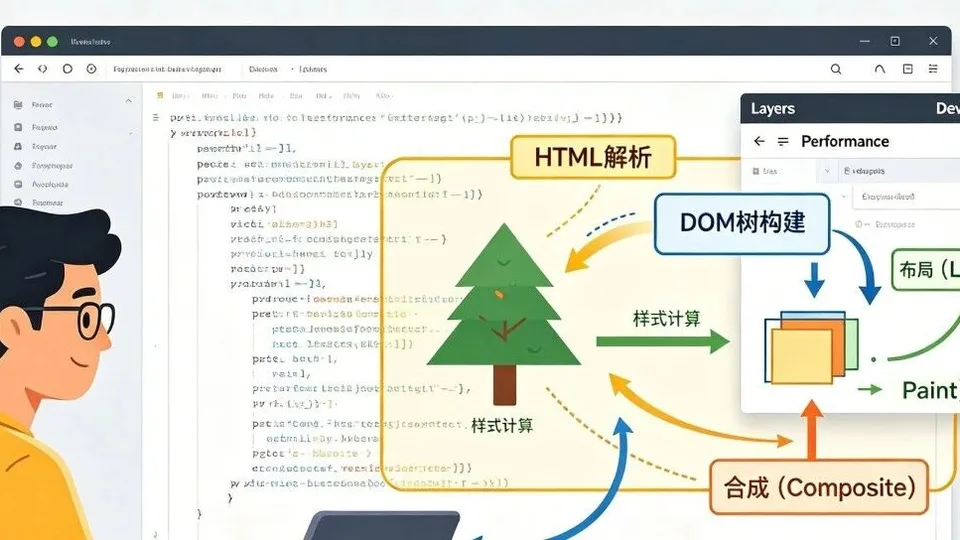
Reflow recalculates layout when geometric properties change, while repaint only redraws visual styles; the article explains their triggers, compares performance impact, and provides practical techniques—such as using DocumentFragment, batching reads before writes, and leveraging transform/opacity—to minimize costly reflows and achieve optimal front‑end rendering.
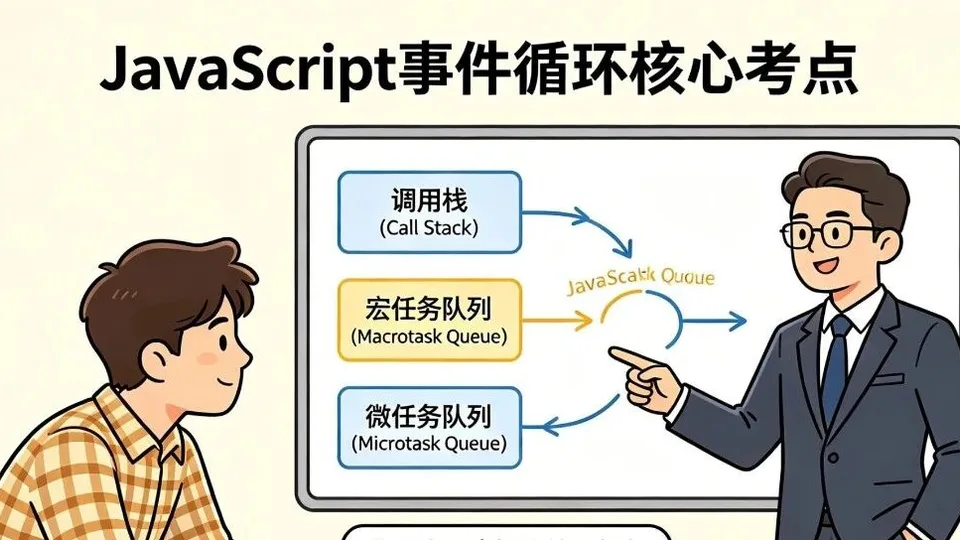
The article explains JavaScript’s single‑threaded event loop, classifies macro‑ and micro‑tasks, details their execution order, and walks through classic and advanced code snippets to show how interview questions about output are solved in typical front‑end interview scenarios.
GSAP’s new gsap‑skills repository equips AI tools such as Cursor, Claude Code and Copilot with the official animation knowledge base, enabling them to generate complex timelines, ScrollTrigger effects and performance‑optimized code that previously caused crashes, while also guiding lifecycle handling for React and Vue.
This article explains why CSS preprocessors are essential for large projects, demonstrates core features of Less and SCSS—including variables, nesting, mixins, inheritance, functions, and modularization—with real code examples, compares the two syntaxes, and offers recommendations and project‑structure guidelines for modern front‑end development.