Taste Skill, a 21.5k‑star GitHub project, adds a set of design rules that AI coding agents can follow, turning generic, “slop” front‑end pages into more aesthetically pleasing layouts by banning common pitfalls and offering adjustable parameters for variance, motion, and visual density.
Anime.js v4, a lightweight high‑performance JavaScript animation library with over 68 000 GitHub stars, introduces a modular ES‑module API, 60 fps performance, refined timeline control, and new features like CSS‑variable, SVG path, scroll‑linked and additive animations, plus seamless Vue integration.
The article compares three server‑to‑client push techniques—polling, WebSocket, and Server‑Sent Events (SSE)—detailing their mechanisms, advantages, drawbacks, browser compatibility, and suitable use cases, and provides step‑by‑step Node/Express demos showing how to implement SSE in a simple web page.
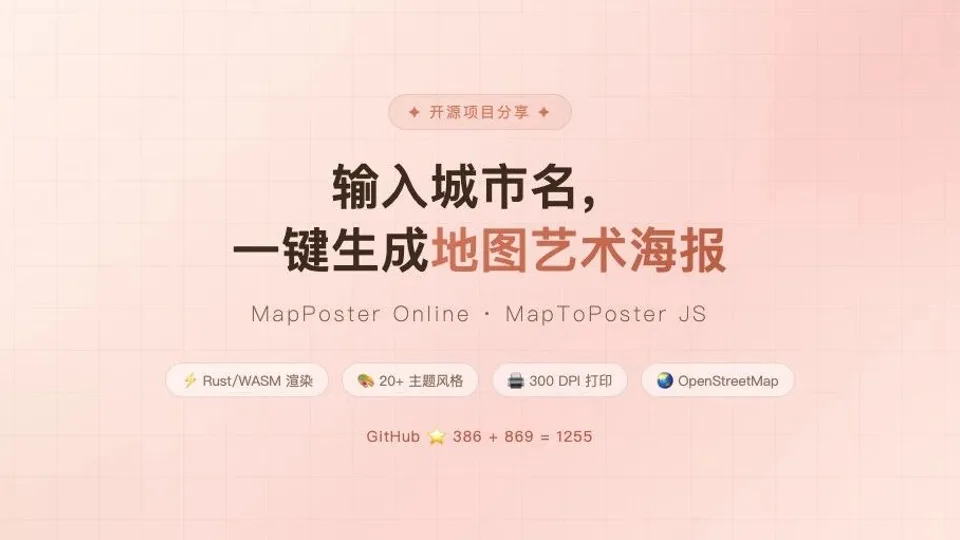
This article introduces two open‑source web tools—MapPoster Online (Rust/WASM) and MapToPoster JS (Leaflet + MapLibre GL)—that let you input a city name and instantly generate a customizable, high‑resolution vector map poster directly in the browser.
This article shows how to replace traditional installable serial‑debug tools with a browser‑based, cross‑platform serial assistant that uses the Web Serial API for direct hardware access and Spring Boot 3 with WebSocket to relay data to the cloud, including architecture, code examples, and deployment pitfalls.
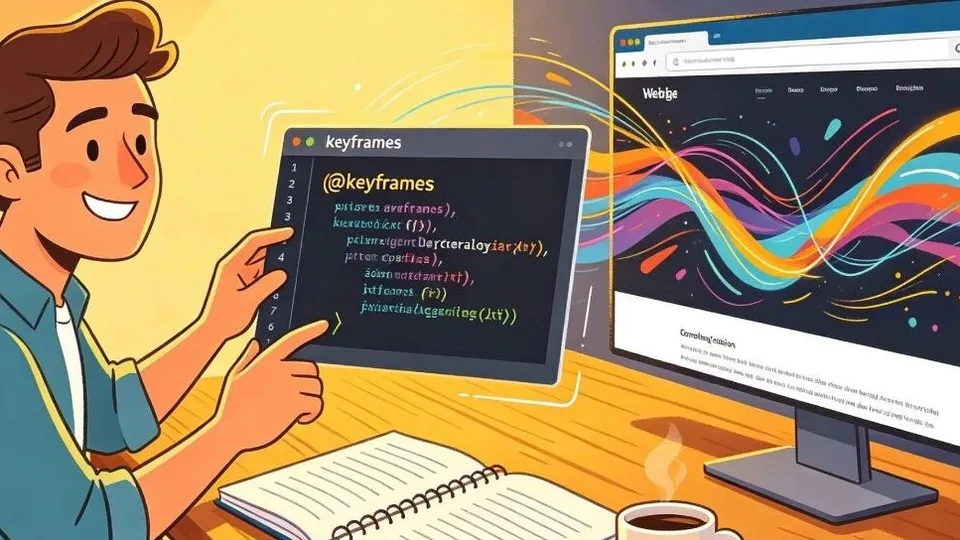
This article walks through CSS transition syntax and parameters, demonstrates common transition effects, explains 2D and 3D transforms, details @keyframes animation properties and fill‑modes, introduces CSS custom properties for theming, shows media‑query‑based responsive design techniques, and covers performance tips such as will‑change and scroll‑snap.
This article provides a comprehensive, step‑by‑step guide to using Alibaba's ahooks library with React 18, covering installation, core hooks like useRequest, usePagination, state management hooks, side‑effect utilities, performance optimizations, real‑world examples, common pitfalls and best‑practice recommendations.
This article walks through five modern CSS features—place-content, scroll-behavior, aspect-ratio, gap, and clamp()—showing how each replaces older hacks, improves code clarity, and enjoys broad browser support, ultimately making layout and responsive design far easier.
Constantly chasing the latest front‑end frameworks and utilities drains developers and stalls product delivery, so by 2026 the most valuable strategy is to master a stable stack—React 19, Next.js 15, TypeScript, Tailwind CSS v4, and a pragmatic state‑management combo of TanStack Query and Zustand—to build reliable, maintainable applications.
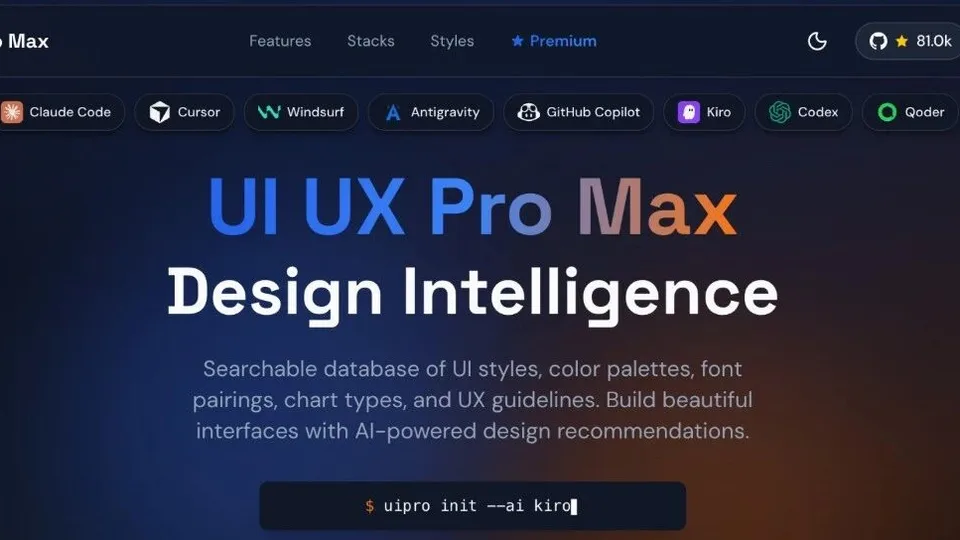
The ui‑ux‑pro‑max skill adds a design‑system inference engine to Claude Code, replacing generic AI‑generated pages with industry‑specific styles, color palettes, typography, and UX rules, while offering installation options, usage tips, and a discussion of token costs and skill conflicts.
The article explains how the open‑source DESIGN.md files collected by VoltAgent let AI agents like Claude Code generate pixel‑perfect, brand‑consistent front‑end pages directly from plain‑text markdown, eliminating the need for Figma exports or custom JSON schemas.
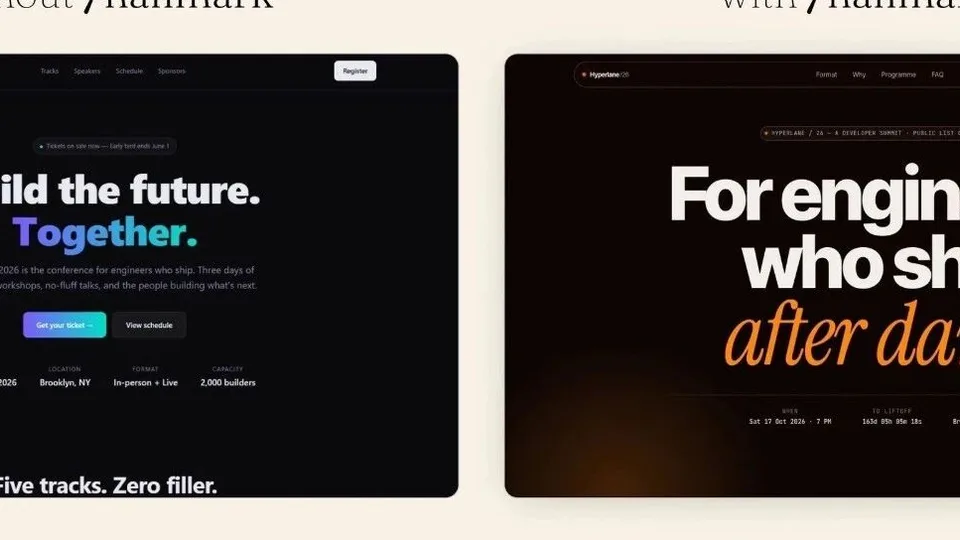
The article introduces Hallmark, an open‑source skill that equips AI coding tools with anti‑template design rules, enabling the generation of aesthetically pleasing, varied web pages by addressing common AI‑produced layout flaws such as purple gradients, single‑font usage, and overly centered content.
After trying Opus 4.7, the author shows that the old "pair‑programming" style of feeding AI tiny prompts wastes time, and explains a delegation workflow—clear goals, constraints, acceptance criteria, effort levels, permission handling, and verification loops—that lets AI independently deliver reliable web and mobile features.
Pascal Editor is a free, open‑source, WebGPU‑accelerated online 3D architecture editor that runs in any modern browser, offering end‑to‑end space editing, high‑performance rendering, parametric tools, multi‑format export, a modular React‑based architecture, and use cases ranging from interior design to education, while outlining its strengths and current limitations.
The article presents VAPD AgentKit, a composable front‑end library that unifies AI agent capabilities for note‑taking, knowledge‑base, and project‑management scenarios by defining a standard message model, a protocol‑agnostic runtime adapter, and a front‑end orchestration layer, and it details the architecture, event flow, tool integration, UI interactions, quick integration steps, business alignment, and future enhancements.
This tutorial walks beginners through CSS fundamentals, covering what CSS is, how to include styles, basic syntax, selector types, cascade and specificity, the box model, units, background, borders, display, positioning, overflow, and a complete card component example, with practical tips for each topic.
This article introduces two open‑source projects—beautiful‑html‑templates, which lets an AI generate complete HTML slide decks from plain instructions, and ian‑handdrawn‑ppt, which converts articles or outlines into a series of Chinese hand‑drawn style technical illustration images—detailing their features, usage steps, target users, and limitations.
This article provides a complete Vue 3 single‑file component using Element Plus that demonstrates a unified layout container with breadcrumbs, a searchable table, pagination, form validation, dialogs, file upload, and a tree‑style menu, all ready to copy and use without configuration.
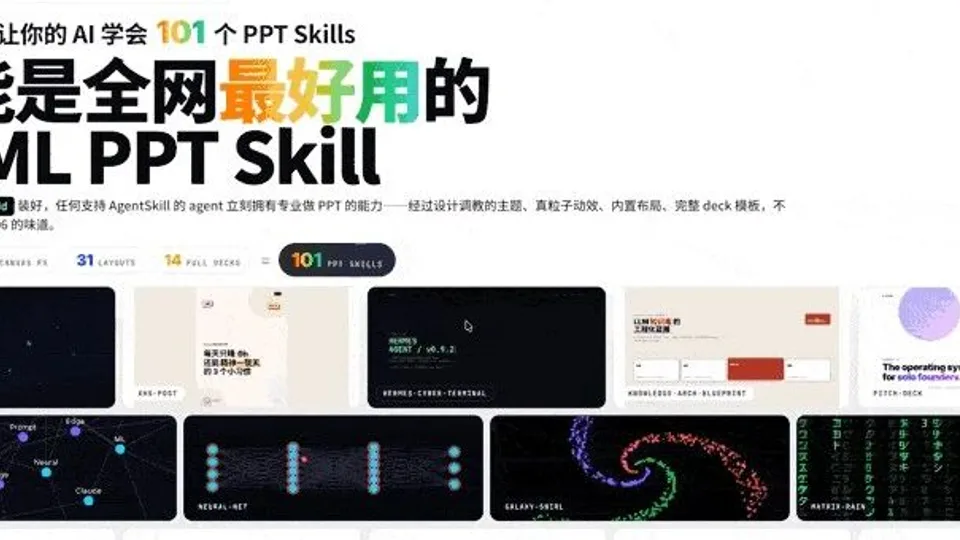
The article reviews html-ppt-skill, an AI‑driven tool that generates fully styled HTML presentations instead of PPTX files, detailing its theme, layout, and animation assets, presenter‑mode implementation, cross‑platform skill integration, practical advantages, limitations, and how it exemplifies the emerging AI skill ecosystem.
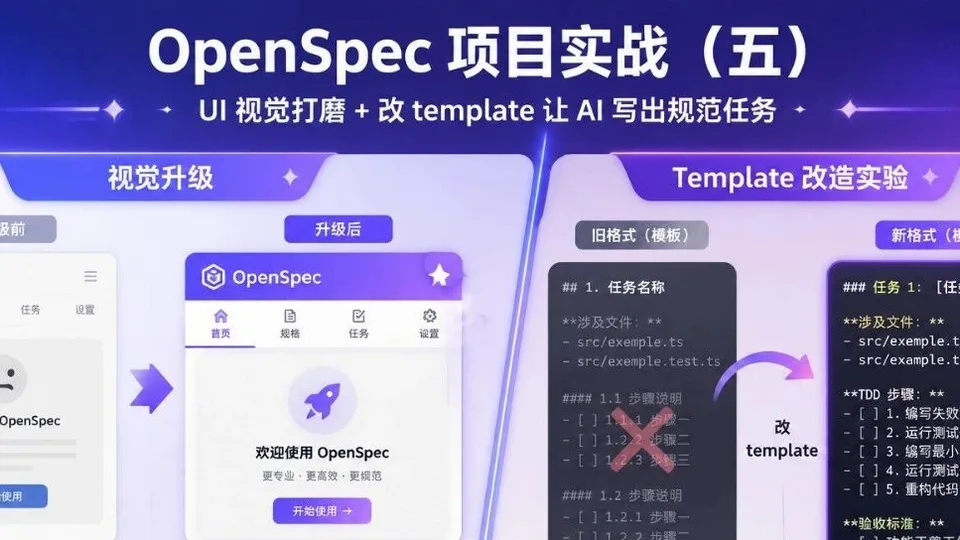
This article details how the OpenSpec v1.3.1 project upgraded its UI visual layer with a new color palette, icons, and animations, uncovered why AI‑generated tasks.md ignored schema instructions, fixed the issue by editing the template, and verified the changes through a full apply‑verify‑archive cycle.