Microsoft’s VS Code 1.119 update brings a full migration to TypeScript 7 with the compiler rewritten in Go, delivering faster type checking, lower memory usage, AI Agent security enhancements, token‑optimised AI features, OpenTelemetry integration and richer markdown editing, signalling a shift toward an AI‑first IDE platform.
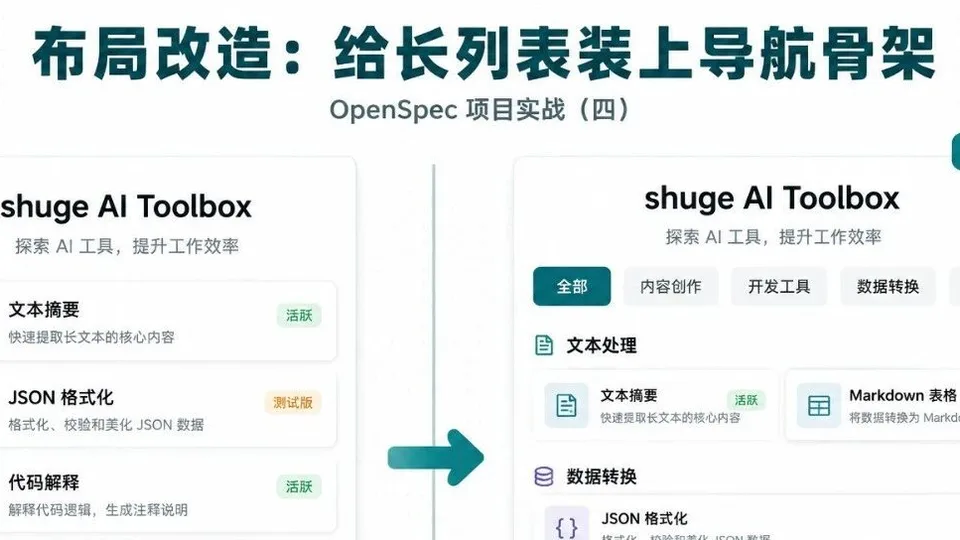
In this fourth OpenSpec case study, the author refactors the home page layout by introducing a category‑based tab navigation skeleton that replaces a scrolling long list, detailing the exploration of four design options, the chosen implementation using React, TypeScript and Tailwind, and the full TDD‑driven development, testing, verification and archiving workflow.
This article details how the Bili‑FE team evolved prompt engineering into a Harness Engineering workflow, creating a structured .workflow knowledge base and a series of AI‑driven commands that automate the entire frontend development lifecycle from requirement preprocessing to testing and mock generation.
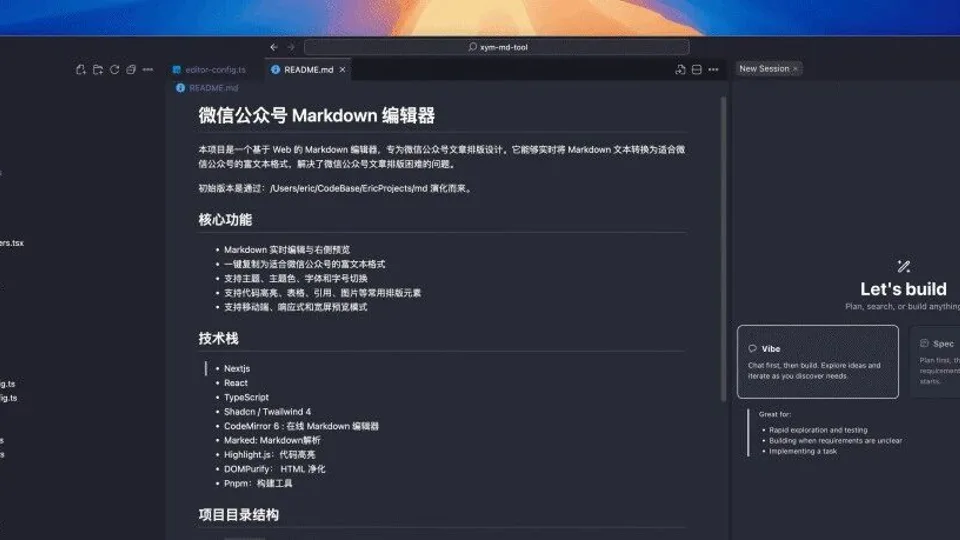
The author rebuilt a WeChat public‑account markdown formatter using Codex App + GPT 5.5 and Kiro IDE + Claude Opus 4.7, offering real‑time preview, one‑click inline‑style copy, multiple themes, code highlighting and mobile preview to eliminate tedious manual styling while keeping the tool completely free.
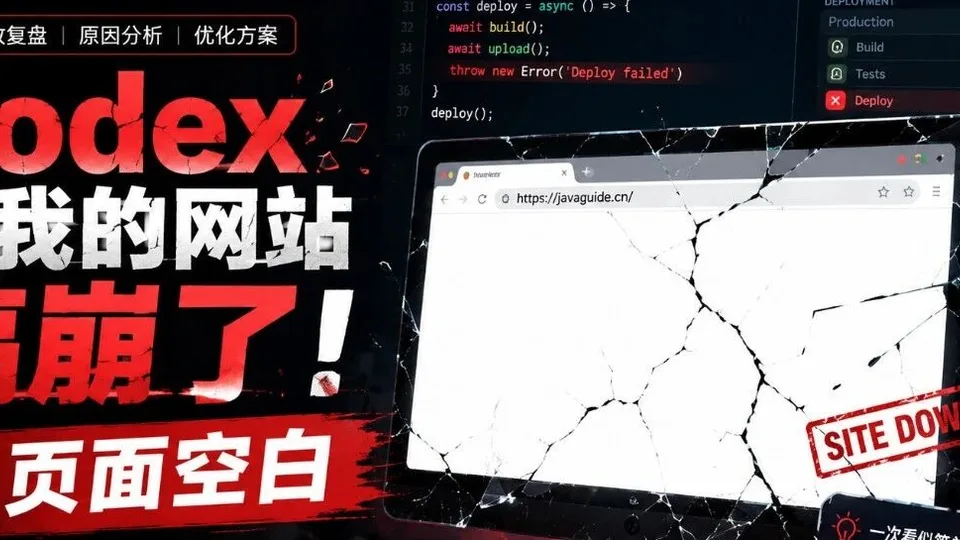
The author recounts how using Codex to analyze JavaGuide's performance triggered a site-wide outage, then details the step‑by‑step investigation—from cache misconfigurations and hashed asset handling to a VuePress hydration bug—and shares practical lessons on combining AI assistance with disciplined engineering practices.
This article surveys five notable open‑source 3D globe projects—echarts‑gl, Gio.js, three‑globe, Oclock, and starlink‑viz—detailing their core capabilities, technical stacks, usage examples, and ideal scenarios for data‑driven geographic visualizations.
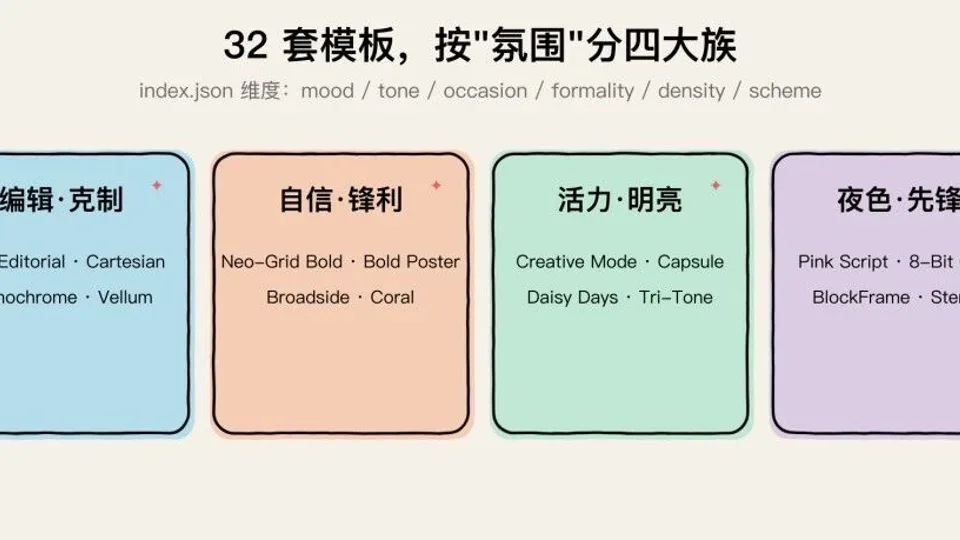
The article introduces a GitHub repository offering 32 ready‑to‑use HTML/CSS slide templates designed for AI agents, explains a six‑step workflow for selecting and customizing templates, evaluates the strengths and limitations of the approach, and argues that HTML is re‑emerging as a universal presentation format.
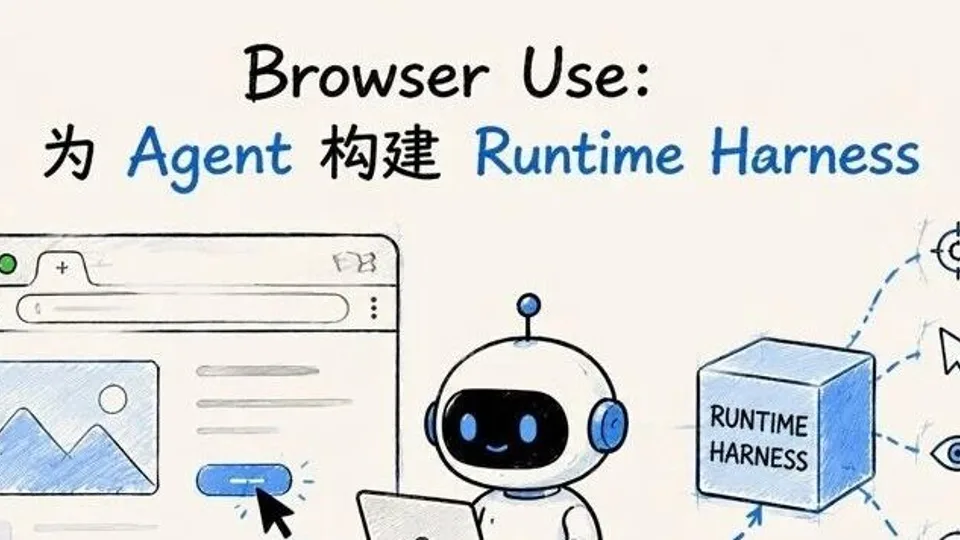
The article explains why AI agents need to perceive actual browser rendering, introduces an open‑source Browser Use skill built on Chrome DevTools Protocol that lets agents verify path, content, visual layout, interaction, console and network dimensions, and details the setup, workflow, optimization tips and practical deployment schemes.
The article presents a comprehensive engineering practice for bringing AI‑generated user interfaces into a production pipeline, detailing challenges such as prompt management, incomplete requirements, design fidelity, and performance, and offering solutions like a prompt IDE, demand rewriting, component detection, style repositories, streaming rendering, caching, and automated quality assessment to achieve observable, iterative UI automation.
QQ Music migrated 9 React H5 pages and 3 components to the Kuikly cross-platform framework using an AI-assisted workflow, achieving over 90% AI-generated code adoption, reducing development time from 3+ days to under 1 day per page, and cutting page load time by 90% while surpassing original React performance.
ZeroNative, a Vercel‑labs project written mostly in Zig, lets developers build desktop and mobile apps with familiar front‑end frameworks, offering a smaller binary size and faster compile times than Tauri, while supporting multiple WebView engines and a sandboxed security model.
Airbnb transformed nearly 3,500 Enzyme test files to React Testing Library in just six weeks by building a large‑language‑model‑driven pipeline that validates, rewrites, retries, and enriches prompts with extensive context, achieving a 97% migration success rate while dramatically cutting manual effort and cost.
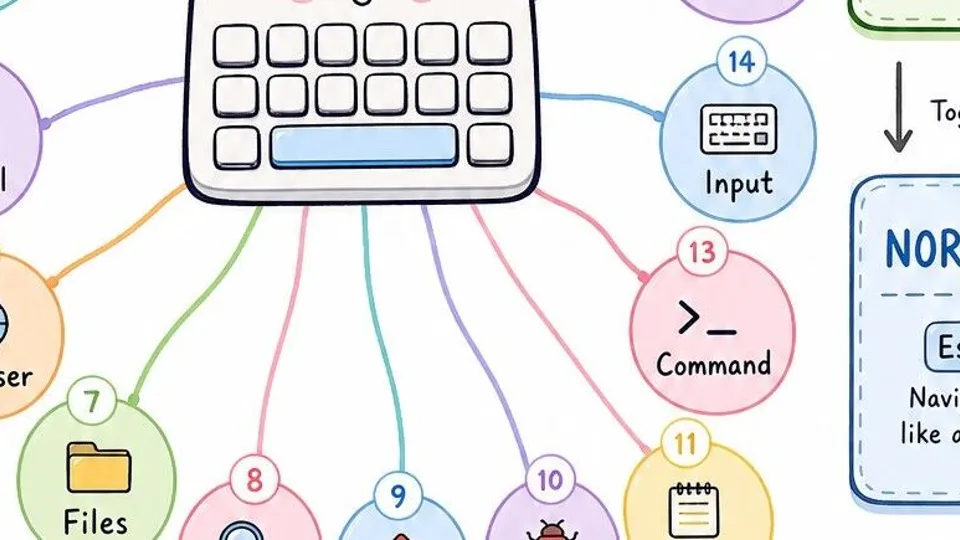
Claude Code’s keybinding engine tackles fragile CLI key handling by defining 17 compile‑time UI contexts, a union of five resolve result types, chord support, and a full Vim‑mode state machine, demonstrating how context isolation, chord sequencing, and repeat‑command logic prevent conflicts and enable extensible behavior.
Anthropic engineer Thariq argues that HTML should replace Markdown, presenting five concrete advantages—higher information density, better readability, near‑zero sharing cost, interactive capabilities, and greater enjoyment—while also discussing practical use cases, token cost trade‑offs, and version‑control challenges.
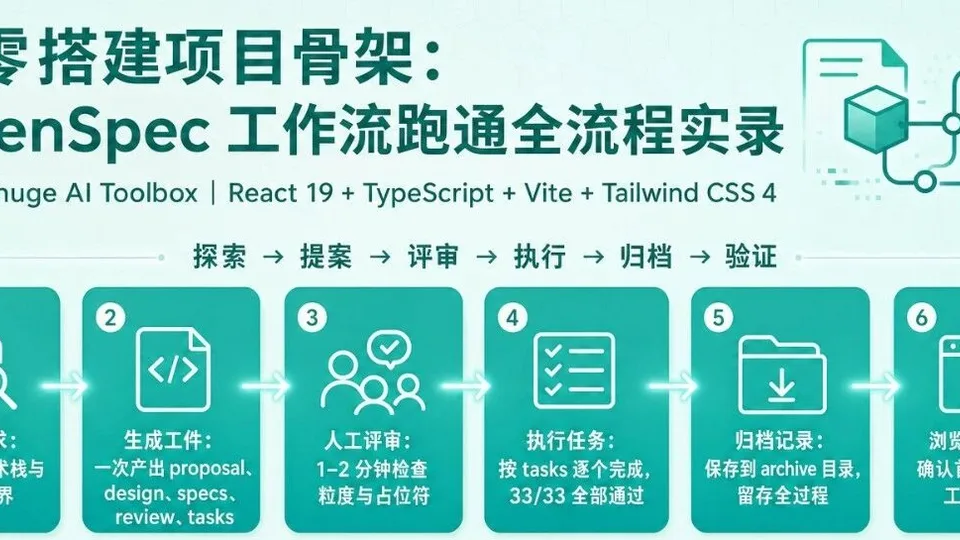
This article documents a step‑by‑step OpenSpec workflow that starts with requirement exploration, generates proposal, design, specs, review and task artifacts, executes them to scaffold a React 19 + TypeScript + Vite + Tailwind project, handles GitHub integration, validates the build, and archives the change while sharing practical lessons and pitfalls.
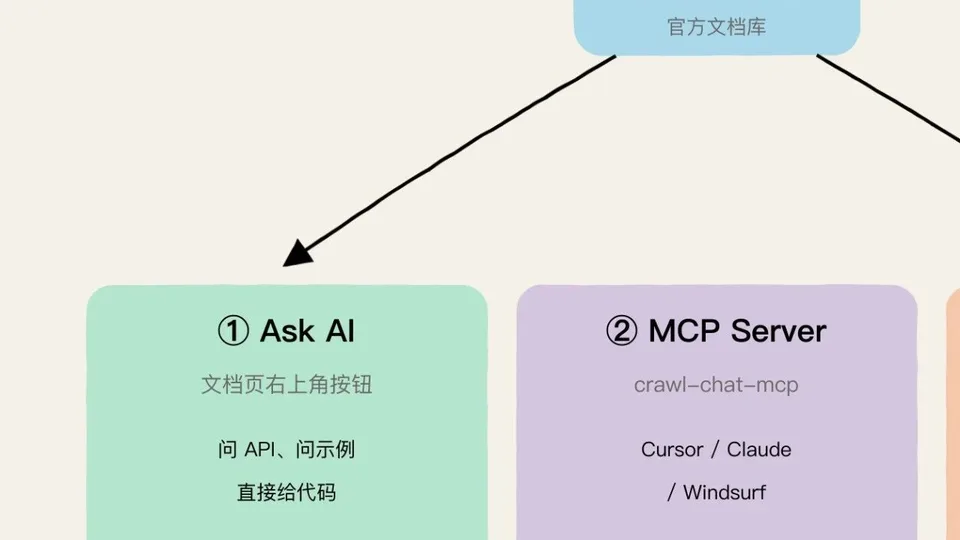
The article explores Konva.js—a popular 2D Canvas library—its new official MCP server that feeds the full documentation to LLMs, enabling AI agents like Cursor and Claude Desktop to generate accurate interactive Canvas code, and compares Konva with other canvas solutions.
This tutorial walks you through the entire real‑world e‑commerce development process—from requirement analysis and architecture design to page implementation, feature integration, optimization, and multi‑platform publishing (H5, WeChat mini‑program, and native app) with concrete code examples.
This tutorial shows how to use DCloud's Plugin Market and the official uni‑ui component library to avoid hand‑coding UI, enabling rapid implementation of carousels, forms, dialogs, load‑more and other common features with step‑by‑step instructions and code examples.
This guide explains why Uniapp projects need platform‑specific adaptations, introduces the fixed #ifdef/#endif conditional compilation syntax, lists the three main platform identifiers, and demonstrates how to apply conditional blocks in templates, scripts, and styles, followed by reverse conditions, practical cases, tips, and troubleshooting.