The author adapts a Japanese developer’s forced‑break Chrome extension using GitHub Copilot (Codex) to create an open‑source add‑on that blocks prolonged browsing on any specified sites—by default Zhihu and Weibo—displaying a full‑screen cat overlay after a configurable time.
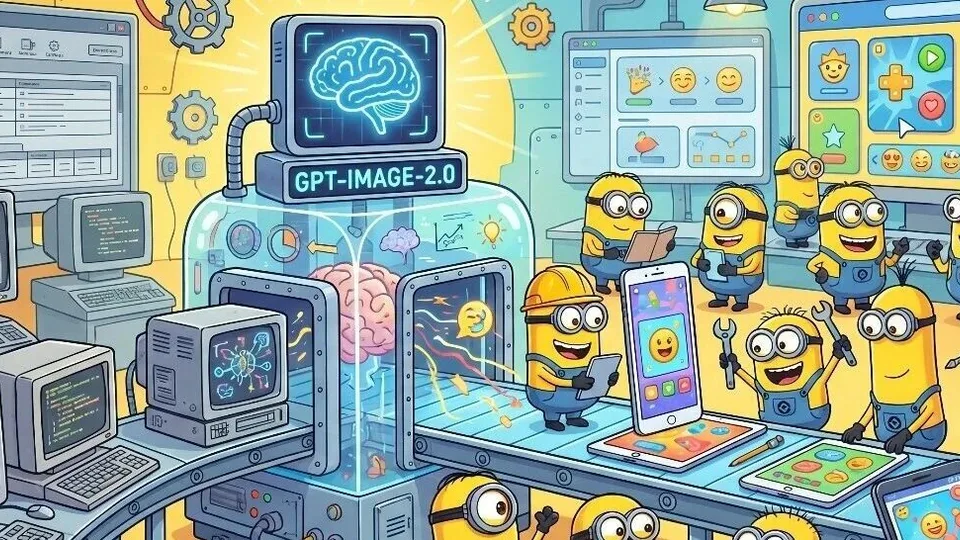
This article walks through a complete AI‑driven pipeline that turns a traditional B‑end admin interface into a modern C‑style UI using GPT‑Image‑2.0, Google NanoBananaPro, ClaudeCode and other tools, covering component‑library selection, prompt engineering, prototype generation, design‑spec extraction, and code production.
The article introduces Hyperframes, an open‑source video rendering framework that lets developers compose movies using plain HTML and AI agents, compares it with Remotion, and provides step‑by‑step usage, component libraries, and tooling details for low‑threshold, automated video creation.
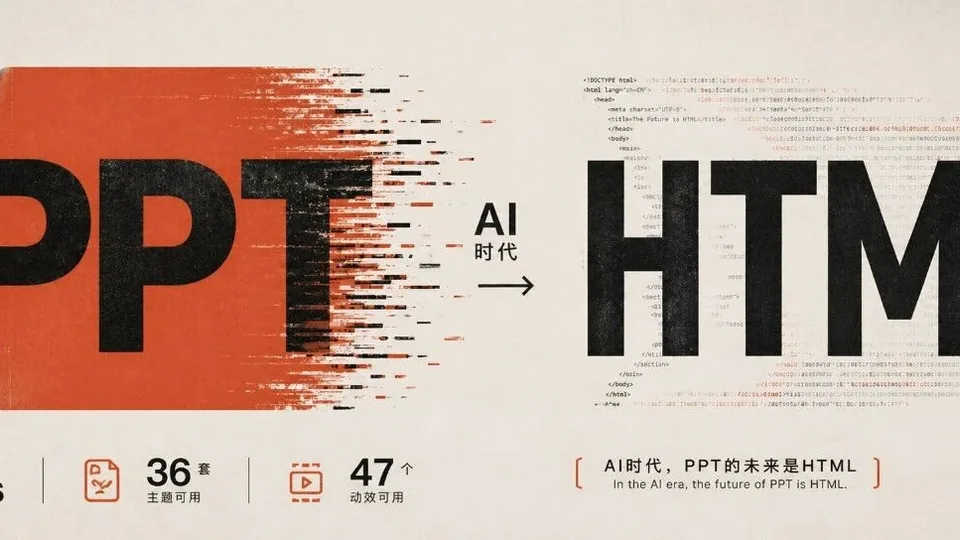
The article introduces the open‑source html‑ppt‑skill, which equips Claude or Cursor agents with a rich library of themes, decks, layouts and animations, enabling rapid generation of static HTML/CSS/JS presentations that run instantly in a browser.
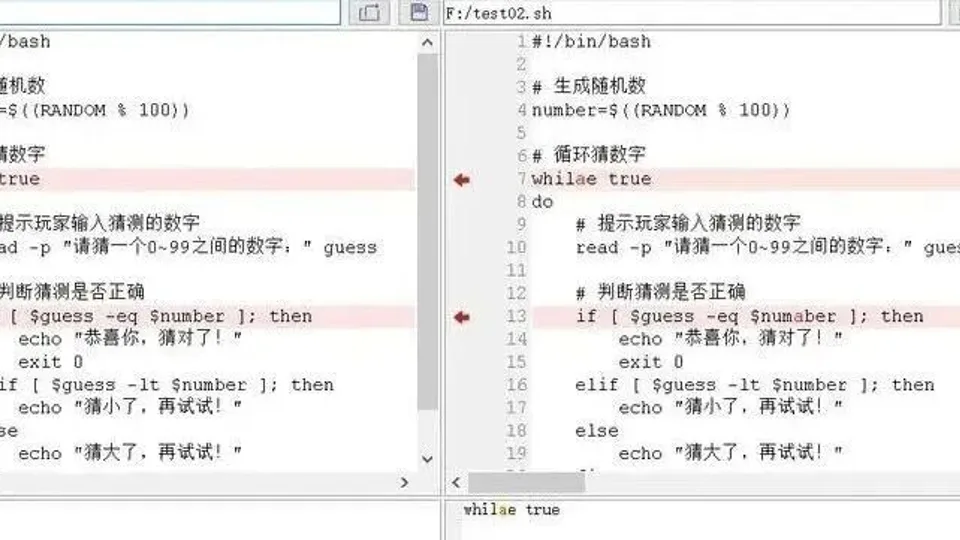
The article evaluates Notepad Next as a cross‑platform replacement for Notepad++, detailing its Qt‑based UI, support for multiple languages, workspace folders, macro recording, and easy Linux installation via Flatpak or AppImage, while noting its ongoing development and experimental macOS build.
Rspack 2.0 launches with up to 10 × build speed gains over version 1.0, refined default APIs, pure‑ESM packages, enhanced tree‑shaking, React Server Components support, simplified target configuration, hash‑based module IDs and improved code‑splitting, while maintaining webpack compatibility and expanding ecosystem integrations.
Tencent's Kuikly team introduces Kuikly AI, a Harness Engineering foundation for cross-platform development that addresses AI code quality and client complexity challenges through open-sourced Rules for framework conventions and Skills for scenario-specific AI agents, alongside MCP, design-to-code, preview tools, and migration agents.
The article argues that while AI can replace the code‑generation part of project scaffolds, scaffolding tools will not disappear; instead they will evolve from quick starters to enforceable, organization‑wide engineering standards that keep teams consistent and maintainable.
A senior engineer swapped a server‑rendered CRUD module from React to HTMX, measured build times, PR review speed, and bug rates, and found that simplifying UI interactions to HTTP requests dramatically reduced client‑side state complexity, improved predictability, and empowered junior developers.
The article introduces two practical frontend utilities—AI_Animation, which offers 300+ AI prompts to instantly create stunning HTML animations, and design‑extract (designlang), an npm package that extracts a website's full design language with a single command, complete with usage steps and output details.
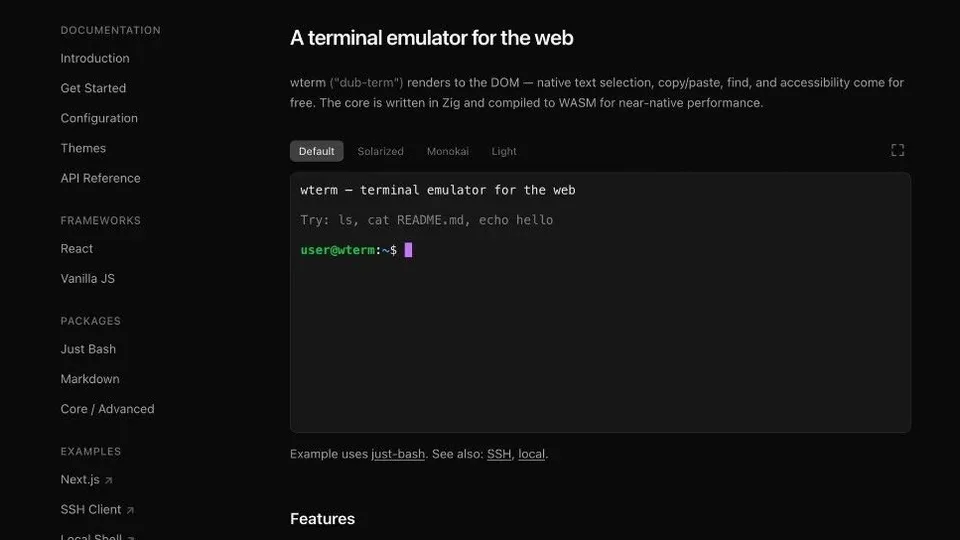
Vercel Labs’ open‑source wterm provides a tiny (≈12 KB) WebAssembly‑based terminal emulator that renders via the DOM, offering native text selection, clipboard support, CSS styling, and simple React integration, making it ideal for AI assistants, online IDEs, and documentation sites.
HeyGen’s open‑source HyperFrames framework turns HTML into a programmable video format, offering faster rendering (60 s vs. 162 s plus a 4‑minute build for Remotion), smaller output files (4 MB vs. 14 MB), AI‑friendly commands, and a simple "one file in, video out" workflow that rivals React‑based Remotion.
This article presents a practical approach to building responsive layouts in HarmonyOS NEXT by defining semantic window breakpoints (narrow/medium/wide), centralizing breakpoint logic in a dedicated store, separating layout concerns into a PageShell component, and preserving UI state like selection and scroll position across layout changes.
Vite now officially supports Module Federation 2.0, turning a previously missing micro‑frontend capability into a runtime‑based infrastructure that enables dynamic module loading, shared dependencies, and independent deployment across multiple front‑end applications.
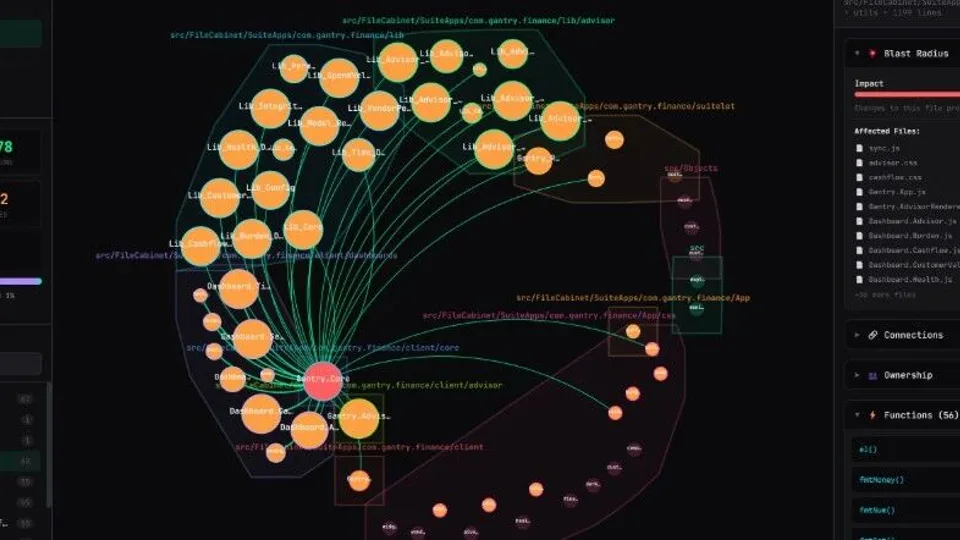
CodeFlow is a browser‑only tool that, with just one HTML file, visualizes a project's dependency graph, calculates the explosion radius of code changes, identifies code owners, runs security scans, and exports detailed reports, all without installing software or uploading source code.
WebAssembly extends JavaScript by handling heavy computation, binary processing, cross‑language reuse, and secure sandboxing, making it a practical engineering tool for performance‑critical, privacy‑sensitive, multi‑platform, and plugin‑based web applications while complementing rather than replacing JavaScript.
This article examines utoo, a Rust‑rewritten npm package manager that achieves near‑instant installs and dramatically smaller caches while remaining a drop‑in replacement for npm, detailing its architecture, benchmark comparisons with npm, pnpm and bun, and practical usage guidance.
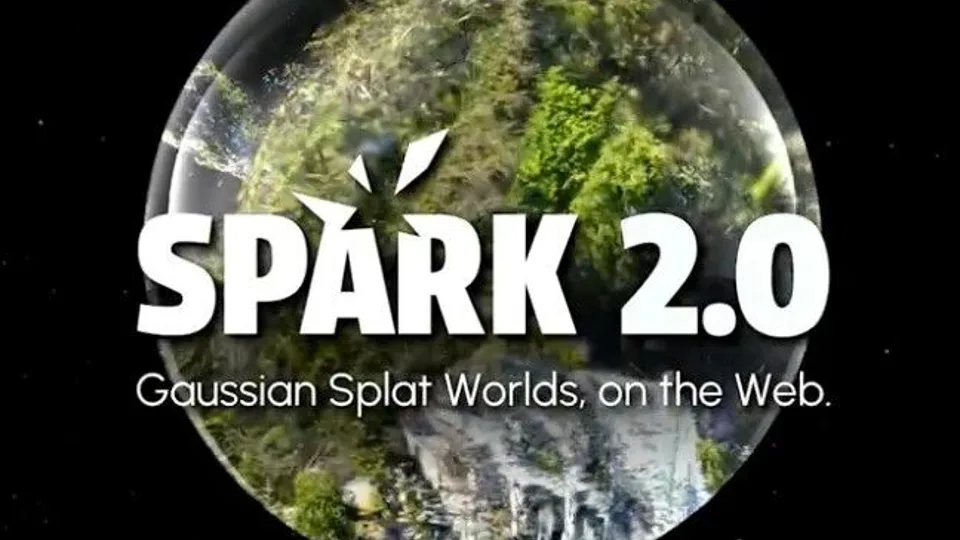
World Labs' open‑source Spark 2.0 renderer integrates with Three.js and WebGL2 to stream and display ultra‑large 3D Gaussian Splatting scenes—over 100 million splats—on desktops, mobiles and VR, using level‑of‑detail, progressive streaming, and virtual‑memory techniques.
This article explains why traditional Java UI toolkits fall short, then walks through a complete solution that embeds a React + shadcn/ui front‑end inside a Java desktop window using JxBrowser, covering window creation, resource loading for dev and production, and two Java‑Web communication strategies (JS‑Java bridge and Protobuf + gRPC).