This article details a lightweight pure‑HTML5 solution for synchronizing PDF documents across participants using PDF.js for rendering and a FastAPI‑based WebSocket layer for real‑time state broadcasting, covering architecture, workflow, code snippets, and synchronization logic.
This article walks developers through setting up Lighthouse to evaluate Thorium’s web performance, explains the benchmark scores, and provides concrete GN and V8 configuration tweaks, media‑codec settings, and JavaScript optimizations to achieve higher Lighthouse ratings.
On February 24, 2026, jQuery celebrated its 20th anniversary with the release of version 4.0, a major overhaul that streamlines the library, adopts ES modules, drops legacy browser support, improves security, and offers a lightweight, migration‑friendly upgrade path for developers.
Cloudflare engineers used an AI model to recreate Next.js on Vite in under a week, delivering the vinext framework that builds up to 4.4× faster and reduces gzip bundle size by 57%, with 94% API coverage, a traffic‑aware pre‑rendering feature, and open‑source code.
This article dissects the open‑source Open WebUI project, explaining its three‑layer architecture, key Svelte components, streaming rendering pipeline, message‑tree data model, state management, RAG integration, and plugin system, while offering practical optimization tips for building a performant production‑level AI chat interface.
This article details the design and implementation of a multi‑region H5 platform that uses a single codebase and unified architecture, covering platform UI internationalisation, unified login, three‑layer region storage, environment‑aware configuration, ZooKeeper service discovery, region‑specific DLL builds, and npm private‑registry strategies to achieve seamless deployment across multiple data centres while cutting development effort by up to ninety percent.
This article shows how Python developers can ditch fragmented tech stacks by using nine powerful libraries—ranging from Pyodide and PyScript for in‑browser execution to Flet, Anvil, Eel, Trame and Remi for full‑stack and desktop apps—each with concrete code demos, benefits, and caveats.
This guide walks you through creating a new YiiPress Engine project, configuring site settings, adding collections, writing posts, setting up navigation, building the site, and previewing it locally with optional build flags.
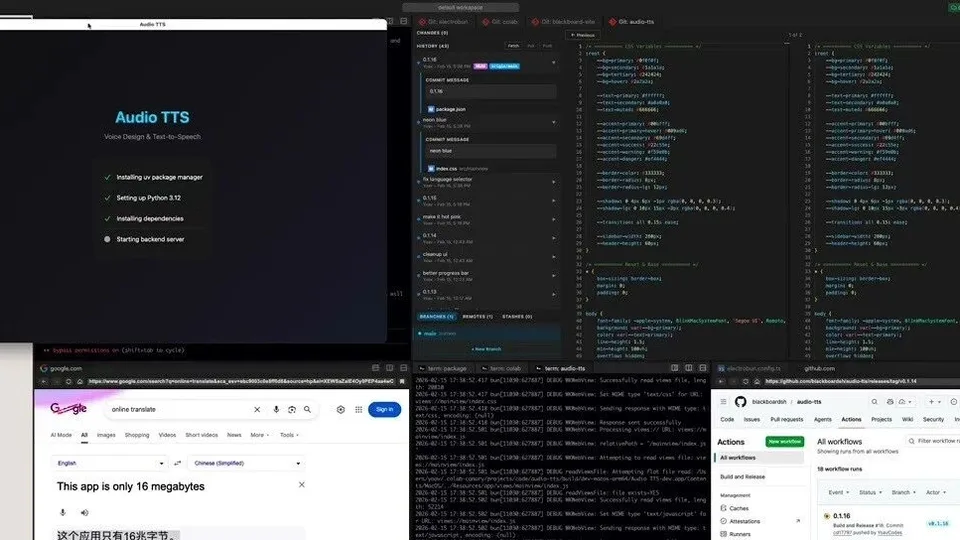
Electrobun is an open‑source framework that lets developers build cross‑platform desktop apps with only TypeScript, achieving roughly 12 MB bundle size by leveraging the system WebView, Bun runtime, and Zig native bindings, while offering incremental updates and type‑safe RPC, positioning it between Electron’s bloat and Tauri’s Rust complexity.
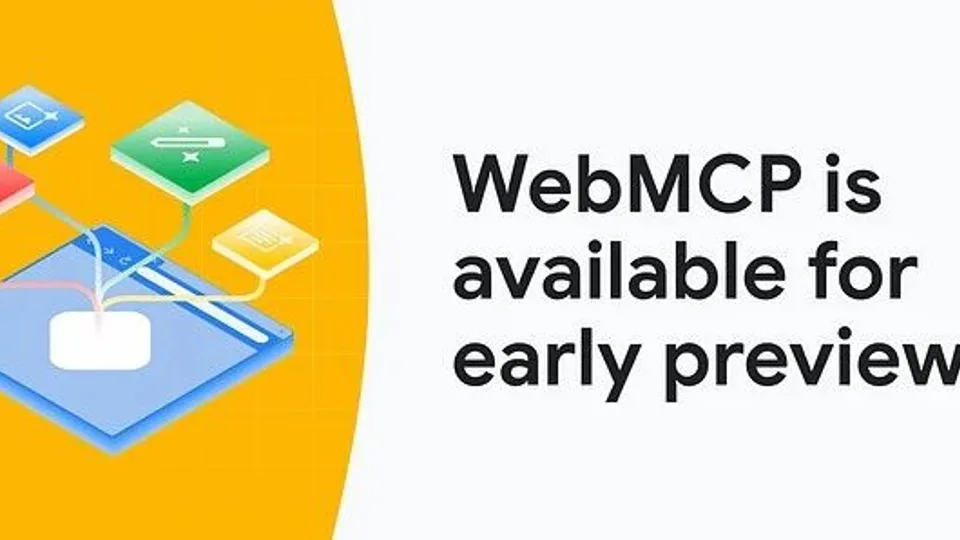
WebMCP, a new browser‑level Model Context Protocol co‑developed by Google and Microsoft, replaces fragile visual scraping with a structured API that lets websites expose tools directly to AI agents, dramatically improving token efficiency, reliability, and security while raising new implementation and safety challenges.
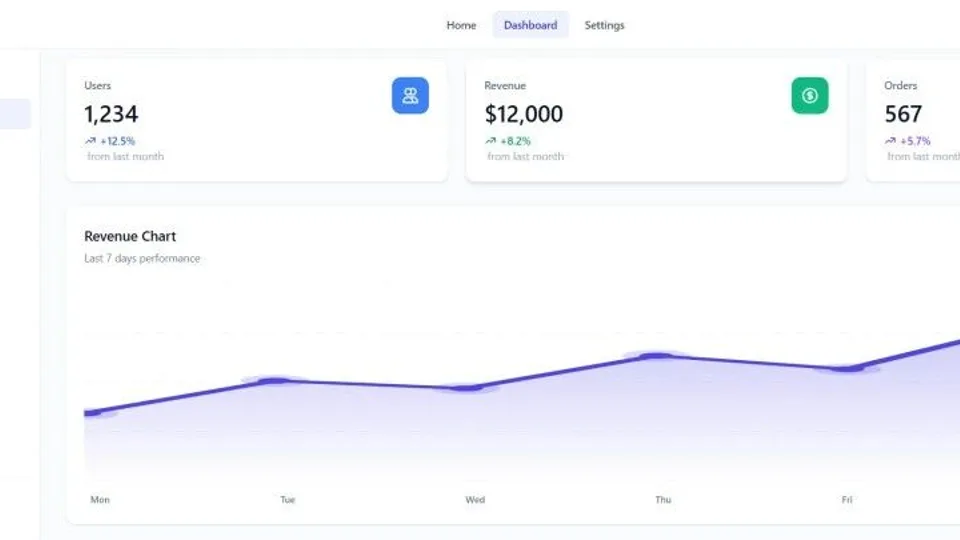
Google’s Gemini 3.1 Pro dramatically improves core reasoning scores (77.1% on ARC‑AGI‑2, 80.6% on Swe‑bench) and can generate interactive SVG, complex data‑driven visualizations, and creative‑coding layouts, prompting a reassessment of which front‑end tasks AI can replace and which still require architectural expertise.
By leveraging AI’s ability to parse structured ASCII sketches, developers can replace ambiguous natural‑language UI descriptions with precise visual blueprints, rapidly generate front‑end code for dashboards, iterate layouts, and fine‑tune components, while understanding the method’s benefits, workflow, and limitations.
AI is not the future of engineering but a tireless junior engineer that can speed up repetitive tasks, mechanical refactoring, and test scaffolding, while still failing at architectural decisions, performance reasoning, and async concurrency, so senior developers must guide and verify its output.
The article examines the trade‑off between Electron’s large bundle size and Tauri’s Rust learning curve, introduces the open‑source Electrobun framework, details its Bun‑based main process, system WebView renderer, Zig native bindings, 12 MB bundle size, bsdiff incremental updates, full TypeScript RPC, and objectively evaluates its current ecosystem and stability limitations.
Dioxus 0.7 introduces sub‑second hot‑reload, experimental Rust hot‑patching, a built‑in Axum full‑stack solution, and a CLI that can serve, bundle, and publish the same codebase to Web, desktop, and mobile platforms, all while preserving type safety, performance, and a smooth developer experience.
The Chrome team’s early preview of WebMCP lets websites expose structured tool interfaces to AI agents, slashing token consumption by 89%, boosting operation success to 97.9%, and shifting agents from fragile DOM‑guessing to reliable direct tool calls, while raising adoption and security questions.
While AI tools like Cursor generate code faster than ever, the resulting quality varies widely; by equipping AI with the frontend-design skill, the react-best-practices (or antfu/skills) bundle, and a professional 28‑inch 4K monitor such as the BenQ RD280U, front‑end developers can ensure high‑design UI, robust engineering practices, and sustained visual comfort.
This article details how Tencent Advertising’s AI‑Native approach restructures front‑end development by centering on spec‑driven repositories, automating code generation, visual verification, and quality checks, ultimately achieving a fully automated AI‑driven development pipeline that reduces coding effort by up to 90 percent.
The 2026 JavaScript developer survey of tens of thousands of frontend engineers highlights chronic issues with the native Date object, growing adoption of TypeScript, mixed opinions on Webpack and Next.js, and strong enthusiasm for ES2026 features like the Temporal API, which is now supported in major browsers and poised to replace legacy date handling.
This tutorial walks through installing Docsify, initializing a project, configuring index.html, coverpage, navbar and sidebar files, and serving the documentation site locally, providing step‑by‑step commands, code snippets, and screenshots for a complete Docsify setup.