shadcn's new cn utility merges clsx and tailwind-merge into a single package, delivering up to 30x faster class-name merging via compile-time lookup tables and multi-layer caching, with a CLI for automatic migration, though it adds ~1.9KB gzipped and requires Tailwind CSS v4.
This article explains how to migrate HarmonyOS Web components between windows using BuilderNode, NodeController, and NodeContainer, enabling browser-like tab drag-out/in experiences without recreating pages, while emphasizing the critical rule of removing before remounting to avoid unexpected behavior.
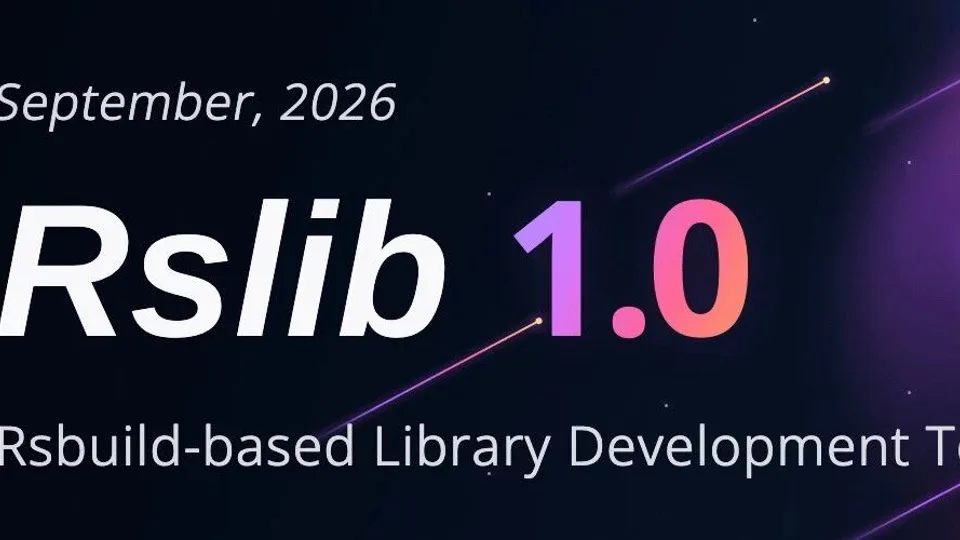
Rslib 1.0 launches as a Rsbuild-based library development tool supporting ESM, CJS, UMD, and Module Federation outputs, with bundle/bundleless modes, 24-57% faster builds, 2.4-4.2x faster type generation via TypeScript 7 and Isolated Declarations, multi-framework support (React, Vue, Svelte, Solid), integrated styling/assets/Worker/Wasm handling, CLI and JS API, and Agent-friendly skills for AI-assisted development.
The uni-app mini-program compiler (alpha) incorrectly replaces `!b` with undeclared `_a_b` when a local variable is named `b`, causing a runtime ReferenceError only when specific data triggers the condition; the bug evades build, TypeScript, and ESLint checks, and is fixed by renaming the variable.
The author built vue-threeui, a Vue 3 component library with complex 3D visual effects, in four days using AI-assisted 'vibe coding', demonstrating how AI compresses the imagination-to-implementation cycle and shifts component library authors' competitive advantage from coding skill to design decomposition and visual judgment.
shadcn's new `cn` utility merges clsx and tailwind-merge into a single package, achieving up to 30x faster performance via compile-time optimization and multi-layer caching, with a 1.9 KB bundle size increase and a migration CLI for Tailwind CSS v4 projects.
This guide details how to use DevTools for debugging HarmonyOS frontend pages, covering wireless and USB debugging methods, setup steps, convenience scripts, and solutions for nine common issues like device detection failures and port forwarding errors.
TanStack announced a partnership with Vercel to make Vercel the primary deployment platform for TanStack Start, comparing its router‑centric approach to Next.js, detailing the short deployment workflow, and discussing the benefits and remaining challenges of the integration.
UI UX Pro Max is an open-source AI design skill that equips coding assistants with professional UI/UX intelligence, automatically generating complete design systems — including 67 UI styles, 161 color schemes, 57 font pairings, 25 chart types, 99 UX guidelines, and 161 industry reasoning rules — across 15+ frontend frameworks and 8+ AI assistants like Claude Code and Cursor.
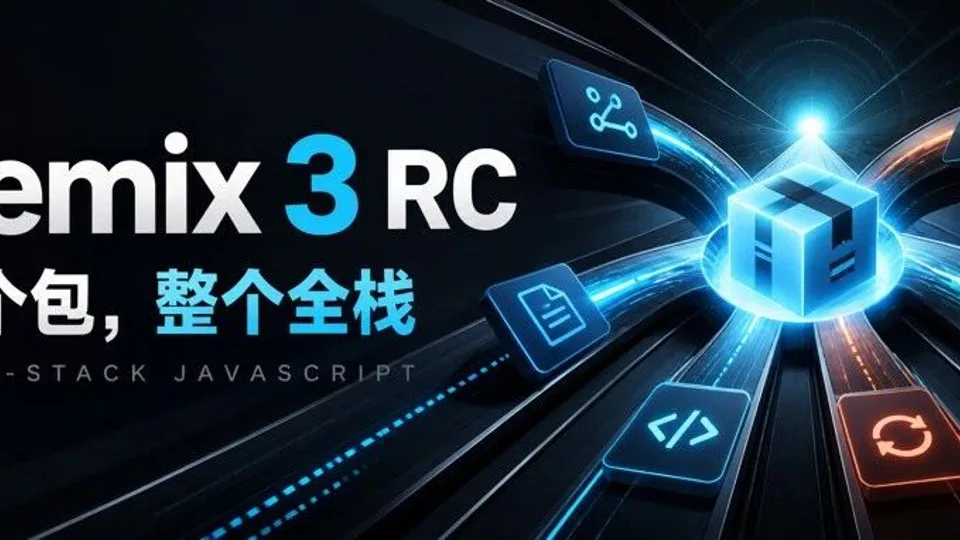
Remix 3 RC introduces a single‑dependency full‑stack JavaScript framework that bundles routing, server‑side rendering, database tools, resource handling, UI runtime, and hot‑module reloading for both front‑end and back‑end, while offering optional React integration and a built‑in database workflow.
This article demonstrates how to build responsive HarmonyOS 7 floating tab layouts that adapt to foldable phones, tablets, and split-screen windows by reading actual container width via ContainerReader, using breakpoints at 440/600/840 vp to switch column counts, preserving business state during layout changes, and avoiding device-type branching.
Vercel’s newly open‑sourced VGPU adds a TypeScript‑friendly layer to WebGPU, letting developers import WGSL modules, auto‑reflect bindings, and render shaders both in browsers and headless Node.js environments—even on machines without dedicated GPUs—using Dawn or a CPU software renderer.
The article walks through basic front‑end packaging with npm, explains why simple static hosting falls short for high‑traffic sites, and then details advanced techniques such as content‑hash URLs, non‑overlapping releases, and Nginx‑based gray deployments to ensure stable, performant production rollouts.
Firefox 157 will enable JPEG XL decoding by default, Chrome plans to follow, and a new Rust‑based decoder addresses long‑standing memory‑safety concerns, while Mozilla’s docs compare JPEG XL with AVIF, highlighting lossless performance and progressive rendering advantages that could bring full cross‑browser support by year‑end.
The article walks through basic front‑end build and Nginx serving, then shows why production‑grade deployment needs CI/CD, Docker, hash‑based cache busting, careful static‑resource ordering, and Nginx‑driven gray releases to keep large‑scale sites stable and performant.
GPUIX introduces a React custom renderer that sends UI updates to a Rust-based GPU framework (GPUI), enabling native desktop apps without Chromium, demonstrating 5000-message chat performance but facing ecosystem gaps like limited CSS support and pre-1.0 instability.
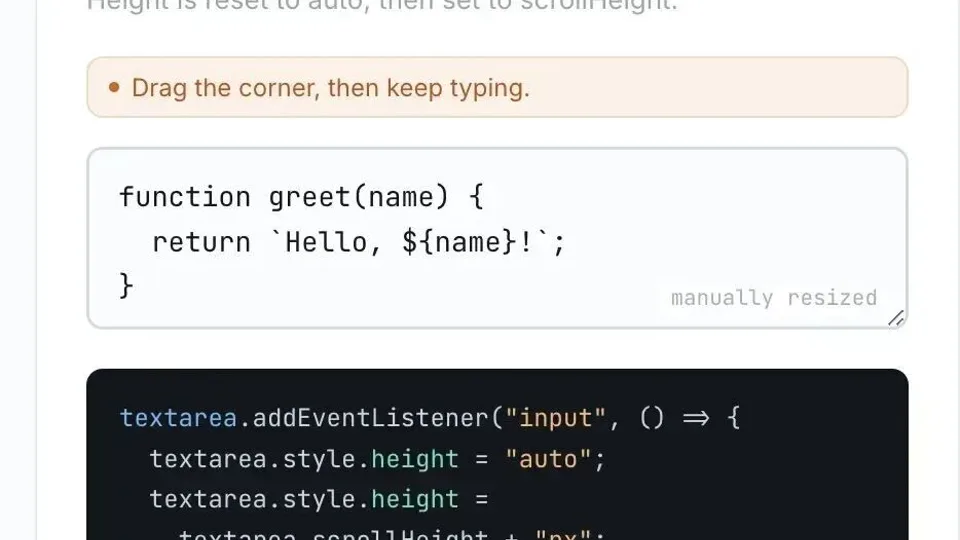
field-sizing, now supported in Chrome 123, Safari 26.2, and Firefox 152, lets textarea and other form controls automatically adjust their height (or width) to fit content, eliminating the need for JavaScript‑based resize scripts, while still allowing developers to set min‑ and max‑size constraints.
This guide details ArkWeb performance optimization across four dimensions—page load, load completion delay, click response, and frame rate—using DevEco Profiler and DevTools to trace bottlenecks and apply techniques like pre-rendering, Code Cache, async JSBridge, and same-layer rendering for smooth HarmonyOS web experiences.
The article explains how uncontrolled AI‑generated UI leads to inconsistent styles, proposes a project‑level design language documented in docs/design.md, details the tool’s extraction, reuse, refresh, apply, audit capabilities, shares pitfalls encountered, and outlines who can benefit from this approach.
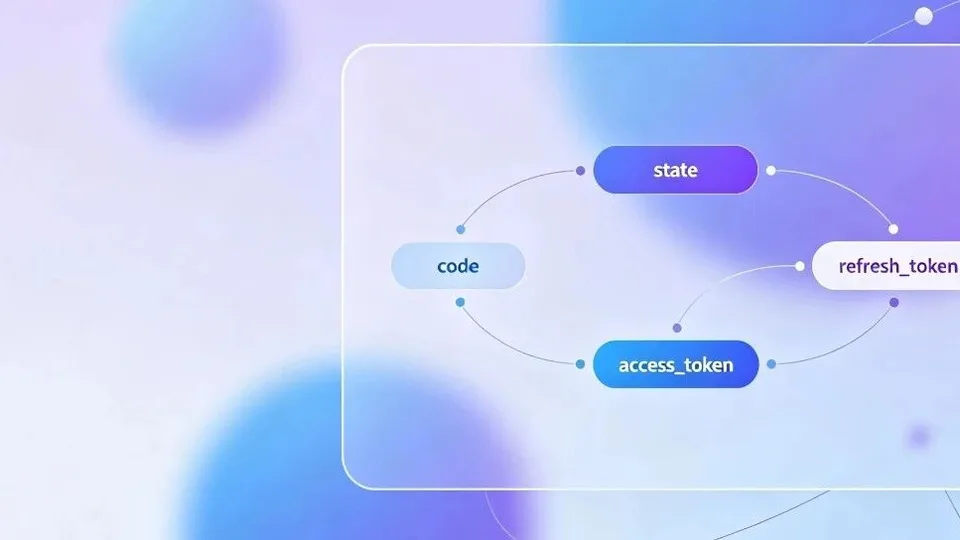
This article walks through the complete OAuth2 Authorization Code flow with PKCE for front‑end applications, explains each step with code examples, highlights six frequent pitfalls such as redirect_uri mismatches, missing state validation, PKCE requirements, one‑time code usage, URL leakage, and insecure token storage, and provides a ready‑to‑use implementation template.