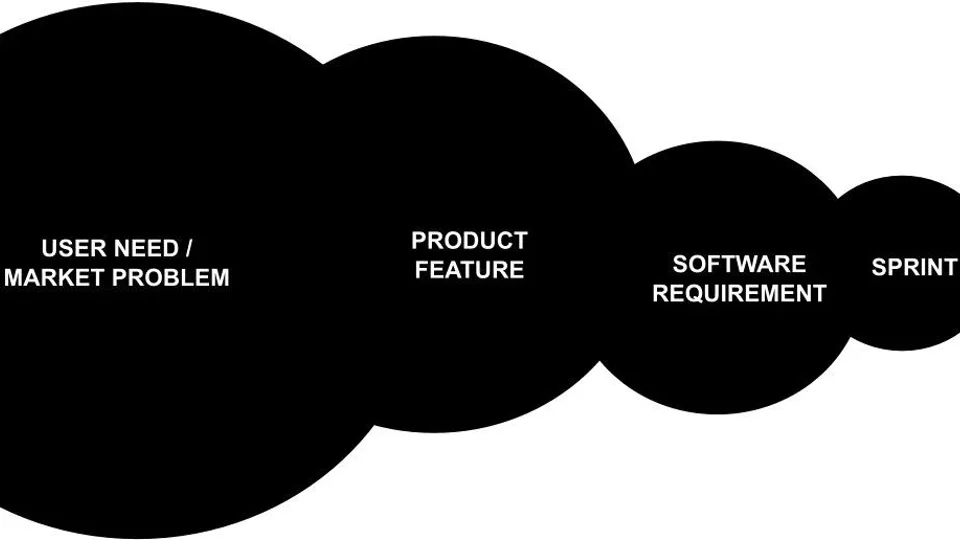
This guide walks product managers through the full lifecycle of requirement analysis, management, prioritization, delivery, and verification, emphasizing data‑driven decisions, multi‑dimensional evaluation, clear acceptance criteria, and continuous feedback loops to ensure products truly solve user problems and align with business goals.
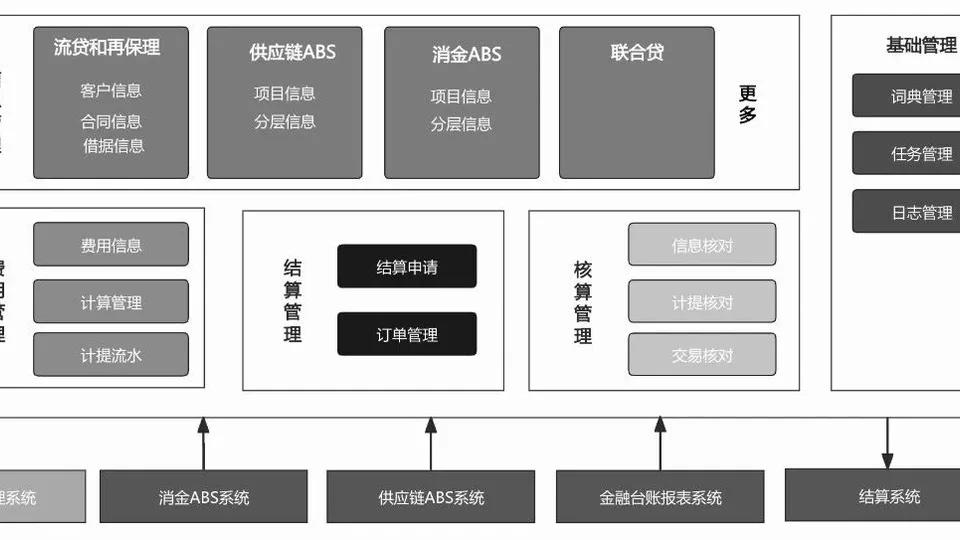
This article demystifies installment payments by explaining the underlying asset‑backed securities, tracing the evolution of consumer finance through four development phases, outlining market operation models, detailing industry participants, and describing the product systems and manager roles that drive today's installment services.
The article explores the concept of “endgame thinking,” illustrating how starting from the desired future outcome and working backwards can improve product decisions, team management, technical architecture, and long‑term strategy, while warning against short‑sighted tactics, over‑design, and neglecting real constraints.
This comprehensive guide explains what an electronic wallet is, outlines essential functions and transaction types, compares different wallet categories, and presents eight detailed industry‑specific wallet designs—from home‑service and delivery to pet e‑commerce, car rental, tourism, canteen, highway ETC, and offline entertainment—offering practical architecture and implementation advice.
The article explores how AI tools have become permanent actors in the design workflow, extending creative cycles, and draws parallels to Wong Kar-wai’s iterative film‑making process, highlighting the director‑like role designers now play when selecting the perfect prompt‑generated image.
This guide breaks down the classic product‑manager interview question “Tell me about your most difficult project,” explaining what interviewers assess, key pitfalls to avoid, and a detailed STAR‑R framework with a real‑world case study to help you craft a compelling, data‑driven answer.
This article explains Google’s HEART measurement model and the GSM (Goal‑Signal‑Metric) framework, showing how product teams can translate vague user experience feelings into concrete, actionable metrics across Happiness, Engagement, Adoption, Retention, and Task Success, with real‑world case studies.
The article distills Sam Altman's Startup Playbook, outlining a methodology that emphasizes great ideas, strong teams, outstanding products, and relentless execution, while also describing the founder mindset and illustrating each point with real-world cases such as Airbnb, Facebook, and Pinterest.
The article outlines three concrete steps—using a Y‑model to uncover true user goals, turning vague requirements into testable scripts with evidence (and AI assistance), and treating the system like a fitness program—to help software teams stop requirement chaos and deliver real business value.
In a candid conversation, YouTube co‑founder Steve Chen and Manus chief scientist Peak discuss PayPal’s rise, YouTube’s Google acquisition, product‑priority decisions, network‑effect engineering, AI agent strategies, and the relentless trial‑and‑error culture that fuels Silicon Valley success.
Microsoft is redesigning the classic Blue Screen of Death into a minimalist black crash screen for Windows 11, speeding up dump collection to about two seconds, simplifying the displayed information, and raising concerns that users might mistake it for a routine update.
The article reveals how distorted or unclear requirements cause the majority of software project failures, outlines six root causes with real‑world examples, and demonstrates how disciplined demand governance—augmented by AI—can dramatically cut rework costs and boost delivery efficiency.
This guide breaks down what interviewers look for when asking about your learning and growth, outlines common pitfalls, provides a structured answer framework, and shares a high‑scoring example to help product managers showcase their self‑driven development and impact.
Recent investigations reveal that major power‑bank brands like Romash and Anker are facing massive recalls due to 3C certification suspensions caused by defective battery cells, supply‑chain material changes, and rising non‑compliance rates, prompting stricter safety standards and supply‑chain traceability measures.
Alipay’s 2024 “Touch‑and‑Go” rollout, covering 400 cities and over 100 million users in just 321 days, illustrates a strategic shift from feature competition to a seamless, ultra‑low‑friction payment experience that challenges WeChat’s entrenched social‑payment ecosystem and reshapes user habits across the IoT era.
This article outlines a comprehensive product manager capability model, covering foundational qualities like user empathy, logical thinking, and long‑termism, professional skills such as demand management, product design, and project execution, and strategic thinking including business insight, industry vision, and ecosystem building, while offering practical frameworks and examples for each.
This article shares practical insights from frontline managers on scaling teams, evolving decision processes, fostering cross‑functional collaboration, choosing market models, and optimizing pricing, helping founders and leaders navigate the typical challenges of growing a startup.
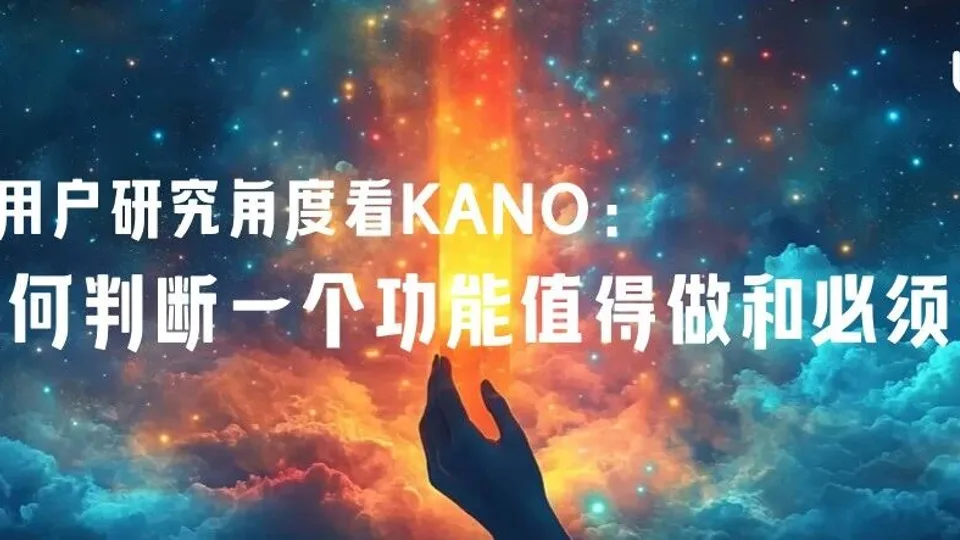
Learn how the Kano model, a classic framework from the 1980s, helps product teams classify features into basic, performance, and excitement categories, enabling data‑driven prioritization, avoiding common pitfalls, and bridging user satisfaction insights with strategic product decisions.
In the era of refined competition, the lower‑tier market demands designs that blend cost‑performance, minimalist functionality, deep channel integration, localized content, and emotional resonance, as illustrated by case studies from Pinduoduo, Kuaishou, OPPO, Alipay, Douyin and others.
A colleague’s sudden project reassignment sparked anger, but by examining the situation through four distinct perspectives—role, structure, time, and value—he gained a clearer, more strategic view that transformed a perceived betrayal into a powerful learning opportunity.