The article examines the enduring popularity of QQ with over 500 million active users, compares its rich feature set and historical rivalry with WeChat, highlights shifting user trends, and discusses how both platforms have adapted their product strategies amid changing market dynamics.
This presentation shares the speaker’s experience and practical methods for creating an effective data platform, covering the transition from technical roles to product management, deep understanding of data workers' needs, Tencent Oura asset‑factory practices, a product‑management methodology, and a Q&A session that addresses governance, performance, and engineering challenges.
This article examines a real‑world case where a B2B product team prioritized video‑quality metrics over user experience, discusses the resulting trade‑offs, and offers a step‑by‑step framework for aligning business goals with optimal UX design.
This article details Baidu's strategy of integrating interactive games, collectible cards, and video challenges into its app during the Asian Games, outlining design decisions, immersive experience phases, IP creation, and operational goals to boost user engagement and session time.
This article explains Geoffrey Moore’s ‘Crossing the Chasm’ framework applied to SaaS products, detailing the five technology‑adoption stages—from innovators to laggards—and provides strategic guidance on product development, market fit, scaling, support, and security challenges at each phase.
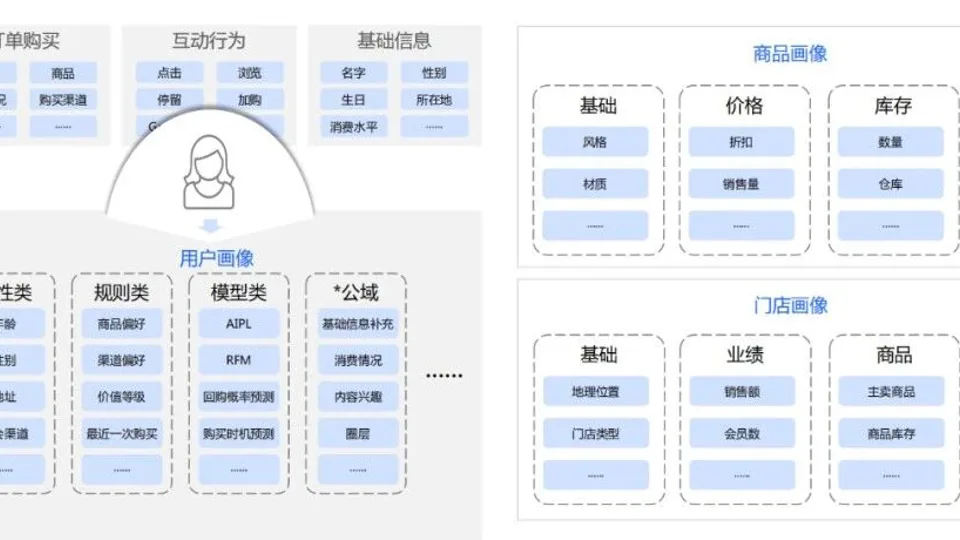
This article explains how enterprises can construct, design, and manage comprehensive tag systems—from foundational concepts and core design principles to construction workflows, evaluation methods, industry case studies, and practical Q&A—enabling precise customer segmentation and data‑driven marketing.
This article explains how product managers can systematically uncover genuine user requirements through demand collection, competitive analysis, interviews, surveys, and effective communication tools such as personas, story maps, and demand pools, ensuring that B2B products truly solve real problems.
This article outlines the definition, core competencies, evaluation standards, career pathways, and practical growth advice for content data product managers, using product‑centric analogies, a competency matrix, business‑type matching, and a Q&A session to guide both aspiring and current professionals.
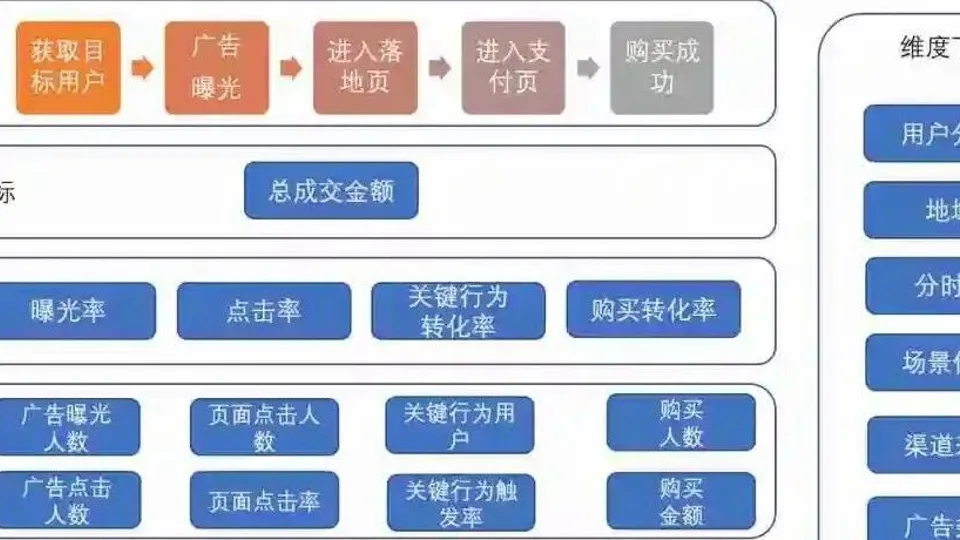
This guide explains why a data metric system is essential for business health, outlines a step‑by‑step process to design one, and demonstrates its construction for e‑commerce, community platforms, and financial apps using concrete examples and visual diagrams.
AB testing is a statistical method for comparing multiple strategies or versions to determine the most effective one, and this article explains its risks, mitigation measures, advantages, key dimensions, step‑by‑step workflow, fairness considerations, data‑cleaning techniques, target goals, design guidelines, and alternative experimental approaches.
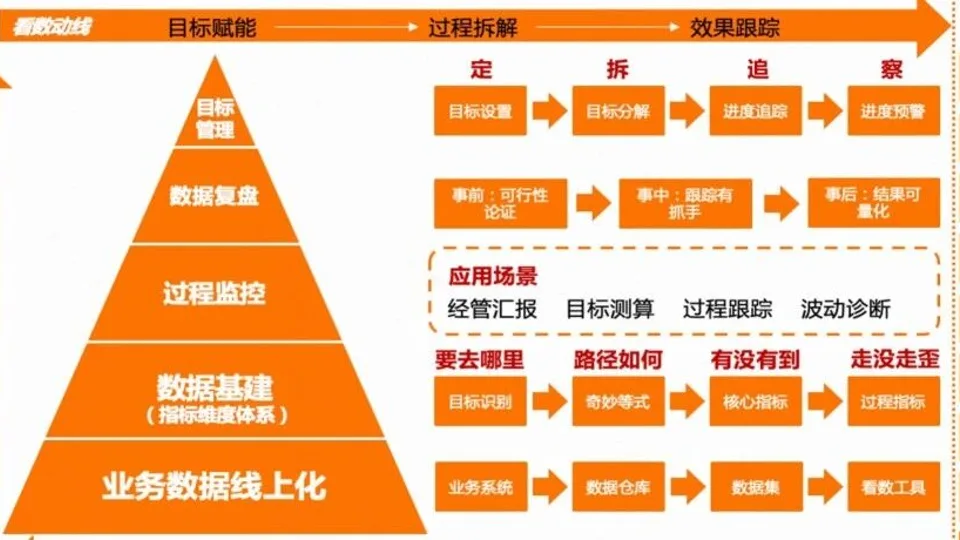
This presentation details the design, construction, and iteration of a management dashboard ("cockpit") for Kuaishou's e‑commerce data product team, covering data‑driven business logic, indicator design, product and interaction design, stability assurance, and common challenges with solutions, all aimed at improving business insight and decision‑making.
Understanding user scenarios is essential for linking genuine user needs to product value; this guide explains why scenarios matter, defines them, outlines methods such as deep interviews, companion visits, and observation, and shows how to analyze and translate insights into actionable design principles.
The article warns that extreme specialization in large firms turns employees into interchangeable “screws,” but by leveraging big‑tech resources, cultivating transferable skills, adopting systemic “pull‑hair” thinking, becoming an M‑shaped talent, mastering core competencies while innovating, and continuously planning a “second curve,” workers can remain valuable and resilient.
The article distills key concepts from Yu Jun’s book, outlining a product manager’s four core duties, user and transaction models, the relationship between enterprise, user and product, marginal economics, decision‑making frameworks, and practical guidance for selecting and growing product managers.
Facing a slowdown in mobile internet growth, Baidu’s Speed version redefined its product positioning toward low‑tier, earnings‑focused users and introduced a two‑phase task incentive system—acquisition via timer tasks and activation through refined video scenarios—resulting in sustained daily active user growth across its ecosystem.
This article explores the design, implementation, and iterative improvement of management dashboards in fast‑moving e‑commerce data operations, covering metric system construction, product interaction, data accuracy, user experience, and common challenges with actionable solutions.
Facing stagnant traffic in 2023, the 58 Yellow Pages design team applied first‑principles user research to strip commercial noise, redesign icons, list and detail pages, and introduce targeted merchant features, resulting in markedly higher user satisfaction and a revenue surge on both the consumer and business sides.
This article explores how cultural variations influence UI/UX design decisions, using Hall's high‑ and low‑context theory and Hofstede's cultural dimensions, illustrated with real‑world examples from global brands, to help designers create more culturally resonant products.
This article explains why user experience is crucial for middle‑platform systems, outlines the unique challenges they face, and provides a practical four‑step framework—including presentation, framework, structure, scope, and strategy layers—to design, implement, and measure effective UX improvements.
This presentation by SaaS growth expert Tian Yuan outlines a systematic B2B product growth framework—including the concepts of a Growth House and Brand House—detailing underlying growth logic, models, customer journey mapping, value exchange, and real-world case studies to help product managers identify new growth opportunities in mature markets.