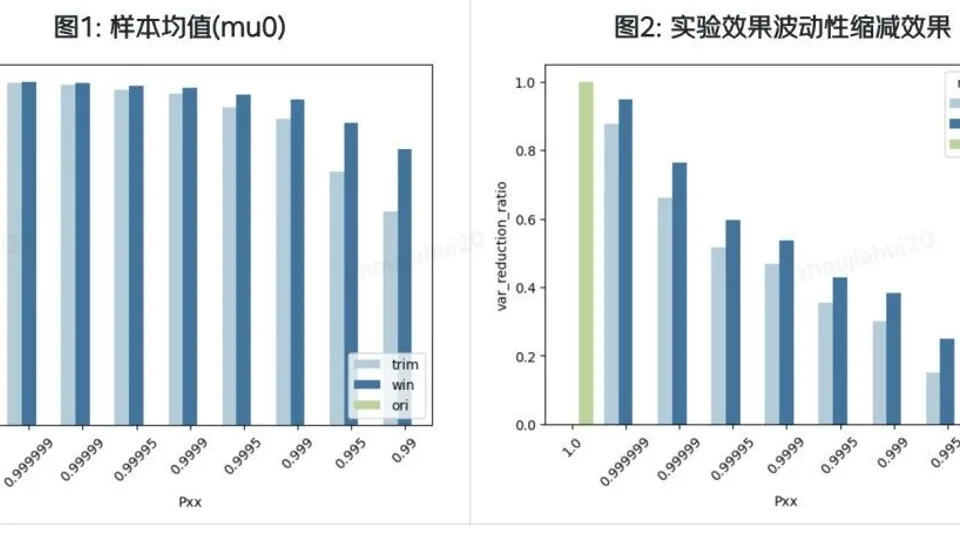
This article explores why outliers appear in large‑scale internet A/B tests, explains their impact on experiment precision, compares traditional trim and winsorize techniques, reviews a range of statistical and machine‑learning detection methods, and offers practical recommendations for handling them in product experiments.
This comprehensive guide walks product managers through meticulous pre‑interview research, data‑driven storytelling, strategic in‑interview communication, and effective post‑interview follow‑up, offering actionable frameworks and real‑world examples to dramatically increase the chances of securing a product management role in top e‑commerce companies.
This article explains the essential purpose of order splitting in e‑commerce, outlines seven common splitting scenarios—from merchant and multi‑warehouse splits to logistics, inventory, and after‑sale cases—shows their impact on cost, fulfillment efficiency, and customer experience, and presents a three‑module system design to implement robust splitting logic.
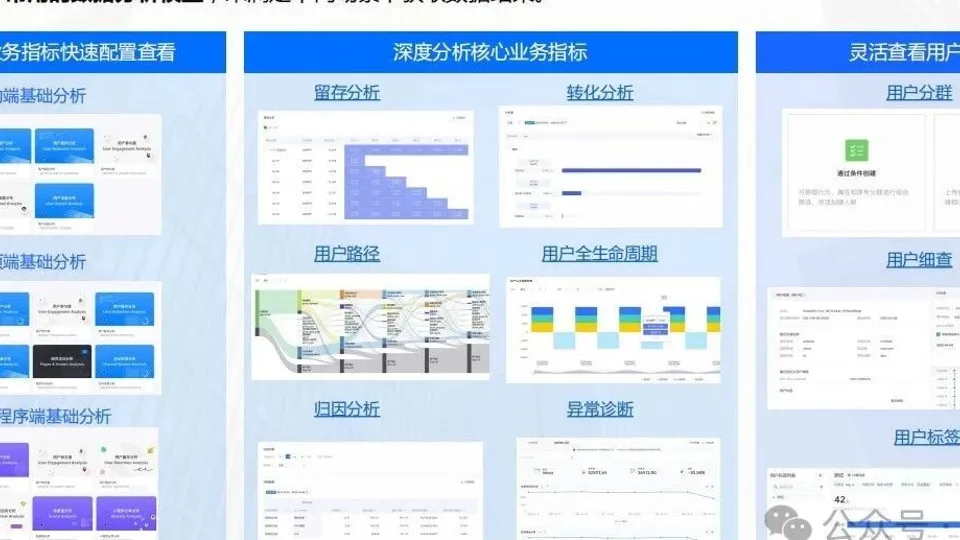
This guide explains how to design, track, collect, manage, analyze, and monitor product metrics to create a closed‑loop growth system, and demonstrates the process with a real‑world video‑app submission‑rate optimization case study.
This article examines the “Hundred Billion Subsidy” rental model, analyzes six core human motivations that affect leasing decisions, and outlines concrete design tactics—such as price highlighting, trust cues, countdown timers, and scarcity signals—to dramatically improve user conversion rates.
Although WeChat Moments can feel noisy, this article reveals how its unstructured, low‑disguise posts expose deep psychological motives and hidden commercial opportunities, offering a systematic way to decode user needs through seven common behaviors and practical analytical tools.
A comprehensive glossary for e‑commerce product managers that defines key metrics such as GMV, SKU, UV, CVR, AOV, CPC, and models like RFM and AARRR, while highlighting common pitfalls and practical strategies for data‑driven decision making.
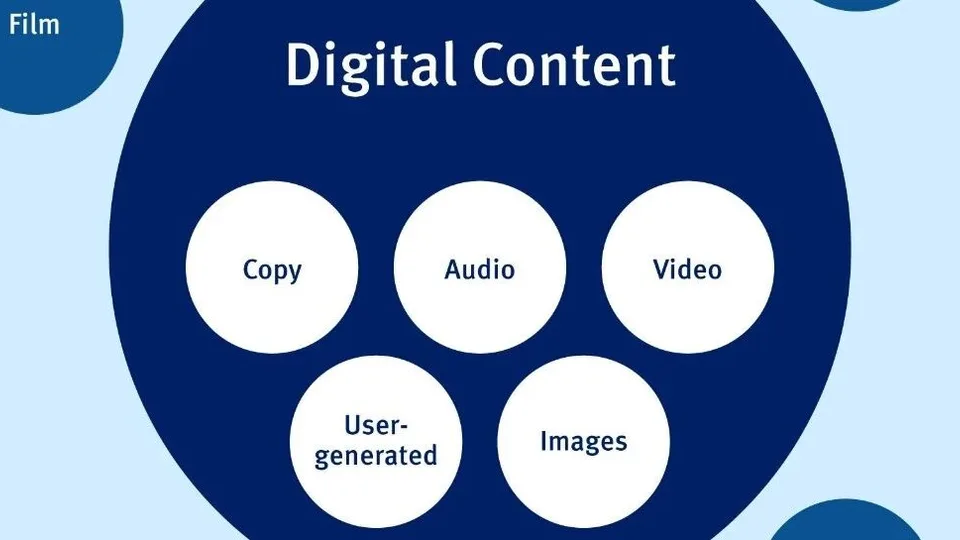
This article explains the distinctions between long, short, and micro copy in UX design, clarifies the difference between content and copy, outlines when each type should be used, and offers practical examples and best‑practice tips for creating effective user‑interface text.
This article dissects popular product management frameworks—from user stories and Maslow's hierarchy to AARRR, growth hacking, and data models—explaining their definitions, practical applications, and common pitfalls, helping practitioners separate genuine value from misleading hype.
The article explains the classic AIDA marketing framework—Attention, Interest, Desire, Action—its suitable scenarios, and step‑by‑step guidance on applying each stage in internet product design, supplemented with practical examples, tips, and an overview of funnel analysis.
This article examines the unique employment challenges faced by job seekers in third‑tier and county‑level cities in China and proposes design principles—visual noise reduction, direct information delivery, plain‑language phrasing, localized location cues, trust signals, and dialect‑aware AI—to make recruitment apps more accessible and effective for these users.
OpenAI announced that Fidji Simo, former Instacart CEO and longtime Meta executive, will join as Application CEO reporting directly to Sam Altman, while Altman remains CEO focusing on research, compute, and safety, signaling a strategic shift toward product scaling and AGI development.
This article examines the pain points of consumer‑finance product users—confusing terminology, security concerns, and cumbersome processes—and proposes a three‑dimensional redesign (cognitive, emotional, efficiency) to make borrowing clearer, safer, and more efficient.
The article offers a comprehensive guide for product managers, discussing senior role examples, the realities of director positions in large and small firms, the importance of saving money, horizontal skill expansion, deep industry specialization, entrepreneurship options, and the value of side‑projects for long‑term career sustainability.
This article explains why error handling is often neglected in UX, outlines common error types, and provides practical guidelines—such as using conversational language, avoiding excessive humor, employing active voice, offering clear solutions, and maintaining consistent patterns—to create helpful, user‑centric error messages.
Starting June 20, 2025, the EU will mandate that all smartphones and tablets sold within its market carry a new energy‑efficiency label, detailing EEI grades, battery endurance, durability, repairability, and other performance metrics, aiming to guide consumers and push manufacturers toward more sustainable product designs.
The notes synthesize two books on Taobao’s decade‑long evolution, detailing product category growth, key concepts like SPU/SKU, business challenges and pricing models, a shift from LAMP to Java‑based architecture, and pioneering middleware such as TFS, Tair, HSF, TDDL, culminating in a massive open platform with hundreds of APIs.
In today's fast‑changing market, traditional intuition‑based decisions falter, but systematic A/B testing—illustrated by ByteDance’s academic‑loop culture and real‑world case studies—empowers organizations to replace guesswork with evidence, accelerate innovation, and achieve measurable performance gains across products and strategies.
The article outlines how AA testing and rerandomization can detect and correct non‑uniform traffic splits in short‑term AB experiments, detailing three solutions—AA tests, seed‑based rerandomization, and retrospective AA analysis—along with theoretical guarantees, empirical error‑rate reductions, and remaining challenges for long‑term or clustered designs.