The article compares two AI‑driven startup tools—codex‑startup‑pressure‑test‑skill, which acts as a high‑pressure validator to kill bad ideas early, and Garry Tan’s gstack, a role‑based product‑team system that pushes validated ideas through design, engineering, QA and shipping, offering a decision matrix and step‑by‑step workflow for founders.
This guide walks you through the codex‑startup‑pressure‑test skill, explaining when and how to use it, the required input format, the five most suitable scenarios, the six operation modes, how to interpret the verdict and scorecard, and provides ready‑made prompt templates to validate a startup idea before any code is written.
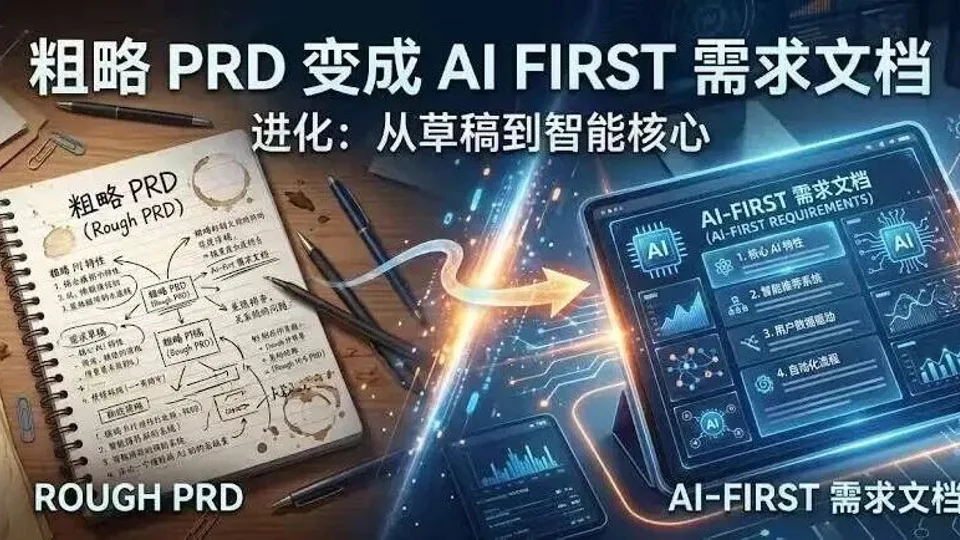
The article explains why feeding vague PRDs to AI coding tools leads to unstable code, and presents a step‑by‑step workflow that rewrites rough requirements into a structured AI‑First PRD covering goals, boundaries, states, acceptance criteria, and feasibility checks before implementation.
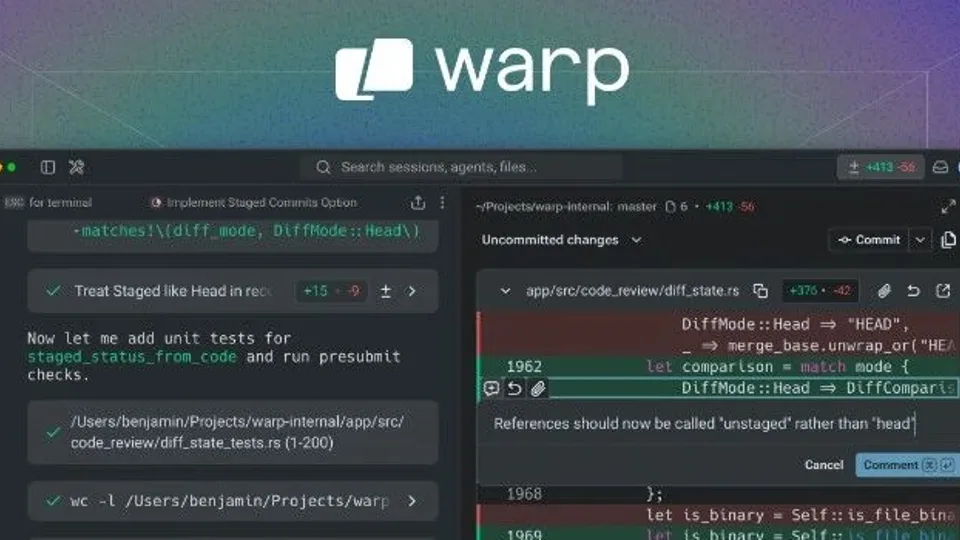
Warp announced on April 28, 2026 that its AI‑enhanced terminal is now open‑source under an AGPL‑3.0 core with MIT‑licensed UI crates, introducing an Agentic Development Environment, broader model support, configurable settings, and an agent‑first collaboration workflow that reshapes how developers contribute and work together.
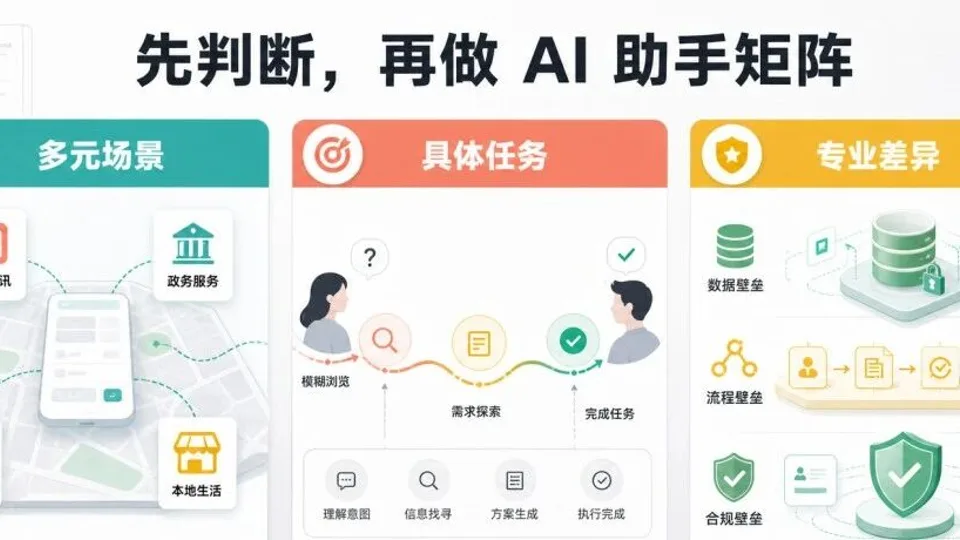
The article analyzes why embedding a generic ChatBot in niche applications leads to low engagement, shares the author's experience building a matrix of one general and five specialized assistants in a news app, and provides a decision framework and practical pitfalls for product teams.
The article explains why algorithm engineers resent product managers who treat models as black‑boxes, make vague data‑blind demands, and ignore experimental cycles, and it offers three concrete practices—feature‑focused communication, metric quantification, and respecting experiment timelines—to become a trusted teammate.
By 2026, AI product managers must shift from merely using models to delivering stable, valuable results, mastering seven core abilities—demand judgment, evaluation-driven iteration, context design, RAG strategy, agent orchestration, solution planning, and rapid Vibe Coding—to close the loop between business needs and AI capabilities.
Product managers are increasingly anxious about how AI Agents will reshape product logic, prompting a shift from button‑driven apps to intent‑driven assistants; this article breaks down the four core modules of an Agent, illustrates a market‑analysis workflow, and outlines design trade‑offs and common pitfalls.
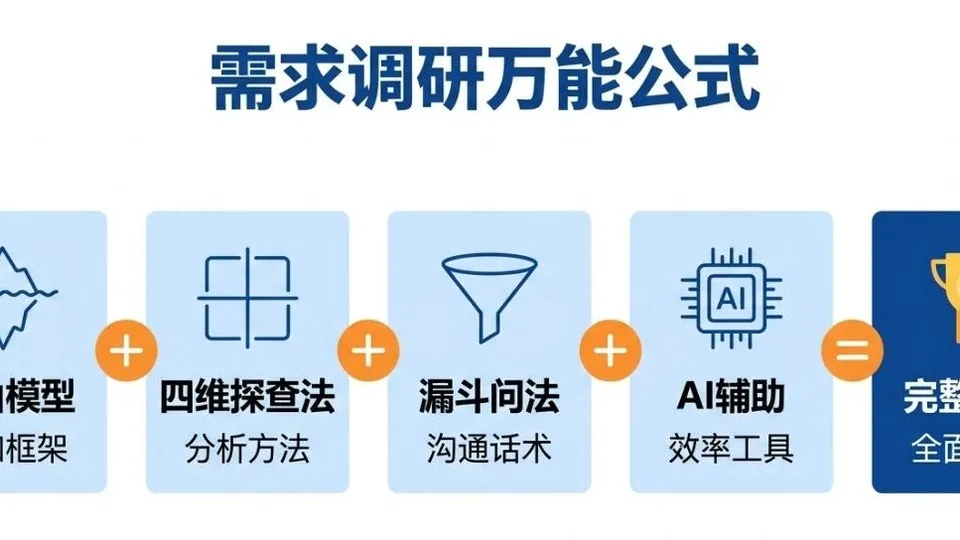
This article shares a step‑by‑step framework for systematically discovering hidden user requirements in rule‑intensive B2B applications, using real‑world case studies, the McGovern iceberg model, four investigative dimensions, and funnel‑style questioning to turn vague requests into concrete, auditable features.
The article analyzes the emerging "skill" trend—encapsulating human expertise as callable modules—and explains how it reshapes product design, turns AI into an autonomous project manager, and forces humans to become structured, API‑like nodes within collaborative systems.
The article recounts six concrete pitfalls encountered while delivering an AI‑native B2B software module in 30 days, from chasing flashy AI features to neglecting compliance, and shows how focused problem definition, robust PRD design, MVP prioritisation, and strict demand validation turned failures into a market‑ready product.
The article explains how traditional product requirement documents must evolve into precise, structured specifications that AI programming agents can execute, detailing a four‑stage workflow, research before coding, protective constraints, measurable acceptance criteria, and platform‑specific best practices backed by recent surveys and industry studies.
In a world where AI hiring pipelines scan resumes at 487 per second and discard 83% within 11.4 seconds, this guide shows product managers how to build a relevance‑first, data‑driven resume using deep project stories, the STAR framework, quantifiable results, and targeted skill showcases to dramatically boost interview conversion.
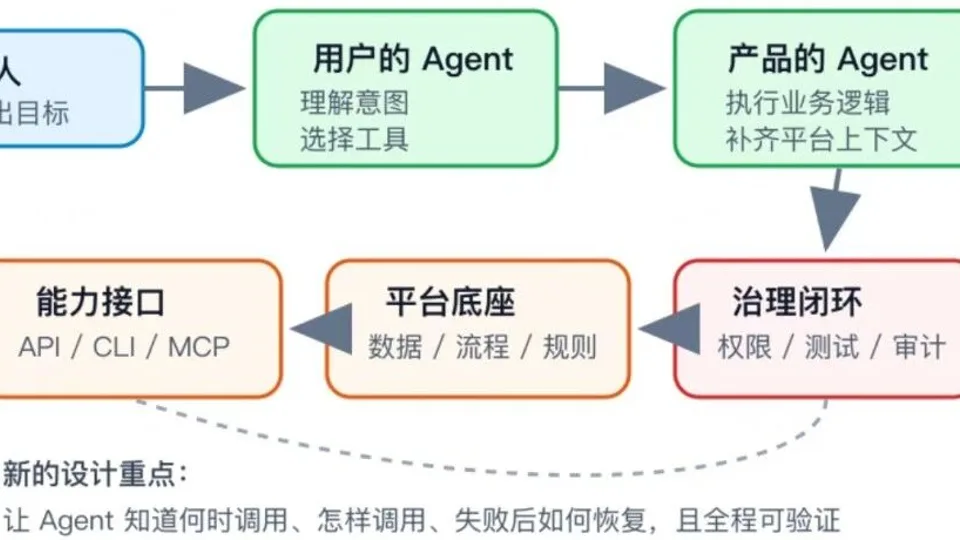
The article examines how AI agents are becoming primary callers of software, outlines the shift from human‑centric UI design to agent‑readable actions, and details Salesforce Headless 360's multi‑mode invocation, semantic layer, lifecycle governance, scenario adaptation, and a five‑step roadmap for building agent‑friendly products.
The article argues that AI has democratized product creation, turning execution into a low‑cost task, but makes taste—the ability to judge what to build, what adds value, what is truly usable, and what users will pay for—the decisive competitive edge, and outlines four concrete discriminative skills AI product managers need to develop.
Jianying’s AI Assistant transforms the tedious, multi‑step video editing workflow into a conversational, near‑instant process—handling batch cuts, material selection, watermark removal, script generation, and voiceover—while highlighting current limitations and the shifting value of content in the AI era.
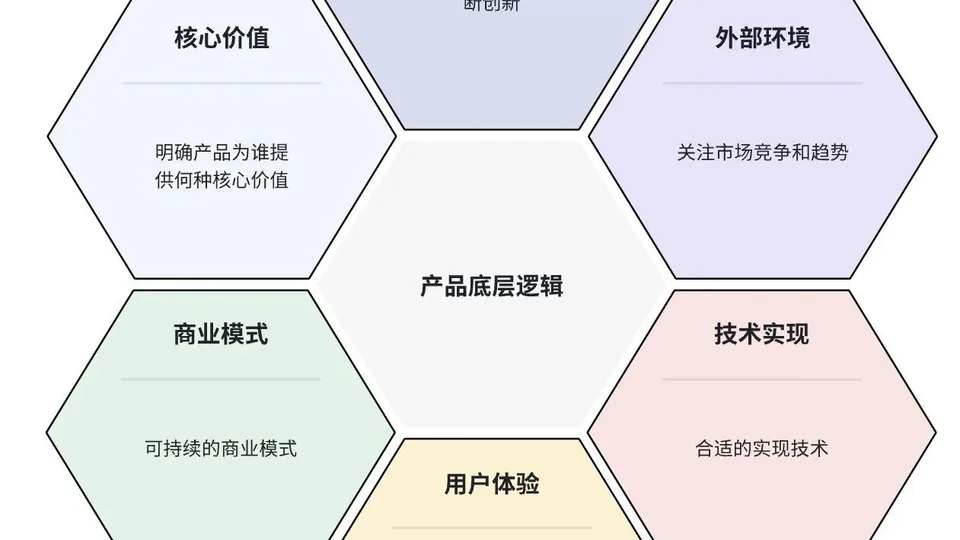
The article outlines a step‑by‑step framework for dissecting a product’s core value, business model, user experience, optimization, innovation, market environment, and technical feasibility, using a browser example to illustrate each analytical dimension.
A former traditional product manager shares how a naive AI feature request exposed his lack of AI knowledge, why learning programming, algorithms, or certificates didn’t help, and the three practical paths—using AI, building an AI feature, and filling essential basics—to successfully become an AI product manager.
In 2026, a leading e‑commerce platform cut A/B test preparation from 3.2 days to 47 minutes, boosted experiment throughput 4.3× and GMV 2.8% by applying a three‑step automation workflow, an intelligent analysis engine with three‑level reasoning, and a three‑tier human‑machine decision guard.
The article explains why many AI product managers struggle with multi‑agent concepts, outlines the three structural bottlenecks a single agent faces, shows how task decomposition and specialized agents improve quality, and provides concrete product‑design decisions—including orchestration, context passing, failure handling, and human‑in‑the‑loop—to determine when multi‑agent architectures are appropriate.