The author recounts a six‑month transition from traditional manufacturing to AI product management, outlining how AI reshapes workflows, the pitfalls of superficial efficiency, and four key transformations that turn a product manager into a workflow architect who defines tools, delegates prompts, and flips the prototype‑first development model.
Analyzing 200 AI product‑manager job ads reveals that 70% of roles don’t require deep AI knowledge, salaries depend more on industry expertise than technical depth, prompt engineering has become a baseline skill, and the most valuable talent are those who can ship end‑to‑end AI products.
The article explains how AI product managers have shifted from creating prototype diagrams to designing continuous evaluation “exams”, using real‑world examples, data‑driven testing, cross‑team collaboration, and iterative error analysis to deliver truly useful AI products.
The article outlines how AI product managers in China must turn uncertainty into deliverable versions by accelerating learning, running cheap experiments, building complete evidence chains, and balancing model capability, cost, latency, compliance, and risk while embedding rigorous verification and rollback processes into daily product decisions.
The article examines the emerging skillification trend—encapsulating human expertise as callable AI skills—explaining how this shift transforms product design from feature collections to ability networks, repositions AI from advisor to task‑orchestrator, and forces humans to become well‑defined, API‑like contributors.
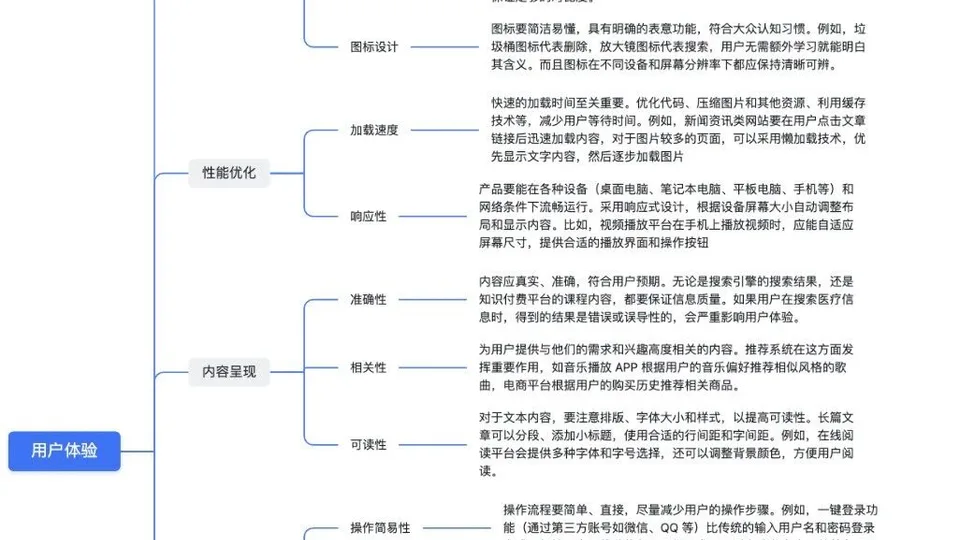
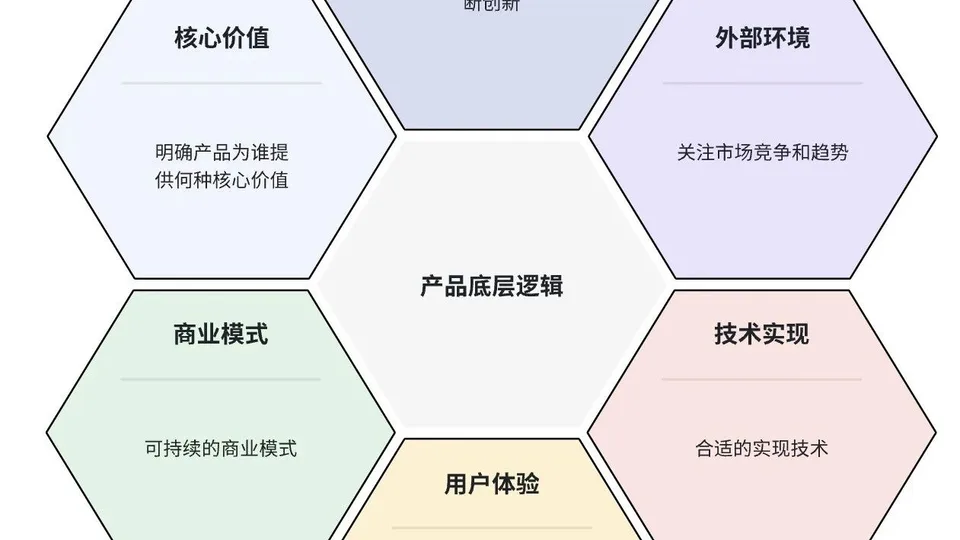
The article outlines a step‑by‑step framework for analyzing an internet product’s underlying logic, core value proposition, business model, user experience, optimization, innovation, and technology feasibility, helping product managers answer strategic questions with concrete examples and market insights.
The article explains how multi‑agent architectures expose three structural bottlenecks of single‑agent designs, outlines concrete product‑design questions—task decomposition, specialist agents, orchestration, failure handling—and shows how AI product managers must shift from dialogue design to full process orchestration to deliver high‑quality results.
A data‑driven study of 200 AI product manager JD listings reveals that 70% of roles don’t require deep AI knowledge, salary ceilings depend on industry expertise, the 3‑5‑year experience band is the toughest competition, Prompt engineering is now a baseline skill, and delivering end‑to‑end AI products is the most scarce capability.
In the AI era, product managers must evolve from traditional liaison roles to AI‑savvy strategists, mastering transformer fundamentals, rapid prototyping with generative tools, and business translation, while rebuilding their skill set across technical knowledge, data thinking, tool mastery, storytelling, sales, and commercial acumen to stand out in a competitive job market.
The article analyzes how the 2026 OpenClaw breakout—an AI agent that can execute tasks on a computer—signals a quiet AI revolution that transforms product managers from chat‑based advisors to autonomous executors, reshapes their daily workflows, and forces a three‑layer shift in skills and strategy.
The article analyzes how the rise of autonomous AI agents is overturning traditional seat‑based SaaS pricing, compares four emerging pricing models, proposes a two‑step decision framework, and illustrates the approach with a cloud‑cost‑optimization case study.
Traditional product tactics like building features first and relying on gradual rollout no longer work for AI agents; instead, AI product managers must adopt a rigorous, scenario‑driven evaluation framework that measures result quality, task completion, tool correctness, and security to ensure trustworthy, business‑critical performance.
This article outlines a step‑by‑step framework for dissecting a product’s core value, business model, user experience, and innovation strategy, using a concrete browser app example to illustrate how to identify market positioning, technical feasibility, and continuous improvement opportunities.
This article analyzes a PM‑centric AI collaboration framework that consolidates scattered knowledge, reduces repetitive interruptions, and enables a single product manager to efficiently support a twenty‑person team by structuring context, optimizing prompt usage, and standardizing workflows across product, engineering, design, and operations.
In 2026, AI‑driven A/B testing platforms became standard, cutting experiment cycles by 63% but raising false‑positive rates to 19.4%, and this article reveals five critical mistakes—from mistaking auto‑traffic split for true randomization to ignoring metric drift and business impact—that can undermine results.
Despite hype, many AI features see rapid drop‑off after launch; this article shows product managers how to avoid building AI for its own sake by rigorously defining scenarios, aligning user needs, assessing risks, and applying a five‑step framework to ensure AI delivers real value and sustained engagement.
The author argues that while AI can automate routine, repeatable product‑manager tasks, it cannot replace core soft‑skill activities such as market analysis, user research, requirement reviews, roadmap planning, project tracking, and high‑quality content creation, urging PMs to strengthen these areas to stay indispensable.
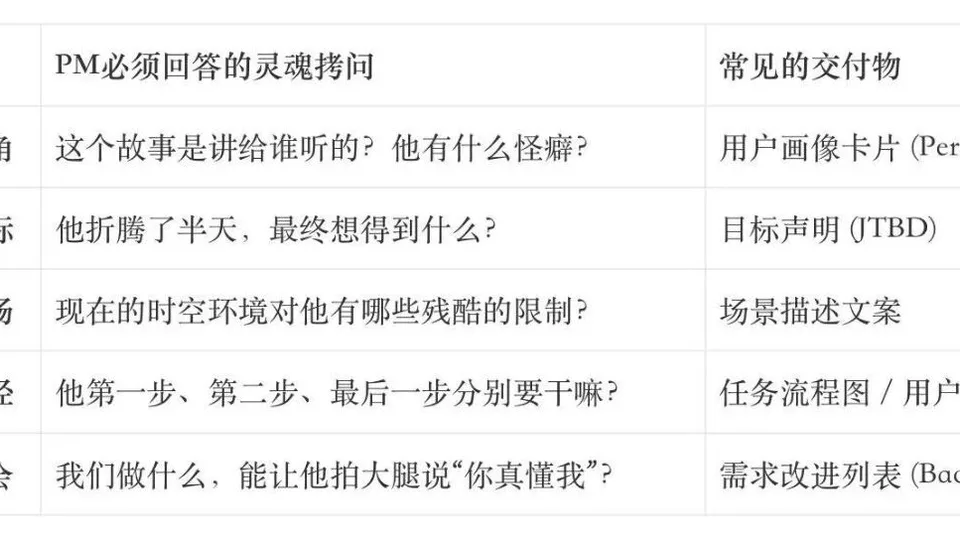
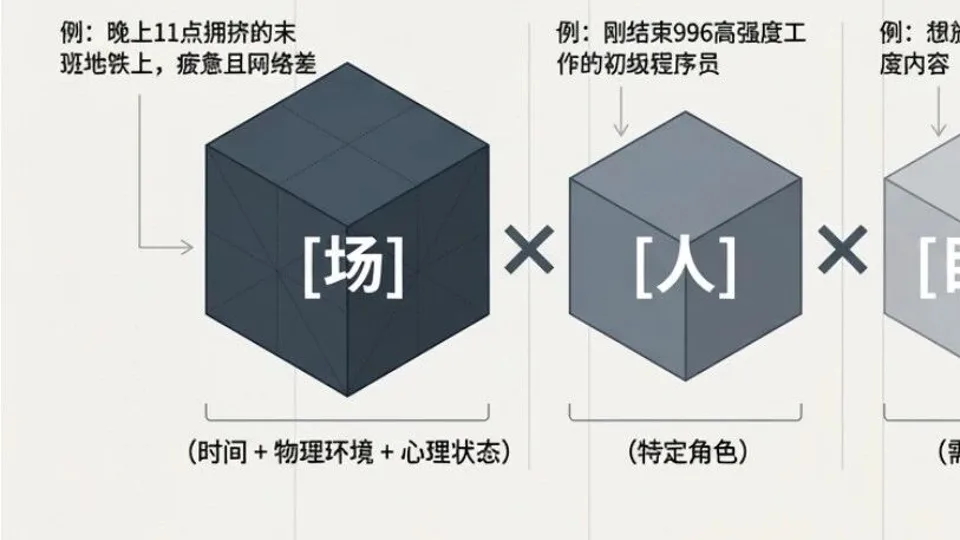
The article recounts a failed AI‑powered feature launch, explains why users care about concrete problem‑solving rather than flashy AI, defines a rigorous scenario formula, outlines a five‑step traditional scenario‑analysis SOP, adds five AI‑specific dimensions, and provides a one‑page canvas to help product managers turn AI hype into real user value.
The article explains how multi‑agent architectures solve three structural bottlenecks of single‑agent AI—context overload, diluted expertise, and hidden failure points—by showing a concrete contract‑review use case and outlining four essential product‑design decisions for AI PMs.
The article examines the conflicting narratives around Vibe Coding, clarifies its true purpose for product managers, and presents a decision framework that distinguishes when rapid prototyping adds value versus when traditional engineering is required, emphasizing the need for deeper business understanding alongside AI tools.