The article explains how AI product managers can silently fall behind when their assumptions about what technology can achieve become outdated, and argues that regularly monitoring major conferences, developer events, official documentation, and academic papers is essential to keep product roadmaps aligned with the rapidly shifting AI capability ceiling.
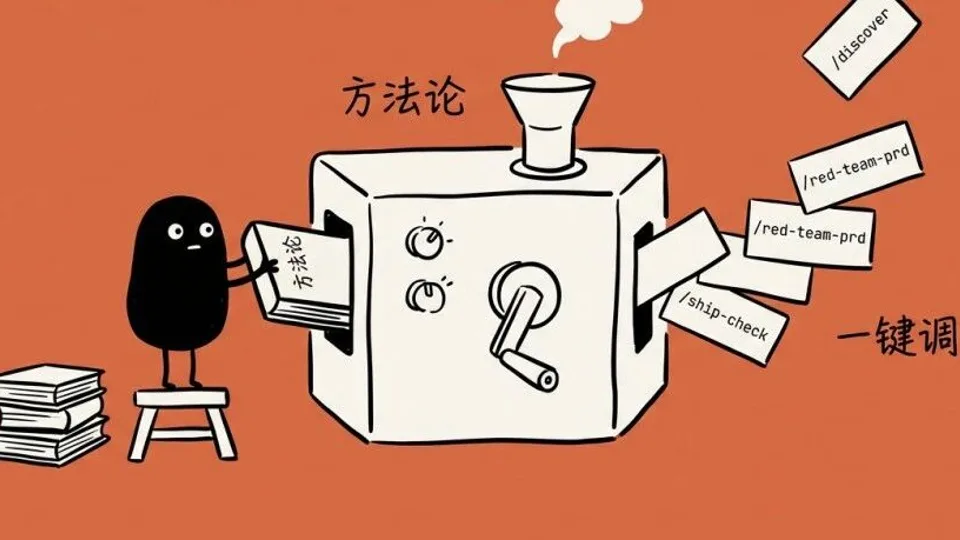
PM Skills is an open‑source AI‑driven marketplace that encodes classic product‑management methodologies into 68 reusable Skills, bundles them into 9 Plugins, and adds new commands like /red-team-prd and an AI Shipping Kit to automate the entire product‑manager workflow from discovery to release, with concrete examples, installation guides, and a balanced look at strengths and limitations.
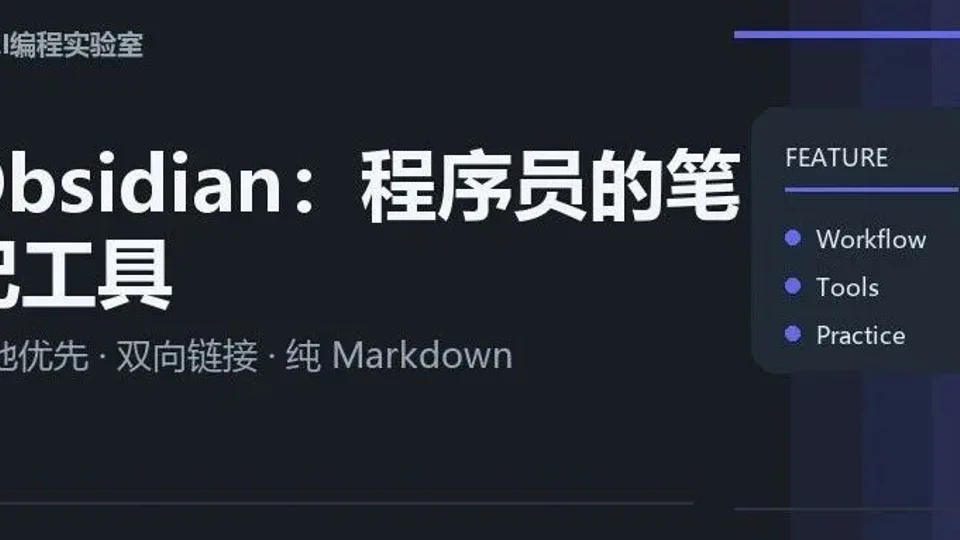
The article recounts a programmer's migration from Notion to Obsidian, detailing how local‑first storage, bidirectional linking, the Dataview plugin, and recent v1.13.0 updates make Obsidian a durable, scriptable knowledge base while also outlining its limitations for real‑time collaboration and rich‑text formatting.
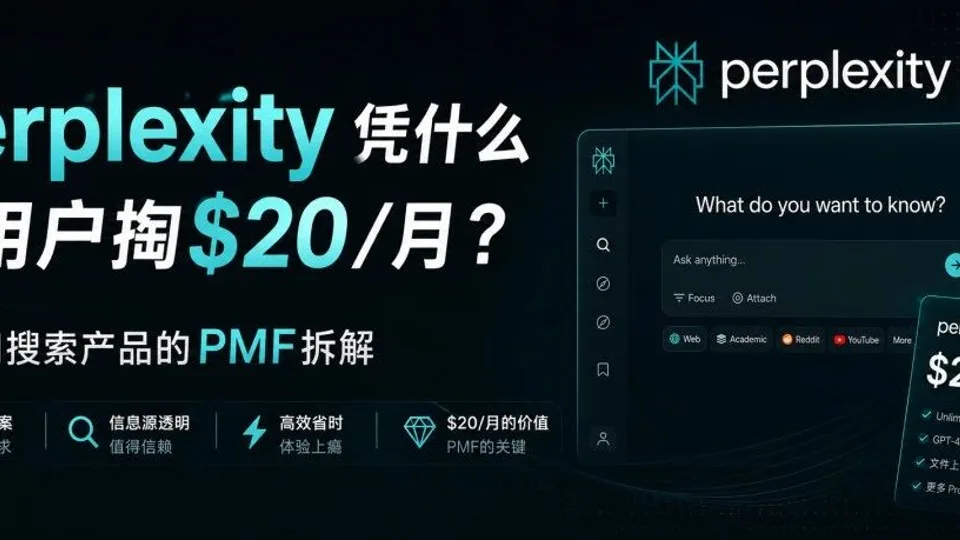
Perplexity charges $20 a month despite free alternatives, generating $2 billion in revenue with a 52‑person team, over 830 k paying users, and a product tier that prioritises citation‑backed, higher‑quality answers for high‑frequency knowledge workers, while navigating competitive pressures and strategic risks.
AI product demos excite customers, but real‑world deployment stalls due to data, workflow, and model issues, prompting AI firms to create the Forward Deployed Engineer (FDE) role that bridges product, engineering, and business to deliver sustainable value.
The article explains that multi‑agent architectures solve three structural bottlenecks of single‑agent AI—context length, mixed expertise, and latency—by narrowing each agent’s scope, and then guides AI product managers through four essential design decisions, from task decomposition to human‑in‑the‑loop handling, to determine when and how to adopt multi‑agents.
Vicinae is an open‑source, C++‑native desktop command panel for macOS and Windows that launches in under a millisecond, offers built‑in functions like app search, clipboard history, file indexing, and supports React/TypeScript Raycast plugins, script commands, and dmenu mode, positioning itself as a fast, extensible alternative to Alfred, Raycast and uTools.
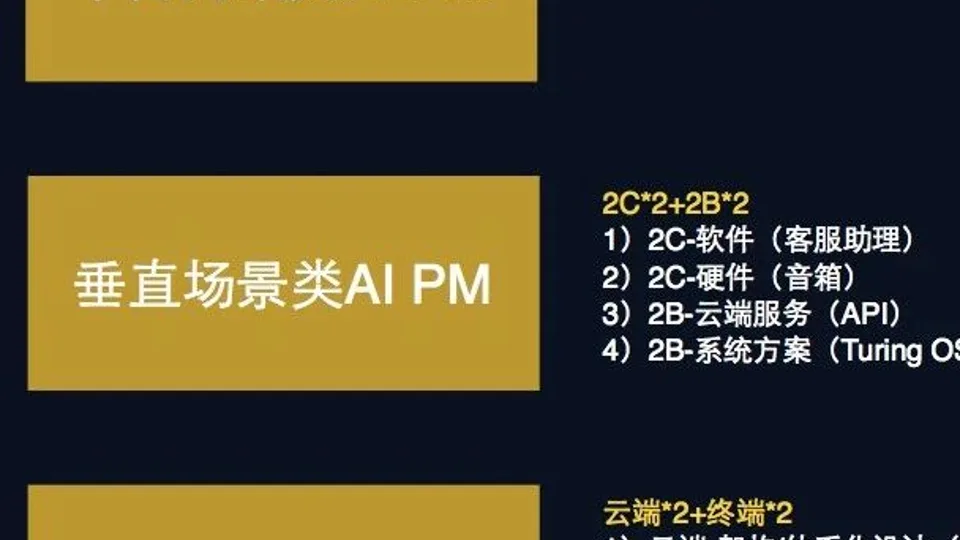
The article outlines the emerging role of AI product managers, explains why a formal knowledge system is still missing, compares their core competencies with traditional internet product managers, and provides a step‑by‑step learning roadmap and battlefield analysis for aspiring AI PMs.
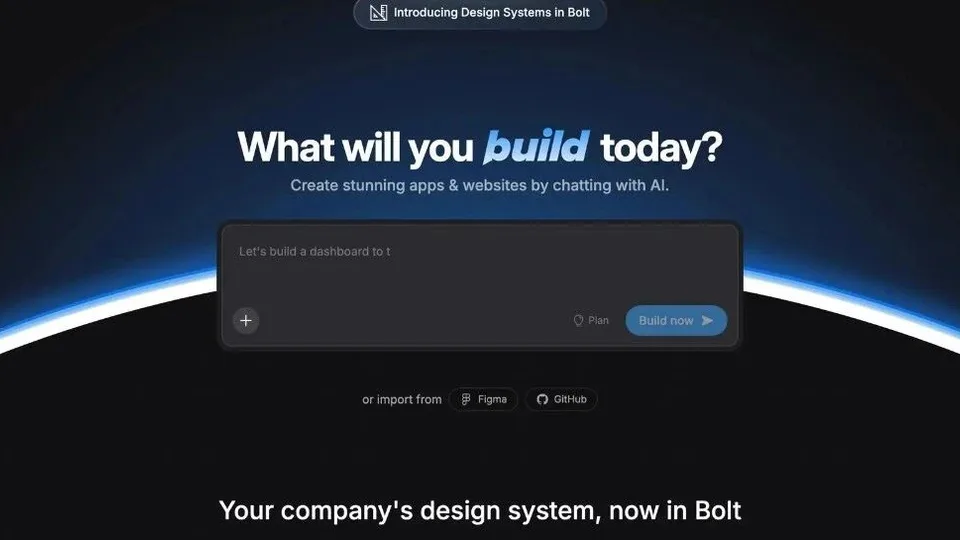
The article explains why product managers struggle to create prototypes, shows how AI tools redefine "prototype" skills, provides a four‑step workflow for zero‑design users, compares four AI prototyping solutions, and answers common questions about usability, code export and designer collaboration.
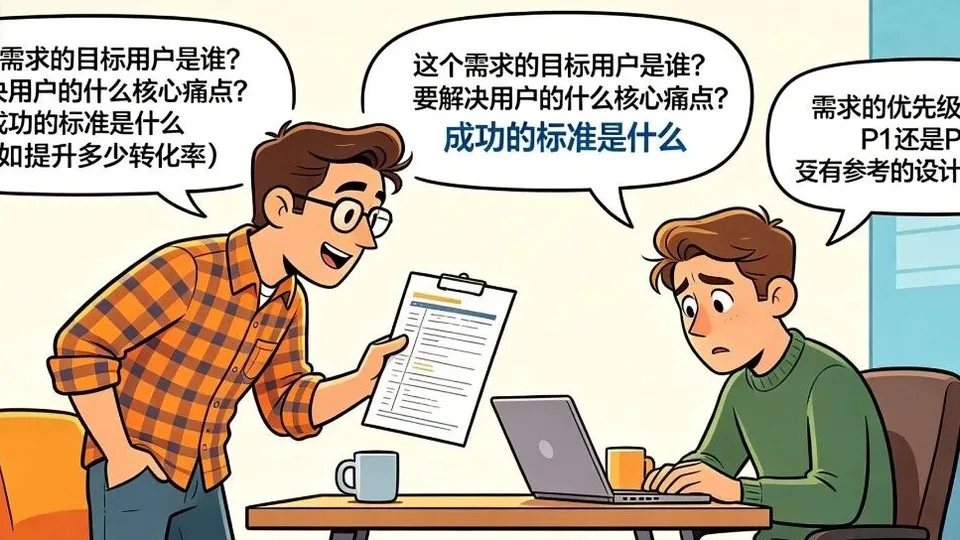
Misunderstandings between developers and product managers often stem from talking past each other, but by clarifying goals, using business language for technical complexity, estimating with concrete breakdowns, assessing change impact promptly, and reviewing issues together, teams can turn collaboration into a strategic advantage.
The article explains how product managers can avoid the perfect‑perfection trap by focusing on the most common user scenarios, using a simple ROI formula, a three‑step decision process, and a practical “freeze” framework that delivers 80% of value with only 60% of the effort.
In the booming AI era, top‑earning AI product managers distinguish themselves by mastering three core capabilities—working backwards from the end goal, moving fast with agile MVPs and benchmarking, and patiently untangling complex, probabilistic systems—each illustrated with real‑world product scenarios.
The article proposes a six‑layer reverse‑engineering framework for AI products, urging analysts to move beyond surface‑level feature lists and examine market trends, user scenarios, product experience, business model, technical architecture, model strategy, and infrastructure to determine long‑term viability.
The article explains why AI product managers must focus on turning AI into problem‑solving products rather than reciting jargon, outlines three development stages—from basic language understanding to retrieval‑augmented generation and autonomous agents—and shares a real‑world customer‑support case that achieved over 80% automation and a 45% boost in efficiency.
The article explains how AI product managers should first dissect business pain points into clearly defined, high‑frequency tasks, evaluate their suitability as AI Skills, and use the TCRT framework to design, scope, and validate these Skills before building reliable, feedback‑driven AI solutions.
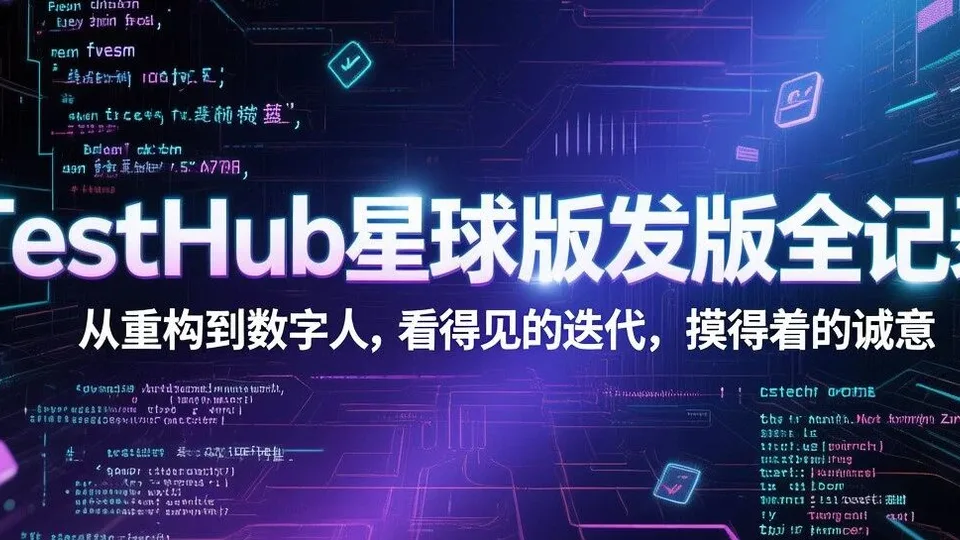
From the initial platform refactor to the V4.0 Hermes digital human, TestHub Planet edition has continuously added concrete capabilities such as a Django upgrade, simplified deployment, AI‑driven test case generation, UI redesign, OCR, extensive automation tools, and a user‑focused development process.
The article explains how everyday workplace interactions can be modeled with principal‑agent theory and Bayesian updating, showing how to infer a manager’s hidden intentions from explicit and implicit signals, illustrated by a product‑manager case study and practical guidelines for building priors, handling noise, and avoiding bias.
The article shows how the open‑source Feishu CLI, now integrated with Claude Code, lets users generate editable whiteboard diagrams, mind maps, cheat‑sheets, UI mockups and PPT slides directly inside Feishu documents using simple commands, streamlining documentation and collaboration for product managers, architects and developers.
The playbook breaks the startup journey into four stages—idea, MVP, launch, and scale—detailing what to do, common pitfalls, and how Anthropic’s Claude (Chat, Cowork, Code) can be applied at each stage to compress cycles, improve decision‑making, and turn founders into AI‑augmented product leaders.
Anthropic’s 36‑page AI‑native founders playbook breaks the startup journey into idea, prototype, launch, and scale phases, detailing research‑driven validation, Claude Code‑powered development, automated testing, growth‑engine creation, and organizational scaling while warning of common pitfalls.