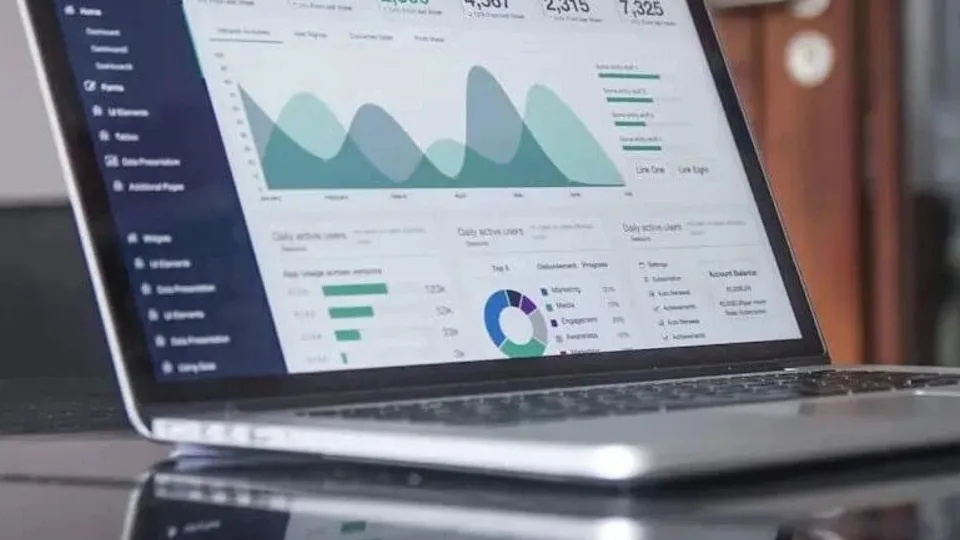
The article examines how 2026’s new A/B testing automation paradigm—combining dynamic traffic allocation, real‑time causal modeling, metric‑autonomy systems, and built‑in privacy compliance—dramatically shortens experiment cycles, boosts statistical power, and transforms experimentation from a manual chore into a scalable, trustworthy decision engine.
The article details a mid‑size SaaS growth team’s transformation from manual, experience‑driven A/B testing to a fully automated, auditable end‑to‑end decision flow, describing the pitfalls of pseudo‑automation, a three‑layer automation engine, and cultural shifts that boosted experiment adoption from 41% to 89% and cut decision latency from 3.7 days to 4.2 hours.
This guide lists six open‑source AI skills that help product managers turn vague ideas into concrete designs, write structured PRDs, break requirements into executable plans, set up rigorous A/B experiments, implement analytics tracking, and optimize new‑user onboarding, each with install commands and usage examples.
The author recounts a recent AI product‑manager interview, analyzes the evolving AI landscape, categorises three types of professionals, and distils the core competencies—market foresight, product positioning, and end‑to‑end ownership—required for AI product managers to thrive in the coming years.
The article analyzes how traditional project kick‑off meetings cause silent information loss, proposes the PRD Agent as a single source of truth that anchors all documentation, automates mechanical tasks with AI, creates reusable expert skills, and ensures every AI‑generated answer is fully traceable, dramatically improving collaboration efficiency.
The open‑source pm‑skills marketplace encodes classic product‑management frameworks into AI‑driven workflows, offering a chainable skill/command/plugin system that guides product discovery, strategy, execution, and launch, while providing community metrics, detailed use‑case walkthroughs, a competitive comparison, and step‑by‑step installation instructions.
The article breaks down a product manager’s workflow, defines "efficiency optimization," compares human versus AI replaceability, and provides step‑by‑step AI‑assisted techniques—from research and documentation to competitor analysis and validation—showing how to save hours while maintaining quality.
The article examines how reliance on generative AI tools boosts product managers' efficiency but erodes essential skills such as independent user insight, structured thinking, judgment, and differentiation, citing research from MIT and Microsoft‑CMU, and offers practical habits to preserve critical thinking while still leveraging AI.
The article explains how multi‑agent architectures reshape AI product management by exposing structural bottlenecks of single agents, outlines when and how to decompose tasks, and provides concrete design decisions—including orchestration, context passing, failure handling, and human‑in‑the‑loop—to build reliable, high‑quality AI products.
IntelliJ IDEA 2026.1 introduces the open ACP protocol for AI agents, native Git worktree support, direct database querying by agents, enhanced code completion without quota limits, Spring runtime insights, and brings many WebStorm capabilities into the free Community edition.
Anthropic’s product manager Cat Wu shows that rapid AI model advances force a shift from long‑term roadmaps to short‑cycle planning, prototype‑first development, continual re‑evaluation of features, and minimal viable solutions, demanding PMs to abandon perfectionism and focus on decisive, judgment‑driven work.
In the AI era, product managers waste about 2.5 hours daily sifting through endless reports, but by using advanced AI tools to deconstruct and reassemble content, they can cut reading time to 30 minutes, boost efficiency tenfold, and focus on strategic thinking.
GPT‑5.4 shifts AI from a conversational assistant to an executor that can control a computer, handle a million‑token context, and work inside Excel, offering product managers new automation scenarios while exposing token‑digestion limits, coding trade‑offs, reliability concerns, and higher pricing that must be carefully evaluated.
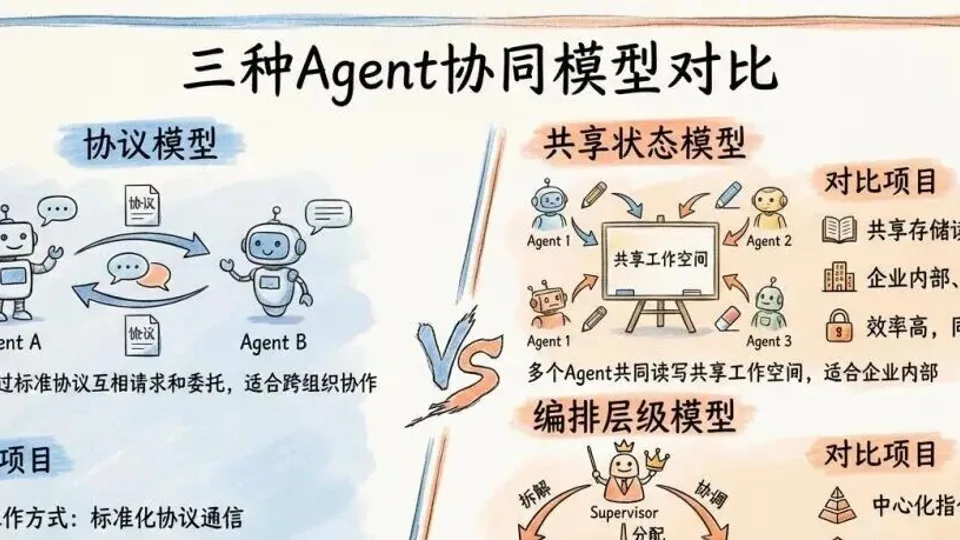
After a client demo revealed that using Slack chats to coordinate three AI agents cannot scale to dozens, the author argues that instant‑messaging is only a gateway, proposes a four‑layer ICSE architecture (Intent‑Control‑Service‑Event), outlines governance policies, and maps new product opportunities for PMs in the multi‑agent era.
The article explains why the /office-hours skill should be used before any implementation, detailing how it forces clear problem definition, challenges premises, generates concrete alternatives, and produces a design document that guides subsequent planning and development stages.
The article analyses why using instant‑messaging groups to orchestrate multiple AI agents cannot scale to dozens or hundreds of agents, proposes a four‑layer ICSE architecture, compares three agent‑to‑agent communication models, and outlines the new governance, design, and roadmap responsibilities that product managers will need to master.
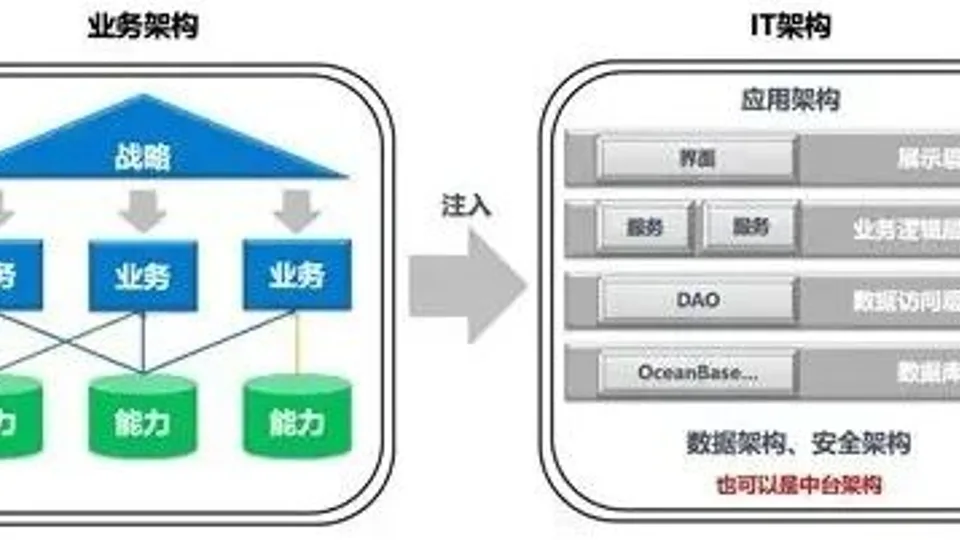
The article explains why IT and business often operate in silos, then outlines four concrete steps—flattening mutual understanding, forming an integrated product team, establishing incentive systems, and adopting service‑oriented architecture—to improve collaboration, with a practical data‑integration tool recommendation for smoother data alignment.
This article walks through a real‑world AI‑driven image generation system for cross‑border e‑commerce, detailing business pain points, stakeholder analysis, technical selection, MVP scope, architecture decisions, metric funnels, gray‑release strategy, and continuous evolution that cut per‑image cost to under ¥0.5 and delivery time to one minute.
The article outlines practical guidelines for product teams on when to begin AI‑assisted prototyping, covering three "don't" and three "must" principles, a four‑dimensional tool selection method, a three‑stage AI workflow, and why product managers remain essential, backed by real‑world case studies and metrics.
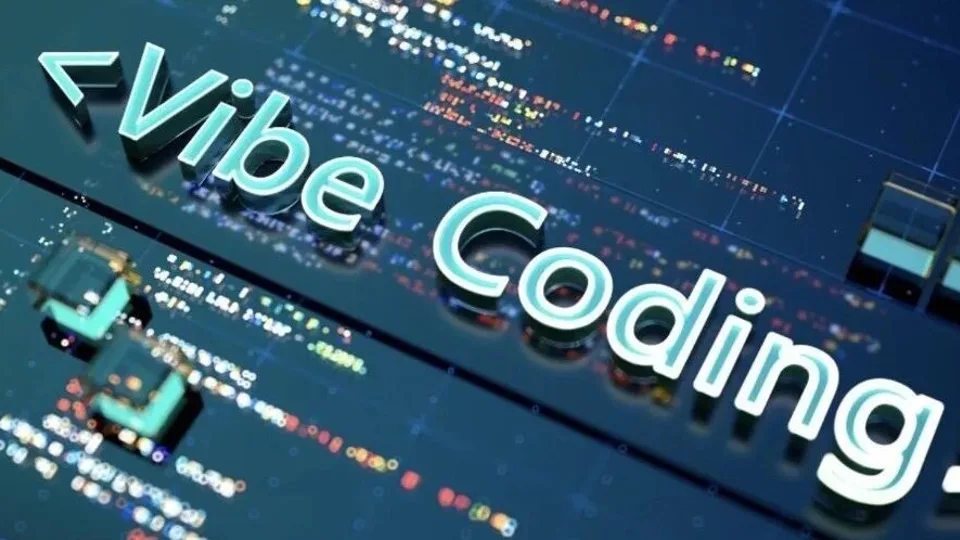
In a 47‑minute weekend experiment, a product manager uses DeepSeek to craft precise prompts, generates a Flask‑based Yin‑Yang‑Shi‑style game with Vibe Coding, troubleshoots runtime errors through AI‑guided debugging, and delivers a functional demo that developers deem ready for further development.