The article explains that true P0 (urgent) requests should be extremely rare, serving only to pre‑empt ongoing work, describes how they typically originate from CEOs or CTOs, outlines the author’s execution approach, contrasts P0 with P1 priorities, and shares interview insights on judging project importance, including growth, brand, UX, and cost factors.
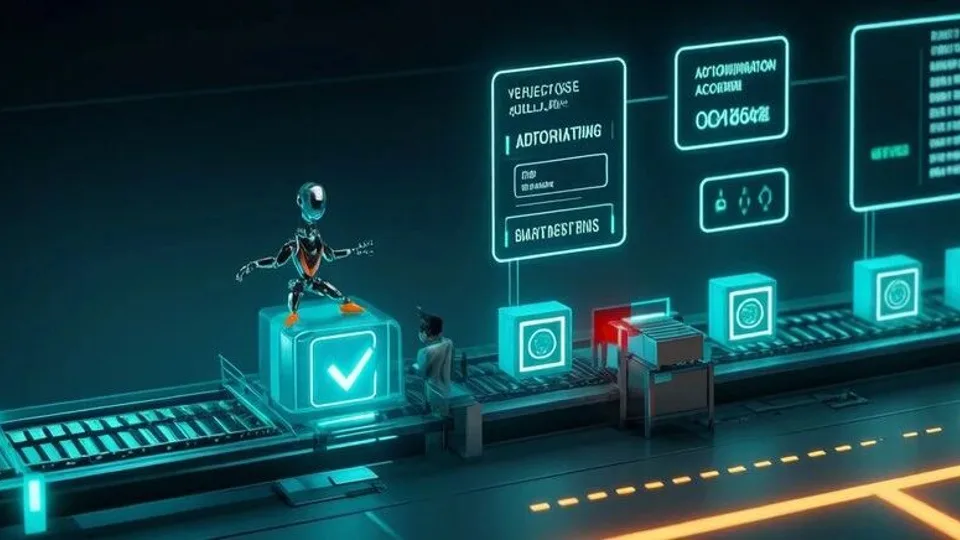
A team used Codex‑style AI coding tools to build a customer‑service agent system, launched it quickly, but the AI‑generated code created tangled architecture, performance bottlenecks, and maintenance chaos, highlighting the need for human oversight and solid engineering practices.
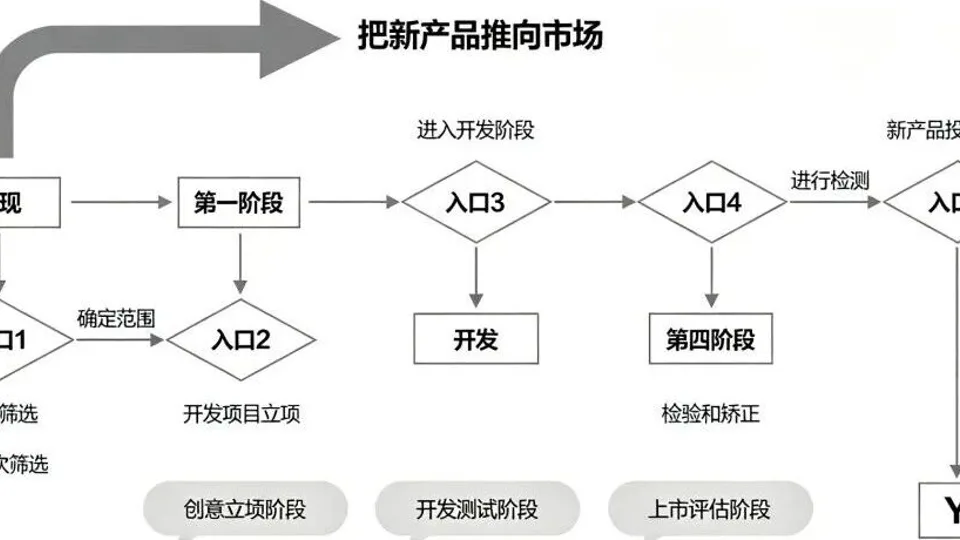
The article explains the Stage‑Gate System (SGS) and its IPD‑based implementation, detailing its core concepts, the distinction between "doing the right project" and "doing the project right", and the four foundational ideas that make the process flexible, reusable, and structured for effective product development.
This article provides a detailed walkthrough of every official Superpowers skill—including identifiers, trigger rules, applicable scenarios, execution logic, and manual commands—and demonstrates how to combine these skills in multiple real‑world development workflows such as new feature delivery, urgent bug fixes, parallel task development, PR review remediation, core code refactoring, and multi‑demand parallel development.
The interview with Fiona Fung reveals how Anthropic’s Claude Code boosted engineer output eight‑fold, reshaped coding from a bottleneck to a ubiquitous skill, and forced teams to rethink verification, agency, accountability, and the loneliness that arises when working alongside AI agents.
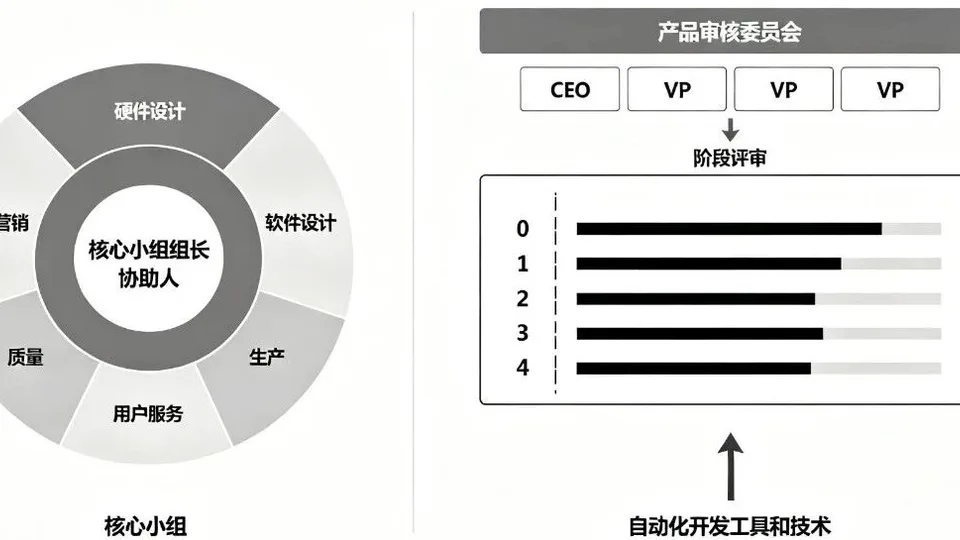
The article explains PACE—Product and Cycle‑time Excellence—originating from PRTM in 1986, outlines its seven core principles, details its seven‑factor system of four project‑level and three cross‑project elements, and shows how the framework guides structured, collaborative product development within IPD.
The article explains why merely citing SOTA performance is insufficient when reviewers say a method merely stitches existing techniques together, and provides a structured rebuttal template that highlights core innovation, deep module coupling, and concrete problem‑solving contributions.
The article argues that leaders care more about a team member's reliability than the exact delivery time, and outlines a practical pre‑during‑post framework to build trust, communicate risks, and continuously improve task execution.
The article explains that moving from programmer to architect requires shifting focus from isolated code elegance to system‑wide thinking, mastering trade‑offs, learning from production incidents, broadening technical breadth, and communicating designs in business terms, offering a step‑by‑step roadmap for the transition.
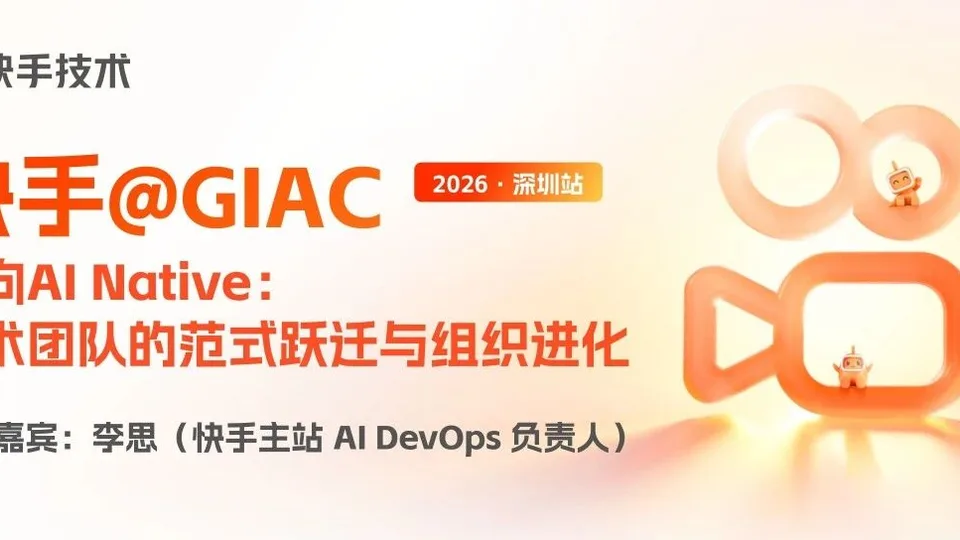
The talk reveals why, despite 89% of firms deploying AI, overall productivity only rose 0.29%, and explains Kuaishou's three‑layer AI‑native paradigm (L1‑L3), the hidden frictions between humans and AI, and the three‑tier restructuring of information, processes, and organization needed to turn AI capability into real engineering efficiency.
The article explains a professional approach to handling vague or low‑impact requests from senior leaders by providing clear upfront assessments, timely feedback during execution, and post‑completion reflections to build trust and avoid silent missteps.
The article examines a real auto‑sign project where a large model directly edited code, bypassing the intended OpenSpec‑based workflow, and argues that while AI can produce usable first drafts, developers still provide essential value through boundary setting, acceptance arbitration, source truth maintenance, organizational memory, and workload reduction decisions.
The article outlines common reviewer criticism about lack of novelty, explains why generic responses fail, and provides a structured three‑point rebuttal framework—differences in motivation, implementation, and impact—to clearly demonstrate a paper’s unique contributions.
The article flips the usual learning direction, using LLM Agent workflows—clear goals, role division, structured prompts, verification, dynamic routing, and rapid feedback—to expose hidden management truths, reduce information loss, and turn team processes into programmable, low‑entropy systems.
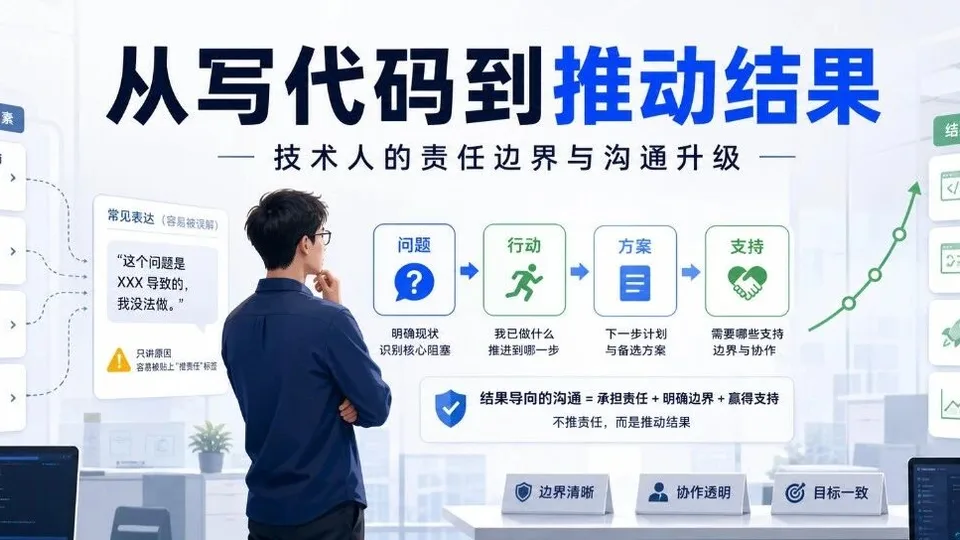
The author reflects on a boss’s accusation of shirking responsibility, discovers the gap between technical and managerial communication, and shares concrete frameworks and pitfalls to transform blame‑focused explanations into result‑driven updates that boost influence and career growth.
When a manager constantly piles work onto you, you can regain control by building an Excel task queue, delivering each task without leftovers, and evaluating each assignment from a growth perspective, ensuring quality, clarity, and career development.
A newly appointed leader identifies the symptoms of a fragmented software team, wins a few hard‑fought projects, restructures the core system, rewards key contributors, and adopts a front‑line leadership style to restore morale and deliver results.
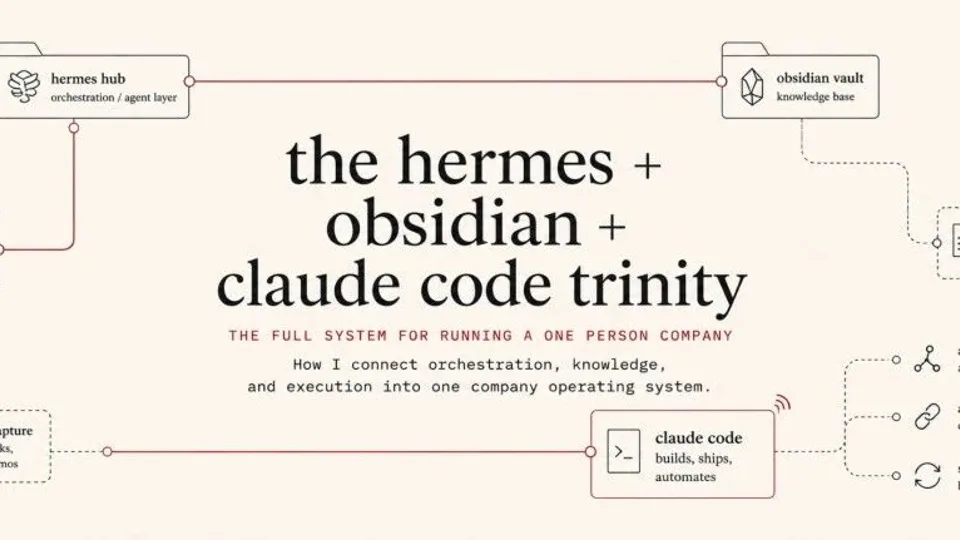
This article details a three-layer AI-powered system for solo entrepreneurs: Obsidian captures raw knowledge, Claude Code processes it into structured insights and drafts, and Hermes Agent autonomously executes repetitive tasks while learning from each run, together eliminating manual search and reducing operational burden.
The article examines the deep uncertainties, heavy psychological pressure, and non‑linear outcomes that make programmers reluctant to become managers, illustrating the challenges with real‑world examples, performance‑grade authority, mental‑health data, and the amplified expectations from senior leadership.
As AI coding tools like Codex, Cursor, and Claude become commonplace, teams face issues such as vague prompts, uncontrolled changes, and loss of context, which the Spec‑Driven Development (SDD) workflow addresses by structuring specifications, skills, agents, and hooks to guide AI reliably.