Over two years I promoted a junior developer to mid‑level, raised his salary, and increased his bonus after he consistently delivered clean DDD‑styled code, handled simple tasks flawlessly, proactively addressed third‑party integration challenges, and demonstrated the ability to take on greater responsibility, illustrating the true criteria leaders use for advancement.
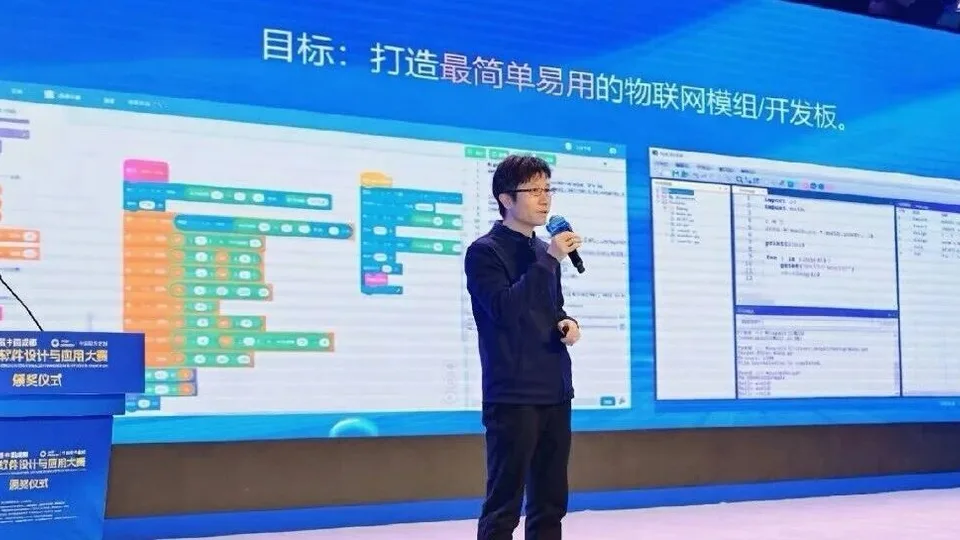
The article details the challenges of the legacy Py4OH‑1.0 toolchain for OpenHarmony, explains how Huawei Cloud CodeArts (Py4OH) was used to completely refactor the project with spec‑driven development, AI‑assisted code generation, automated review, and secure, cross‑platform deployment, dramatically reducing code size and development friction.
This article analyzes three common mistakes companies make when copying Huawei's organizational models—Iron Triangle, matrix management, and large-platform/small-frontend—explaining the missing prerequisites like backend support, clear accountability, and digital platforms, and provides tailored org-design guidance for small, mid-size, and large enterprises.
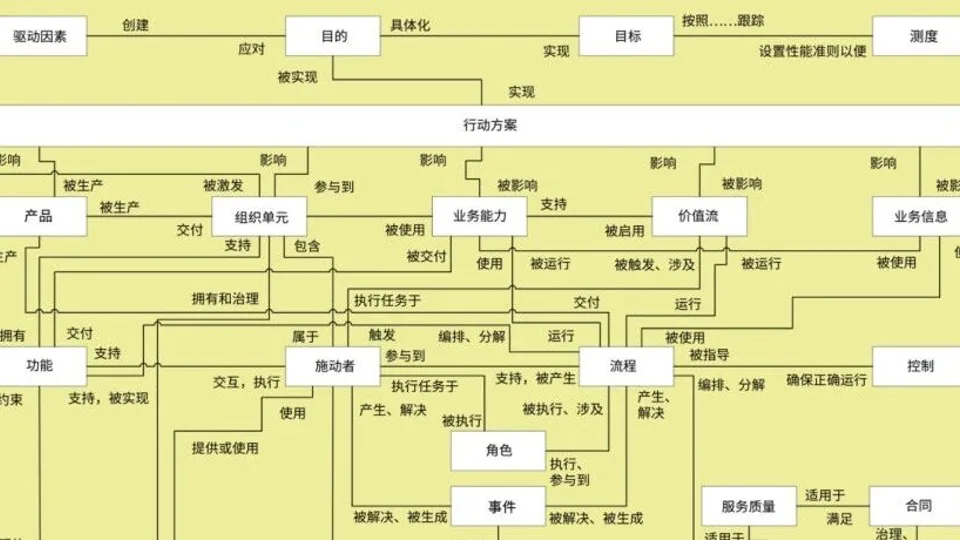
This article distinguishes business capabilities (what an enterprise can do) from business processes (how work gets done) using TOGAF 10's metamodel, showing capabilities as stable abstractions while processes operationalize them in variable workflows.
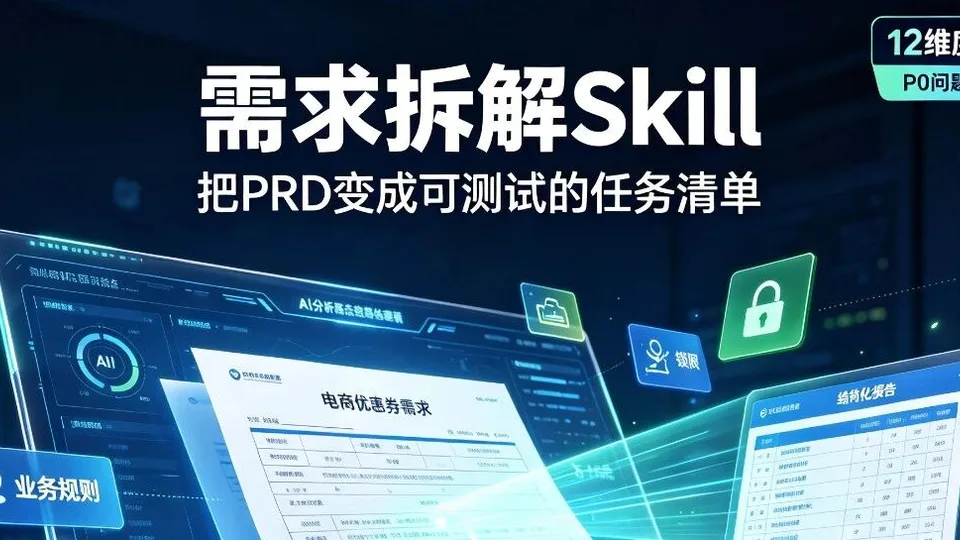
The Requirement‑Decomposition skill transforms vague PRDs into a 12‑dimension, structured analysis that automatically highlights concurrency, boundary, and permission risks, generates ready‑to‑use test‑case reports, and enforces four safety red‑lines to keep testing effort accurate and reusable.
The article explains why reviewers criticize a lack of related‑work discussion, shows why a simple promise to add citations is inadequate, and provides a structured rebuttal template that categorizes prior work, clarifies its relation to the paper, and highlights the novel contribution.
The article explains why technology selection is a daily, critical task for architects, outlines common scenarios such as choosing languages, databases, caches, and messaging systems, presents a step‑by‑step decision‑making process with criteria, weighting, scoring tables, highlights typical pitfalls, and offers practical guidelines to make informed, demand‑driven choices.
The article explains why vague limitation statements fail in rebuttals, shows common weak replies, and provides a concrete three‑part framework—detailing ability boundaries, potential risks, and future work—to craft specific, persuasive responses to reviewers.
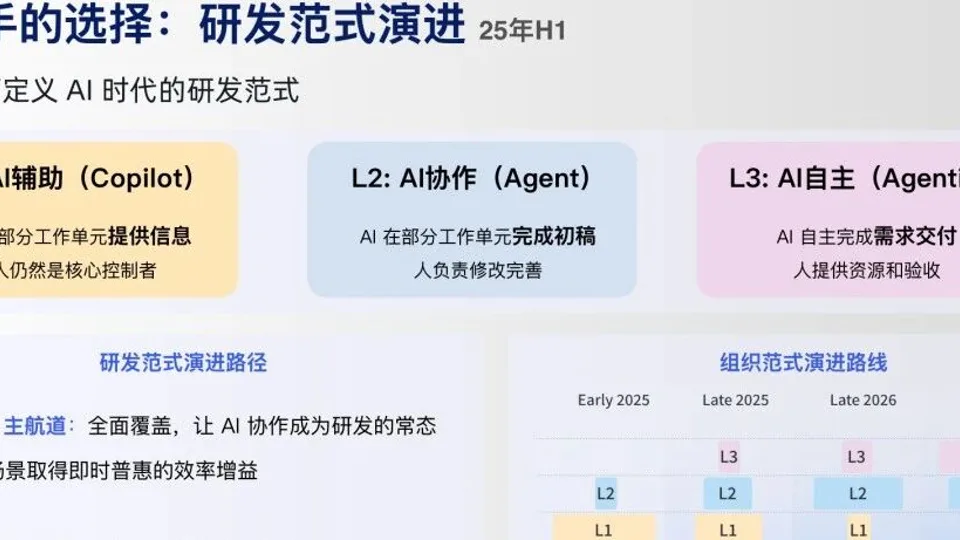
Kuaishou’s over‑thousand‑engineer team discovered that merely adding AI tools boosted individual coding speed but left overall delivery cycles unchanged, prompting a three‑level AI‑native redesign (L1‑assist, L2‑collaborate, L3‑autonomous), new metrics, and a restructuring of information, workflow, and organization to truly capture AI’s productivity potential.
A manager explains the performance review process, why results are rarely changed after publication, how adjustments are made with the CTO, and offers concrete advice on asking the right questions, setting specific goals, and maintaining continuous feedback throughout the year.
The article uses a classic story of a diligent developer who over‑designed a system to illustrate the dangers of excessive architecture, then outlines agile principles such as YAGNI, KISS, MVP, just‑in‑time design, evolutionary practices, technical‑debt management, and a decision checklist to help teams build just‑enough, maintainable solutions.
The article explains why simply citing strong experimental results does not satisfy reviewers who question a method's theoretical justification, and provides a structured rebuttal strategy that clarifies core mechanisms, underlying assumptions, and the method's applicability limits.
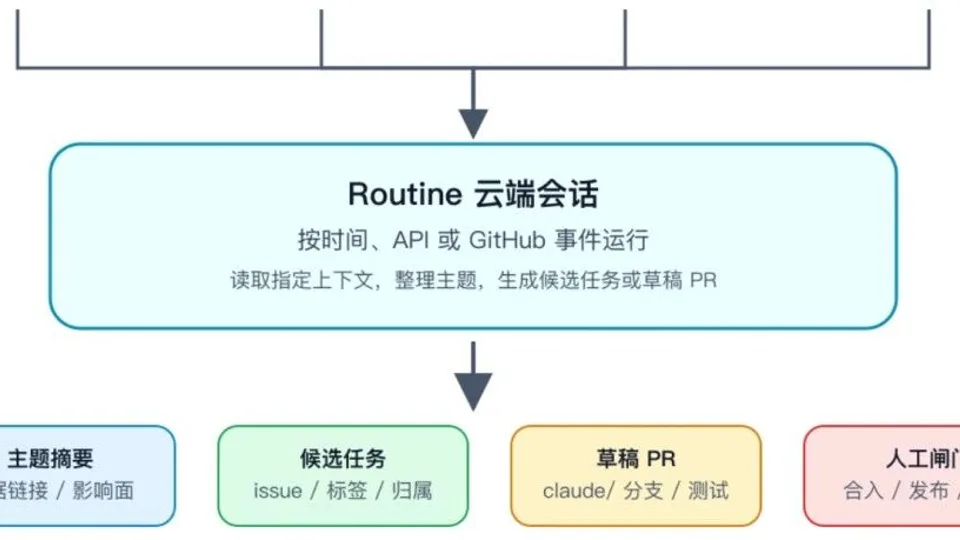
Anthropic’s Claude Code team reports an eight‑fold increase in engineer code output, but the article explains that the real shift is from writing code to verification, with specs stored in repos, routines that merge feedback, PRs and metrics, a bad/sad quality taxonomy, six concrete interfaces, and new challenges around context switching, accountability and role boundaries.
The article walks through several code‑review approaches I’ve experienced, detailing a rigorous merge‑request workflow with mandatory comment resolution, alternative informal methods, and practical advice on aligning technical proposals and focusing reviews on core modules.
The article analyses the rise of Vibe Coding, its hidden entropy costs for teams, and proposes Spec‑Driven Development (SDD) as a deterministic, context‑engineered alternative, detailing its philosophy, lifecycle, tooling ecosystem, practical adoption steps, and metrics for measuring engineering productivity.
The article compares the roles of system analyst and architecture designer, detailing their distinct responsibilities in a large‑scale banking loan system, required skills, exam focus, ideal candidate profiles, and career trajectories to help professionals choose the right path.
The article explains why simply restating a paper’s motivation is ineffective against reviewer doubts about unclear motivation and insufficient importance, and provides a concrete three‑step response framework—illustrating the problem’s real‑world scenario, the cost of ignoring it, and how the proposed method directly addresses the issue.
The article argues that you can’t judge your suitability for management through tests or advice alone; only real leadership experience—such as owning projects, guiding newcomers, or handling cross‑team collaborations—reveals whether you have the necessary leadership and horizontal capabilities.
The article explains how a scenario view—acting as the dynamic "+1" in the 4+1 model—uses use‑case‑plus‑context scenarios to validate architecture, improve communication, guide testing, prioritize key business flows, and drive development through BDD and test case generation.
This guide outlines a universal four‑step communication framework, detailed stakeholder‑specific tactics, conflict‑resolution methods, and concrete deliverables to help IT project leaders communicate effectively with executives, team members, peers, external partners, and customers.