Tmall's digital employee embeds an AI agent into DingTalk groups to share a single requirement context across product, dev, and test roles, cutting collaboration friction — information loss, wait times, search costs — and codifying tacit knowledge into a reusable context layer that enables three evolutionary stages from process sync to AI-led async collaboration.
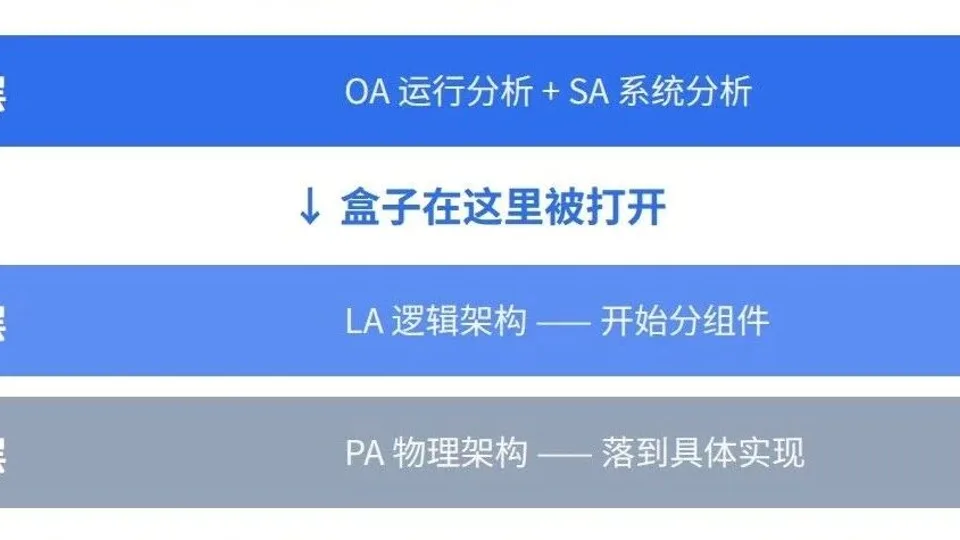
This article presents a six-step methodology for creating system concept documents based on the Arcadia framework, distinguishing concepts from requirements and architecture through operational analysis, boundary definition, black-box capabilities, trade studies, and baseline freezing with concrete automotive examples.
Segment consolidated over 140 microservices into a monolith to reduce change fan-out and operational burden, while Prime Video moved video frame processing in-memory to eliminate 14.4 million hourly object storage handoffs; both cases show service boundaries must justify their cost in coordination, data transfer, and failure isolation.
Alibaba Cloud's communication team shares their evolution from AI coding to a full-chain digital twin pipeline, using standardized 9-stage workflows, independent agent workspaces, risk-based safety gates, and post-delivery audit loops to achieve 66.7% end-to-end delivery rates for simple demands while progressively expanding agent capabilities.
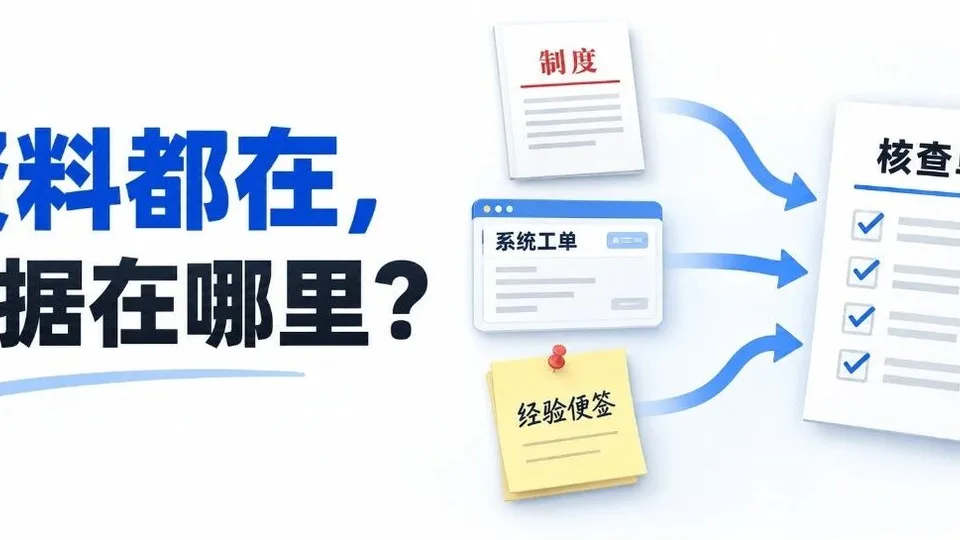
The article describes a methodology for organizing maintenance knowledge by starting from a specific work order, distinguishing regulatory requirements, system records, and expert experience, preserving provenance with W3C PROV, building a judgment basis checklist, modeling with OPM, and validating with independent work orders to ensure traceable, gap-aware knowledge for AI assistants.
This article argues that in the AI era, software engineers must shift from code output to system thinking, stop vanity metrics, invest in nine compounding capabilities, and adopt a seven-step AI-native engineering loop where humans steer problem definition, architecture, specification, verification, and accountability while AI handles implementation.
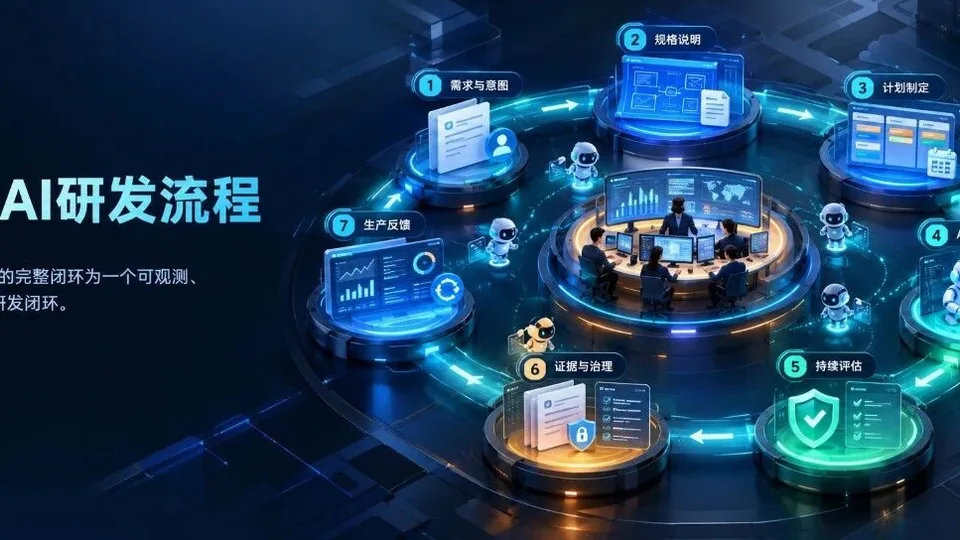
HuoLaLa shares how 1,000+ engineers moved from fragmented AI tool usage to a standardized, measurable AI-assisted development pipeline across three phases — popularization, spec-driven workflows, and AI-native closed loops — with concrete metrics like AI code ratio, full-chain trace, and FPY, plus three key pitfalls and organizational changes.
This article explains why technically skilled engineers often fail to advance, identifying three key gaps: treating technology as an end rather than a business tool, executing tasks without strategic foresight, and neglecting upward communication to align work with organizational goals.
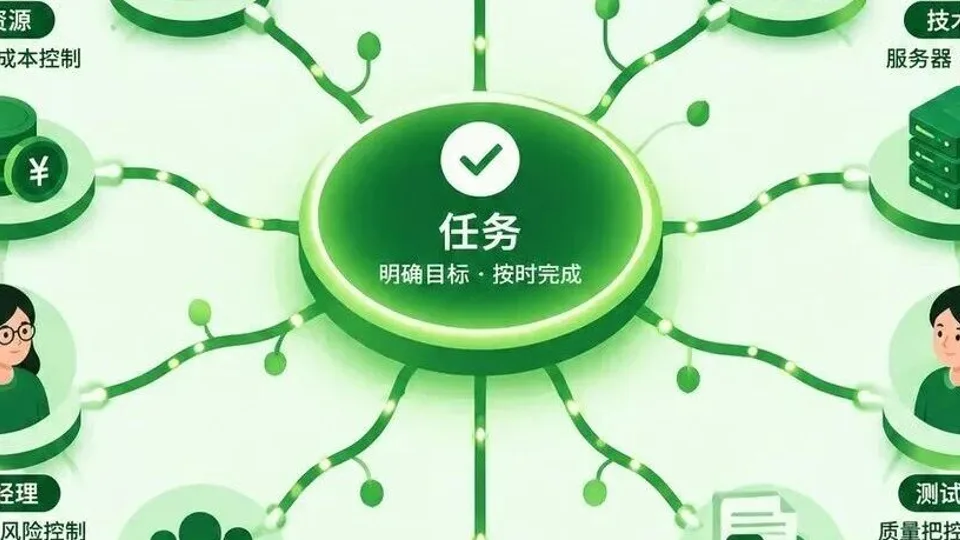
This article analyzes why platforms like Meituan, Beike, and Haier only partially solve organizational accountability, and proposes a Task-Driven Accountability Network (TAN) where customer problems trigger tasks, named individuals hold authority and responsibility, and shared rules connect tasks so changes don't become unowned consequences.
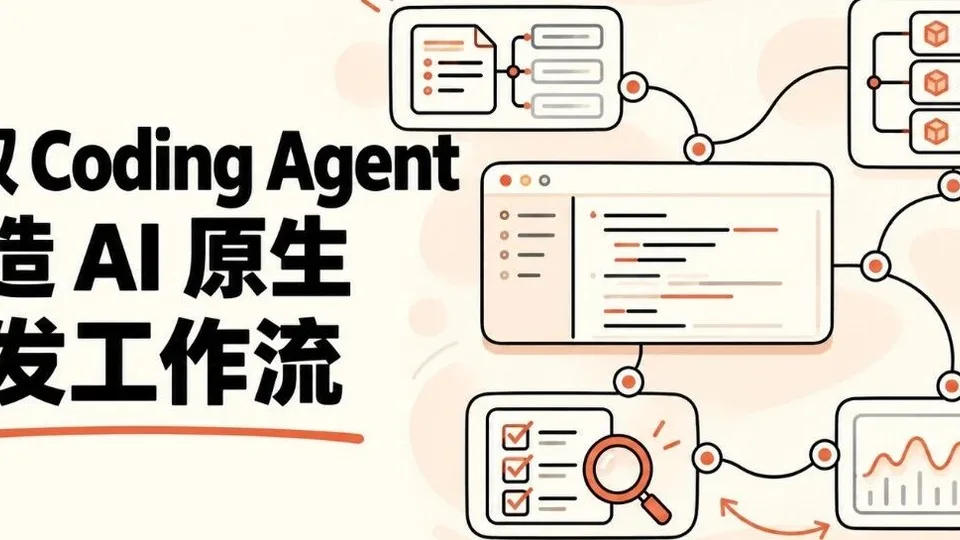
This article outlines a structured approach to effectively using coding agents, emphasizing architecture-first decisions, specification and context engineering over prompt engineering, a five-element task delegation model (Goal, Scope, Context, Constraints, Done), the shift from assistant to autonomous agent, and rigorous verification, testing, and observability as essential guardrails.
This article details the six core artifacts of AI-Native SDLC—Intent, Spec, Plan, Task, Eval, and Evidence—explaining their design principles, versioning, lineage, and how they form a verifiable chain that replaces traditional documentation with machine-readable engineering objects to ensure Agent accountability and automated governance.
Ctrip engineers detail DevMaster, an end-to-end engineering system that connects structured requirements, application-level splitting, spec-driven development with Harness quality gates, and TestPilot test generation to close the loop between AI-generated code and production-grade delivery.
The article details a responsibility assignment framework for ontology pilot projects, using an after-sales service example to show how to map deliverables to specific preparers and approvers, break expert involvement into measurable tasks, distinguish processing time from lead time, and validate handover readiness through a simulated policy-change drill.
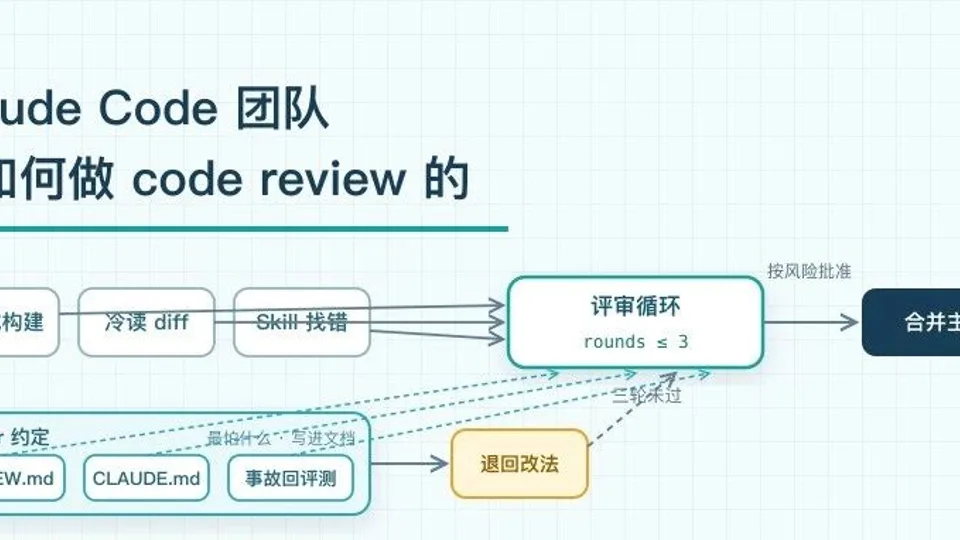
The Claude Code team shares their code review process: mandatory pre-PR self-checks, automated agent reviews capped at three cycles, risk-tiered human approvals, and post-merge monitoring with metrics showing PR volume doubled while revert rates dropped over 40%.
Anthropic's Claude Code team replaced traditional line-by-line code review with a six-layer automated defense and risk-based human approval, letting AI agents catch bugs while humans only review high-risk changes, cutting review rounds from 8.9% to 1.5% and rollback rates by 40%.
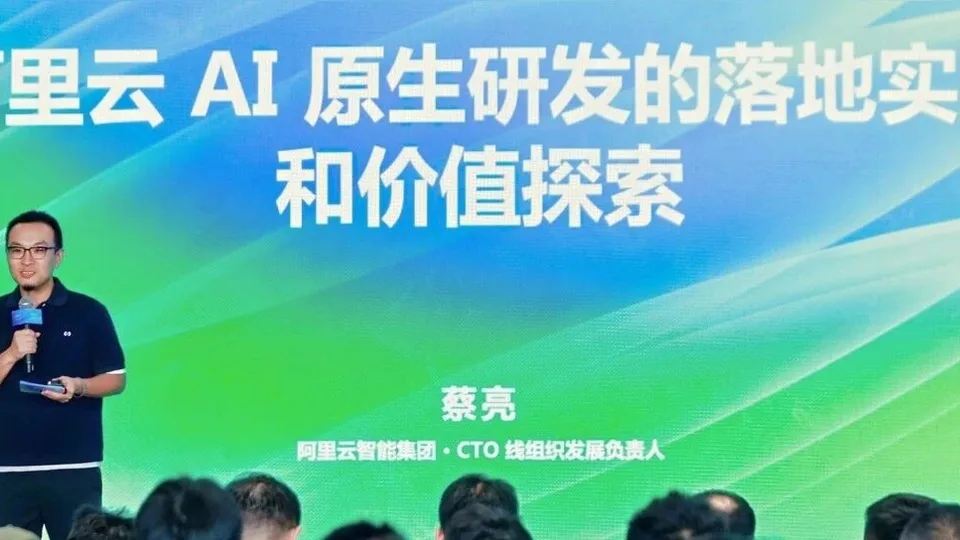
Alibaba Cloud's CTO line shares early practices and unresolved challenges in transforming a 6,000-person R&D organization to AI-native, revealing three-stage evolution, seven production pilots with concrete metrics, and the critical need for new human-AI contracts and platform capabilities.
Anthropic's Claude Code team shares their AI-driven code review pipeline that doubled merge rate while cutting rollbacks by 40%, using layered automated checks, risk-based human approvals, and incident-fed evaluation sets to keep reviews convergent and accountable.
The Claude Code team at Anthropic shares their evolved code review process where AI agents write 90% of code, using automated gates, risk-based human approvals, merge queues, feature flags, and incident-driven evals to cut revert rates by 40% while scaling PR volume 10x.
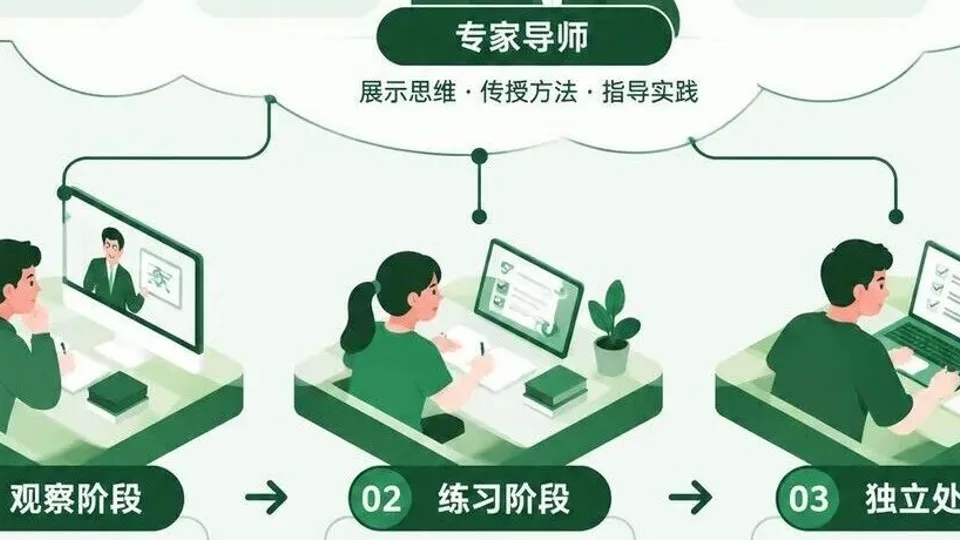
As AI automates junior tasks, organizations risk losing the on-the-job learning pathways that traditionally develop experts; the article argues for deliberately redesigning apprenticeship models that combine AI tools with structured practice, feedback, and gradual authorization to sustain talent pipelines.
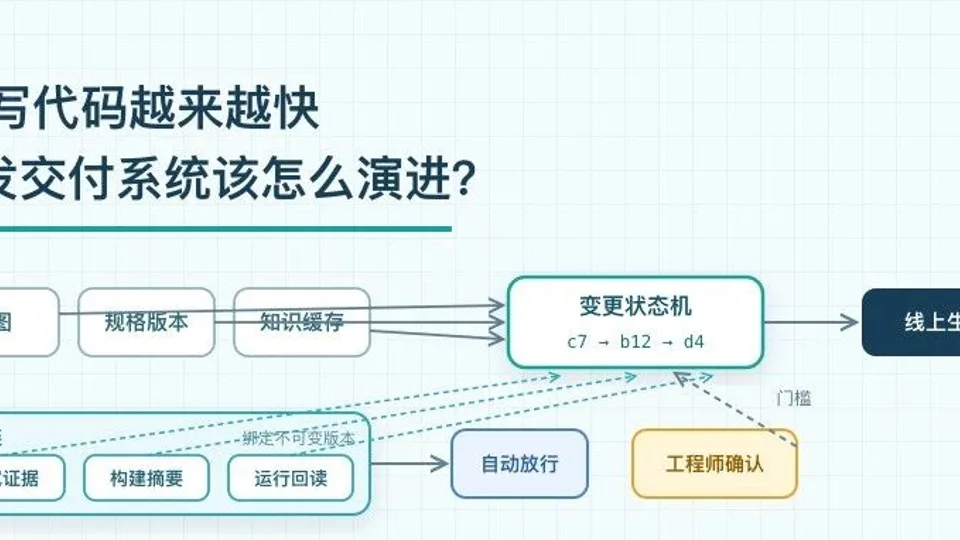
As AI speeds up coding, bottlenecks shift downstream to requirements clarification, review, verification, and release; the article proposes modeling delivery as a state machine with versioned specs, Harness for execution context, evidence bound to versions, expiring knowledge caches, and human guardrails for high-risk changes, starting with low-risk changes to validate the end-to-end flow.