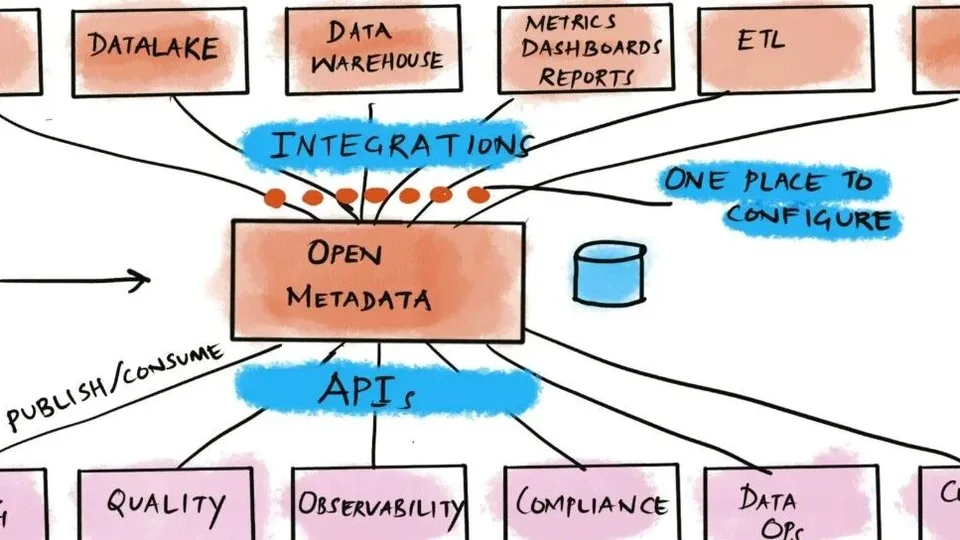
This article outlines a practical seven‑step framework for constructing data lineage—from defining clear goals and scoping requirements to designing architecture, collecting lineage, building a knowledge base, visualizing it, and establishing ongoing operations—so enterprises can turn messy data warehouses into trustworthy AI assets.
This article details Vivo's end‑to‑end upgrade of a YARN 2.6.0 cluster to a modern version for a million‑node, hundred‑thousand‑tasks‑per‑day platform, covering architectural evolution, scheduler migration, compatibility fixes, performance tuning, and service‑continuity strategies.
The article explains how BP Claw tackles unstable AI coding results by automatically converting low‑quality PRD documents into structured, high‑quality requirements, applying token‑saving strategies, strict hallucination guards, and multi‑skill orchestration, which together boost FlinkSpec’s real‑time data‑warehouse delivery efficiency by up to 30%.
The article introduces a visual drag‑and‑drop data flow platform that unifies stream and batch processing, offers version control, automatic fault tolerance, configurable data permissions, comprehensive monitoring, data alignment, and query templates, and presents single‑instance performance benchmarks of over 30k and 60k ops/s.
The article explains why solid data governance—especially mastering the five categories of data lineage (logical, architectural, periodic, behavioral, and scenario)—is the first step for companies pursuing AI, detailing each type, its benefits, and practical implementation steps.
Xiaohongshu transformed its data platform from a simple ClickHouse‑based ad‑hoc analysis to a Lambda‑style architecture and finally to a lakehouse built on Iceberg, StarRocks, Flink and Spark, cutting architecture complexity, resource and development costs by two‑thirds while supporting trillions of daily events with sub‑second query latency.
Lance File Format v2.2 tackles the AI data explosion by delivering hundred‑fold random‑read performance, advanced two‑layer compression, zero‑cost schema evolution, Git‑style versioning, external blob handling, and a roadmap toward native media support and intelligent encoding, positioning it as a core infrastructure for large‑scale multimodal workloads.
Zhihu created a unified OneID framework that merges scattered account, device, and behavior data into a global unique identifier, using strong and weak IDs, graph‑based connectivity, device governance, and a device half‑life model to improve recommendation, push, and advertising effectiveness.
KaptureCX migrated its core analytics from ClickHouse to StarRocks, introduced RisingWave and Kafka for CDC, and achieved millisecond‑level query latency, a reporting cycle cut from weeks to one day, and a solid data foundation for AI‑driven services.
The article explains how Alibaba Cloud's MaxCompute has been transformed into a cloud‑native Data+AI platform, detailing its layered architecture, multimodal storage, model management, hybrid compute scheduling, SQL AI functions, the MaxFrame Python framework, and several enterprise case studies that demonstrate performance gains and flexible resource orchestration.
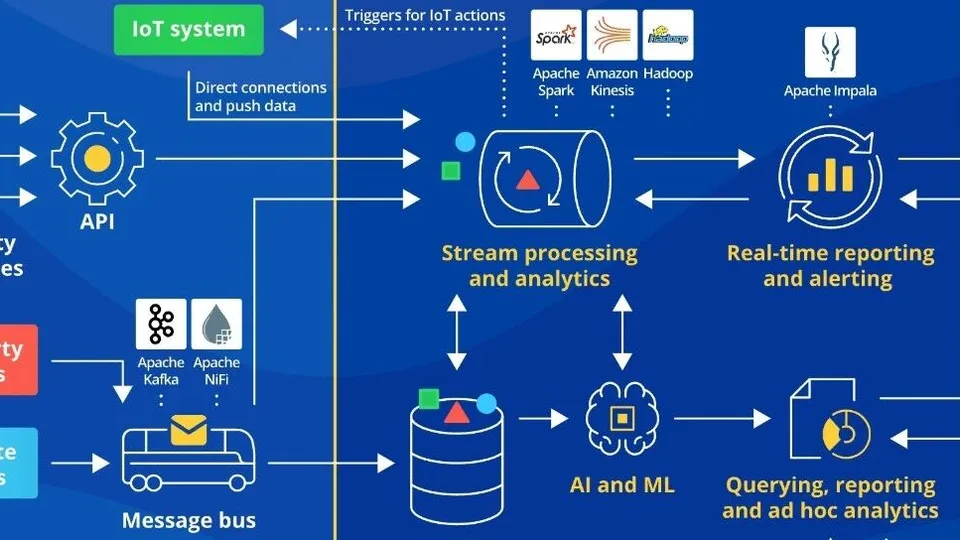
Traditional batch‑oriented data warehouses can’t keep up with AI‑driven, second‑level business needs, so the article explains what a real‑time data warehouse is, its key technical traits, business benefits such as faster decision making and cost savings, and provides a step‑by‑step implementation roadmap.
The article details Xiaohongshu's four‑stage data‑platform evolution—from a simple ClickHouse ad‑hoc setup to a Lambda‑based 2.0 design and finally a lakehouse‑driven 3.0 architecture—highlighting the adoption of general incremental compute, cost‑reduction to one‑third, performance gains of up to ten‑fold, and the SPOT standards that guide the new system.
The article presents Volcano Engine’s AI‑focused data lake built on the Lance format, detailing why traditional lakes fall short for multimodal data, the engineering enhancements such as Binary Copy Compaction, Lance Insight, distributed vector indexing, JSON‑based tagging, Row‑ID shuffle optimization, and real‑world case studies that demonstrate significant performance and cost gains.
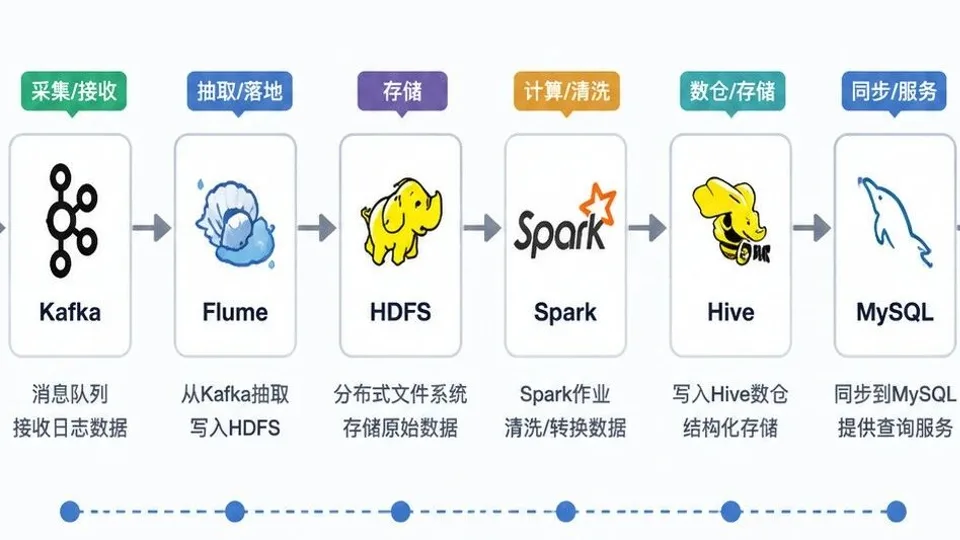
This article explains why massive log systems must adopt hot‑cold separation, walks through the problem analysis, SLO definition, component design, Kafka partition planning, Elasticsearch and ClickHouse tuning, Parquet archiving, a unified query gateway with async cold queries, governance practices, cost modeling, common pitfalls, and a roadmap for evolving the platform.
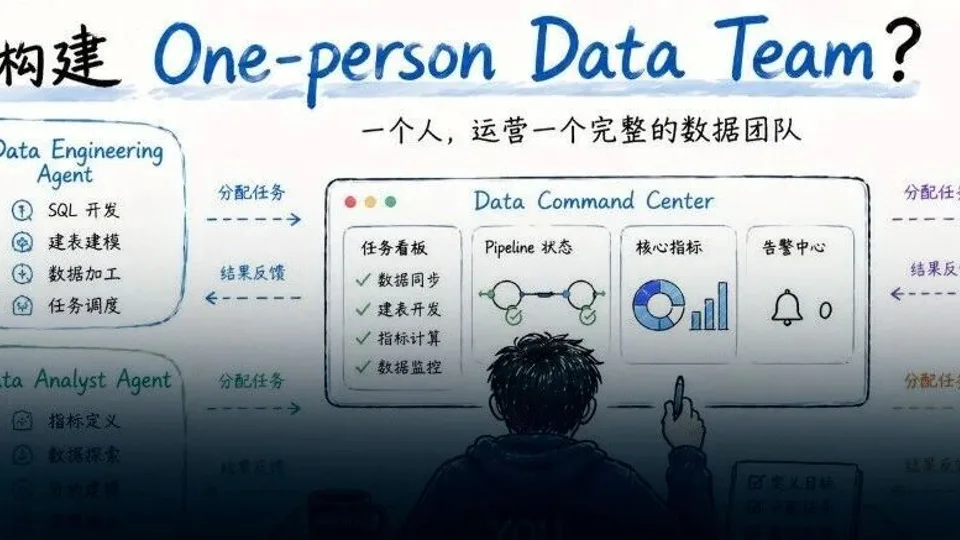
The article examines why a single data engineer can run an end‑to‑end data team, outlines the essential abilities—semantic ownership, building an agentic data stack, and leveraging historical context—while discussing ChatBI’s limits, validation loops, and the open‑source Datus 0.3 harness for practical implementation.
The article explains how pervasive big‑data quantification—from navigation apps to Fermi estimates—reduces uncertainty, drives data‑driven decisions in business and government, and delivers measurable benefits such as 20‑30% cost cuts and smarter resource allocation.
Xiaohongshu transformed its data platform from a simple ClickHouse‑based analytics stack to a unified lakehouse with generic incremental compute, cutting architecture complexity, resource cost, and development effort by roughly one‑third while supporting petabyte‑scale, sub‑second queries across its 350 million‑user app.
The article dissects a credit data system architecture, detailing six logical layers—from multi-source data collection and feature engineering (including graph features and feature stores) to model training, real‑time stream processing, decision engine integration, and privacy‑preserving computation—while explaining the trade‑offs, tools, and performance targets needed for accurate, low‑latency risk assessment.
A recent Taiwan government warning against Amap turned into a viral boost, exposing the app’s superior traffic‑light countdown, massive data‑driven network effects, and the underlying reverse‑propagation model that explains why the ban accelerated downloads rather than suppressing them.
The article examines how big data moves retail beyond merely spotting trends to actively shaping pricing, inventory, real‑time monitoring, and strategic decisions, illustrating dynamic pricing, intelligent stock management, and live dashboards with examples from airlines, hotels, and Double‑11 sales.