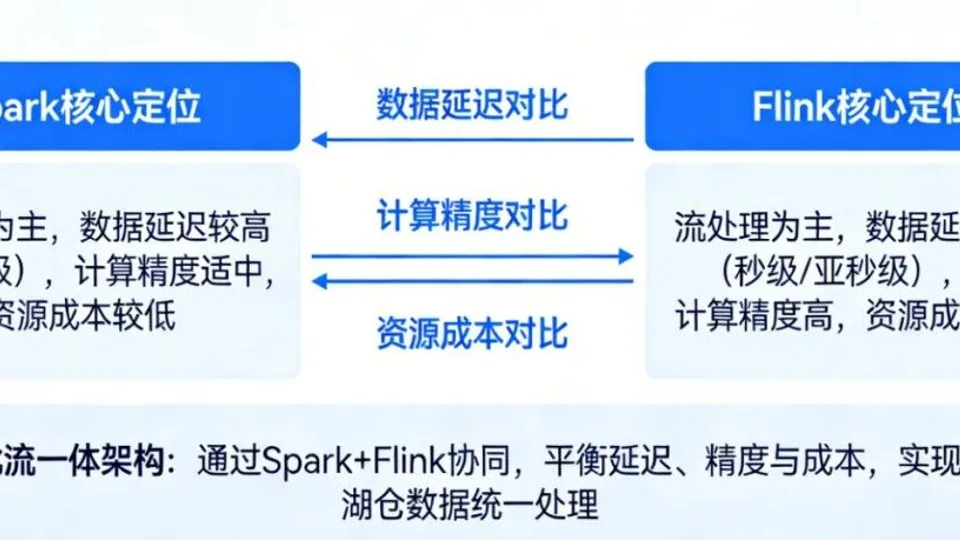
This article analyzes how Spark and Flink should divide responsibilities in lakehouse architectures by evaluating three core dimensions—data latency, computation accuracy, and resource cost—arguing that mature batch-stream integration balances business needs against technical overhead rather than pursuing universal real-time processing.
This article details the deep integration of StarRocks with Apache Paimon, describing the unified architecture, version evolution, performance enhancements, time‑travel queries, native readers/writers, distributed planning, and future roadmap for achieving lakehouse‑native analytics at scale.
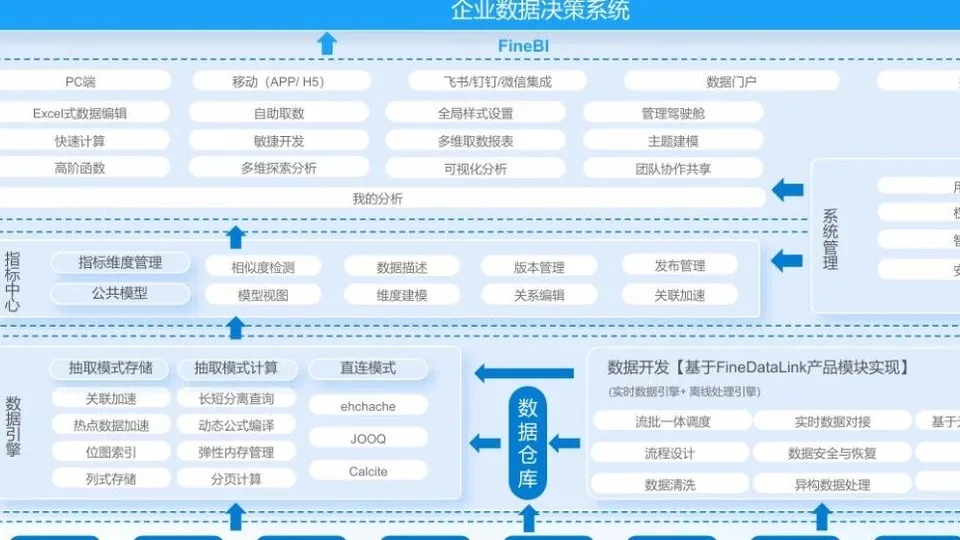
The article walks through a practical framework for selecting a data middle platform, emphasizing the need to first define business pain points and goals, then evaluate storage, processing, integration, scheduling, and BI tools, followed by organizational readiness, usability, vendor reliability, and total cost considerations.
This article presents a production‑grade Flink ClickHouse sink that solves common pain points such as lack of size‑based batching, static table schemas, and distributed‑table latency by introducing data‑size batching, dynamic table routing, local‑table writes, load‑balanced node discovery, back‑pressure queues, dual‑trigger flush, and recursive retry with node exclusion, all integrated with Flink checkpoint semantics for at‑least‑once guarantees.
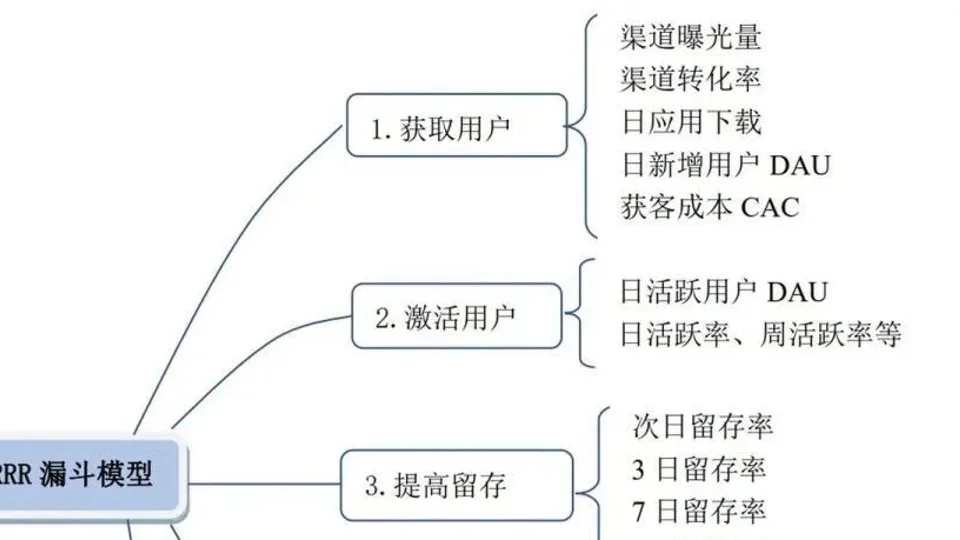
This article walks through a complete data‑driven study of Taobao app user actions, using SQL and Python to ingest 2 million records, applying the AARRR funnel and RFM segmentation to quantify churn, retention, conversion rates, and to propose data‑backed marketing tactics.
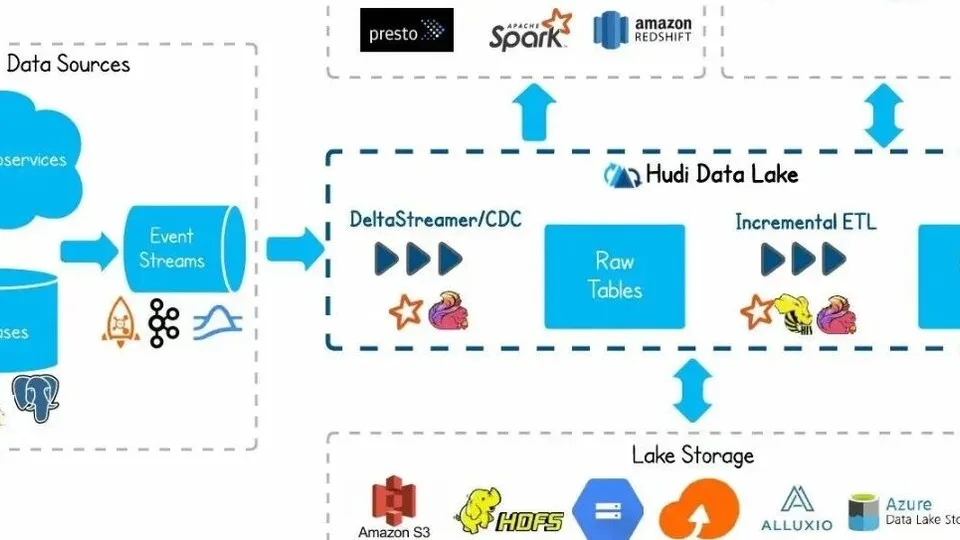
The article explains how Kuaishou modernized its data lake by partnering with Apache Hudi to address latency, storage cost, and consistency issues in both AI and BI pipelines, detailing architectural changes, new ingestion tools, partitioning strategies, compaction mechanisms, performance gains and future plans.
This article explains Apache Flink’s stream processing fundamentals, introduces the open‑source Flink Agents framework for building event‑driven AI agents, details Alibaba Cloud’s Flink AI Function for real‑time LLM inference, and showcases demos, architecture, integration patterns, and practical use cases such as VOC analysis, live‑stream analytics, and intelligent operations.
During Double‑11 mega‑sales, Taobao Group faced exploding OLAP query traffic, costly data sync pipelines, and slow near‑real‑time analytics, so they unified real‑time and batch data in Paimon, leveraged StarRocks for high‑performance lake queries, tuned cluster settings, and saved nearly ten‑million yuan annually while cutting refresh latency by 80%.
This article details how Alibaba Cloud EMR Serverless Spark combined with the Paimon lakehouse framework enables Taobao Flash Sale’s retail data team to achieve low‑latency, high‑throughput real‑time analytics, batch processing, and feature generation, outlining architecture evolution, performance gains, and practical Spark tuning techniques.
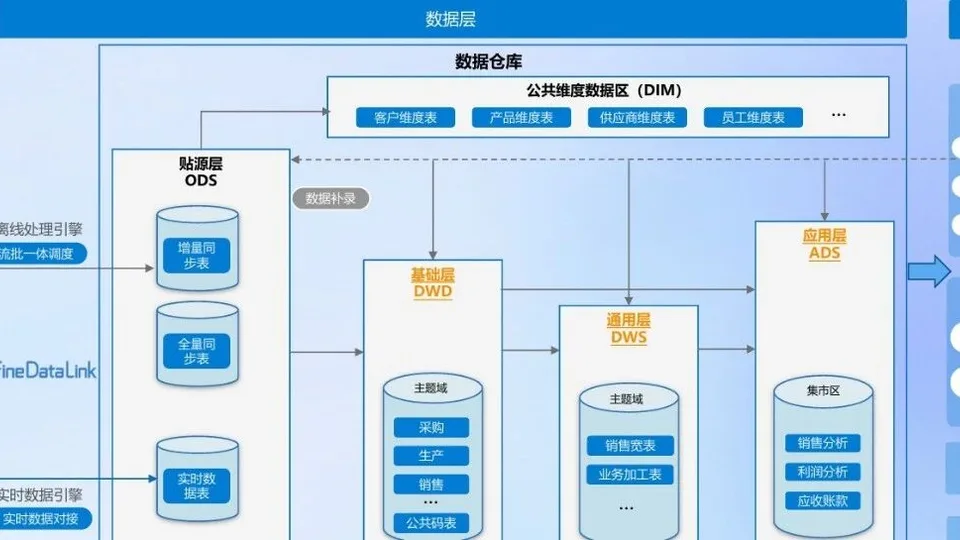
This article details the evolution of a data warehouse at RenliJia from a MaxCompute‑centric setup to a modern lakehouse using StarRocks, Paimon, Flink, and Fluss, describing design goals, technical evaluations, implementation steps for offline, OLAP, and real‑time workloads, and the challenges and future plans that emerged.
ByteDance’s StreamShield delivers a three‑layer resiliency framework—engine self‑healing, hybrid replication at the cluster level, and chaos‑tested releases—that enables over 70,000 concurrent Flink jobs on 11 million CPU cores to meet strict SLAs with second‑level startup and robust fault tolerance.
This article analyzes the architecture, sync modes, latency, scalability, usability, and deployment aspects of four popular data synchronization solutions—Sqoop, DataX, Flink CDC, and Airbyte—and provides a practical decision tree to avoid common misuse pitfalls in enterprise data pipelines.
This guide walks you through designing and deploying a highly available HDFS architecture with dual NameNodes, ZooKeeper‑based failover, and a tuned YARN resource scheduler, covering detailed configuration files, failover testing, performance tuning, monitoring, automated health checks, capacity planning, and best‑practice checklists for production‑grade big‑data platforms.
The article breaks down a big‑data project into four essential phases—data ingestion, preprocessing, storage, and analysis—explaining common pitfalls, practical tool choices, and why aligning technology with business needs is crucial for success.
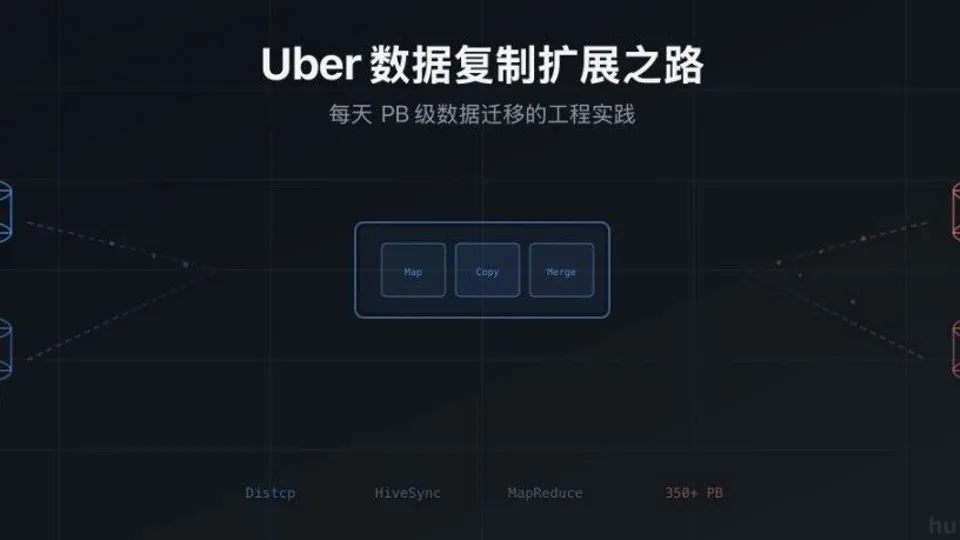
Uber tackled the challenge of replicating over 350 PB of data across on‑premise and cloud lakes by redesigning Hadoop Distcp, moving intensive tasks to the Application Master, parallelising copy‑listing and commit phases, and leveraging Uber‑mapper jobs to dramatically cut latency and improve resource efficiency.
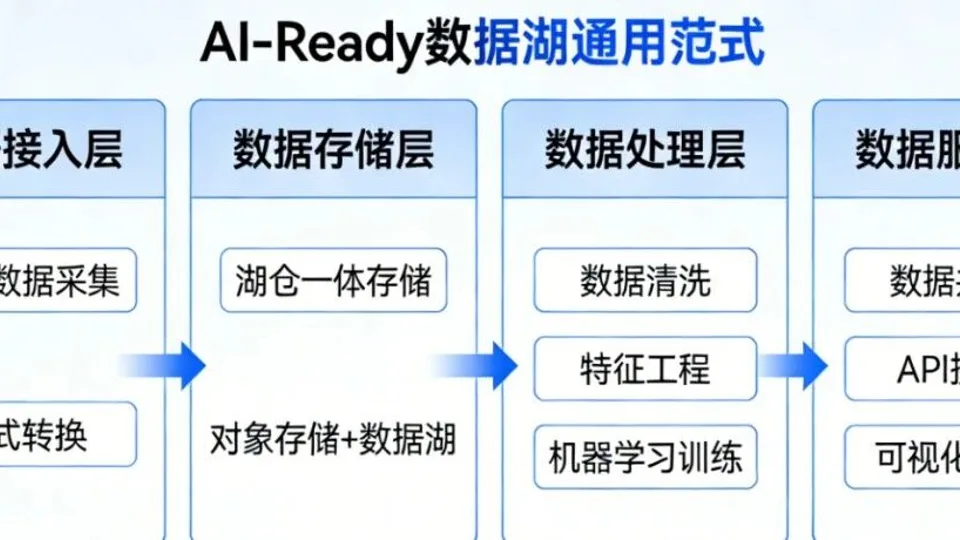
This article details the industry-standard dual pattern of file body storage and metadata registration for unstructured data lake ingestion, covering a three-layer architecture, batch and real-time implementation steps using Paimon and Flink, AI-specific optimizations like label standardization and format conversion, and key operational considerations for permissions, versioning, and cost control.
This guide explains how to extend a Flink CDC pipeline so that, in addition to real‑time data replication, DDL ALTER statements from MySQL are captured, split from the data stream, and applied to Doris using side‑outputs and a custom JDBC sink.
In the era of massive AI model training, this article presents a step‑by‑step technical guide—covering the full data‑collection pipeline, three acquisition modes, IP‑type choices, bandwidth savings, path and mixed‑request optimizations, and business‑level cost controls—to reduce web‑scraping expenses by more than 60% while maintaining data quality.
This article recounts a Tsinghua University PhD student's journey through a multidisciplinary big‑data training program, detailing the acquisition of AI and data‑science skills, the creation of novel algorithms like MicroFlowSAM and ImageRAG, and their successful application to chemical engineering research and industry projects.
This checklist compiles 30 actionable items covering model design, data consistency, performance, quality, metadata governance, cost efficiency, and collaboration to help data warehouse teams build trustworthy, high‑performance, and maintainable data pipelines.