Bilibili designed and deployed an AI compute network for large language model training, choosing a Fat-Tree topology, selecting high‑speed switches, optical modules, and fibers, implementing fixed‑path load balancing, and building a sub‑second telemetry monitoring platform, with plans to scale to ten‑thousand GPUs.
This article explains why edge computing demands ultra‑low latency and high security, describes the architecture of Volcano Engine's edge nodes, and details the technical innovations—such as interrupt‑no‑exit, timer passthrough, and kernel isolation—that enable high‑performance virtual machines to rival bare‑metal performance across CDN, live‑streaming, and acceleration scenarios.
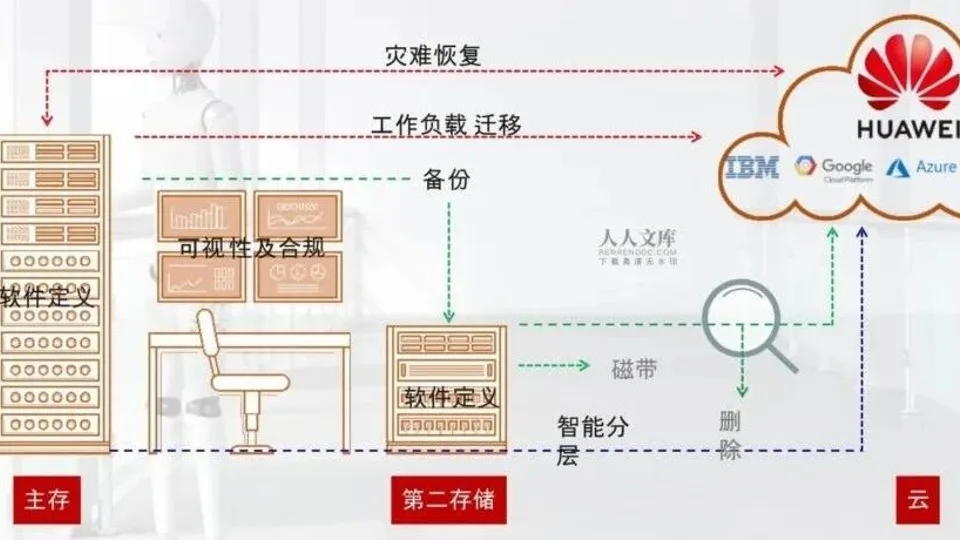
This article provides a detailed explanation of cloud disaster recovery and cloud backup, covering their definitions, primary application scenarios, reference architectures, and essential technologies such as incremental backup, deduplication, multi‑tenant management, and data‑trust assurance, illustrated with diagrams and practical examples.
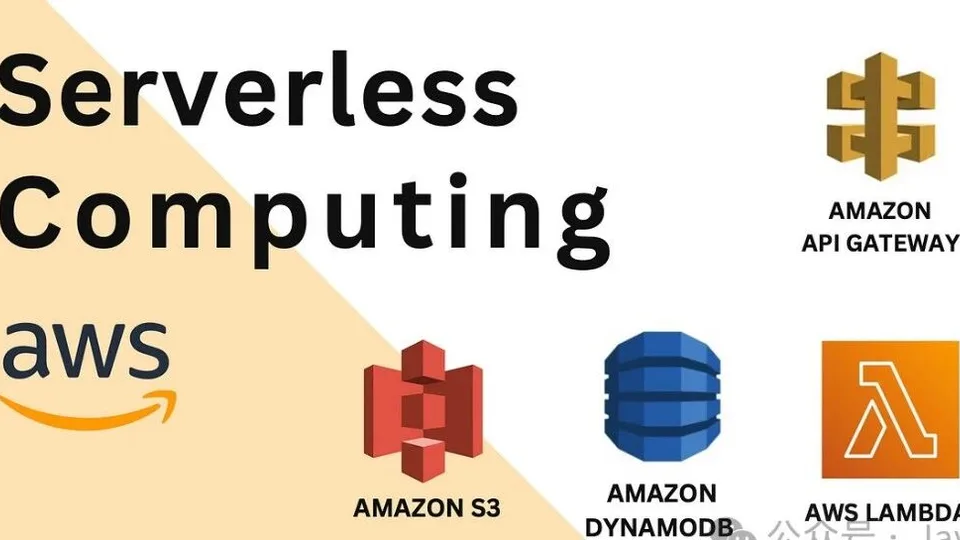
This guide explains how to deploy the Qwen2.5 large language model on Alibaba Cloud Function Compute using Ollama and Open WebUI, covering model selection, resource configuration, deployment steps, interface setup, multilingual capabilities, and automatic scaling for high‑concurrency workloads.
The article argues that serverless platforms often hide high costs, operational complexity, and reliability issues, contrasting them with traditional VPS and Cloudflare solutions while highlighting DDoS protection, pricing traps, and the challenges of managing micro‑service architectures.
Live streaming faces challenges due to real‑time video transmission and heavy computation, but by using globally distributed edge servers, transcoding streams into multiple resolutions, segmenting them into short clips, packaging them into formats like HLS, caching via CDNs, and optionally storing them in the cloud, the process delivers video seamlessly to viewers and enables replay.
This tutorial guides readers through creating an AWS account, configuring the AWS CLI, uploading and downloading CSV files to S3, and using Python with pandas to clean, deduplicate, and aggregate the data before re‑uploading the results, illustrating end‑to‑end cloud data processing.
At the CCF China Storage Conference 2024 in Guangzhou, Alibaba Cloud’s research team presented the ALS (ALink System) ecosystem, discussed Scale‑Up interconnect protocols, and demonstrated multi‑layer storage innovations for AI workloads, highlighting hardware‑software integration, high‑bandwidth networking, and future CXL/PIM research.
This article provides a detailed walkthrough of installing Microsoft's Windows 365 Link (Cloud PC), covering its features, download sources, conversion of ESD to ISO, command‑line update steps, and practical tips for testing the early‑stage cloud operating system.
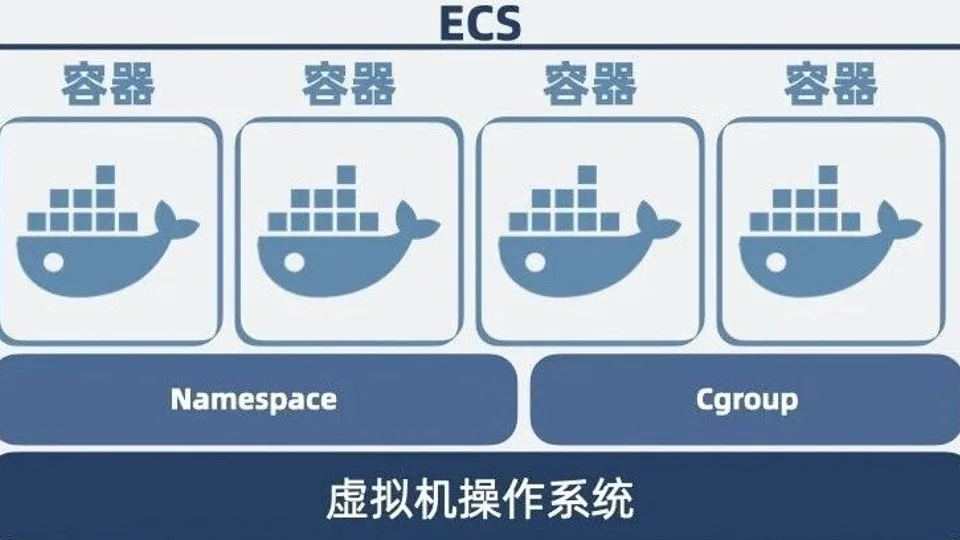
The article explains that a physical server is a dedicated machine in a data center, while cloud providers offer virtual private servers (VPS) and elastic compute services (ECS) that share hardware, and shows how Docker containers provide lightweight, OS‑level isolation for flexible, cost‑effective deployment, guiding readers on choosing the right option.
AWS's open‑source Finch CLI, originally macOS‑only, has been updated to run directly on Linux, allowing developers to build, run, and publish container images across macOS, Windows, and Linux without any virtualization layer.
The article details vivo’s enterprise cloud disk, describing its personal, team, and backup spaces, user authentication via asymmetric encryption and SSO, metadata storage in MySQL with object storage for files, and the implementation of file operations—including permission management, partner access, and both small‑file and multipart large‑file upload workflows.
This article walks developers through Huawei's open‑source developer program and provides a detailed, practical guide on adapting the Kubernetes External‑DNS project for Huawei Cloud, covering project analysis, code development, secure authentication, webhook deployment, and contribution submission.
Virtualization resource scheduling algorithms, especially in OpenStack, address fragmented CPU allocation and uneven node utilization by dynamically consolidating VMs, employing NUMA-aware placement, and using resource scoring to trigger migrations, ultimately improving utilization, reducing costs, and enhancing performance in cloud environments.
This article walks through the full process of delivering high‑quality 4K video at minimal cost by comparing storage providers, choosing Cloudflare R2 for its free outbound bandwidth, encoding with FFmpeg, packaging with HLS, uploading via rclone, and playing back with HLS.js or a custom web component.
This guide walks you through setting up a private MinIO object storage server using Docker, explains core concepts like buckets and access keys, and demonstrates how to configure the Webman PHP framework with the MinIO plugin to upload, manage, and preview files via the MinIO console.
This guide explains virtualization concepts, introduces KVM, and provides step‑by‑step instructions for installing KVM on CentOS 7, configuring networking, setting up libvirt, deploying the webvirtmgr web UI, creating virtual machines, and troubleshooting common issues.
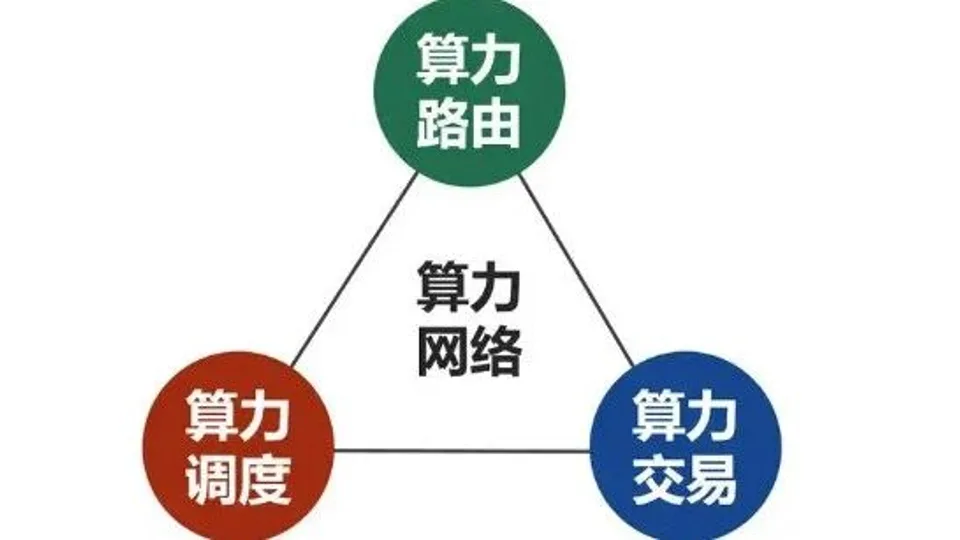
This article provides an in‑depth explanation of computing power networks, covering their definition, key characteristics such as elasticity, agility and security, underlying technologies like SRv6 and network slicing, architectural components including the brain, and emerging trends spanning AI, big data, optical networking and blockchain.
This article examines the evolution of edge cloud from its early CDN roots to modern edge-native operating systems, outlines the business drivers and technical challenges such as massive node management, lightweight constraints, weak network environments, and multi‑shape compute needs, and presents the architecture, key components, and future directions of edge cloud solutions.
This article examines the Cloud Connect Network gateway architecture, identifies performance bottlenecks in the V1 packet‑forwarding process, proposes a session‑based optimization that reduces query complexity from O(n) to O(1), and validates the improvement with latency tests showing a drop from 500 ms to about 1 ms.