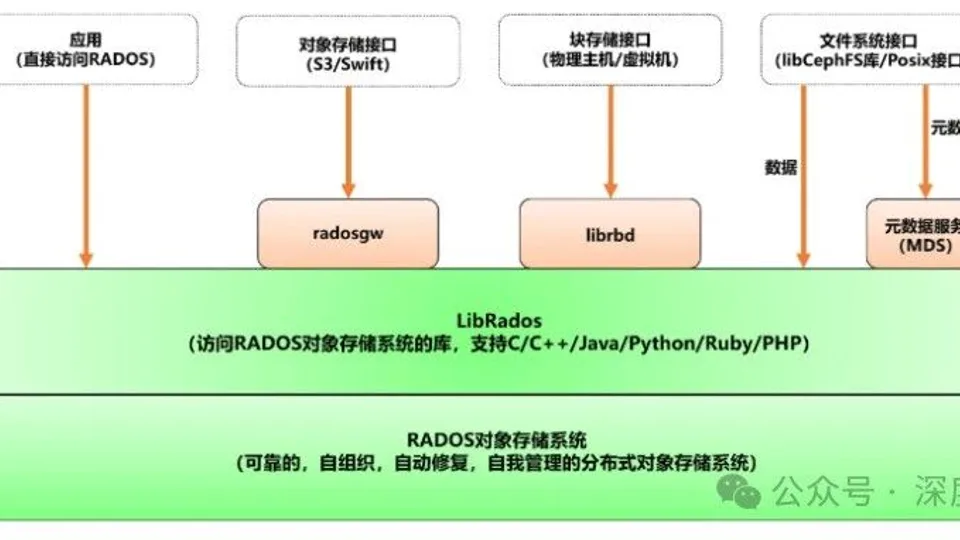
Ceph is a unified, open‑source distributed storage system whose layered architecture—comprising RADOS, LIBRADOS, and upper‑level services like RADOSGW, RBD, and CephFS—provides high performance, reliability, scalability, and flexible data access for cloud, big‑data, and AI workloads.
RoCE, originally built for InfiniBand, was adapted to Ethernet as RoCEv2, which uses IP/UDP headers to enable L3 routing but is highly sensitive to packet loss, requiring a lossless network and employing technologies such as PFC, ECN, DCQCN, and multi‑path transmission to maintain high RDMA performance.
This article explains a VPC NAT solution that lets function compute pods in a shared Kubernetes VPC securely access services in overlapping business VPCs by using NAT ENIs, MAC adjustments, VXLAN encapsulation, and SNAT/DNAT rules.
The article chronicles David Cutler's remarkable career, detailing his creation of the VMS operating system for DEC's VAX, his leadership in developing Windows NT at Microsoft, and his pivotal role in designing the hypervisor for Windows Azure, illustrating how his engineering brilliance shaped modern computing across mainframes, PCs, and the cloud.
This article presents the PASS system, a predictive auto‑scaling solution developed by Meituan and Prof. Chai’s team, detailing the challenges of load forecasting and resource allocation, the ELPA ensemble model, performance modeling, hybrid scaling design, and extensive experiments that show superior QoS guarantees and lower resource costs compared to existing methods.
This guide walks you through two practical solutions for deploying the massive DeepSeek‑R1 model on Volcengine Cloud—one using Terraform for a quick two‑node GPU setup and another leveraging cloud‑native multi‑node distributed inference with Kubernetes, covering resource sizing, environment preparation, model download, monitoring, autoscaling, and storage acceleration.
This guide walks you through deploying the DeepSeek‑R1 large‑language‑model inference service on Alibaba Cloud ACK One registered clusters using ACS GPU compute, covering model preparation, OSS storage setup, PersistentVolume configuration, arena‑based service deployment, and verification steps with concrete commands and parameters.
This article explains the fundamentals of physical networking layers, introduces cloud networking concepts such as VPC, overlay and underlay, and discusses how high‑performance technologies like RDMA and ACCL are evolving to support AI large‑model training in modern cloud environments.
Facing frequent overloads on DeepSeek's official service, this guide details how to run DeepSeek locally with Ollama, deploy it on major cloud platforms such as Huawei, Alibaba, Tencent, Baidu and ZStack, integrate it into enterprise private clusters, leverage open‑source tools like HuggingFace, vLLM and Dify, and showcases real‑world applications in finance, education, and cross‑domain testing.
This guide walks you through deploying the open‑source DeepSeek‑R1 inference model on Alibaba Cloud's Compute Nest platform, covering service creation, instance configuration, login procedures, and API calls with sample curl commands for text generation and chat.
This article explains how KVM/ARM implements split‑mode virtualization by dividing the hypervisor into a lowvisor running in EL2 and a highvisor running in kernel mode, detailing CPU, memory, I/O, interrupt and timer virtualization, and describing the architectural improvements introduced by ARM's Virtualization Host Extensions (VHE).
Cloudflare built Pingora, a Rust‑based HTTP proxy that processes over a trillion daily requests, delivering lower latency, higher connection‑reuse, and up to 70% CPU and memory savings compared to Nginx, while adding extensible features and stronger memory safety.
The 2024 report of Alibaba Cloud's Infrastructure Network team details AI‑driven network breakthroughs, high‑performance protocol stacks, large‑scale monitoring systems, numerous top‑conference paper acceptances, open‑source ecosystem initiatives, and extensive industry outreach, highlighting the evolving AI infra landscape.
On June 30, 2026, Akamai will shut down its CDN operations in China, directing remaining traffic to neighboring countries while offering migration paths through Tencent Cloud and Wangsu, and the article explains CDN fundamentals, China’s network landscape, Akamai’s history, and community reactions to the change.
Akamai will cease its CDN services in China on June 30, 2026, partnering with Tencent Cloud and Wangsu for migration, while industry experts discuss the technical challenges, geopolitical factors, and the impact on regulated and non‑regulated sectors.
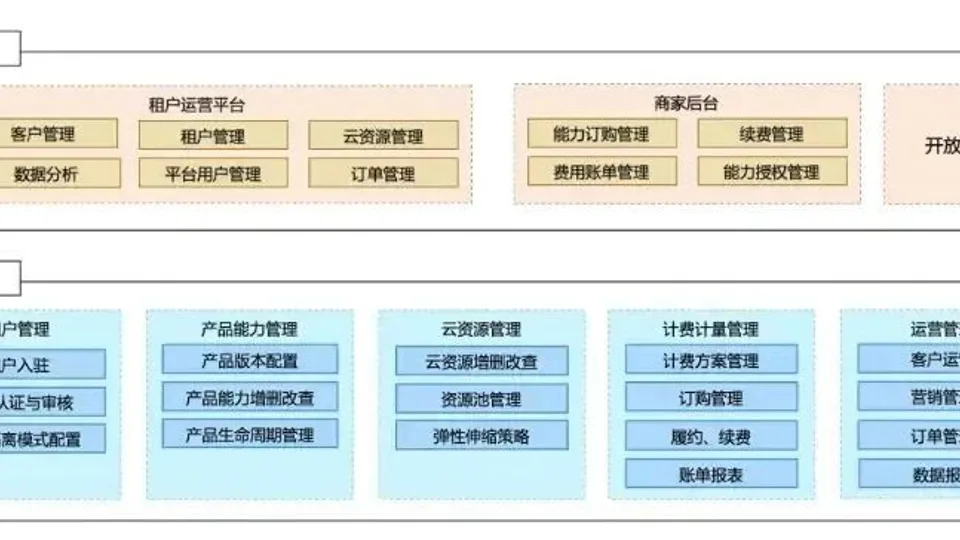
This article provides a comprehensive overview of SaaS systems, covering cloud service models (PaaS, IaaS, SaaS), key characteristics, differences from traditional and internet services, classification into business, efficiency, and hybrid types, SaaSification steps, core components, and multi‑tenant architectures with various isolation models.
Akamai will cease its CDN services in China on June 30 2026, offering migration partners like Tencent while explaining CDN fundamentals, benefits, components, and key terminology such as CNAME records, intelligent DNS, and origin protocols for readers planning a smooth transition.
The article explains how elastic architecture, through auto‑scaling and failover mechanisms, dynamically adjusts resources and ensures continuous service during traffic spikes and component failures, improving cost efficiency, reliability, and operational stability for modern cloud‑based applications.
Alibaba Cloud announced a series of new features and regional expansions for its AI platform PAI, Flink real‑time computing, EMR, Data Lake Fabric, OpenSearch, and Milvus services, along with a free‑trial program for several big‑data and AI products.
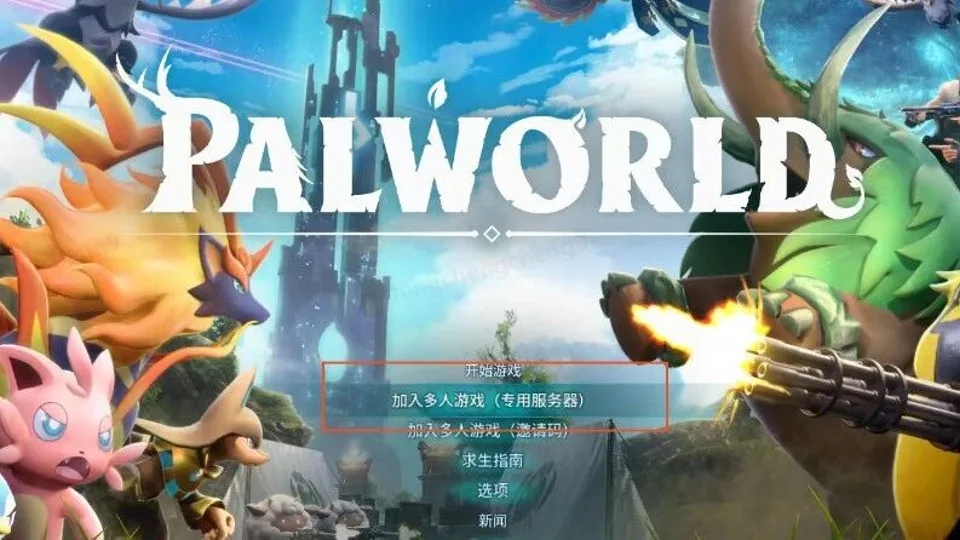
This guide walks you through the reasons for running a Palworld dedicated server, the hardware and cloud requirements, network optimization, step‑by‑step deployment using JD Cloud—including installing DirectX, Visual C++, SteamCMD, configuring PalWorldSettings.ini, and managing server permissions and backups—so you can host a private, customizable game world for you and your friends.