The article analyzes the communication challenges of AI‑native applications—async coordination, per‑session isolation, and millions of independent channels—and shows how RocketMQ Lite Topic solves them with lightweight, auto‑reclaimed topics that guarantee strict ordering, fault‑tolerant streaming, and seamless break‑resume handling.
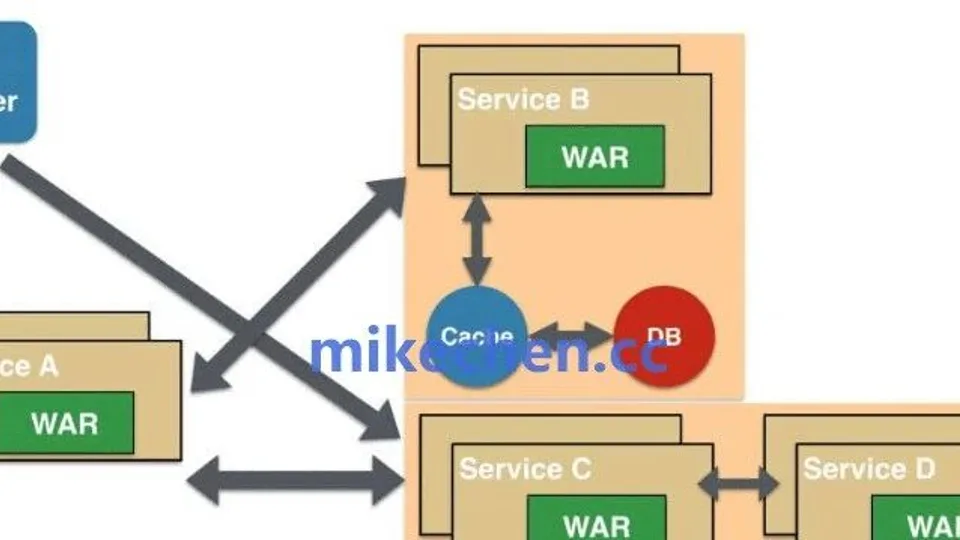
This article breaks down four key microservice architecture patterns—data‑sharing, aggregation, sidecar proxy, and asynchronous messaging—detailing their purpose, typical use cases, benefits, and why some are only suitable as short‑term solutions during system migration.
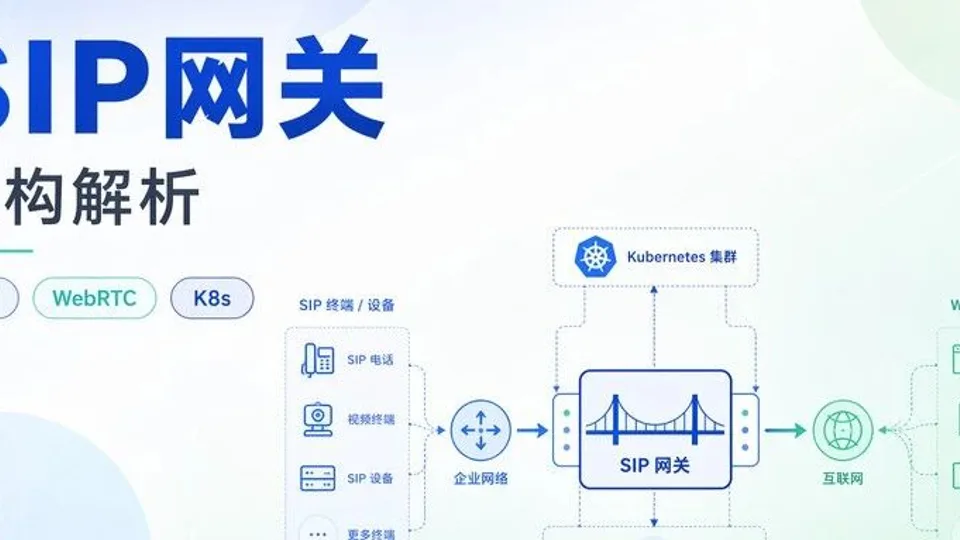
An in‑depth analysis of a custom SIP‑WebRTC video gateway built on Kubernetes, detailing dual load‑balancing via K8s and Redis RPC, a seven‑layer architecture, media mixing and aggregation pipelines, and graceful shutdown mechanisms that enable reliable SIP call integration with modern WebRTC conferences.
The article explains how K3s, a lightweight, production‑grade Kubernetes distribution, reduces component count, memory usage, and installation complexity, making it ideal for small‑to‑medium enterprises, edge, IoT, and AI projects, while still offering API compatibility and optional high‑availability, and compares its trade‑offs with full‑size Kubernetes.
OBI uses Linux kernel eBPF instrumentation to automatically capture and parse all AI‑related HTTP traffic—covering LLM, embedding, vector search, rerank and MCP tool calls—producing OpenTelemetry‑compatible traces and metrics without any code changes, enabling full‑stack observability of multi‑provider AI agents across languages with only ~1% CPU overhead.
The article analyzes how modern Node.js services act as a convergence layer for HTTP, databases, caches, RPCs, and AI calls, making performance problems cross‑layer, and introduces Alibaba Cloud ARMS Node.js probe that, with a single integration, automatically gathers APM, AI observability, runtime health, and dynamic configuration to provide full‑stack tracing and simplify troubleshooting.
The article analyzes Nginx's static upstream load balancing limitations—manual configuration, passive health checks, and inability to handle elastic scaling—and explains how service registries provide real‑time instance awareness, client‑side load balancing, metadata‑driven routing, and seamless scaling for microservices.
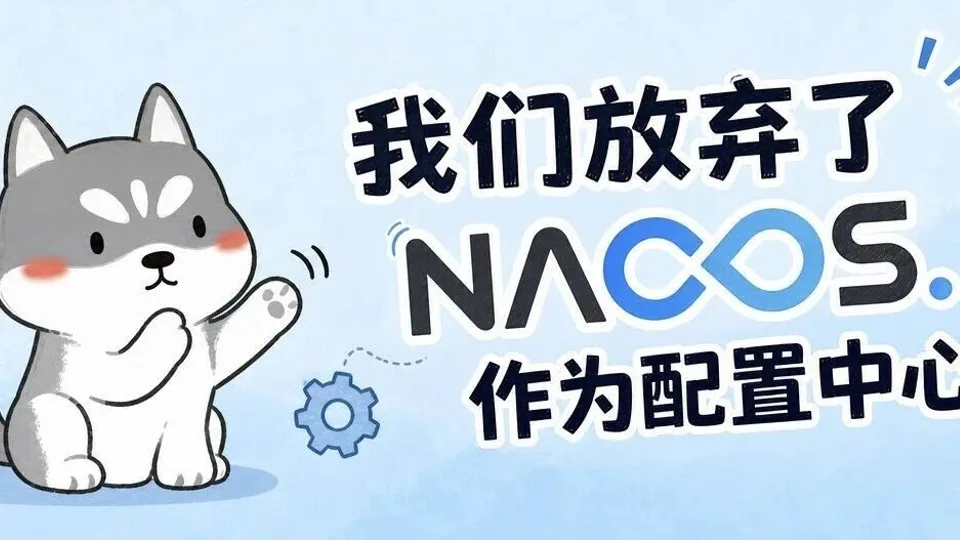
This article explains why the team replaced Nacos with Ctrip's open‑source Apollo configuration center, outlines Apollo's core concepts, features, and architecture, and provides step‑by‑step instructions for creating projects, testing dynamic updates, exploring environments, clusters, namespaces, and deploying a SpringBoot application on Kubernetes.
This article presents a practical solution that uses Facebook Prophet time‑series AI to automatically calibrate dynamic alert thresholds in Prometheus, reducing over‑80% of false alarms in Kubernetes environments by learning business cycles and updating rules hourly without manual intervention.
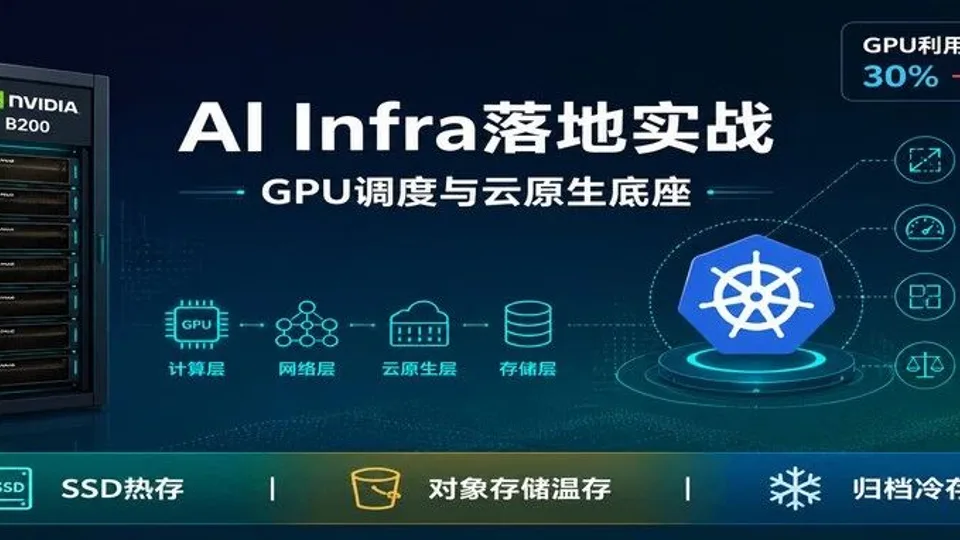
The article presents a detailed, step‑by‑step analysis of the L0 resource layer that underpins AI infrastructure, covering GPU scheduling, multi‑tier storage, low‑latency networking, core architectural components, key technologies such as MIG, Volcano, Kueue and RDMA, practical implementation patterns, quantitative acceptance criteria, and common pitfalls with best‑practice mitigations.
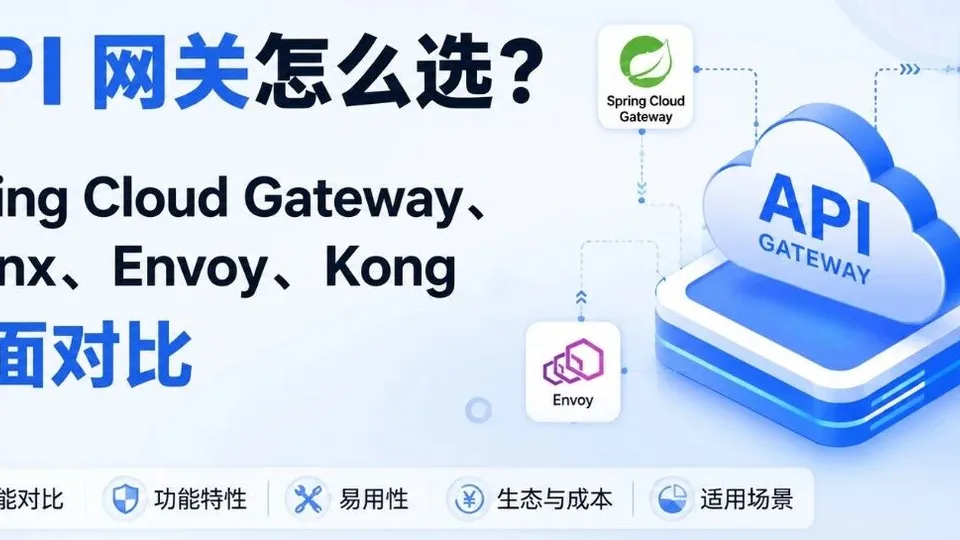
This article compares four API‑gateway solutions—Spring Cloud Gateway, NGINX, Envoy, and Kong—detailing their core strengths, drawbacks, suitable scenarios, configuration snippets, and practical selection rules to help architects pick the right gateway for microservice systems.
The article deep‑dives into Nacos 3.x’s custom Distro protocol, explaining why Alibaba created it, how its three‑layer architecture, two‑stage delayed‑merge task model, responsibility sharding, periodic version verification, full‑snapshot loading for new nodes, and fixed‑delay retry together achieve low‑latency, message‑efficient AP synchronization for service registration.
A remote Docker container kept restarting with no logs; by inspecting the ExitCode and analyzing build cache and file permissions, the author identified a polluted build layer that produced an empty binary and a UID mismatch on a mounted key file, then applied concrete fixes.
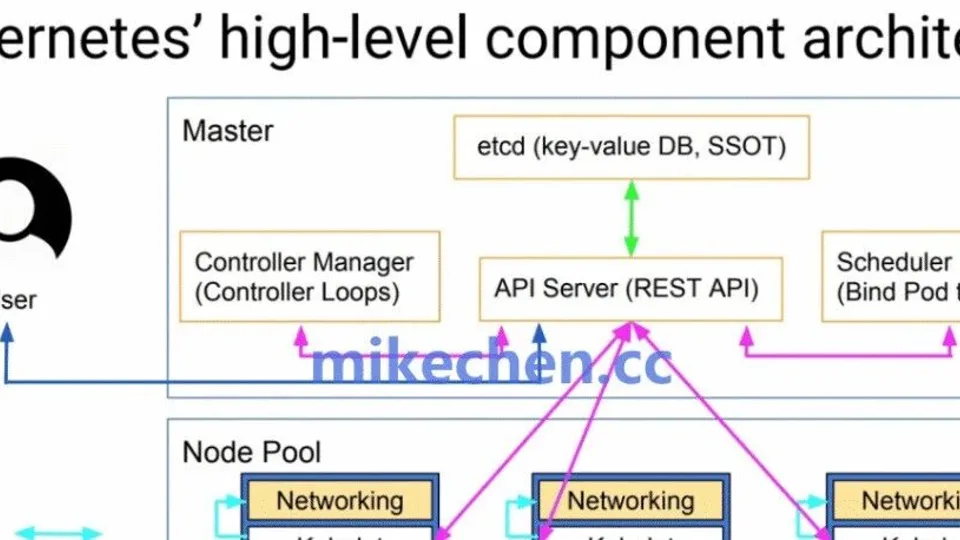
This article provides a comprehensive, step‑by‑step overview of Kubernetes architecture, detailing the control plane components (API Server, etcd, Scheduler, Controller Manager) and worker node components (kubelet, kube‑proxy, container runtimes), illustrated with diagrams and command‑line examples that show how requests flow, state is stored, pods are scheduled, and failures are handled.
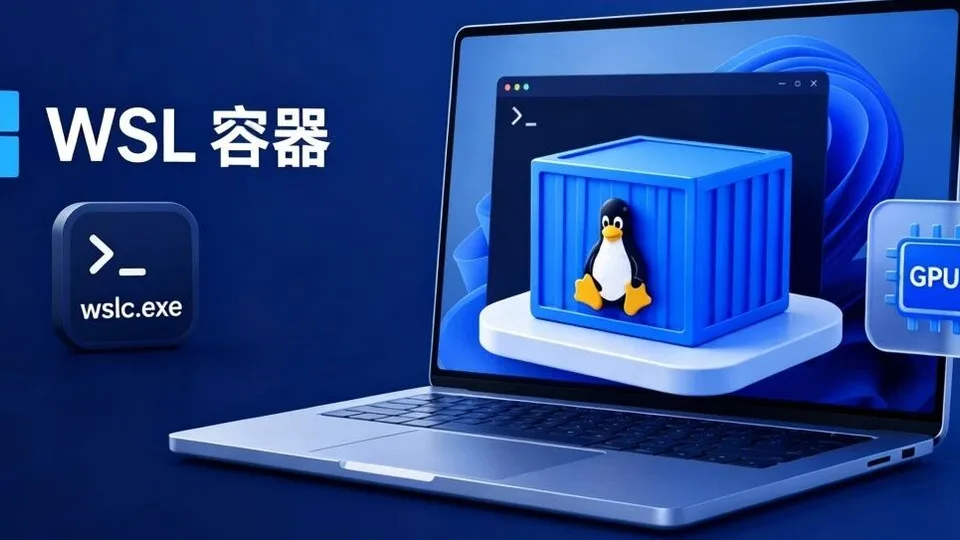
Microsoft's preview adds a built‑in Linux container CLI and API, letting developers run Linux containers directly on Windows without third‑party tools, while introducing a new filesystem, network mode, and programmatic integration for Windows apps.
The article walks through building a Spring Boot 3.2 application with JDK 21 as a GraalVM native image, compares binary and jar deployments, benchmarks against Go and Rust implementations, and concludes that AOT‑processed native images dramatically reduce startup time and memory usage despite long compile times.
By combining Alibaba Cloud's fully managed Argo Workflows with ACS's elastic compute, a gene bioinformatics platform boosted workflow efficiency by 70%, cut costs over 50% and reduced operational complexity 70%, delivering scalable, cost‑effective support for single‑cell, spatial transcriptomics and epigenomics research.
The author shares a complete 83‑page step‑by‑step guide that enabled a rapid, production‑grade high‑availability Kubernetes cluster integrated with a private Harbor registry, dramatically cutting setup time and improving cloud‑native operational reliability.
This article provides a comprehensive, diagram‑driven analysis of Kubernetes networking, covering underlay and overlay models, the role of VLAN, OSPF, BGP, and various CNI plugins such as Flannel host‑gw, Calico BGP, IPVLAN/MACVLAN, Multus, and Danm, as well as tunnel technologies like VxLAN and IPIP.
Alibaba Cloud Message Queue for Kafka introduces a native message‑to‑lake capability that integrates Apache Iceberg with OSS Table Bucket, eliminating Spark/Flink/Kafka Connect, providing exactly‑once semantics, automatic schema management, dual write modes, smart partitioning, and up to ten‑fold performance gains across diverse real‑time analytics scenarios.