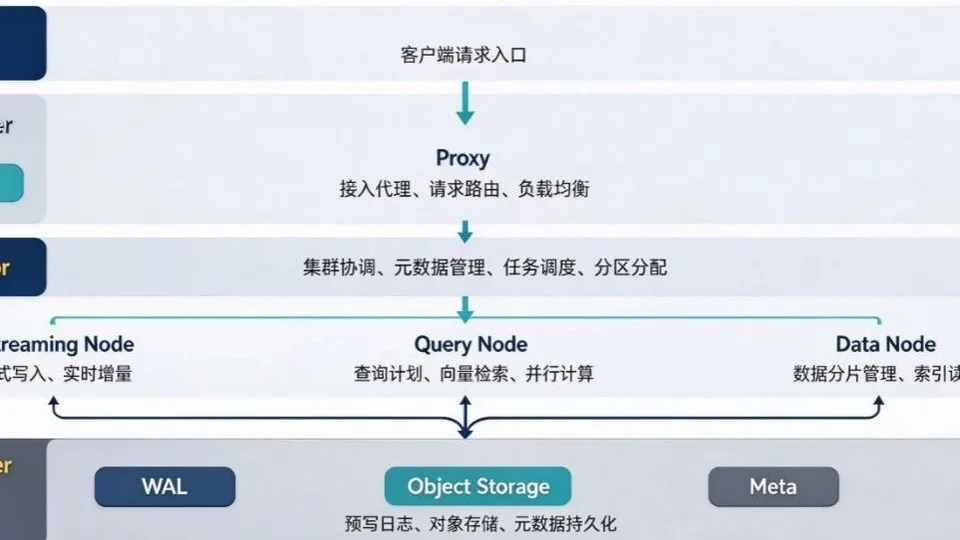
This article provides a comprehensive analysis of Milvus 3.x's evolution from a vector database to a Lake-Native retrieval engine, covering its architecture, External Collection for zero-copy indexing on data lakes, Storage V3, ANN indexes (HNSW, IVF, DiskANN), hybrid search, and production RAG architectures with performance tuning and troubleshooting guidance.
This guide covers MySQL scheduled backups using mysqldump with practical examples for full, structural, and data-only dumps, plus a Bash script with cron to automate daily backups and retain 31 days of history.
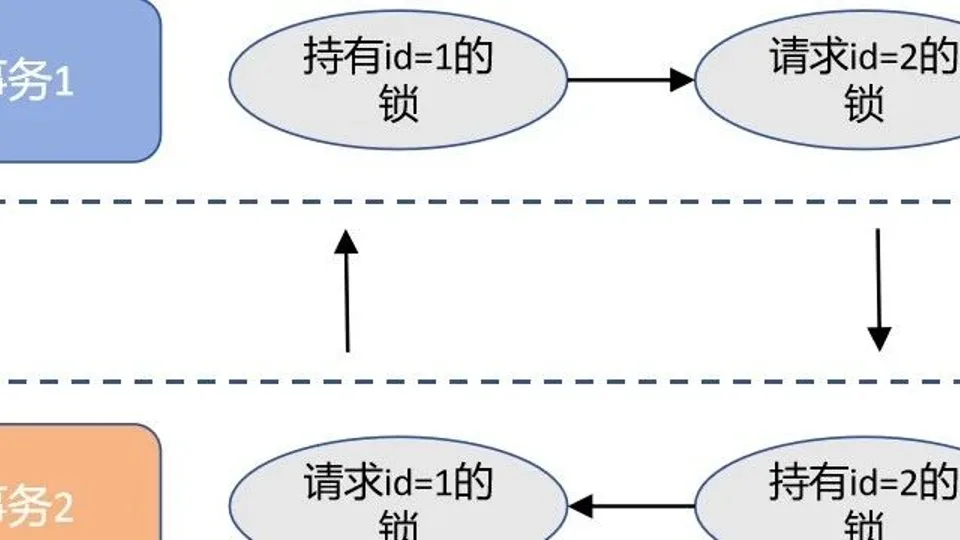
This article explains MySQL deadlocks with a concrete example of two transactions updating rows in opposite order, demonstrates deadlock detection via SHOW ENGINE INNODB STATUS, and lists prevention techniques including small transactions, proper isolation levels, lock wait timeouts, consistent operation order, and indexing.
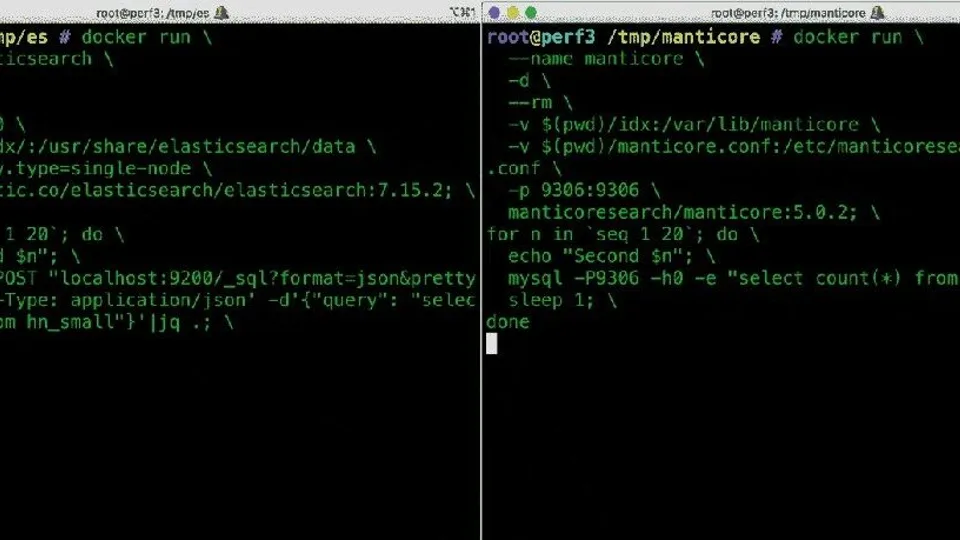
Manticore Search, a C++-based search engine forked from Sphinx, claims to outperform Elasticsearch by up to 15x on small datasets and 4x on large data, offering SQL syntax, MySQL protocol compatibility, real-time inserts, and built-in replication while using minimal memory.
StarRocks introduces multimodal capabilities to handle structured, semi-structured, and unstructured data in a single SQL pipeline, combining object processing, full-text and vector search, and lakehouse integration with Paimon and Lance for unified retrieval and analysis.
This article analyzes MySQL Connector/J's timezone handling changes from 5.1 to 8.x, details the official bug #30962953 affecting versions 8.0.0-8.0.22, explains key parameters like serverTimezone and preserveInstants, and provides best practices for correct timestamp storage and retrieval.
This article explains how placing filter conditions in ON versus WHERE clauses affects MySQL JOIN results, demonstrating with concrete examples that INNER JOIN behaves equivalently while LEFT JOIN preserves driving table rows only when conditions are in ON, with SQL code and result comparisons.
This article provides a step-by-step verified guide to implementing vector search in Easysearch 2.4.0, covering index creation with dense_vector fields, data ingestion with embeddings, k-NN query pitfalls including the mandatory 'k' parameter, and the critical distinction between compound queries and RRF-based hybrid search for combining keyword and semantic search.
A comprehensive technical guide covering Elasticsearch inverted index internals (FST, skip lists), cluster architecture with node roles and shard/replica design, write path (refresh, translog, flush), query execution (Query Then Fetch), IK Chinese analyzer with hot reload, deep pagination solutions (search_after vs scroll), and production index optimization across design, write, query, and operations dimensions.
This article argues that SQLite, often dismissed as a toy database, can replace specialized systems like Elasticsearch, MongoDB, Kafka, ClickHouse, Redis, and even microservices due to its stability, zero-configuration deployment, built-in full-text search, JSON support, vector extensions, and local-first architecture, reducing operational complexity.
This article analyzes write latency in multi-region active-active databases like AWS Aurora DSQL, showing that local execution is only a small fraction of total latency while cross-region commit coordination dominates; it also examines optimistic concurrency control conflicts, hotspot contention, isolation level limitations, and criteria for when multi-region active-active truly benefits applications.
This article details MySQL Connector/J's timezone handling bug in versions 8.0.0-8.0.22, explains key JDBC parameters like serverTimezone and preserveInstants, and provides best-practice configurations to avoid timestamp shifts and zero-date errors when upgrading from MySQL 5.1.
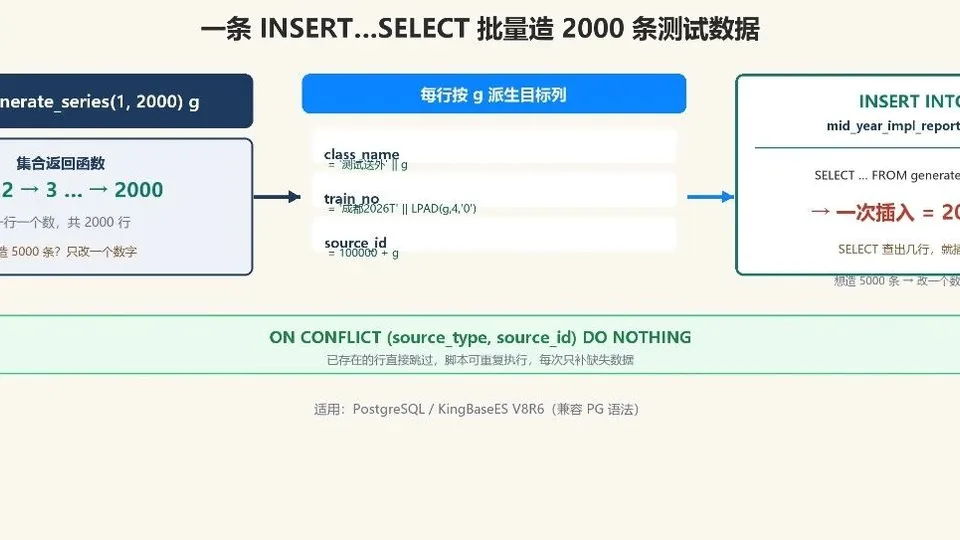
Learn how to generate 2000 test rows in PostgreSQL using a single INSERT...SELECT with generate_series, deriving column values via series numbers, zero-padding with LPAD, explicit timestamps, and ON CONFLICT for idempotent execution, plus random data variations and MySQL equivalents.
INFINI Easysearch 2.4.0 integrates HNSW vector search directly into the kernel, eliminating the need for a separate k-NN plugin, and adds hybrid keyword-vector queries with weighted scoring, while maintaining full compatibility with Elasticsearch 8.19.17 clients and APIs.
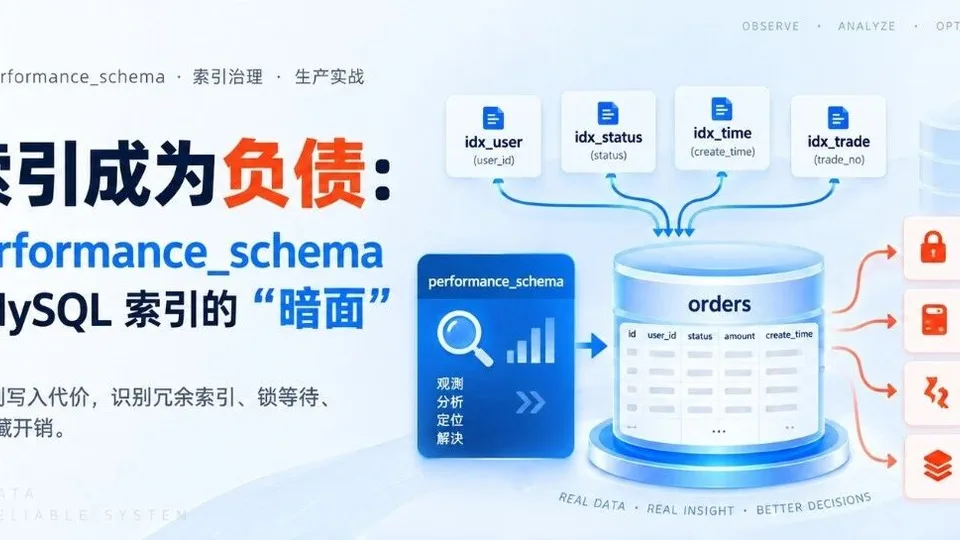
This article presents a rigorous, production-ready framework for MySQL index governance that moves beyond simplistic zero-usage checks, using performance_schema observation windows, structural gatekeeping, invisible index canary testing, and quantified rollback metrics to safely identify and remove redundant indexes without risking query regressions.
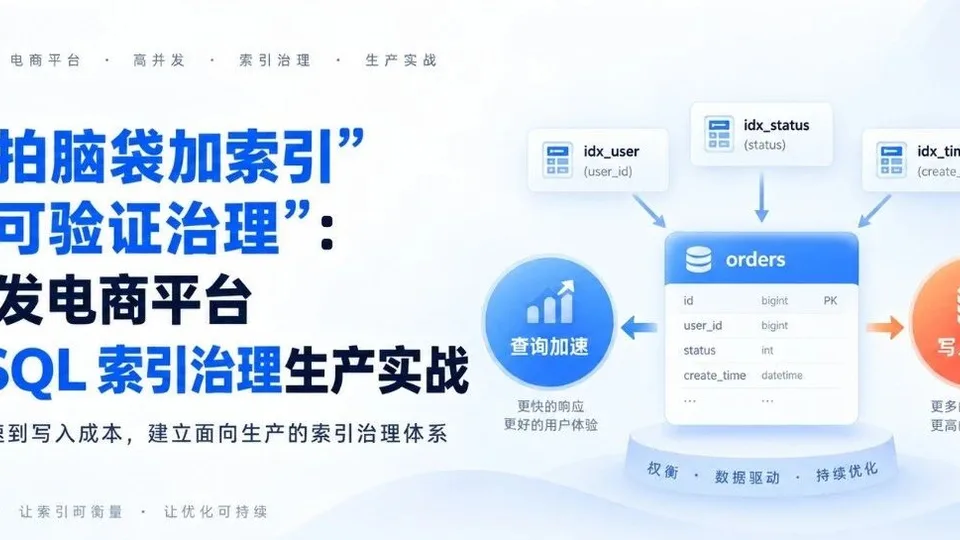
This article details a production-grade MySQL index governance system for high-concurrency e-commerce, covering evidence collection, invisible index validation, automated change gates, regression detection, and a case study reducing order-list P99 from 2.3s to 170ms while preventing unsafe deletions.
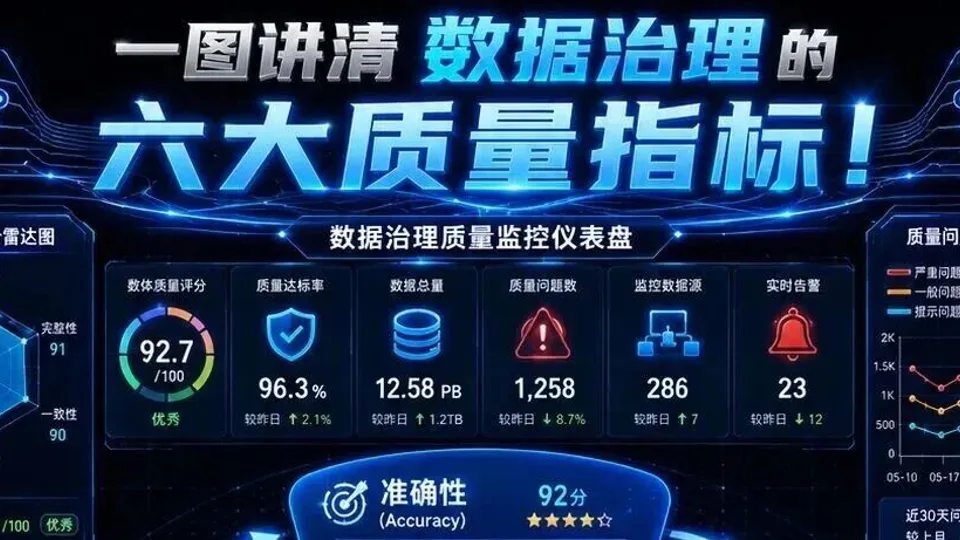
This article outlines six fundamental data quality metrics—accuracy, completeness, consistency, timeliness, uniqueness, and validity—detailing their focus areas and measurement approaches, and illustrates how a monitoring dashboard with radar charts and trend analysis can track a 92.1 composite score, 96.3% compliance rate, 8.7% daily issue reduction, and 268% ROI, emphasizing that sustained quality requires standards, organization, processes, technology, and continuous improvement.
This article presents a comprehensive index governance methodology for high-write MySQL order systems, demonstrating through a real incident how a read-optimized index caused write latency, replica lag, and timeouts, and detailing a reusable process covering query-driven design, cost measurement, validation, change buffer limits, index convergence, safe deletion, read-write routing, sharding, transactional outbox, idempotent consumers, online DDL safeguards, gating, and long-term ownership.
This comprehensive guide covers MySQL and PostgreSQL monitoring essentials, including key metrics (connections, throughput, InnoDB, replication), version-specific differences, alert thresholds, exporter deployment (mysqld_exporter, postgres_exporter), Grafana dashboards, Prometheus alerting rules, troubleshooting playbooks for common issues like connection exhaustion, replication lag, deadlocks, and disk growth, plus automation scripts for long-transaction killing and slow-query analysis.
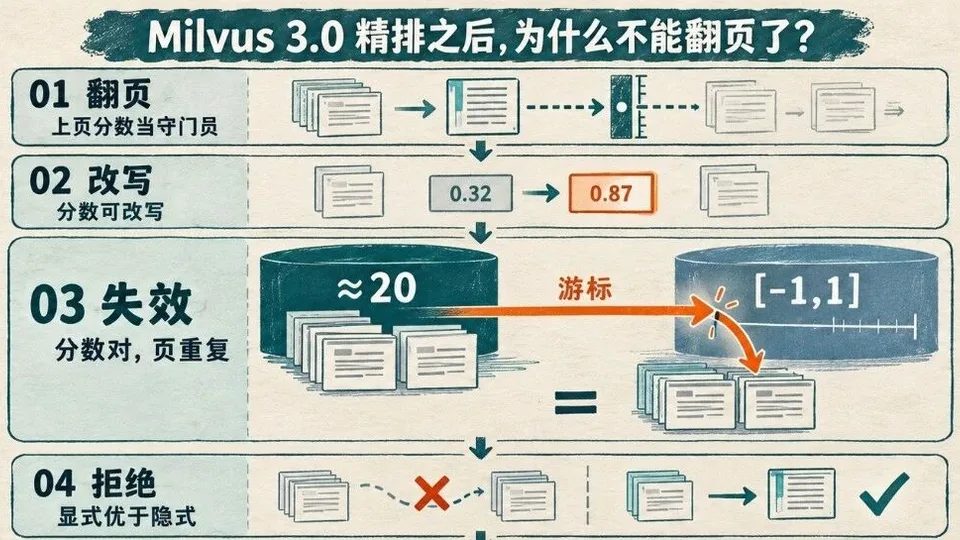
Milvus 3.0's search iterator pagination fails after reranking because the cursor uses the last page's score as a boundary, but reranking replaces ANN distances with model predictions (e.g., XGBoost raw scores), causing the filter condition to exclude nothing and return duplicate pages. Milvus now explicitly rejects combining function chains with search iterators rather than fixing pagination, as the fix would require carrying original distances through the entire reduce pipeline—a feature-level change. Workarounds include using offset within single-search limits or moving reranking to the application layer.