This article traces the origin of the Log-Structured Merge-Tree (LSM Tree) from a 1996 paper by Patrick O'Neil et al., explaining how its sequential-write, background-compaction design solved the random I/O bottleneck of B-Trees, enabling modern write-heavy systems like Cassandra, RocksDB, and Kafka.
Firebolt consolidated previously independent metadata, identity, and garbage-collection services into its core database process to simplify multi-environment deployment and reduce cross-service coordination, while analyzing trade-offs in fault isolation, resource contention, and the distinction between module and process boundaries.
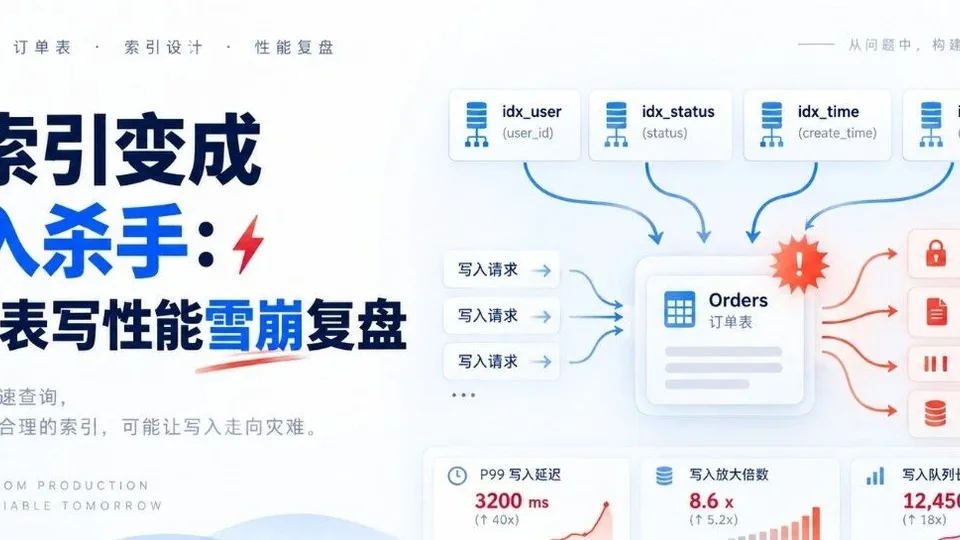
Adding three secondary indexes to a MySQL 8.0 orders table caused write P99 latency to jump from 15ms to 2.3s and TPS to drop from 4800 to 1100 during peak hours; the article details a reproducible forensic process using A/B testing, invisible indexes, and sysbench to prove the culprit index had zero read benefit and safely remove it.
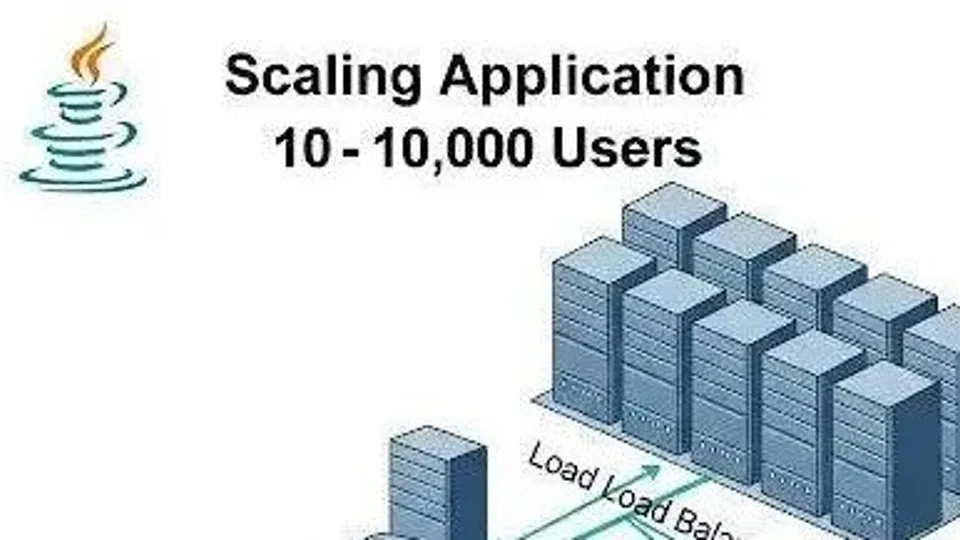
This article defines TPS versus QPS, illustrates a multi-SQL transaction example, and provides a concrete reference table mapping MySQL server configurations (4-core/8GB through 64-core+) to typical OLTP TPS ranges (1,000–50,000+), concluding with architectural guidance for scaling beyond 10,000 TPS.
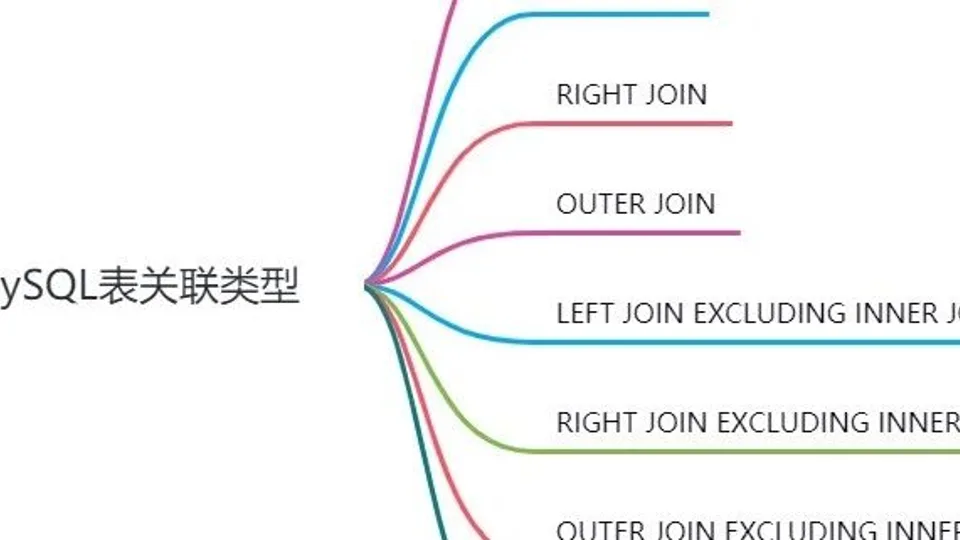
This tutorial explains MySQL table joins—including inner, left, right, full outer, and exclusion joins—using Venn diagrams, sample tables, and SQL queries to illustrate each join type's result set.
This comprehensive guide covers the complete slow SQL troubleshooting lifecycle: enabling slow query logs, interpreting EXPLAIN plans, diagnosing nine common index failure patterns, resolving transaction lock contention, and applying architectural optimizations for large datasets, plus emergency mitigation and long-term governance practices.
This article demonstrates how PostgreSQL's JSONB type combined with Spring Boot provides a practical alternative to MongoDB for managing dynamic custom fields in enterprise applications, covering storage, indexing, JPA mapping, partial updates, querying patterns, and performance tuning while preserving relational integrity.
StarRocks introduces AI Functions that let SQL directly call LLMs for generation, classification, extraction, and embedding, integrating model inference into the query optimizer and pipeline execution engine with async dual-pipeline architecture, backpressure, and cost-based optimization to reduce unnecessary calls and manage latency.
360 Zhihui Cloud's ZestKV is a Redis-compatible, cloud-native serverless KV store that separates compute from storage using shared object storage and a log service, enabling elastic scaling via region sharding, background task decoupling, and a dual-async write path achieving 700K SET QPS in benchmarks.
This article explains MySQL Group Replication (MGR), a native high-availability cluster based on Paxos consensus, covering its architecture, single-primary vs multi-primary modes, automatic failover, brain-split prevention via majority voting, production deployment rules, and common pitfalls to avoid for zero-data-loss transactional systems.
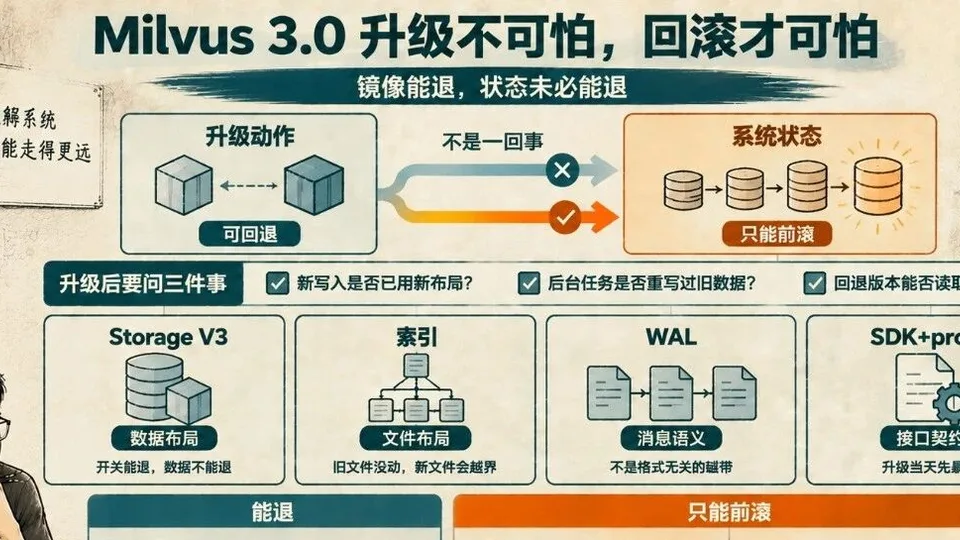
This article analyzes why rolling back a Milvus 3.0 upgrade is far riskier than the upgrade itself, explaining how Storage V3, index version changes, WAL message semantics, and SDK/proto contracts create irreversible state boundaries that a simple image tag revert cannot undo.
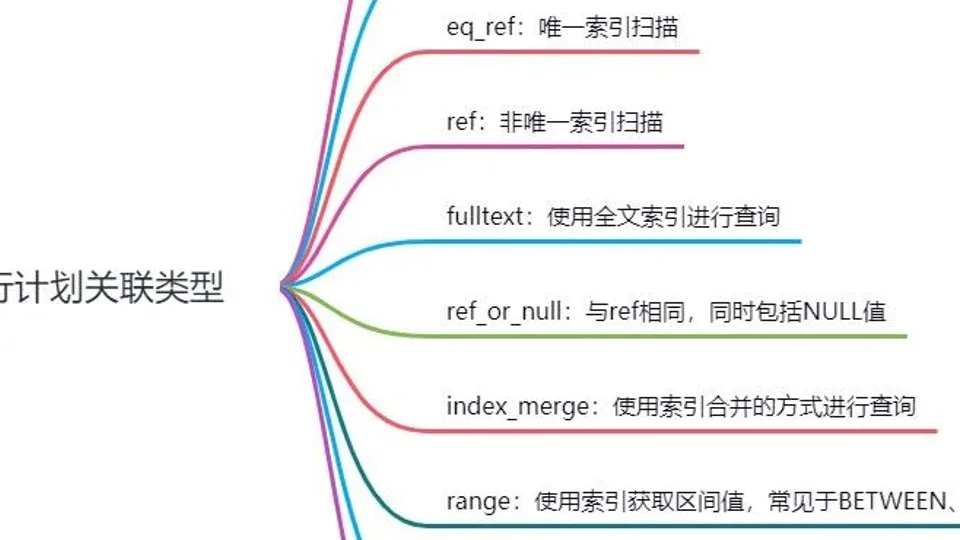
This article provides a comprehensive guide to MySQL's EXPLAIN command, detailing each column in the execution plan output with practical examples to help developers analyze and optimize SQL query performance.
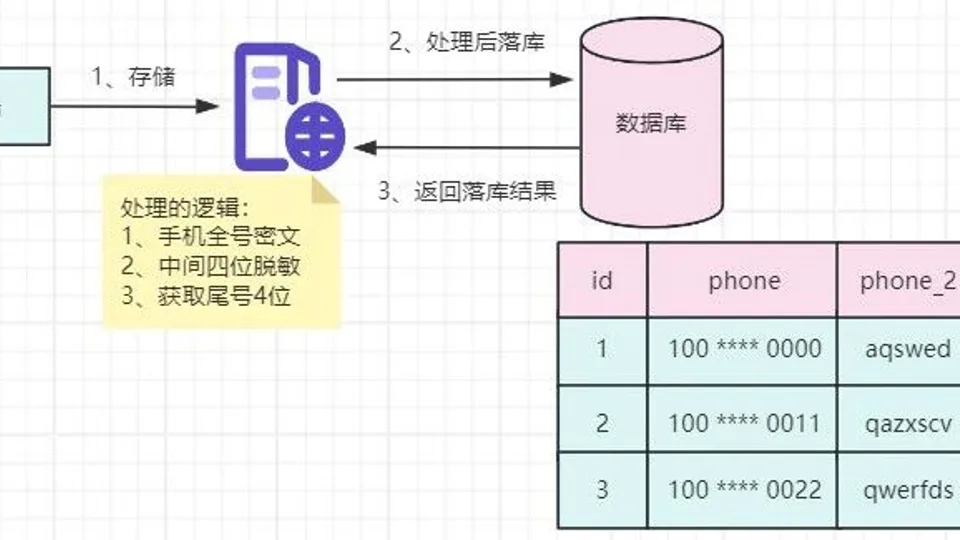
The article analyzes flawed approaches for querying encrypted phone numbers by last four digits — memory decryption, ciphertext fuzzy matching, partial encryption, and mapping tables — and presents a three-field design (full ciphertext, masked display, indexed last-four plaintext) that ensures compliance, security, and millisecond query performance at million-user scale.
This comprehensive guide covers MySQL core internals for interview preparation: four-layer architecture, SQL execution flow, InnoDB vs MyISAM, B+Tree/Hash/Fulltext indexes, clustered vs non-clustered indexes, leftmost prefix principle, covering indexes, index condition pushdown, ACID with redo/undo logs, MVCC and ReadView, isolation levels, row/gap/next-key locks, two-phase commit, SQL optimization with EXPLAIN and slow query logs, sharding strategies with ShardingSphere, master-slave replication and GTID, and deep pagination solutions.
MySQL 9.0 introduces three major features: native JSON multi-valued indexes delivering 370x faster array queries, Parallel Query V2 with work-stealing achieving 7-8x speedups on analytical workloads, and an ML-based AI query optimizer that cuts index misselection from 12% to 2% and boosts complex query performance by 25-40%.
This comprehensive guide walks through the complete MySQL slow query troubleshooting loop: enabling slow query logs, analyzing with mysqldumpslow and pt-query-digest, using EXPLAIN to identify missing indexes or inefficient plans, designing composite indexes following leftmost prefix principles, validating in test environments, and safely deploying changes in production with rollback plans.
This article provides a comprehensive practical guide to MySQL master-slave replication, covering synchronization principles, three replication modes, delay causes and troubleshooting, read-write splitting implementation with common pitfalls, failover strategies, and five production pitfalls to avoid.
This tutorial demonstrates four methods for multi-table updates in MySQL—INNER JOIN, LEFT JOIN, subquery, and direct multi-table UPDATE—using order and product tables, showing how each handles non-matching rows differently with concrete SQL examples and result comparisons.
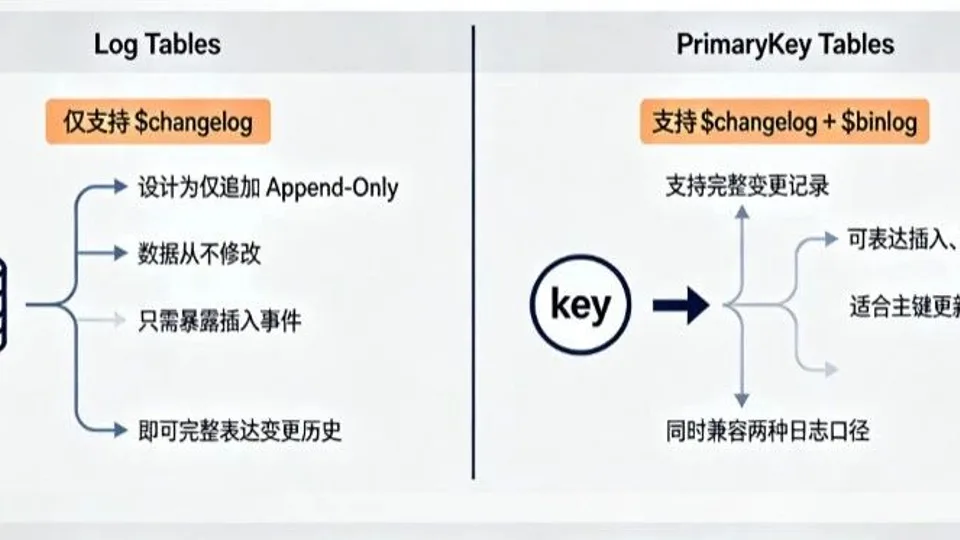
This article deep-dives into Apache Fluss virtual tables, explaining how $changelog and $binlog suffixes expose change logs as read-only queryable tables, detailing their schemas, use cases, differences between PrimaryKey and Log tables, startup modes, limitations, and the design philosophy enabling native CDC consumption via SQL without external tools.
This article explains how MySQL uses B+ tree indexes to accelerate queries, detailing their structure, differences from binary search trees, organization around 16KB pages, and why smaller index values reduce tree height and disk I/O for better performance.