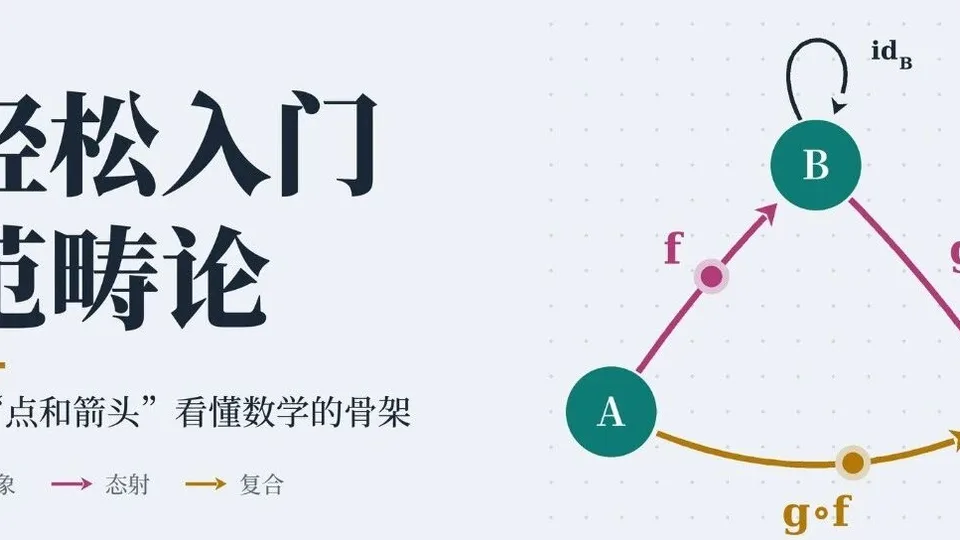
This article introduces category theory using a subway map analogy, explaining objects, morphisms, composition, functors, natural transformations, and universal properties, showing how these abstract concepts unify mathematics and appear in everyday programming patterns like function composition and map.
This article explains ASCII encoding, the standard that maps 128 characters to numbers 0-127, detailing control codes, printable characters, extended ASCII, programming applications like character comparison and case conversion, and why ASCII's English-only limitation led to Unicode.
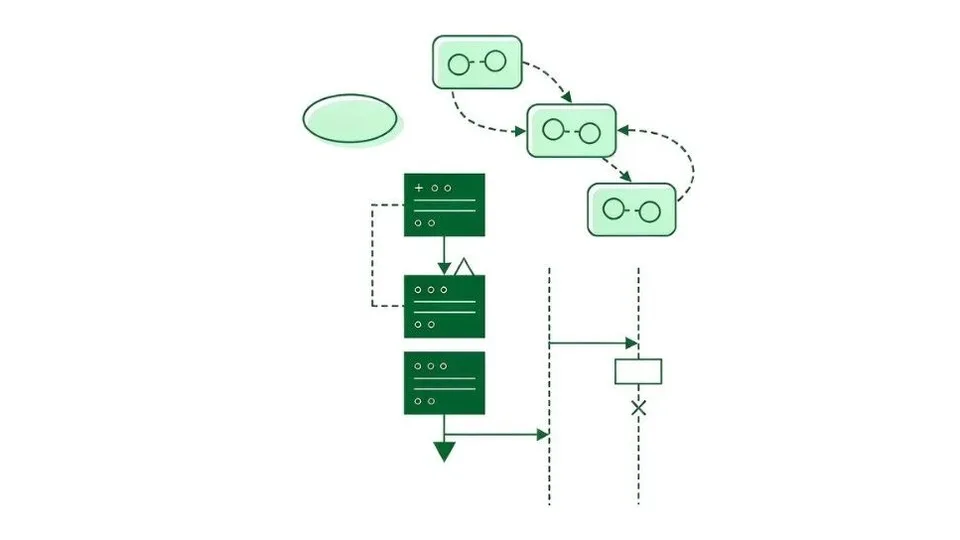
This article explains UML 2.5's 14 diagram types, categorizes them into structural and behavioral diagrams, highlights the 7 most frequently used diagrams in daily development (class, sequence, state machine, activity, use case, component, deployment), provides a cheat sheet for selecting the right diagram per scenario, and recommends tools like Mermaid and PlantUML.
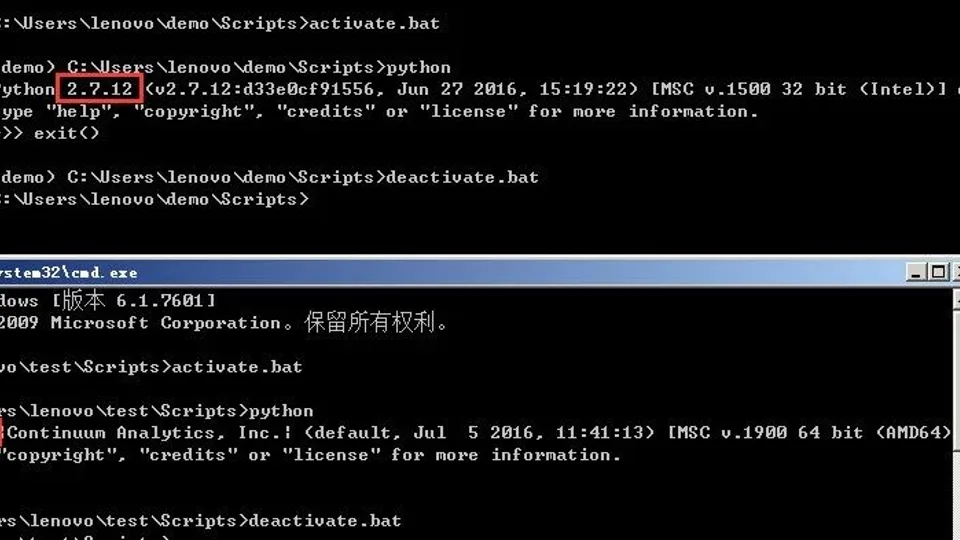
This tutorial walks through four practical methods to enter the correct Python interactive shell on Windows when both Python 2 and Python 3 are installed, covering PATH ordering, opening a prompt in the install folder, the py launcher shortcuts, and virtual environments.
The split between /bin and /usr/bin originated in 1971 when Ken Thompson and Dennis Ritchie ran out of space on a 1.5MB PDP-11 disk, prompting them to spill overflow commands onto a second disk mounted at /usr—a pragmatic hack later mythologized as intentional design, causing decades of confusion until modern distributions merged them via usrmerge.
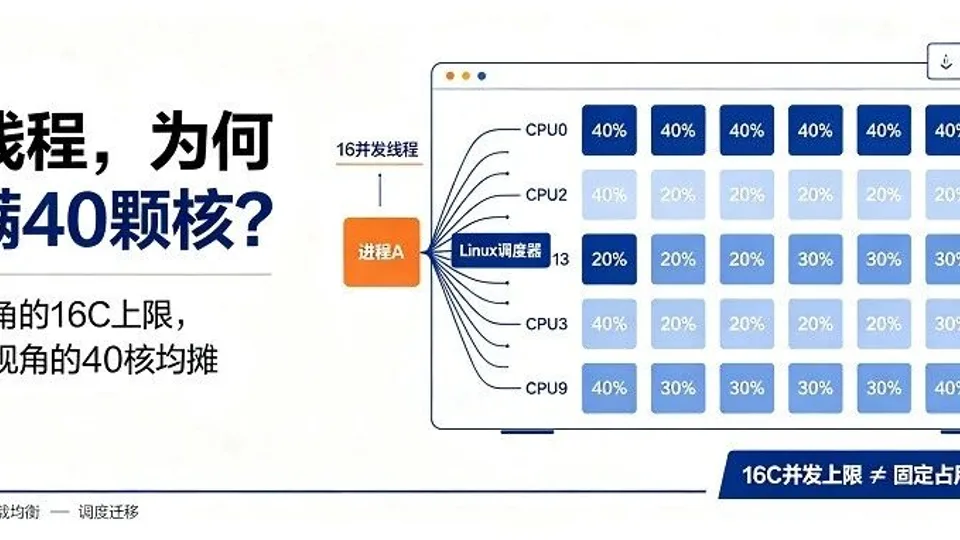
This article explains why 16 CPU-intensive threads on a 40-core Linux system show uniform 40% per-core utilization instead of saturating 16 cores, detailing the CFS scheduler's per-CPU runqueues, load balancing mechanisms (wake-up, periodic, idle), and scheduling domain hierarchy that distribute threads evenly across all cores.
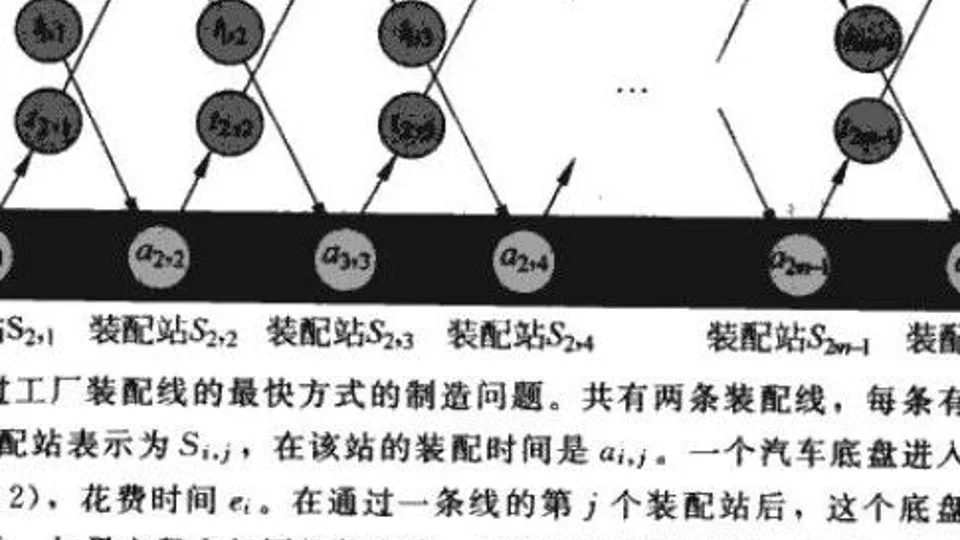
This article analyzes 11 classic dynamic programming problems including coin change, edit distance, LCS, LIS, maximum subarray, matrix chain multiplication, 0-1 knapsack, constrained shortest path, tiling with state compression, work allocation, and three-pass apple picking, providing recurrence relations, C implementations, and optimization techniques.
This comprehensive illustrated guide covers the entire Linux network stack from physical layer to application layer, detailing protocols like TCP/IP, routing algorithms, DNS, HTTP, and security mechanisms with diagrams and command references.
This article explains why Windows' Desktop Window Manager (dwm.exe) consumes significant memory and CPU, tracing its evolution from the immediate-mode rendering of Windows XP to the modern compositing model that enables transparency, animations, and stable multitasking by offloading rendering to the GPU.
This article explores 15 idiomatic Rust patterns — including Newtype, smart constructors, builder pattern, RAII, composition over inheritance, trait-based strategy, extension traits, typestate, interior mutability, error propagation with ?, static vs dynamic dispatch, From/Into conversions, Option combinators, standard trait implementations, and zero-cost abstractions — that leverage Rust's ownership, type system, and compile-time guarantees to produce safer, more maintainable code.
This article explains computer storage units from bits to petabytes, clarifies the binary (1024) vs decimal (1000) discrepancy causing drives to appear smaller, provides real-world capacity examples, file size references, and practical storage recommendations for phones and computers.
A humorous yet practical deep-dive into legacy code horrors — meaningless names, 7-level nesting, 1200-line god methods, magic numbers, and copy-paste duplication — followed by a four-step refactoring playbook (understand, extract, name/comment, optimize) and team-level prevention tactics like code reviews, coding standards, and offboarding rituals.
The article distinguishes objective and perspective ontologies, identifies two gaps between static knowledge and dynamic systems, and proposes a four-layer engineering paradigm—Unique Ontology, Perspective Ontology, Component-Based Design, and BIP—to build executable ontology twins for planning and optimization.
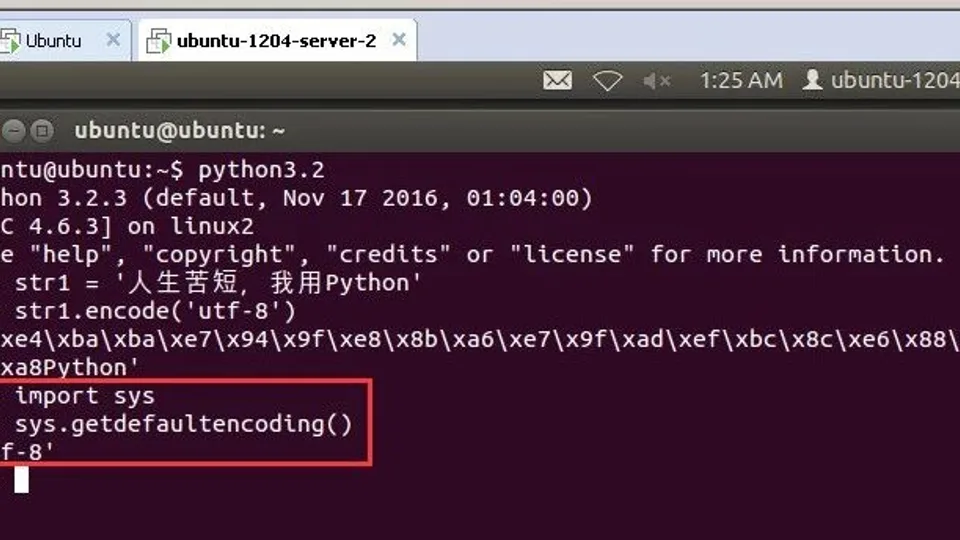
This article explains how Python 3 treats all strings as Unicode by default, removing the need for encoding declarations required in Python 2, and demonstrates the behavior on Windows and Linux where the default environment encoding shifts from ASCII to UTF-8.
This article explores emergence — how simple local interactions among many individuals produce complex global patterns like bird flocks, ant trails, and consciousness — covering key examples from Conway's Game of Life to AI, and examining unresolved debates about weak vs. strong emergence, computational irreducibility, and whether macro-level laws are fundamentally real.
Unicode 18.0 adds 13,007 characters, raising the total to 172,808, highlighted by 11,328 Chinese seal script characters, Jurchen script, nine new emojis, three currency symbols, and a critical security fix for variation selectors to prevent hidden AI injection attacks.
This tutorial teaches bidirectional decimal-binary conversion using division-by-2 remainder method for integers, weight expansion for binary-to-decimal, a subtraction-based shortcut, multiply-by-2 for fractions, plus a power-of-2 reference table and highest-bit estimation technique.
The article explains why integrating a national anti-fraud center into the Linux kernel is technically absurd and dangerous, violating kernel design principles of generality, stability, and least privilege, and how such a move would compromise security and user control.
This article explains the GeoHash algorithm, detailing how it converts latitude/longitude into binary strings via recursive bisection, interleaves bits, applies base32 encoding, and uses prefix matching to efficiently find nearby passengers in ride-hailing apps, while noting edge-case limitations.
This article explains why computers use binary (0 and 1) instead of decimal, covering the physical reliability of two voltage states, binary counting and conversion methods, how all data types are represented as bit sequences, and the role of Boolean logic and hexadecimal shorthand in computing.