The article explains how the von Neumann architecture, introduced by John von Neumann in 1945, established the stored‑program concept that underpins all modern computers, describes its five core components, the classic CPU‑memory bottleneck, and the cache, pipeline and parallel techniques used to mitigate it, while contrasting it with the Harvard architecture and offering everyday analogies.
Even though AI tools can generate thousands of lines of code from a single prompt, ordinary people still need basic programming knowledge to understand the runtime environment, install dependencies, interpret errors, adjust generated code, and evaluate its correctness.
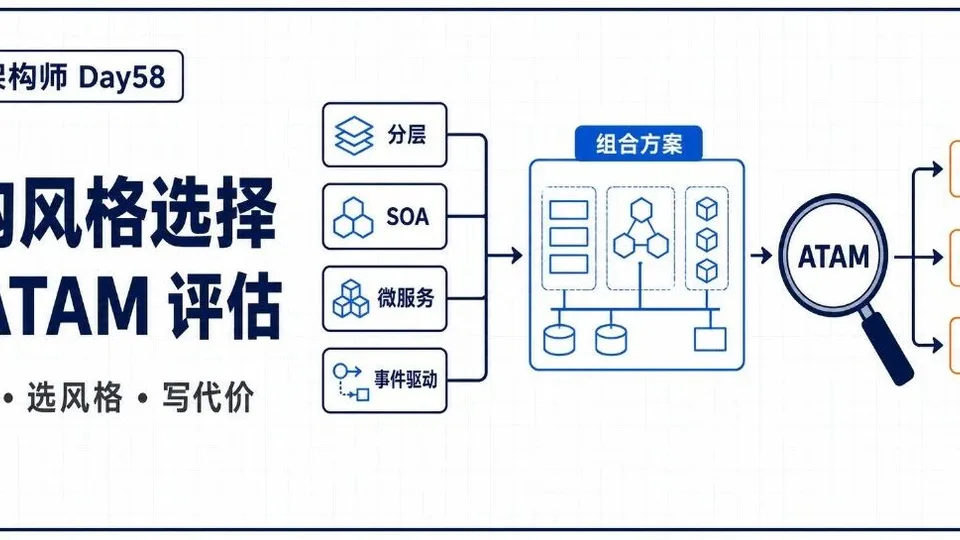
This article walks through selecting and evaluating four architectural styles—layered, SOA, microservices, and event‑driven—by mapping concrete business evidence to style choices, explaining their benefits and costs, and applying ATAM terminology to assess key decisions in a healthcare platform scenario.
The article recounts how a C++‑based real‑time inventory system on 30 machines was forced to reboot nightly to free memory, illustrating the pitfalls of manual memory management and arguing that languages offering safer resource handling improve developer productivity and reduce error‑prone code.
The article explains why Java concurrency is difficult by showing that two threads each incrementing an int ten thousand times may not produce twenty thousand, then explores the motivations for multithreading, the differences between concurrency and parallelism, and the three core challenges of visibility, atomicity, and ordering.
The article wraps up the "Design Pattern Dissection" series by showing how the 23 GoF patterns appear in JDK, Spring and MyBatis, clarifying the most confusing pattern pairs, warning against over‑design, and presenting a comprehensive map that links each pattern to the seven core design principles.
UART remains the go‑to debugging interface in embedded projects because it needs only three wires, works asynchronously, enjoys universal driver support, and benefits from decades of Unix‑style console tradition, whereas SPI and I2C were never designed for simple human‑machine interaction.
The article explains how to judge code quality by focusing on stability—handling exceptions, retries, and alerts—and clarity—organizing logic into readable, maintainable steps—illustrated with a real‑world document‑sync example and simple function patterns.
This article introduces five core Linux file comparison utilities—diff, colordiff, wdiff, vimdiff, and sdiff—explaining their syntax, key options, installation steps, and practical examples so readers can choose the right tool for their workflow.
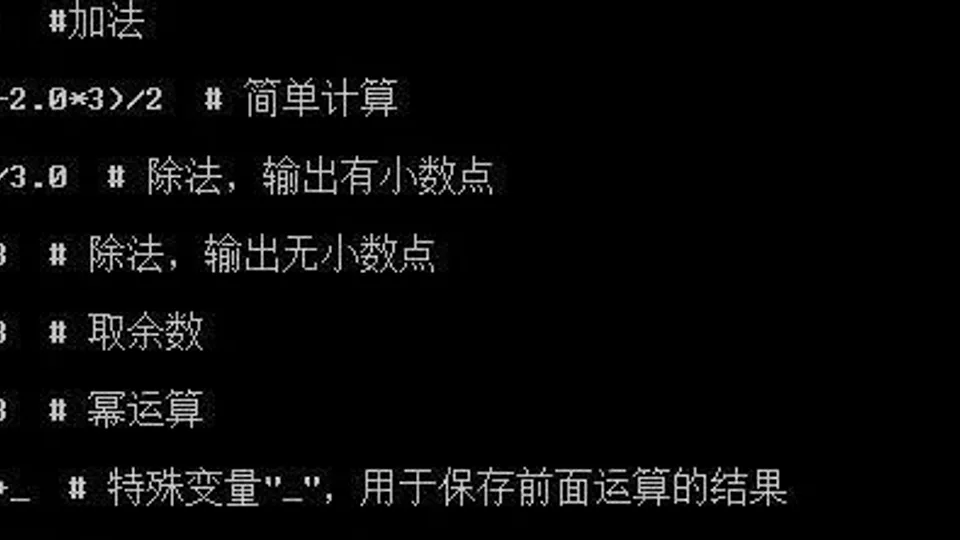
This guide shows how to launch Python's interactive environment on Windows via IDLE or the command prompt, explains executing statements, using the special '_' variable, handling errors, navigating command history, and switching to script editing for longer programs.
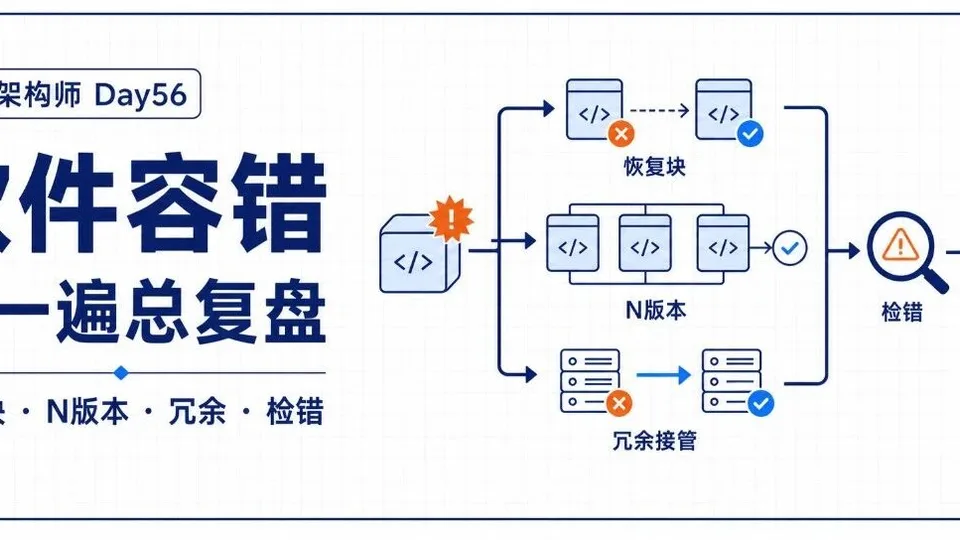
This article reviews software reliability design, distinguishing fault tolerance, error detection, and complexity reduction, explains recovery blocks, N‑version programming, and redundancy techniques, and provides a step‑by‑step framework for applying these concepts to real‑world systems.
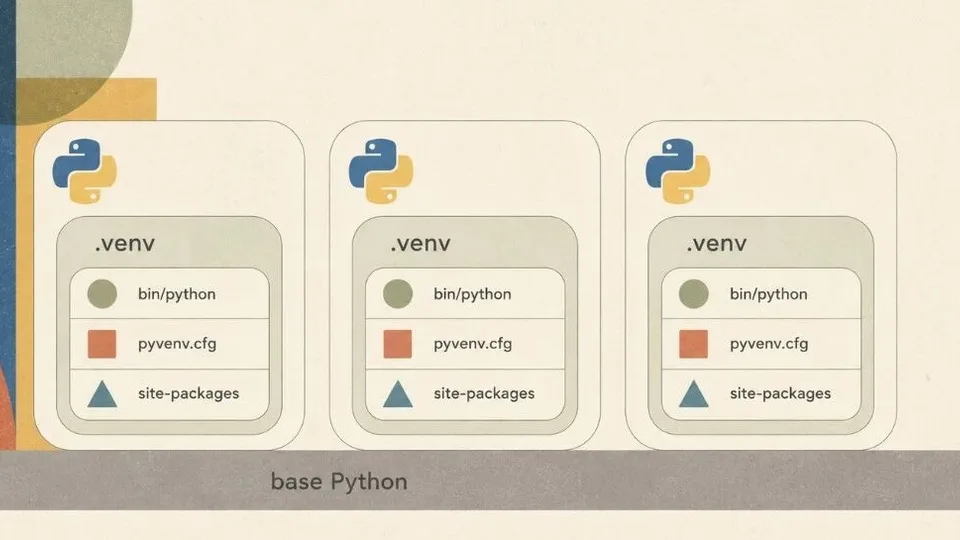
The article explains the historical need for Python environment isolation, details the directory layout and configuration files of a virtual environment, walks through its creation steps, shows how sys.path is built and used for module imports, compares venv, virtualenv and conda, and provides advanced tips and debugging techniques for managing Python environments.
This article examines the three least‑used behavioral design patterns—Mediator, Visitor, and Interpreter—by explaining the problems each solves, showing core implementations with order‑page examples, highlighting their narrow applicability, common pitfalls, and why developers should often steer clear of them.
The article explains how Java source code is compiled into bytecode, how class loaders (including the bootstrap, extension, application, and custom loaders) load and verify classes using the parent‑delegation model, and how encryption, obfuscation, and decompilation tools affect code protection and debugging.
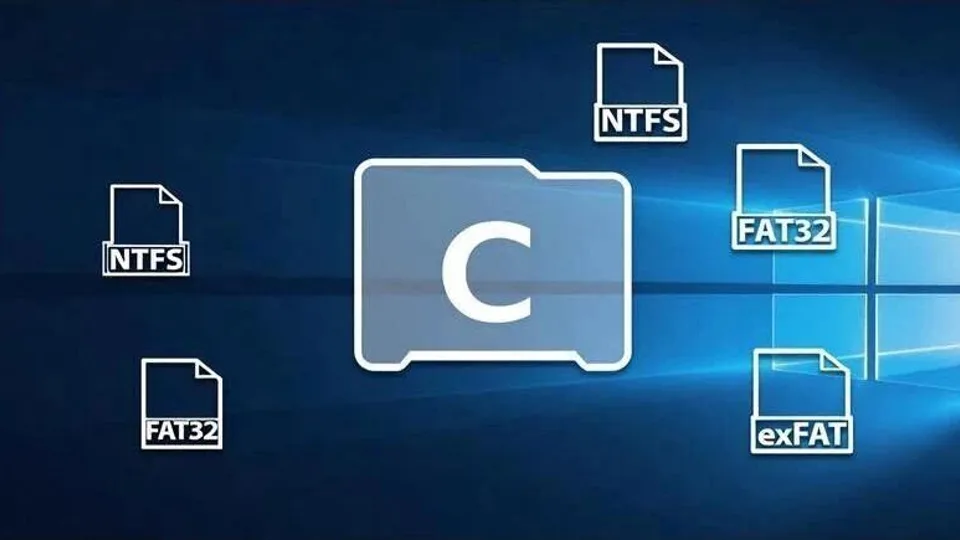
The article explains why the Windows C: drive fills up quickly, compares NTFS, FAT32, and exFAT—including their histories, features, limits, and ideal use cases—offers a decision tree for selecting the right file system, and provides practical steps for cleaning a full C: drive.
This article dissects orchestration-driven SOA, a 1990s enterprise architecture pattern centered on a central ESB and strict service taxonomy, explaining its layered topology, how reuse led to tight coupling and bloated models, the difficulties of distributed transactions, and why its failures directly inspired modern microservices principles.
The article explains how the Iterator pattern, built into Java as Iterable and Iterator interfaces, lets you traverse any collection uniformly without exposing its internal structure, demonstrates the fail‑fast mechanism, and shows when custom collections should implement Iterable.
The article explains how the Command pattern encapsulates a request as an object, enabling storage, queuing, undo/redo, and decoupling between request senders and executors, with concrete Java examples and guidance on when the pattern is appropriate.
The article explains how a file system works—from physical disks to logical structures—using analogies like warehouses, detailing superblocks, inodes, data blocks, tree hierarchies, common file systems, Windows C‑drive growth, Linux ext4 features, permission models, and the role of the virtual file system.
The article traces the 20‑year history of Java’s type‑erased generics, contrasts it with C#’s reified generics, explains the performance and compatibility trade‑offs, and shows how Project Valhalla’s value classes and generic specialization finally close the gap.